Discover Mystic Rainy Spots: Essential Guide for First-Time Visitors
Discover Mystic Rainy Spots: Essential Guide for First-Time Visitors
Every journey invites mood, texture, and atmosphere. For first-time travelers, mystic rainy spots offer a cinematic invitation that rewards patience. These places reveal light that softens edges, rain that paints reflections, and air that tastes of moss and possibility. By approaching the moody weather with curiosity and respect, you unlock scenes you\’ll recall long after the clouds clear. This guide introduces you to what makes a place a mystic rainy spot, how to experience it responsibly, and how to start planning your own moody adventures.
You\’ll learn to read the weather, choose the right hours, and savor the mood rather than fight the spray. Whether you\’re chasing fog along cobbled lanes or watching ripples sketch geometric patterns on a lake, the core idea is simple: let the rain tell the story, not your schedule alone. In the sections that follow, we break down atmosphere, gear, safety, and storytelling tactics that empower first-time visitors to savor every drizzly moment. By the end, you\’ll feel confident mapping your own mystic rainy spots and ready to compare regional character across destinations.
What makes a mystic rainy spot?
The phrase might sound poetic, but the magic is measurable: fog, diffuse light, reflective surfaces, and a hush that follows every splash. In a mystic rainy spot, color drains to moody grayscale, while a single neon sign or a streetlamp can become a focal point. The best spots embrace damp textures—old bricks, mossy walls, wooden piers—that hold moisture and memory. Crucially, the weather is not an obstacle; it is the medium that turns ordinary corners into stage sets.
Defining atmosphere
Atmosphere is more than weather. It is tempo, scale, and mood. When a street glistens after a late drizzle, you feel the place anew. In smoky cafés or riverside docks, the air carries samples of rain, earth, and plan for the day. Pay attention to light and shelter; both shape how a scene reads to your eyes and camera.
The role of mist and light
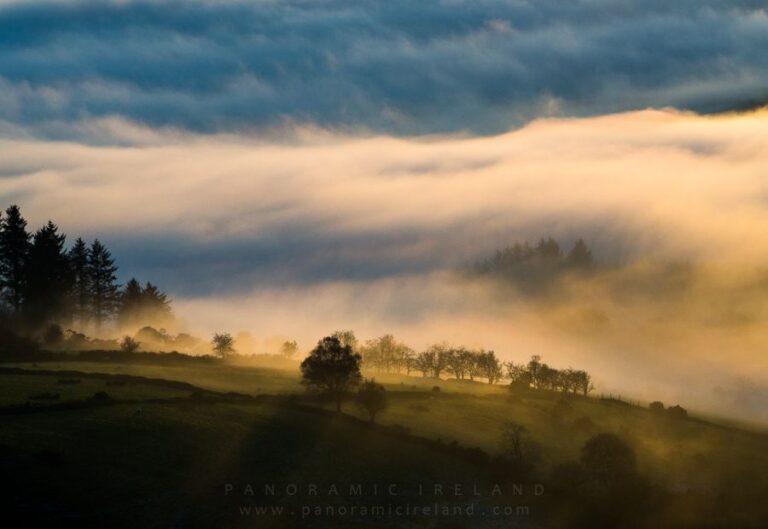
Mist softens edges; rain adds texture. In early mornings or just before sunset, light becomes directional and gentle. Shadows lengthen and colors deepen. If you wait for a window of mist and sun, you may capture scenes that feel otherworldly yet intimate. This is the essence of a mystic rainy spot: light that refuses to be ordinary.
Seasonality and regional nuance
Every region offers its own rain script. A Northern city may present a steady drizzle and patchy fog; a tropical coast leans into heavy showers and warm air. The same feeling—mystical, moody, momentary—appears everywhere, but the texture shifts with season. Therefore, study regional forecasts ahead of time and be prepared for rapid changes in visibility and fragrance. For more ideas about regional rain experiences, check a reliable travel guide. For example, see articles on rainy-day itineraries from trusted sources such as Lonely Planet.
The sensory palette of mystic rainy spots
In a mystic rainy spot, your senses upgrade. Here is the palette to watch for:
- Sight: reflections, silhouettes, rain on glass
- Sound: rain on rooftops, distant thunder, splashes
- Smell: petrichor—the scent of rain on earth
- Touch: cool air, damp fabrics, the feel of moss
These cues guide both your experiences and your storytelling. Therefore, you listen as much as you look, and you notice how people respond to the weather—pauses, smiles, and shared umbrellas become part of the scene.
Gear and preparation for first-time visitors
Whether you roam a city riverfront or a forest trail, the right gear keeps you comfortable and focused on the scene.
- Waterproof jacket with breathable fabric
- Waterproof boots or shoes with good grip
- Layered clothing for temperature shifts
- Backpack rain cover and microfiber towel
- Camera protection: rain sleeve or weather-sealed body
- Compact umbrella (optional) and quick-dry accessories
- Phone weather app and offline maps
Clothing and layering
Layering matters. Start with moisture-wicking base layers, add insulating mid-layers, and finish with a waterproof outer shell. In a mystic rainy spot, comfort becomes your ally for lengthy walks and late light. In addition, packing smart layers helps you switch scenes without stopping to change clothes.
Protecting your gear
Use weather-sealed housings, rain covers for bags, and lens cloths for avoiding water droplets on glass. If fog thickens, wipe gently to preserve clarity, but avoid scrubbing. Crucially, keep a dry bag for electronics and a microfiber cloth for quick touches on lenses.
Safety and accessibility considerations for mystic rainy spots
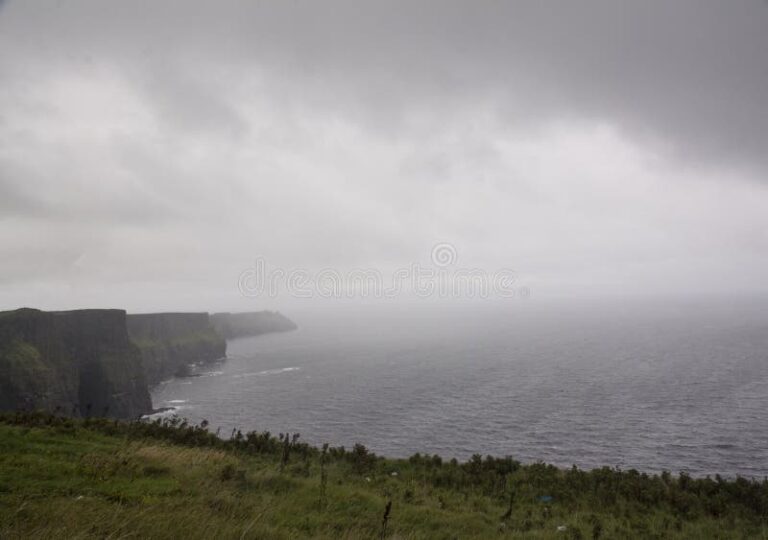
Rain changes footing; be mindful of slick surfaces, low visibility, and sudden gusts. Stick to known paths in unfamiliar areas, carry a small flashlight, and check accessibility options for mobility needs. Crucially, plan for weather windows to maximize safety and mood, not risk. If you\’re venturing to remote moors or coastal cliffs, share your route with someone and keep an emergency contact handy.
In urban zones, respect pedestrian zones and flood-prone streets. In rural settings, keep a close eye on runoff and slippery trails after a storm. In any case, never monetize or pressure others for mood shots; the best mystic rainy spots are those shared with quiet reverence.
Capturing the mood: photography and storytelling in mystic rainy spots
Photography in rain rewards patience and intention. Use shorter focal lengths to emphasize surroundings; embrace shallow depth of field to isolate mood; shoot in RAW to preserve dynamic range; bracket exposures to catch dynamic skies. Keep your shutter steady with a compact tripod if permitted, or lean on stable railings and walls. Above all, tell a story with your frame: a puddle reflecting a lamp, a passerby blurred by rain, a doorway inviting passage. In addition, capture moments that reveal human warmth amid weather — a shared umbrella, a smile, or a scarf fluttering in a breeze.
Part of the magic is your approach. Therefore, practice slower, plan fewer moves, and let the scene reveal itself. You don\’t chase rain; you listen to it, read it, and translate it into an image or memory that stays long after the clouds depart. As you gain experience, you\’ll spot recurring motifs that become your personal language of mystic rainy spots.
To deepen your planning, stay with us for Part 2: Designing Your Rainy Route, where we map region-specific itineraries and practical routes for mystic rainy spots.
Plan Your Mystic Rainy Spots Adventure: Step-by-Step RainyRoute Itinerary
Identify Your mystic rainy spots: Top Destinations
In the RainyRoutes approach, selecting the right places is the foundation of a truly mystic rainy spots adventure. You want fog-draped streets, reflective puddles, and waterways that turn ordinary sidewalks into cinematic mirrors. The aim is to curate a compact set of destinations that consistently deliver moody skies, soft light, and accessible pathways. Specifically, map out primary, secondary, and contingency spots so you can adapt when clouds drift or when a favored angle becomes momentarily unavailable. This strategic selection lets you maximize mood without trampling fatigue or sightseeing fatigue.
Why moody light matters for mystic rainy spots
Moody light is the visual language of mist and rain. It softens contrasts, enhances textures, and makes color feel distilled rather than saturated. When light is diffuse, every puddle acts as a mirror and every storefront becomes a story frame. This is why your itinerary prioritizes windows of light drizzle, fog pockets, and blue-hour moments that endure through rain. The gentler illumination helps you capture silhouettes, reflections, and architectural details that reveal character rather than mere scenery.
Choosing destinations by season and weather windows
Seasonality shapes rain intensity, wind direction, and cloud cover, and that matters for mystic rainy spots. You want a balance between showers and lull periods, not a continuous downpour that exhausts you or floods your framing opportunities. Track microclimates—urban canyons, river bends, and shaded courtyards often retain mist longer than exposed open spaces. Your goal is to align two or three core spots with predictable mood windows, while keeping a flexible plan ready to swap in an equally atmospheric alternative if a weather front shifts. This adaptive approach keeps your shots cohesive and your energy steady throughout the journey.
Day-by-Day RainyRoute Itinerary: A Step-by-Step Plan
This section offers a practical scaffold for a three-day journey designed to maximize mood, minimize fatigue, and keep travel efficient. The RainyRoute method emphasizes a flexible pace, built-in buffers for weather changes, and the ability to pivot when a particular spot is drenched or crowded. Think of this as a repeatable blueprint you can adapt to any mystic rainy spots destination, whether you are in a coastal city, a forested highland town, or a fog-kissed inland burg. The structure below guides you from arrival through immersive exploration to reflective closure, with emphasis on light, texture, and storytelling potential at every pause.
Day 1: Arrival, Base Setup, and the First Moody Walk
On arrival, establish a comfortable base in a neighborhood that offers shelter, cozy cafes with windows facing the street, and easy transit access to key mood spots. Immediately quick-check the forecast for rain bands and wind shifts, then sketch a walking radius that minimizes backtracking while maximizing new textures. The day’s tempo should favor discovery over conquest, with short, deliberate strolls that invite you to pause and listen to the rain as it interacts with storefronts and trees. In the early evening, begin your first moody walk along tree-lined avenues where reflections ripple in puddles and lamp light halos damp pavement with amber glow. Try framing silhouettes against rain-washed storefronts or a lone umbrella veering through soft spray. Keep a light pace so you can savor the soundscape of rain as it becomes an ambient soundtrack rather than a barrier to movement.
Morning: quick weather check and base setup. Specifically, refresh your radar and wind data, confirm feasible routes to your primary spots, and assemble a compact kit that balances camera readiness with comfort. A lean bag typically includes one camera, one versatile lens, spare batteries, a rain cover, a microfiber cloth, and a compact rain jacket packed in an accessible pocket. This light load preserves energy for longer excursions and reduces fatigue on slick sidewalks. Afternoon: first moody walk and reflections. Furthermore, the first stroll is about capturing reflections, silhouettes, and textural contrasts between wet stone, glass, and foliage. Look for symmetry and rhythm in street lamps, umbrella canopies, and shopfront frames. Keep your camera ready for micro-gestures—drops skimming a lens, a rain-dusted window catching a passing taxi light, or a cyclist gliding through a misty archway. If you encounter rain intermittently, use those pauses to test different shutter speeds and focal lengths, which will pay off on subsequent days when moods deepen.
Rain-safety reminder: practical guidelines anchor your creativity in a safe framework. For credible, official guidance on staying safe in rainy conditions, visit rain safety tips. This link provides essential cautions about slick surfaces, wind gusts, and river or channel overflow, helping you maintain focus on storytelling while avoiding unnecessary risk. The goal is to keep your mood intact while respecting the environment you are exploring.
Day 2: Immersive Exploration of Hidden Coves and Misty Paths
Day 2 deliberately moves beyond the most-walked routes to uncover pockets where rain gathers and mood lingers. Identify two to three core spots that are less crowded but rich in atmosphere. Start with a misty ridge, a quiet back-alley corridor, or a waterfront esplanade where the weather acts as a collaborator rather than a barrier. Move slowly, allowing your senses to map transitions from soft fog to rain-soaked shadows. The goal is to document a sequence of moods—from pale, translucent fog to dense rain reflections—that feel connected rather than disparate. You should shoot landscapes at a wider angle to capture context, then zoom in on textures like raindrops on metal, wet brick, and glass surfaces to reveal tactile detail that cinema often overlooks.
Morning: Mist trails and river reflections. The fog-laden trails by the riverbank frequently yield ethereal silhouettes and water-streaked stone textures. Look for curved paths guiding the eye toward a vanishing point framed by rain-slick trees. Afternoon: Marketside glow and neon echoes. In contrast to the daylight mood, market fronts glow with neon and warm light that cuts through damp air, creating dramatic color contrasts and reflective puddles that map the city’s heartbeat. Be mindful of safety in busy spaces, as reflections can obscure trip hazards. End the day with a contemplative walk along a harbor or promenade where the horizon bleeds into gray and reflections multiply, offering a quiet, cinematic closing to the day’s exploration.
Day 3: Mood, Memory, and Local Flavor
Day 3 focuses on consolidating the mood you have cultivated and weaving weather into narrative memory. Revisit one or two favored spots from the earlier days to capture evolving light and changing crowds, then time a final shoot at blue hour when the sky takes on a pale, almost electric blue behind rain-washed stone. This is your opportunity to layer local flavors into the mood—aromas from a nearby bakery, steam rising from a coffee cup, and the subtle joy of crossing a rain-softened street at dusk. Pace yourself to savor sensory details rather than chase perfect composition. The aim is to leave with a portfolio that feels cohesive and intimate, not a random collage of images.
Photography and content strategy for the final day. End-of-trip shoots should emphasize consistency and mood through a mix of wide landscapes, mid-range street scenes, and close-ups of droplets on leaf veins and window glass. Practice slower shutter speeds to render rain as silk across surfaces while maintaining sharp subjects for storytelling. Include human elements—hands raised to feel the rain, an umbrella framing a doorway, or a barista’s warm expression in a damp window—as narrative anchors that invite viewers into the moment. Maintain careful attention to reflections and light direction to keep your series visually unified. You will gain confidence as you learn which angles and timings best express the mystic rainy spots you are chasing.
Gear and safety considerations on Day 3. Keep moisture at bay with protective covers, wipe lenses as needed, and back up your memories nightly to both cloud storage and a local drive. If you bring a tripod, use it where wind is minimal and surfaces are stable; do not overextend yourself on exposed bridges or slick piers. A compact, durable kit helps you stay nimble while still delivering high-quality images and words that narrate the mood. Finally, always show respect for locals and private property; mood is most powerful when created with consent and thoughtful observation rather than hazard-prone improvisation.
Smart Packing and Gear for mystic rainy spots
Beyond mood, practical preparedness shapes the overall experience. Dress in weather-appropriate layers that stay comfortable as temperatures shift and humidity rises. A lightweight rain shell with a breathable lining keeps you warm without bulk, while water-resistant footwear with reliable tread protects you on slick surfaces. Carry a compact umbrella for moments when gusts blow onto your lens, and include a rain cover for your camera that is easy to deploy. A minimal kit often performs best: one body, one versatile lens, one spare battery, one memory card, and a lightweight microfiber cloth for quick wipe-downs. Remember, the goal is to preserve mobility and energy to keep exploring rather than cart around heavy gear that drains you too soon.
Gadgets, gear, and safety. Specific considerations include lens cloths, microfiber pouches, and rain sleeves that guard your camera during sudden downpours. A small dry bag can shield your most cherished equipment, while a compact tripod is useful for low-light scenes near dusk, provided conditions allow. Continuously back up your work, both on-site and online, so you build a reliable archive of your mystic rainy spots journey. The more disciplined you are about organization, the more you will enjoy returning to your notes and images after the trip ends.
Storytelling, Composition, and Mood Capture in Mystic Rainy Spots
Storytelling is your north star in this niche. Treat each scene as a moment in a larger narrative rather than a standalone image. Composition centers on leading lines—rivulets along sidewalks, reflections that echo architectural arches, and shadows that frame a subject against rain-slick facades. Experiment with longer exposure times to render rain as silk and with tighter crops to reveal droplets that catch light. Mood becomes memory when you sequence images and scenes to guide a viewer through the rain’s evolving character—quiet, introspective, dramatic, and finally content in its own melancholic beauty. Local flavors—the aroma of roasted chestnuts, steam from a cafe, damp fabrics drying in a doorway—add texture that makes mystic rainy spots feel lived-in rather than staged. When you write captions, aim for concise phrases that hint at atmosphere without overt explanations, inviting your audience to interpret the mood for themselves.
Camera technique, mood, and safety are intertwined. Your approach should balance technical precision with poetic framing, ensuring that your portfolio reads like a cohesive chapter rather than a series of disconnected snapshots. This discipline will serve you on future trips and across different mystic rainy spots destinations. Respect for communities remains essential; a mindful traveler contributes to a sustainable practice of rainy-day storytelling rather than disrupting it.
Conclusion and Next Steps
Your itinerary is a living document that should adapt to weather patterns, seasonal shifts, and personal growth in sensing mood. Use this three-day plan not as a rigid timetable but as a flexible map that helps you discover and linger in mystic rainy spots wherever you go. With practice, you will forecast clouds, interpret wind shifts, and slow your pace to transform a routine walk into a cinematic memory you can share with others. Next up in Part 3, we will dive into the essential gear, safety considerations, and storytelling tips to fully own your mystic rainy spots journey.
Master the Mystic Rainy Spots Experience: Advanced Tips and Final Guidance
In this final section, we synthesize every advanced tactic into a practical, repeatable routine for exploring mystic rainy spots. You will move from generic strolls to deliberately planned moments where atmosphere, light, and weather converge to create unforgettable travel memories. The following tips are designed for first-time visitors who want depth without overwhelm, ensuring you stay safe, respectful, and inspired.
Refine Your Route to Mystic Rainy Spots
To refine your route to mystic rainy spots, start with a core loop that maximizes chances of dramatic skies, reflective puddles, and intimate textures. Build in flexibility to chase shifting fog, drizzle breaks, or sudden gusts that sculpt the landscape. A practical approach is to pre-select two to three anchor locations per day and allow 1–2 short detours for spontaneous scenes that catch your eye.
Seasonal Windows and Timing
Mist and rain are not constant; they arrive in patterns. In many regions, the hour after dawn brings soft light that wraps trees in silver and invites fog to drift through valleys. Late afternoon showers can reset the mood with radiant reflections on pavement and still water. Track historic rain cycles for your destination, but stay adaptable: the most mystic moments often hinge on a brief intersection of humidity, wind, and angle. Plan a flexible schedule that reserves buffer time for weather-driven discoveries rather than rigidly fixed checkpoints.
When planning, identify two categories: core moments when you want a specific scene (a fog-bank emerging over a lake, a cathedral of rain on a forest canopy) and flexible windows for wandering and chasing atmospheric textures. Pack a lightweight, weather-proof pack that lets you pivot quickly from tripod-heavy setups to handheld, candid silhouettes as the scene evolves. In practice, the best days often blend calm, overcast skies with drizzly interludes that tease color and mood without overwhelming your gear or pace.
Mapping to Mood: Night, Dawn, and Post-Storm Moments
To capture theMystic Rainy Spots at their most evocative, think in terms of mood arcs. Dawn light filtered through mist can render soft gradients and a tranquil palette, while a passing shower after sunset may deliver saturated colors, intensified reflections, and faster shutter speeds to freeze sudden micro-drama. Post-storm moments can reveal silver fog ribbons curling along ridges and shorelines. Map your itinerary to these mood windows: target dawn when the world wakes under a veil, push toward late morning for translucent skies over moody water, and chase post-storm windows for dramatic contrast and texture. By aligning timing with mood, you transform a standard sightseeing day into a gallery of mystic rainy spots moments.
Gear, Photography, and Tech for Mystic Rainy Spots
Quality gear does not have to break your budget, but it should be chosen to endure rain, humidity, and rapid changes in light. The focus is on protection, performance, and simplicity so you can stay present and creative rather than wrestling gear in the field.
Essential Gear List
- Weather-sealed camera body and lenses with a reliable rain cover or waterproof housing
- Fast, sharp lenses in focal lengths that suit landscapes and intimate scenes (e.g., 24–70mm, 70–200mm)
- A compact, lightweight tripod with non-slip feet and a flexible center column for low-angle shots
- Waterproof or water-resistant bag and rain sleeves for cords and accessories
- Lens cloths, microfiber pouches, and silica gel to manage moisture inside the bag
- Extra batteries kept warm in a sealed pouch; consider a small solar charger for extended shoots
- Neutral density and polarizing filters to manage reflections and darken skies when needed
- Headlamp with red mode for night work or foggy scenes without disrupting mood
- Rainproof footwear and quick-drying outerwear to stay mobile and comfortable
Maintaining Equipment in Wet Conditions
Keep gear dry between shoots by using a simple, breathable rain cover and caching electronics in a dry pouch. Wipe lenses gently to avoid micro-scratches, and avoid rapid temperature swings that can cause condensation. Allow your camera to acclimate indoors before removing from rain protection. If you must shoot in a downpour, use a rain hood and minimal lens changes to reduce exposure time of sensitive components. A small microfiber cloth tucked in a zippered pocket is invaluable for discreet touch-ups without drawing attention or delaying the moment.
Weather Awareness and Safety for Mystic Rainy Spots
Advanced travelers treat weather as part of the experience, not an obstacle. Reading signals—cloud bands, wind shifts, humidity, and barometric patterns—helps you anticipate scenes and protect your safety. The goal is to balance curiosity with caution so you can stay out long enough to capture the mystic rainy spots without putting yourself or others at risk.
Forecast Literacy and Emergency Plans
Learn to parse short-term forecasts and track microclimates that can produce dramatic shifts in a single valley or coastline. Establish a clear emergency plan that covers lightning risk, flash floods, and sudden temperature changes. Always identify multiple exit routes from every location, know the quickest way back to shelter, and keep a charged phone in a dry pocket. For weather safety resources, consult NOAA Weather Safety to understand alerts, radar interpretation, and recommended actions during storms. Remember: the best shot can be missed if safety is compromised, so build in a built-in safety buffer when chasing dramatic scenes.
Photography Masterclass: Capturing Mood in Mystic Rainy Spots
Capturing the mood of mystic rainy spots requires deliberate technique, not just luck. The best images emerge when you control exposure, color, and perspective to convey atmosphere as much as light. Apply a cohesive approach across scenes so your gallery tells a story of rain-sculpted landscapes and intimate textures.
Composition in Fog and Rain
Use leading lines, diagonals, and negative space to guide the viewer into the mist. Favor low angles to exaggerate scale and create envelopment, where fog behaves like soft foam around trees and rocks. Framing becomes an essential tool: position your subject off-center to emphasize depth and surround with ethereal layers of rain, mist, and moisture in the air.
Exposure and White Balance
In rain and fog, histograms are your friend. Shoot with a raw workflow and bracket exposures to preserve detail in shadows and highlights. Balance white balance to keep colors honest in cool, damp air; slightly warmer settings can protect skin tones and give rain-washed greens their vibrancy. If light is flat, rely on contrast and texture rather than pushing brightness, which can drain the mood from the scene.
Focus and Depth of Field
Rain adds misty distance cues. Use a moderate depth of field to keep the foreground and mid-ground sharp while letting background fog soften. For intimate close-ups, a shallow depth can isolate textures such as raindrops on a leaf or the rippled surface of a pond. Auto-focus may hunt in thick fog; switch to manual focus for critical textures and adjust as fog shifts.
Post-Processing for Moody Tones
Post-processing should enhance mood, not erase it. Emphasize cool greens, desaturated blues, and restrained warmth to preserve the cinematic feel of rain and fog. Use subtle vignetting, texture boosts, and graduated density to create a sense of atmosphere. Aim for a look that reflects the quiet drama of a rainy morning or an overcast coastal dusk rather than a glossy, over-processed result.
Sustainable and Respectful Travel to Mystic Rainy Spots
Intentional touring respects both the environment and the communities that sustain mystic rainy spots. Leave-no-trace principles, mindful behavior, and local etiquette should guide every choice—from where you park to how you interact with residents and photographers who frequent the same vistas. Respect private property, preserve quiet periods in nature reserves, and avoid congregating in fragile ecosystems that can be damaged by heavy foot traffic or equipment setup.
Support local guides, shops, and hospitality venues that recognize and celebrate the atmosphere of the rain. When you visit, carry out what you carry in, minimize plastic use, and choose sustainable gear where possible. Quietly absorbing the mood and leaving a lighter footprint helps keep these locations accessible for future visitors and preserves the mystic energy that makes them worth the journey.
Creating a Personal Mystic Rainy Spots Itinerary
Develop a personal template that you can reuse across destinations. Start with a two-day framework: a morning focus on mist and reflective surfaces, a midday window for sheltered textures, and an evening session for moody skies or post-storm glow. Build a backup plan that includes alternative locations in case weather turns unfavorable. This approach lets you stay flexible without sacrificing the sense of discovery that defines mystic rainy spots.
For each location, list the top three scenes you want to chase, the best times for concrete moods, and a rough pace that keeps you mobile. Record what lighting and weather produced your best shots so you can replicate, or at least approximate, those moments elsewhere. A well-prepared itinerary reduces stress and boosts your chances of creating a cohesive collection of mystic rainy spots images.
Digital Tools and Apps for Mystic Rainy Spots
Technology can amplify your ability to plan, shoot, and share mystic rainy spots without intruding on your experience. Use offline maps to navigate in low-signal pockets, weather apps that push precise, hyper-local alerts, and shooting apps that help you bracket exposure and capture multiple compositions quickly. Keep a simple backup plan for data management so you don’t lose captures to a single device or card failure. The right tools help you stay in the moment while maximizing your opportunities to capture the mood of rain and mist.
To maximize your planning efficiency, create a lightweight, repeatable scouting routine: before each trip, review historical weather patterns, identify anchor viewpoints, and slot in time for both planned scenes and serendipitous moments. With discipline and curiosity, your Mystic Rainy Spots itinerary becomes a living guide rather than a rigid schedule. As you gain experience, you’ll recognize how the rain shapes light, how fog silhouettes shapes, and how moisture affects color, transforming each trip into a study in atmosphere rather than a simple visit.
Conclusion: Embrace the mystery, plan with intent, and let the mystic rainy spots reveal themselves in layers of fog, rain, and light. By refining your route, equipping smartly, staying weather-aware, mastering mood-driven photography, traveling responsibly, and building a repeatable itinerary, you’ll unlock a truly advanced way to explore RainyRoutes. The focus is not merely to see rain but to feel its presence in each frame, each moment, and each memory. Ready to begin? Pack lightly, think deeply, and step into the mist—your mystic rainy spots await.
In summary, mastery comes from deliberate planning, respectful travel, and a willingness to chase mood over convenience. Your mystic rainy spots journey will reward patience, practice, and a refined eye for texture, color, and atmosphere. Plan your next trip with the same care you bring to composition, and let the rain transform ordinary scenes into extraordinary stories. Mystic rainy spots are waiting—start your advanced journey today and let every drop become a brushstroke in your travel art. The focus keyword is mystic rainy spots, and the invitation is to act now and explore with intention.