Monsoon Packing Asia: Budget Travel Guide
Monsoon Packing Asia on a Budget: Foundations, Prep, and Mindset
Monsoon packing Asia, properly executed, is not about cramming rain gear into a suitcase; it’s about blending light layers, flexible plans, and a mindset that thrives in rainy days and humid nights. In fact, monsoon packing Asia can unlock budget-friendly adventures as clouds roll over markets, temples, tea hills, and coastal towns. This approach keeps you comfortable, cuts unnecessary costs, and helps you move with the rhythms of a rain-soaked continent. You’ll learn to balance protection from spray with simplicity in your wardrobe, so you aren’t lugging extra weight or paying for services you don’t need.
In monsoon travel, weather is a character, not a backdrop. You’ll encounter sudden downpours, shifting temperatures, and crowded streets in popular routes. The secret to thriving on a budget is preparation: a compact packing strategy, knowledge of regional variation, and a flexible itinerary that leans into rain rather than fights it. This Part 1 lays the foundations: how to think about costs, how to assemble a modular wardrobe, and how to cultivate a mindset that makes the most of monsoon moods. You’ll emerge with a practical framework you can apply from Kathmandu to Yangon, from coastal markets to hill towns, all without breaking the bank.
We’ll cover forecasting seasonality, setting realistic spend targets, and selecting gear that performs across multiple climates. We’ll also discuss safety, insurance, and practical tips that save time and stress. By the end, you’ll have a clear framework for moving through Asia’s rainy seasons with confidence, without blowing your budget. Ready to redefine your travel approach? Let’s begin with the foundations, prep steps, and the mindset that powers successful, affordable monsoon trips in Asia.
Foundations for monsoon packing Asia on a budget
Seasonal windows and regional variability matter. The economies of monsoon Asia swing with rain: some countries see rain-heavy months from May to October; others have shorter monsoon riffs, and a few are mostly humid rather than drenched. The first foundation is to map these patterns on a simple calendar and align your routes to lean into weather rather than fight it. That means choosing shoulder seasons, flexible start dates, and a budget that allows you to ride out weather quirks. If you know when to expect deluges, you can avoid last-minute hotel spikes and costly transport changes. Additionally, regional patterns influence what gear you actually need, so a modular system pays dividends as you hop between climates.
A second foundation is to set budget guardrails. Start with a daily target that covers lodging, transit, food, and a safety cushion. In many monsoon destinations a backpacker-friendly pace costs around $25–50 per day with shared dorms, street foods, and regional buses. If you travel solo, during peak rain periods, or through high-demand hubs, add 15–25% as a contingency. The aim is to keep the average daily spend stable even as rain alters activities. You’ll save by packing light, choosing multi-use gear, and avoiding impulse purchases at crowded stops. A disciplined approach to budgeting also means keeping a tiny fund for unexpected weather-induced changes, like a later train or a longer stay in a rain-friendly city that’s worth exploring.
Third, build a flexible itinerary. Rain changes plans, but a flexible frame keeps your trip alive. Build a core route with safe, reliable transport options, and add rain-friendly alternatives—indoor temples, museums, markets, cooking classes, or a cinema—for rainy blocks. This mindset reduces stress and opens new budget-friendly opportunities you might miss with a rigid schedule. To maximize value, identify a few “anchor days” in each region where you know indoor options exist, then schedule outdoor activities only on days with forecasted drier spells. That approach preserves energy, frames your budget, and amplifies the moody, atmospheric moments that define monsoon travel.
Prep: practical steps for monsoon packing Asia on a budget
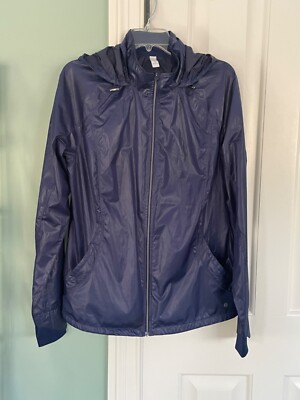
Gear audit is the quickest prep. Start with a modular packing system: one waterproof shell, one rain layer, one pair of quick-dry pants, and a compact umbrella or poncho. For monsoon packing Asia, a packable rain jacket, rain pants, and a lightweight, breathable base layer form the core. Test items at home so you aren’t surprised by fit or moisture-wicking performance in humid climates. It’s better to have a reliable kit that covers both urban rain and humid trails than to carry excess gear you won’t use. A capsule approach keeps your bag light and your options broad across cities and trails.
Creating a sensible packing list reduces weight and costs. Build a capsule wardrobe that mixes and matches across days. Include socks and underwear made of quick-drying fabrics, a couple of breathable shirts, and a moisture-resistant hat. Don’t forget a compact microfiber towel and a travel clothesline for drying on the go. Packing light funds itself: less checked luggage means lower fares and easier transit through crowded stations. Plan for laundry—hand-washing at a guesthouse or a local laundromat can stretch your clothes farther and save precious rupees or baht for experiences instead of washing fees.
Health and safety come next. Ensure your travel insurance covers rain-affected delays, medical costs, and evacuation if necessary. Carry a basic first-aid kit, rehydration packets, and a small water filter or purification tablets for reliable access to clean water. For additional tips, see trusted sources such as the CDC travel health guidelines. It’s crucial to stay informed about local health advisories and weather risks in every region you plan to visit. Bring sunscreen and insect repellent suitable for humid climates, and consider a spare pair of dry clothes for long travel days when humidity spikes.
Digital readiness makes monsoon travel smoother. Download offline maps, store essential travel documents, and synchronize a cloud backup. Keep a simple, weather-aware day-by-day plan on your phone that you can adjust as forecasts shift. In busy hubs, price tracking apps and local transit apps save time and money while avoiding crowded, overpriced options. A two-device approach—a phone for forecasts and an e-reader or tablet for maps and offline content—helps you remain flexible without sacrificing battery life in hot, rainy weather.
Mindset for monsoon packing Asia on the road
Embrace rain as part of the journey. In monsoon packing Asia, delays and detours are normal rather than exceptions. Cultivate patience and a sense of curiosity: rain can reroute plans toward charming indoor spaces, like cozy cafes, galleries, or heritage museums. That flexibility becomes your superpower, helping you keep costs in check while still meaningful, memorable experiences unfold. When plans shift, treat it as an opportunity to explore side streets, shop sellers, or try a new dish—moments that rarely appear in a rigid itinerary.
Weather-aware scheduling is essential. Start each day with a quick forecast check and a realistic plan B. Build rest days into your itinerary to recover from humid heat and heavy rainfall. Consider indoor alternatives during peak downpours, and keep activities light on days with forecasted storms. This approach preserves energy and keeps your daily spend balanced. If you’re visiting family-run guesthouses or small museums, rain can reveal hidden gems and slower rhythms that affordable travel thrives on. In these moments, your budget gains authenticity as you connect with locals rather than chase weather-dependent experiences.
Respect for locals and climate resilience matters. You’ll find markets, temples, and guesthouses wired to monsoon rhythms. Be mindful of drainage, slippery lanes, and crowded transit during heavy rain. Practicing sustainable choices—reusing water bottles, avoiding single-use plastics, and supporting community-led tourism—reduces your footprint while preserving the moody charm that defines this niche. It also helps keep your budget intact by avoiding overpriced, last-minute expenses in rain-heavy hubs. By adopting a respectful pace and a respect-for-place mindset, you’ll find that moody skies often accompany meaningful, budget-friendly discoveries rather than stress.
Preparation and mindset go together. Focus on frugal experimentation: try new street foods, ride slower bus routes, and linger in inexpensive cultural spaces. By embracing the weather and staying adaptable, you’ll preserve energy and funds for the moments you truly want to savor. The key is balancing prudence with curiosity—carry a reliable rain system while leaving room for spontaneous, low-cost experiences that define the monsoon route.
To ensure you’re ready for the road, here are quick checks worth repeating before each major move: a single waterproof layer, a breathable base layer, versatile pants that dry quickly, moisture-wicking underlayers, water-resistant footwear with spare socks, and compact rain protection for your daypack. A small power bank and travel adapter keep devices fresh, while a lightweight towel and line enable efficient drying in hostels or guesthouses. The goal is to travel light, stay comfortable, and keep your options open so you can respond to shifting weather and rising opportunities alike.
In Part 2, Gear, Packing Lists, and Practical Tips for Monsoon Travel in Asia, we’ll break down the exact gear and a sample packing list for diverse routes.
Monsoon Packing Asia: Step-by-Step Gear, Lists, and Packing Hacks
In monsoon packing Asia, you’re preparing for sudden downpours, high humidity, and fluid itineraries. The objective is to stay dry, stay mobile, and travel light without lugging a bulky wardrobe. This section delivers a step-by-step kit built for moody weather, plus practical packing lists and hacks you can reuse on every journey in 2026 and beyond.
First, assemble a core kit that prioritizes breathability, water resistance, and compactness. Then tailor the setup to your route, the season, and the pace of travel. Finally, weave in smart packing tricks that save space, time, and stress. If you follow this approach, you’ll spend less time worrying about rain and more time exploring moody streets, misty trails, and storm-tossed coastlines across Asia.
Below, we tackle essential gear, region-specific considerations, and proven hacks. You’ll find practical language you can copy into your own packing plan today. For a quick primer on the monsoon climate, check this guide from a trusted source: National Geographic travel guide on monsoon season.
Essential gear for monsoon packing Asia
The backbone of any moody, rain-ready kit is weatherproof, breathable gear that handles repeated use. Start with a packable, waterproof shell that blocks rain yet breathes when you exert yourself. Look for a jacket with sealed seams, a hood that fits over a hat, pit zips for ventilation, and a light, compressible interior lining. A rain pant or a lightweight poncho completes the rain protection system, especially in markets, crowded streets, and coastal towns where rain intensity shifts quickly.
Next, invest in clothing that dries fast and wicks moisture. Favor synthetic fabrics or merino blends over cotton, which stays damp and heavy. Base layers should wick moisture, mid-layers provide warmth on cooler mornings, and outer layers shield you from wind and rain. Color choices matter too: darker tones show less water staining and stay looking clean longer, while brighter accents help you stay visible in rainy crowds or dimly lit alleys.
Footwear matters as much as jackets. Waterproof sneakers or lightweight hiking shoes with a quick-drying mesh upper are ideal for city strolls and village trails. If you plan long stretches on slippery surfaces, consider closed-toe sandals with grippy soles for river crossings and shower breaks. Don’t forget moisture-wicking socks and spare pairs. Quick-dry socks dry overnight, reducing the chance of blisters from damp footwear.
Backpacks and dry bags are the next layer of protection. A good daypack with a rain cover protects your everyday items, electronics, and passport. Pair it with dry bags or roll-top stuff sacks to separate wet from dry gear inside the bag. Keep at least one compact dry bag inside your pack for electronics and a spare change of clothes in case you wade through a flooded area.
Electronics demand extra care in wet conditions. A lightweight, IP-rated power bank, a small, waterproof phone pouch, and a universal adapter keep devices charged and usable. Invest in a portable silicone sleeve for your camera if you shoot rain-soaked streets or misty mountains. A microfiber towel in a compact pouch helps you dry hands and gear quickly after a downpour.
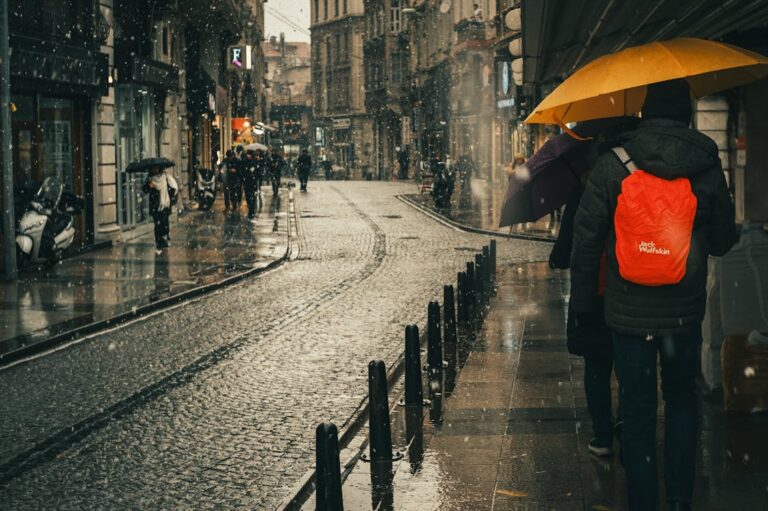
Accessories can make a big difference in damp climates. A compact travel umbrella is handy in city rain, while a packable rain cape can provide quick overhead coverage when you need to move fast. A compact scarf or buff can serve as a dust guard, sweat towel, or extra warmth. Finally, sunscreen and insect repellent remain essential year-round, especially in monsoon towns where humidity and standing water invite more mosquitos.
In sum, your essential gear for monsoon packing Asia centers on breathability, rapid-dry fabrics, reliable rain protection, and compact, smart organization. The aim is to minimize weight while maximizing protection across variable weather in multiple countries and terrains.
Monsoon packing Asia: region-specific considerations for gear and lists
Asia’s monsoon belt varies by latitude, elevation, and coastline. In South Asia, humidity intensifies and intermittent downpours recur during the monsoon window. In Southeast Asia, tropical storms and sudden showers punctuate jungle treks and city wandering. In East Asia, coastal rain and typhoon activity can affect travel plans during certain months. This means your kit should be modular: be ready to shed or add layers, swap footwear to suit terrain, and adapt to changing humidity and rain intensity. Start with the same core items and then tailor the rest to your route and season.
South Asia packing Asia: India’s monsoon season often brings heavy, fast downpours in regions like Kerala, Goa, and the Western Ghats. Sri Lanka’s rainy season can surprise you even during peak tourist months. Bangladesh features tropical downpours with high humidity, while Nepal’s hilly monsoon weather shifts quickly between warm, wet days and cooler nights at altitude. Southeast Asia packing Asia: Thailand and Vietnam experience warm, frequent showers, particularly in the southwest and central coasts. Malaysia’s rain is heavy in some months, but humidity remains high across the peninsula. Indonesia’s islands, from Java to Sumatra, bring persistent rain showers and sudden tropical downpours that demand ready rain protection and quick-drying clothing. East Asia packing Asia: the coastal belt near the Philippines and parts of southern China can see strong rain during the monsoon, while Taiwan and northern Japan experience heavier rain at different times of the year. In all cases, you’ll benefit from a modular system: a compact shell, a reliable umbrella, dry bags, and versatile footwear you can swap as needed.
To keep you aligned, every item you choose should be evaluated on three criteria: weight, packability, and performance in humidity. The gear you select should compress efficiently and remain functional after frequent use in wet environments. With the right system, you’ll minimize bulk without sacrificing protection.
Top packing lists for monsoon packing Asia by trip length
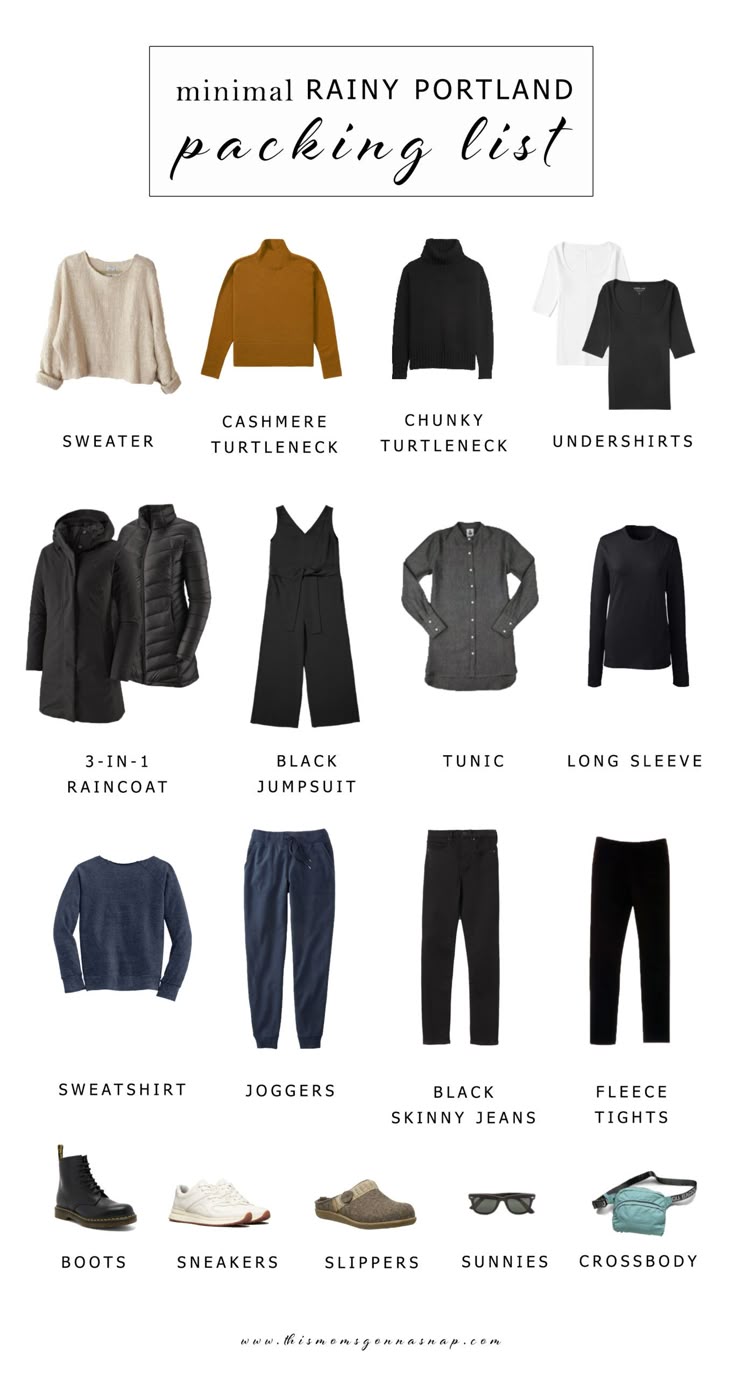
For short trips of three to five days, you can lean on a compact, highly functional kit: one breathable rain jacket, one pair of rain-ready pants, two quick-dry tops, one pair of quick-dry shorts, one pair of robust waterproof shoes, a compact umbrella, a couple of moisture-wicking socks, plus a spare T-shirt. For a week to ten days, add a second base layer, an extra pair of socks, and a second lightweight mid-layer. If your journey spans two weeks or more, you’ll want a small second set of outerwear and a second moisture-wicking top to rotate with your existing items. For longer treks, consider a compressible sleeping layer and a compact emergency rain poncho to cover gear during longer stretches of hiking or river crossings. Throughout these lengths, keep your electronics in a dry bag and your passport, wallet, and cards in a small, water-resistant pouch inside the main bag. These practices help you stay ready for sudden downpours and keep your day moving smoothly.
In addition, think about a modular layering approach. Begin with a compact base layer that can be worn under a light jacket. Add a mid-layer for the early mornings or high-altitude stops. Reserve a compact outer layer for heavy rain days when you’ll be outside for extended periods. This approach keeps you adaptable across a wide spectrum of temperatures while preserving the ability to layer up or down quickly as rain moves in and out of a region.
As you assemble your regional lists, keep a single principle in mind: always plan for the worst rainfall you expect to encounter, then scale back for the days when the weather is milder. Beyond clothing, your packing should include a compact repair kit for gear, a spare battery bank, and digital backups of important documents. The goal is to avoid last-minute shopping in busy markets operated in rain and humidity. A well-thought-out kit saves money and protects your plans from weather-driven disruption.
Packing hacks and a streamlined workflow for monsoon packing Asia
Hacks begin with workflow. Start with a compact packing list and then duplicate it for future trips. This practice saves you time in the lead-up to travel and ensures you don’t forget essential items. Begin by laying out your core gear: shell, pants, base layers, socks, and essentials for electronics. Then fill the space with quick-dry clothing, towels, and compact personal care products. Finally, slot in dry bags, packing cubes, and the emergency rain layer. The sequence helps you visualize how items fit inside your bag and reduces the chance of overpacking.
Rolling versus folding is a frequent debate. Rolling can maximize space and reduce wrinkles in quick-dry fabrics, while folding preserves organization for certain garments. A practical compromise is to roll most items while folding a few structured pieces that you want to keep crease-free. Rolling is especially effective for T-shirts, underwear, and light layers, while folding works well for one or two heavier rain layers to maintain a neat silhouette in your bag.
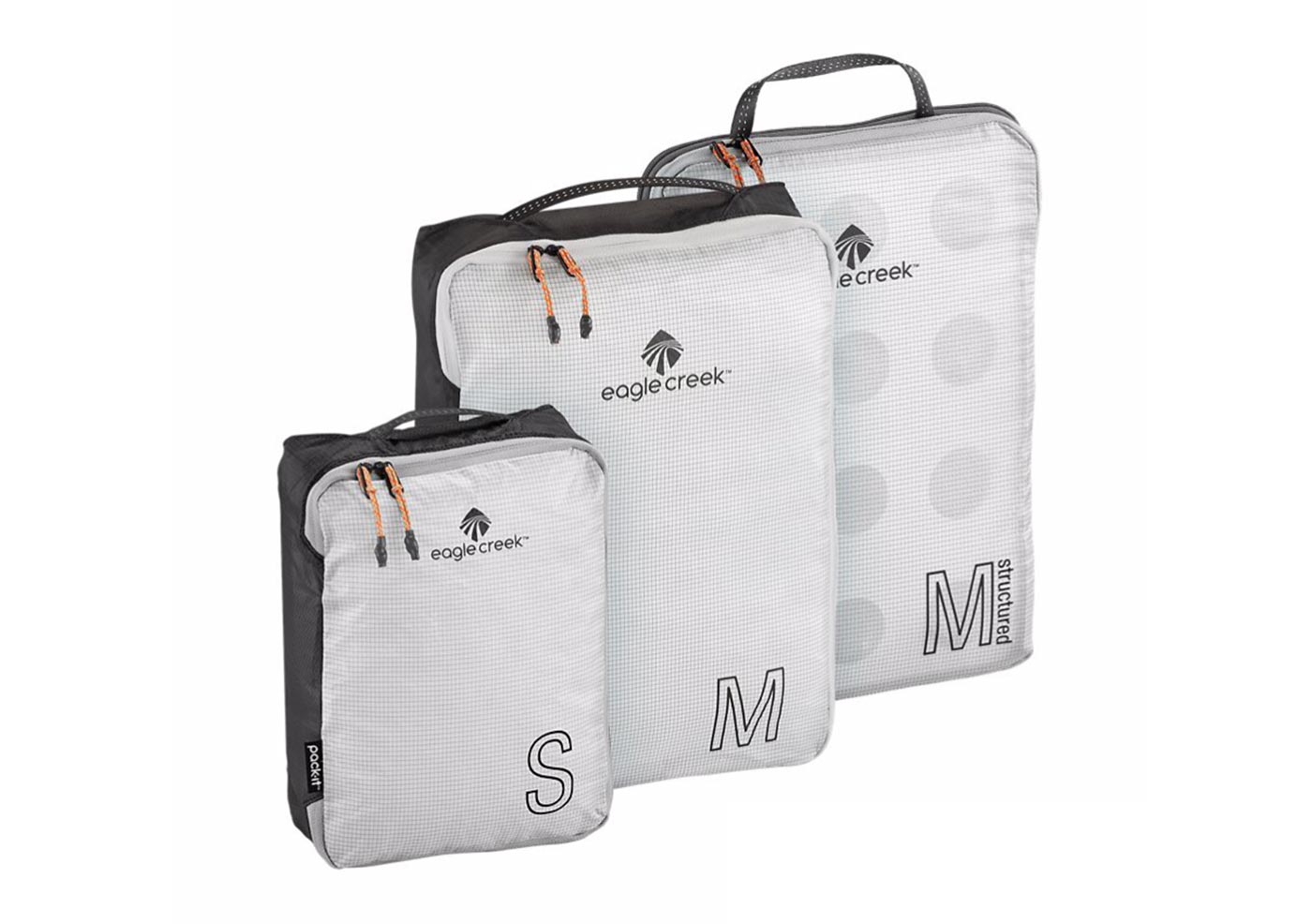
Compression and packing cubes are your friends when dealing with damp climates. Use separate cubes for dry items and damp items to minimize moisture transfer. A small cube dedicated to electronics and chargers keeps cables organized and accessible. If you travel with a larger pack, a slim packing cube can hold a compact rain cover and a spare poncho—a quick grab for sudden downpours.
Odor control is often overlooked in humid climates. Air-dry clothes as soon as you reach a dry zone, then re-pack once fully dry. If you must stay in shared accommodation between hops, consider a portable clothesline and a memo on when items were air-dried. A modest odor-control spray or sachet can help maintain freshness without overpowering fragrances in crowded guesthouses.
Maintaining a dry electronics setup is non-negotiable. After using devices in the rain, allow them to dry completely before recharging. A simple habit, but it prevents corrosion and reduces the risk of short circuits. Finally, keep a small, quick-tick checklist in your bag to verify you have your passport, cards, adapters, and a backup power source before you leave a hotel or guesthouse. A few minutes of review can save hours of stress at the border or station.
Region-specific packing strategies for monsoon packing Asia
South Asia packing Asia: India, Sri Lanka, and nearby regions demand careful humidity management and rain protection at all times. In India, monsoon showers may come without warning in many areas, so a reliable rain shell and a fast-dry pair of pants are indispensable. Sri Lanka’s climate blends rainforest humidity with tropical showers, making breathable fabrics and quick-dry footwear essential. Bangladesh features intense humidity with frequent downpours; a compact umbrella and sealed pockets become practical. Nepal’s mid-hills require a different approach: a light rain shell, warm mid-layer, and waterproof footwear for slippery trails near altitude are crucial. Southeast Asia packing Asia: Thailand’s monsoon season often features heavy rainfall in the afternoon, so plan outdoor days with a morning window of clear weather. Vietnam’s coast and inland regions experience variable showers, making layering and rapid drying key. Malaysia requires rain protection tuned to humidity and frequent downpours on the peninsula. Indonesia’s islands present persistent humidity and sudden rain showers; choose a system that dries quickly and stores damp items safely in a dry bag. East Asia packing Asia: the southern reaches of China and the Philippines can experience heavy rain regimes, especially during typhoon season. In these areas, a compact, weather-ready umbrella combined with a breathable shell supports activities from market hopping to ferry rides in stormy seas. Across all regions, you’ll benefit from a modular system: a compact shell, a packable poncho, a dry bag, and versatile footwear that adapts to terrain and rain intensity. These regional notes help you tailor your core gear list to your route without overpacking.
Practical check-in: your storm-ready kit should occupy a small portion of your bag while leaving enough room for travel documents, a compact camera or smartphone, and a water bottle. Always designate a small, waterproof compartment for wet items to avoid dampening the rest of your gear during transit. Finally, be mindful of local customs and climate advisories in each country. When in doubt, scale down the non-essentials and keep your core rain protection and moisture-wicking layers within easy reach.
Health, safety, and humidity control in monsoon packing Asia
High humidity and wet conditions can affect both you and your gear. Hydration is essential, so carry a lightweight electrolyte solution, especially in hot, humid zones. Protect against heat fatigue by staying shaded and sipping water regularly. The risk of rain-related slip hazards is higher in monsoon towns, so tread carefully on slick pavements and during river crossings. For safety, keep an emergency contact card and a digital backup of passports and important documents stored in a cloud or encrypted drive. Humidity control matters for your belongings too. Use moisture absorbers or silica gel packets inside your dry bag to minimize moisture buildup, and ensure your housing options have good ventilation to prevent mold growth. With proper care, you can keep your gear in peak condition and avoid humidity-related gear failures.
Finally, monitor local weather patterns and road conditions. Monsoon systems shift quickly, and travel plans can change within a day. Build flexibility into your itinerary, so you can pause a trek during heavy downpours or switch to indoor activities like markets, museums, or cooking classes when the rain is relentless. Flexible plans save time, reduce risk, and preserve your mood for moody days in rain-soaked Asia.
Packing workflow and a sample day-by-day plan for monsoon packing Asia
A typical day begins with a quick check of the forecast, followed by an organized packing routine. In the morning, you select a breathable base layer, a mid-layer for cooler rides, and a rain-ready outer layer. You pack the essentials into a compact daypack, check a small dry bag for electronics, and ensure your passport wallet is accessible but secure. After the day’s exploration, you air-dry clothes in a dry space and place any damp items into a dry bag to minimize carry-over humidity. In this workflow, your bag remains efficient and easy to manage, allowing you to adapt to sudden showers or sun breaks with confidence.
For a week-long loop across a few towns, you might keep a compact kit: two moisture-wicking tops, two lightweight bottoms, one pair of rain pants or a poncho, a breathable rain jacket, two pairs of socks, and one spare underlayer. Add a small towel for quick dries, a compact umbrella for city streets, and a durable waterproof shell for stormy days. If you’re staying in guesthouses or hostels, ensure you have a dry area where you can dry items between hops and store wet laundry separately. To minimize waste, reuse items where possible and wash clothes in the evenings to keep pace with the climate. This approach helps you stay fresh and functional without overloading your pack.
In terms of total weight, aim for a pack that stays below 7–9 kilograms for a multi-country route with varied terrain. This range keeps you agile on buses, trains, ferries, and walking trails, while still carrying the critical gear for rain, mud, and humidity. Keep in mind that monsoon packing Asia is about preparedness, not redundancy. Your kit should surprise you with its simplicity and reliability rather than overwhelm you with gadgets you never use.
One more practical note: you will want a single, compact place in your bag to store essential documents and a small amount of cash for market purchases. A separate compartment for wet clothes or a damp item ensures you never step off a ferry or bus with damp gear touching your clean clothes. These tiny organizational details pay dividends when you are navigating crowded modes of transport during heavy rain or when you need to conserve space while in transit.
As you finalize your plan, remember that gear is only part of the equation. Your mindset, flexibility, and willingness to adapt to weather conditions determine your success in moody monsoon travel. The right attitude—staying calm, seeking shelter when necessary, and enjoying the rain as part of the experience—will define your journey as much as the gear you carry.
In the next section, Part 3 will dive into region-by-region itineraries and budget-conscious strategies for moody monsoon travel across Asia, revealing concrete route ideas, seasonal timing, and money-saving tips that complement the packing framework outlined here.
Advanced Monsoon Packing Asia Strategies for Adventurous, Moody Travel
In monsoon packing Asia, strategy meets mood. This final section delivers field-tested tactics to maximize comfort, safety, and spontaneity while navigating rain-soaked landscapes. You’ll find practical guidance on fabrics, gear, packing systems, itinerary planning, and on-the-road maintenance that keep you adaptable, never slowed by weather. The goal is clear: travel light, stay dry, and embrace moody journeys with confidence as you explore moody Asia during its rain-bright season.
Master Moisture: Fabrics, Layering, and Drying On the Road
Moisture management is the backbone of moody travel. Opt for quick-drying fabrics that shrug off sweat and rain. Merino blends, lightweight polyester, and compact nylon shells are reliable, breathable options. Avoid cotton next to skin in downpours; it soaks and stays damp, which can lead to chafing and discomfort. Build a three-layer system: a breathable base layer, a moisture-wicking midlayer, and a waterproof outer shell. In practice, switch to a lighter layer when the day warms, and add insulation only if evening temperatures drop. Pack two base layers so you can rotate while one dries. Treat garments with a temporary water-repellent spray before departure, and reapply after river crossings or market sidestreets. When washing on the road, prioritize fabrics that dry within a day. Designate a corner of your pack for damp clothes to prevent dampening dry items. Ultimately, flexible fabrics give you the freedom to move from humid markets to temple visits without missing a beat.
Fabric Choices: Quick-Dry vs Wool
Quick-dry synthetics excel in humidity and rain. Lightweight wool remains warm when damp and dries reasonably fast, making it a strong secondary option for evenings. Rotate a small wool layer with synthetic pieces to balance warmth and dryness. For socks and underwear, select blends that wick moisture and resist odor. This approach reduces bulk while preserving comfort throughout moody days.
Drying On the Road
Create a tiny drying station in your accommodations: a window with airflow, a clothesline, and a small fan if possible. Prioritize items that can air-dry overnight. Light items Dry faster than heavy ones; air them near a fan or ventilated area. If space is tight, hang damp items over chairs or rails to maximize air exposure. These habits preserve fabric integrity and extend the life of your gear, which is essential when monsoon packing Asia means frequent changes in location.
Rain-Savvy Gear: Footwear, Outerwear, Backpacks, and Dry Bags
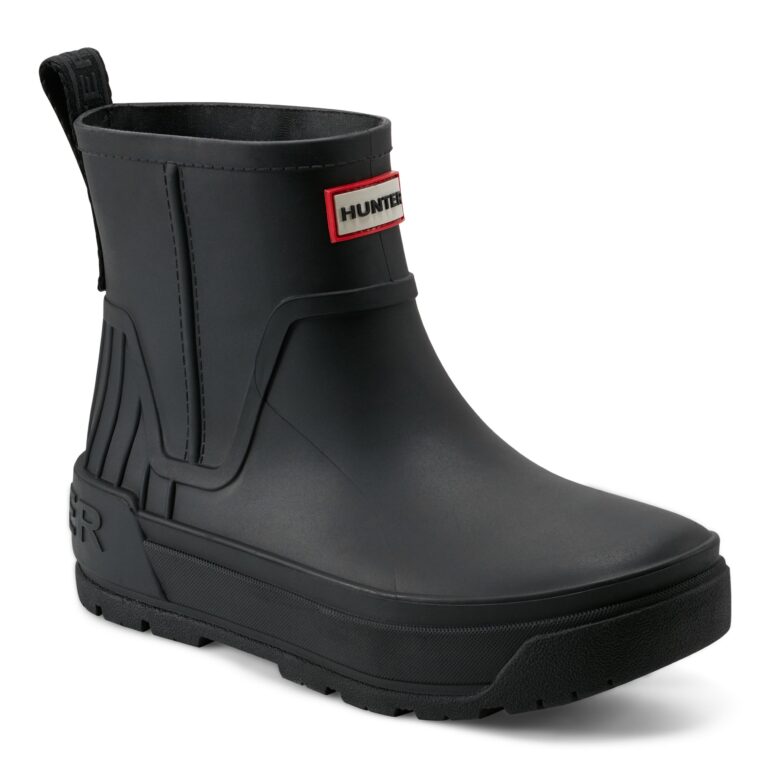
Gear choice matters more when monsoon winds blow across megacities and rural paths alike. Choose footwear that stays grippy and comfortable across slick stone, muddy trails, and wet streets. Waterproof sneakers with breathable membranes are a balanced option for urban exploration; for rugged treks, consider waterproof hiking boots with good drainage and quick-drying uppers. Pack a compact pair of sandals for hostel showers, river crossings, and quick-dry moments between downpours. Outerwear should include a lightweight, packable waterproof jacket with an adjustable hood and good underarm venting for comfort. Add a breathable rain poncho only if you tolerate heat; ponchos can trap moisture and hinder movement in crowded areas. For backpacks, select a weatherproof model or one with an integrated rain cover. A hydration sleeve and easy-access pockets improve daily efficiency during sudden showers.
Dry bags are non-negotiable for electronics and clothes you want to isolate from damp air. Always seal cameras, phones, and chargers inside a dry bag before tucking them into the main compartment. Carry a compact umbrella as a courtesy for fellow travelers and to shield you during fleeting sun breaks. Finally, consider a lightweight pack liner to seal your entire kit from exterior moisture during heavy rain.
Packer’s Toolbox: Packing Systems that Scale
A disciplined packing system saves time and reduces bulk during moody travels. Use modular packing cubes to separate wet, dry, and quick-dry items. Roll clothing to minimize creases and maximize air circulation; this also makes compression easier in tight spaces. Develop a ritual: upon arrival, lay out essentials, then place seldom-used items at the bottom. This speeds up drying and makes everyday packing faster. For longer trips, reserve a dedicated rain kit zone in your luggage with a microfiber towel, a small clothesline, and a quick-dry towel. A rainproof backpack liner and a slim rain cover for your daypack can be lifesavers during sudden squalls and crowded streets. In addition, test a compact, lightweight compression bag once before departure to ensure it doesn’t overstrain your zippers when heavily loaded.
Monsoon-Ready Itinerary Planning: Timing, Flexibility, and Local Weather Windows
Smart itineraries in monsoon Asia must anticipate rain, not resist it. Target inland or highland areas during lighter rainfall windows if possible, and keep buffer days around major outdoor plans. Build a flexible day-by-day plan with contingency options like museums, markets, cooking classes, or temple circuits when outdoor activities are interrupted by downpours. Monitor forecasts from reputable sources and align activities with short dry spells or known climate patterns. Local knowledge matters: in South Asia, river crossings and trekking routes may change during heavier downpours; in Southeast Asia, river trips can be swapped for sheltered cultural experiences during peak rain. For weather awareness, rely on trusted meteorological resources such as NOAA’s monsoon overview, which helps travelers anticipate regional shifts and adjust plans accordingly.
Tech, Power, and Protected Gadgets: Electronics in Humid Environments
Protect electronics with IP-rated gear and ready-to-deploy rain covers. Carry a power bank with enough capacity to recharge a phone and camera at least once daily. Seal batteries, phones, and chargers in dry pouches inside a dry bag for extra protection. If you’re into photography, pack a compact waterproof camera or a housing for your main camera. Keep spare batteries and adapters dry, and consider a solar charger for routes with limited outlets. Humidity and fog can threaten lenses; carry microfiber cloths and lens wipes to maintain image quality. A small, quick-dry towel keeps equipment dry after rain-drenched shoots and helps you stay comfortable between locations.
Health, Hygiene, and Mold Management in Humid Climates
Humidity fuels mold and mildew in clothes, shoes, and shelters. Dry towels and moisture-absorbing sachets help, but prevention matters most. Dry gear in well-ventilated spaces, even if it takes longer. After river crossings or rain-assisted adventures, wash clothes promptly and hang them away from direct sun to protect colors and fabric integrity. A compact hygrometer helps you monitor room humidity when choosing hostels or guesthouses. Use breathable, quick-dry underwear and avoid overpacking socks, which can become damp and cause discomfort. Brush teeth with bottled water in remote places and rinse water bottles after use. Carry a small first-aid kit with antiseptic wipes and anti-fungal powder to prevent skin issues in warm, humid climates.
Budget and Value: Smart Moons for Moody Travel
Monsoon packing Asia is as much about value as gear. Choose versatile pieces that layer well and can serve multiple roles. A compact rain shell can double as a windbreaker; a scarf or large shawl can become a towel or lightweight blanket. Shop during shoulder seasons or at local markets where prices are lower, and avoid premium retailers that charge a premium for novelty items. Consider repairing gear instead of replacing it; many small tears can be mended with a basic sewing kit. Traveling light reduces transport costs and time spent at airports, and lowers risk of bag loss during downpours. In summary, a lean, well-structured system improves your moody journey’s value without sacrificing comfort.
Real-World Scenarios: Case Studies from Asia’s Monsoon Regions
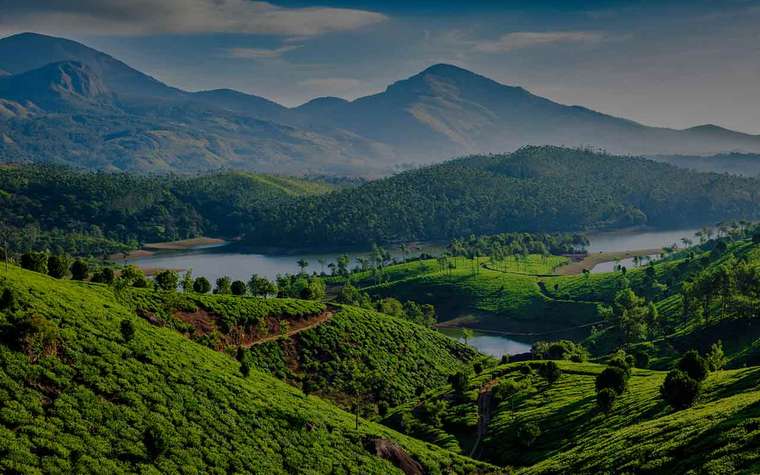
Scenario A: Kerala and Karnataka in monsoon season. A rain jacket, quick-dry trousers, a compact umbrella, and a dry bag for electronics create a flexible base. Most days blend temple visits, tea farms, and backwater trips with sudden showers. The packing approach emphasizes dry zones, quick-dry fabrics, and adaptable day plans. Scenario B: Vietnam’s Central Highlands and Hue. Layered clothing, a hooded rain shell, water-resistant boots, a microfiber towel, and a fold-away clothesline enable rapid drying and easy packing. Multiple dry bags and a lightweight warm layer cover cool evenings. Scenario C: Nepal’s monsoon valleys. A durable waterproof shell, gaiters, quick-dry trekking pants, and a compact shelter support a river-to-mountain trek. A lightweight emergency shelter tucked in the top compartment adds security. These stories illustrate how careful packing shapes the moody journey and ensures you stay mobile in varied weather.
The On-the-Go Rain Kit: Essentials You Never Leave Behind
Keep a compact rain kit within easy reach. Include a microfiber towel, a collapsible clothesline, a compact rain poncho, a spare battery, a charger cable, and a power bank. Add antimicrobial wipes, a universal travel adapter, and a lightweight umbrella. A quick-dry towel is indispensable after splashes before boarding trains or buses. These essentials reduce downtime and protect electronics while you roam through rain-swept streets and markets.
Maintenance and Quick-Dry Solutions: Drying, Washing, and Storage
Nice drying spaces are rare on the road. Seek guesthouses with balconies or laundry rooms; if not available, use a sun- and wind-friendly setup near a window. Use a clothesline and hangers to maximize airflow. Wash items at the end of each day or every two days to prevent odor and mildew buildup. Pack a small scrub brush to remove mud from jackets and boots. After drying, store gear in a dedicated dry bag to keep damp items separate from dry ones.
In conclusion, monsoon packing Asia demands thoughtful gear, flexible itineraries, and a calm, moody mindset. By embracing moisture-ready fabrics, rain-smart gear, efficient packing systems, and practical safety strategies, travelers can explore monsoon Asia with confidence and ease. The moody season becomes an invitation to deeper cultural immersion, dramatic landscapes, and memorable adventures. If you’re ready to elevate your trips, start applying these advanced packing strategies today and plan your next moody journey across Asia. For more insights and gear recommendations, subscribe to RainyRoutes.com and join the Moody Packers community.
Conclusion: Ultimately, monsoon packing Asia is about preparation, adaptability, and embracing moody travel with confidence. Ready to start your moody journeys? Subscribe to RainyRoutes.com for ongoing guidance, gear reviews, and destination-specific tips that keep you dry, comfortable, and inspired—every step of the moody way across Asia.