Misty Ireland Travel: Wet-Weather Adventures Guide
Misty Ireland travel is a celebration of drizzle, texture, and emerald landscapes seen through rain-saturated air. In 2026, this niche continues to grow as travelers chase moody light and the fairytale feel of fog-drenched coastlines, misty mornings, and candlelit towns. If you’re chasing the magic of mist and music in the drizzle, welcome to Misty Ireland Travel Essentials for Wet-Weather Adventures, your go-to guide for packing, planning, and navigating the island when the clouds won’t clear. This article embraces RainyRoutes’ Mystic Outlands ethos and the adrenaline of year-round exploration—without sacrificing comfort or safety. Whether you’re chasing sea stacks along the frigid Atlantic, sipping hot whiskey in a candlelit cafe, or tracing water-dark trails through national parks, the right gear and mindset turn damp days into unforgettable experiences. For misty Ireland travel lovers, the journey starts with smart preparation and a willingness to lean into the weather rather than fight it.
Misty Ireland Travel Essentials: Why misty Ireland travel matters in 2026
In 2026, misty Ireland travel isn’t about avoiding rain; it’s about embracing it as a feature of the landscape. The fog softens cliffs, the rain writes new textures into stone, and the air takes on a mineral, almost magical clarity. Therefore, this section explains why the mood matters as much as the mile. The Misty Ireland travel aesthetic rewards travelers who pace themselves, value warmth as much as waterproofing, and choose environments where moody light amplifies storytelling—coastal headlands at dawn, mossy forest floors after a shower, and coppery autumn towns under silver skies. In addition, the trend toward mindful, slow travel fits this niche perfectly: you stay longer, you listen deeper, and you support local communities that thrive year-round, rain or shine. Crucially, you’ll notice that the right kit returns more than dry clothes; it returns confidence, ease, and the freedom to explore hidden corners that are quieter when the heavens open. This section frames the mindset that guides every decision from packing to pace to pause. Misty Ireland travel rewards patience, deliberate pacing, and a willingness to shift plans with grace rather than frustration. Therefore, you’ll learn to see weather not as an obstacle but as an ally, shaping routes, photos, and memories that feel uniquely Irish. In practice, that means choosing shelters, cafés, and viewpoints that honor the rain—places where you can linger, observe, and let the weather write the story alongside you.
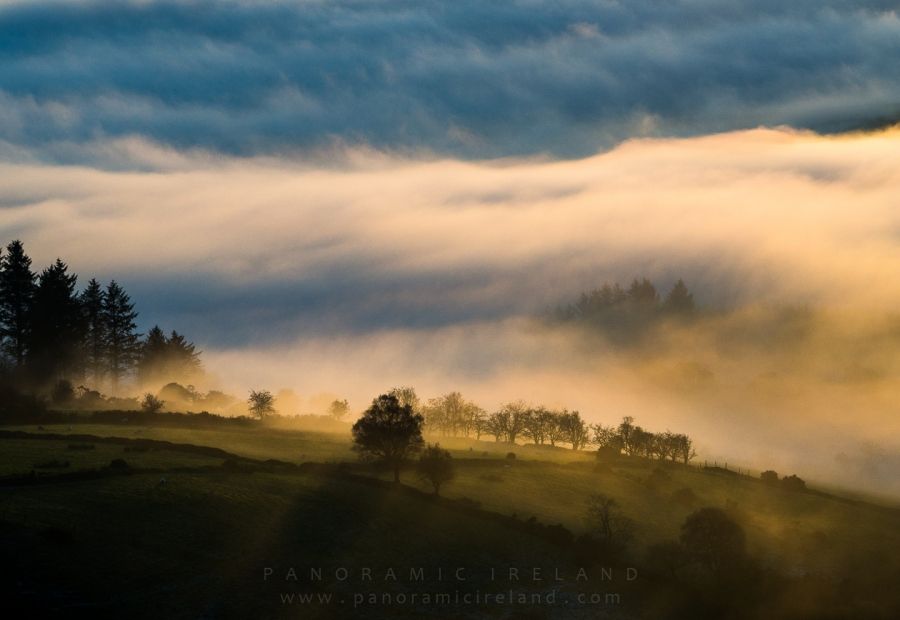
Historically, rain was an impediment; today it is the rhythm of the island. Misty mornings reveal your first view of dunes, bogs, and bays with a softness that only damp air can deliver. Hence, the value lies in how you move through it: quiet, prepared, and curious. This readiness transforms a damp day into a day full of texture, scent, and light that shifts with every hour. If you want to capture dramatic photographs, the weather becomes your collaborator, not your adversary. And if your mood leans toward comfort, you’ll still find it here—cozy pubs, wood-fired bistros, and warm riverside lodges that pair perfectly with weather-watching. In short, misty Ireland travel is an invitation to notice how a place looks when the rain writes the foreground and the wind sketches motion across the horizon.
As you read on, you’ll discover a practical packing framework, weather-wisdom practices, and itinerary ideas that make the most of damp days. The aim is clarity, not complication: a lean gear list, smart layering, and routes that maximize mood over mileage. To begin, here is a compact truth: the best experiences come to those who prep for the rain with intention and ease. Therefore, the following sections will help you translate that philosophy into real-world choices—without slowing you down or spoiling the fun. Finally, a note on sustainability: embrace responsible, low-impact travel that respects landscapes and communities, so misty Ireland travel remains radiant for years to come.
To begin your practical journey, you will find a clear packing schema, weather-reading guidance, and recommendations that honor both comfort and adventure. For additional weather briefs that sharpen your plans, consult Met Éireann’s official forecasts and alerts at Met Éireann.
Pack smart for misty Ireland travel: a proven wet-weather packing list
Effective misty Ireland travel starts with a packing list that stays light, flexible, and appropriately layered. Therefore, this section presents a practical framework you can customize by season, region, and pace. The goal is to keep you warm, dry, and mobile so you can chase cliffs, forests, and ports without feeling burdened by weather gear. In addition, a smart kit protects electronics, preserves spare clothes, and enables you to capture moody light without hesitation. The following subsections break down the essentials into approachable building blocks, so you can assemble a kit that fits your style and the nature of your trip. Misty Ireland travel thrives on ready-to-go systems that quicken transitions between viewpoints, cafés, and trails, while staying comfortable in drizzle, mist, and light rain.
Base layers and moisture management
Base layers should wick moisture and maintain warmth when damp. Merino or high-quality synthetics work well for long days outdoors. In addition, pack lightweight thermal tops for early starts and late sunsets. The aim is to stay warm when wind and spray chill you, while avoiding overheating when you move. Therefore, choose breathable fabrics that dry quickly and layer them with midweights as needed. Keep a spare crew or long-sleeve shirt to rotate through your day. Misty Ireland travel benefits from a system that adapts to microclimates, so you can shed or add layers in seconds rather than overhauling outfits.
Outerwear and waterproof systems
Outerwear is your shield and your second skin. A breathable, fully waterproof shell is essential, as is a mid-layer for insulation. A two-layer approach (waterproof shell plus insulating mid-layer) gives you flexibility in variable Irish weather. Therefore, prioritize seams, zippers, and cuffs that keep rain out while allowing airflow. A compact rain jacket or lightweight parka can be enough for lighter drizzles, while a heavier shell works for coastal winds. In misty Ireland travel, the best system remains adaptable rather than bulky, so you can move with ease on slippery paths or crowded city streets. In addition, consider a packable shell that stows away when indoor warmth calls.
Footwear and traction
Footwear is non-negotiable. Waterproof hiking boots with good lug tread provide grip on wet cobbles and muddy trails. If you expect streams or frequent spray from waves, bring a second, lighter pair of waterproof shoes for changeovers. Clean socks that stay dry between stops prevent blisters and cold feet. Therefore, test your footwear in advance and break them in before long walks. A small boot care kit helps you maintain grip and longevity on sopping surfaces. Misty Ireland travel rewards traction as much as dry comfort, so do not skip this essential part of your kit.
Backpacks, dry bags, and packing aids
Weatherproof storage keeps electronics and documents safe. A waterproof backpack cover plus dry bags for electronics and clothes is a simple, reliable solution. For day trips, a compact roll-top dry bag inside your pack protects valuables from rain and spray. In addition, use ziploc-shielded pockets or internal pouches to segregate electronics from damp surfaces. Misty Ireland travel benefits from thoughtful organization: it minimizes rummaging rain-soaked items and speeds up transitions between activities. Therefore, allocate space for a compact first-aid kit, a small towel, and a compact power bank to keep devices charged on long coastal walks.
Accessories for drizzle days
A brimmed hat, gloves, scarf, and gaiters can be surprisingly useful in persistent drizzle, particularly on coastal winds and open ridges. However, avoid oversized setups that trap heat on mild days. Instead, favor lightweight accessories that you can pack away when indoors or when the sun pops out briefly. In addition, a compact umbrella can be handy in slow drizzle, but you’ll often find a hood to be a more practical shield against mist and spray in Irish weather. Misty Ireland travel thrives when you balance protection with mobility, so tailor accessories to your itinerary and comfort threshold.
As you finalize your packing, remember that the goal is to stay flexible and dry without slowing you down. For weather-proofing tips, keep this quick rule in mind: if you cannot easily deploy gear with one hand on a windy day, rethink its size or weight. This keeps you nimble when you switch from cliff-top walks to indoor refuges. For weather-ready ideas and brand-neutral guidance, consult the official Irish weather service at Met Éireann.
Weather wisdom for misty Ireland travel: reading Irish skies
Weather wisdom in misty Ireland travel starts with understanding local patterns. The Atlantic fronts move quickly, and microclimates can flip within a mile. Therefore, learn to read a forecast in terms of wind direction, humidity, and sea state rather than only temperature. In addition, fog banks may roll in suddenly, creating magical views or closing coastal paths. By recognizing these cues, you can choose viewpoints and shelter spots that maximize mood without risking safety. Crucially, Irish weather rewards flexibility, so be ready to alter plans to stay warm and dry while still chasing dramatic light. For many visitors, slow mornings and dynamic afternoons yield the best mist-washed photographs and memories.
Forecast interpretation is more than checking the hourly lane on a phone screen. It is about visual cues: a silver morning lighting a shoreline; a curtain of rain rolling in from the Golden Vale; a mist creeping over forests in Connemara. Therefore, pair forecasts with real-time observations: cloud cover, wind gusts, tide states, and noticeable shifts in humidity. By combining tools and senses, you gain confidence to pursue a broader set of experiences—from sheltered forest trails to dramatic coastal cliffs where rain adds atmosphere rather than hindrance. In addition, the following planning tips help you align your day with the sky: start with indoor activities or flexible routes in the morning, reserve longer drives for when visibility improves, and always know the closest shelter options along your route. For those who want a practical forecast anchor, the Met Éireann page remains a reliable reference for alerts and regional forecasts.
When it comes to transport in wet conditions, clarity is king. Train and bus timetables can shift with swollen roads, and coastal ferries may cancel with heavy spray. Therefore, keep a buffer in your day for transport delays and optional indoor experiences. A well-timed café stop or public museum can maintain your momentum while you wait for the weather to shift. In essence, weather wisdom in misty Ireland travel is about pairing patience with practical choices, so you can savor the mood without compromising safety.
Itinerary planning and safety for wet-weather adventures
Wet-weather itineraries reward structure and a sense of place. Therefore, this section outlines planning principles that help you balance outdoor exploration with indoor retreats. Start by identifying your non-negotiables—coastal viewpoints at dawn, forest walks after rain, or city streets with conversation-worthy cafes. In addition, map your route to include a mix of sheltered points and open vistas. Misty Ireland travel shines when you shift plans to maximize mood rather than miles. The idea is to create a flexible skeleton you can fill with delightful, weather-appropriate experiences. For example, a coastal drive can become a series of short stops at viewpoints with quick walks, punctuated by lunch in a warm pub, and followed by an evening visit to a gallery or bookshop. Cruci ally, this approach protects you from fatigue and drizzle fatigue while keeping the adventure thymed with atmosphere. Therefore, plan for 2–3 indoor options per day and 1–2 outdoor blocks, expanding or contracting the schedule as weather dictates. Indoor opportunities might include heritage centers, artisan studios, or candlelit eateries that provide shelter and storytelling while rain drums on windows.
Key safety considerations include waterproofing electronics, staying on marked paths, and respecting closures during storms. Always carry a compact poncho or wrap in your daypack for sudden showers on cliffs or moorlands. For coastal routes, monitor sea state and wind direction, and avoid exposed summits when spray and gusts threaten balance. In addition, tell someone your rough plan and expected return times, especially when you rely on remote trails. And remember, elevating your comfort with a reliable shelter, warm drink, and a dry change of clothes can turn a soggy day into a memorable one. Misty Ireland travel rewards those who trade haste for patience while maintaining a safety-first mindset.
To keep planning practical, include sheltered alternates such as galleries, castles, or coffee houses with good lighting and character. In addition, prioritize routes with known escape options in case of heavy rain. This approach helps you maintain momentum without feeling stranded. If you are traveling with kids or older travelers, incorporate more frequent breaks and shorter leg stretches to keep spirits high. Finally, always have a small emergency kit in your bag—flashlight, whistle, and a compact first-aid kit can make a big difference in adverse conditions.
Local etiquette and sustainable travel in misty Ireland travel
Local etiquette emphasizes respect for landscapes, communities, and the ever-changing weather. Therefore, approach trails, cliffs, and bogs with care, sticking to established paths to protect delicate ecosystems. In addition, practice Leave No Trace principles even on damp days when soil becomes particularly vulnerable to compaction and erosion. Misty Ireland travel is about integrating into local rhythms—pause in small towns, support regional producers, and choose experiences that benefit communities in all seasons. Cruci ally, sustainable choices extend beyond gear and routes; they shape how you interact with locals, how you consume food and drink, and how you honor cultural sites that welcome drizzle-worn visitors. This mindful approach ensures that Ireland’s weather remains a source of wonder rather than a burden for locals or habitats.
To reinforce responsible practices, carry a compact refillable bottle, minimize disposable waste, and opt for locally owned accommodations that emphasize comfort and culture during off-peak months. In addition, consider slower, purpose-driven itineraries that allow you to experience more of the Misty Ireland travel mood without straining resources. This approach helps sustain the vibe of the island—cozy hearths, friendly locals, and landscapes that look like an oil painting when the rain arrives. For a broader perspective on respectful, year-round travel, keep engaging with local guides who can offer seasonal insights and hidden gems that suit wet weather.
To continue your journey, stay tuned for Part 2: Choosing Misty Ireland Travel Routes and Wet-Weather Itineraries.
Plan Your Misty Ireland Travel: A Step-by-Step Wet-Weather Itinerary
This section translates the concept of misty Ireland travel into a practical, weather-resilient plan. You’ll follow a step-by-step itinerary designed to maximize moody scenery, cozy interior moments, and accessibility when rain or wind rearranges plans. Each day blends emblematic outdoor routes with sheltered, restorative pauses so you can savor the drama of the landscape without getting sidelined by a shower. The goal is to keep momentum, curiosity, and comfort high from dawn to dusk as you chase the soft, atmospheric light that only fog, rain, and low sun can deliver.
misty ireland travel kickoff: Dublin as the gateway to moody coastlines
Day one in Dublin sets the tone for misty Ireland travel. You arrive and step into a city that wears its weather like a badge of character. In this first leg, prioritize indoor experiences that reward slow observation and warmth. Begin with a morning visit to a stately indoor landmark. The Book of Kells housed at Trinity College offers a window into Ireland’s medieval artistry, while the adjacent Long Room veranda invites quiet moments and a chance to hear the drizzle tapping on glass. Specifically, you’ll feel the city’s heartbeat in intimate galleries and literary cafés that invite lingering conversations and hot cups of tea.
Then drift to a second floor or warmly lit corner where you can study modern Irish art or historical photography, pausing only long enough to consider the way rain skims off the River Liffey outside. The afternoon should balance a brisk, protecting walk along the riverside with stops at sheltered pubs that excel in mood and draft-chilled conversation. In the evening, seek a restaurant with a view that welcomes you to observe the city’s mood as it shifts from dull to glistening after a curtain of rain. This cadence—indoor discovery, then a riverfront stroll when the weather lightens—frames misty ireland travel as a dance between shelter and exposure.
Beyond the city, the plan calls for a masterclass in micro-adventure: a short drive to one of Dublin’s many nearby green spaces if weather allows, or a second evening in a cafe that celebrates slow tasting menus and quiet moments. It’s about building confidence in the rain, learning when to push and when to pause, and reminding yourself that intention and pacing are as important as any sight. For real-time forecasts and alerts, check Met Éireann forecasts at Met Éireann.
Day 2–3: Wicklow Mountains and Glendalough—misty landscapes with warm interiors
The next phase centers on Wicklow’s misty grandeur. Morning light rarely holds in these uplands, so your best strategy is to begin with a sheltered walk that still delivers drama. A short circular route around Glendalough’s Upper and Lower Lakes provides a moody, cinematic experience. The rain-washed meadows, peat-stained waters, and mossy stones create photos that feel as if they belong to a fantasy novel. If the weather is too tough for long trails, shorten the walk and lean into the weather’s atmosphere by stopping in a stone tower near the lakeside to observe how wind carves the clouds and lifts the surface into shimmering patterns.
For the travel-day rhythm, keep a flexible plan. After the hike, retreat to Powerscourt Estate or a nearby tea room where an open fire or a conservatory offers a place to decompress, reflect on the scenery, and plan a coastal drive along the eastern flank. Along the way, you’ll pass gingerly through towns where craft shops showcase aquarelle tones of damp stone, and you can pick up a warm, local soup or a warm scone to fortify yourself against the chill. The core principle remains consistent: let the weather write your route while you keep comfort close at hand.
To sharpen your misty ireland travel strategy, note that a misty day on these routes often yields the best color: the hills glow with a muted green, the lakes reflect a silver-gray sky, and every tree is a silhouette against a pale, luminous backdrop. You may discover a hidden courtyard café with a chalkboard menu, a musician’s small venue tucked behind stone walls, or a museum gallery that feels small and intimate in the rain. These indoor refuges become anchors during damp excursions and help you maintain momentum without fatigue.
Speed and pace matter. This portion of the journey rewards short, purposeful detours rather than long, single-shot treks. The aim is to experience the landscape’s mood while staying sheltered enough to feel secure and comfortable. For ongoing weather updates, keep an eye on forecasts and plan contingencies for wind, mist, and heavier showers. If you need a quick seasonal reference, you’ll find reliable regional insights at Met Éireann and local visitor centers that tailor advice for misty hiking.
Day 4–5: The Ring of Kerry under a veil of mist—coastlines, cliffs, and sheltered corners
The Ring of Kerry offers dramatic coastal scenery that responds beautifully to mist and spray. Start with a dawn drive toward the Iveragh Peninsula; the road hugs the coastline, and the mood of the sea changes as the cloud layer shifts. The day’s structure favors short, scenic stops rather than long, exposed stretches. Pause at Muckross House and Gardens for a sheltered stroll that blends architectural elegance with green, damp gardens. Torc Waterfall becomes a powerful focal point if the weather permits, and a quick walk behind the fall can feel transformative when the mist is dense.
As the day unfolds, you’ll want to sample small towns along the coast that lean into the mist with distinct character. Local bakeries and tea rooms become essential because they provide nourishment without forcing you onto the open deck if the wind picks up. Evening plans should include a coastal inn with a warm hearth and a view toward the sea, so you can watch the light shift across the water while the rain taps the roof. The goal is to savor a sense of place that grows stronger in wet weather and to protect your energy for the next morning’s discoveries.
If you’re chasing iconic vistas and tighter schedules, consider a morning drive to Staigue Fort or a quick venture to Derrynane Abbey. The key is to balance exposure with shelter and to lean into the coast’s raw character as weather shifts. Always check local forecasts before leaving a sheltered spot; if the forecast forecasts a lull, you may be rewarded with a clearer view of the Atlantic’s endless gray. For practical planning, a reliable online forecast and a quick local briefing from a pub or shop can save you precious time.
Supplement your plan with practical tips: move at a comfortable pace, wear waterproof layers, and protect photo equipment with weather-sealed bags. The experience is not about racing through the Ring of Kerry, but about letting the mist guide you from viewpoint to viewpoint while refuges keep you ready for the next mood shift. Include a brief online pause to check a weather app and then decide whether to push for a coastal overlook or return to a sheltered café for a warm drink.
Day 6–7: Cliffs of Moher, the Burren, and Connemara—stone, sea, and sky in conversation
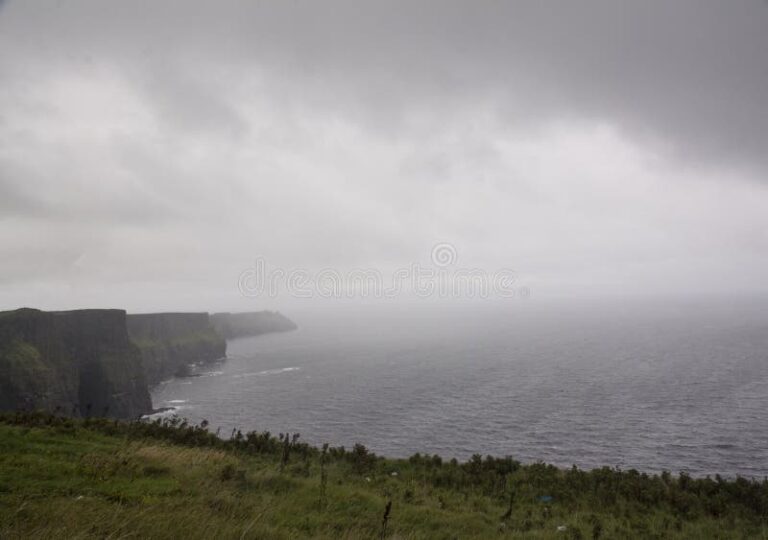
The Cliffs of Moher deliver one of Ireland’s most famous moody landscapes. In misty travel terms, the cliffs transform with the weather, chiseled into a silhouette of deep gray that contrasts with the sea’s deeper blues. Start with a sheltered walk along the visitor paths where rails provide protection from spray. The sea’s roar becomes the day’s soundtrack, but you’ll find quiet moments inside a visitor centre that blends education with an intimate, warm interior. If the wind eases, venture onto the path briefly to glimpse the Aran Islands beyond. If not, retreat into a café with a view where fog hugs the limestone and the tea tastes especially comforting.
From Moher, you can travel inland to The Burren, a lunar-like expanse where limestone pavements create surprising micro-habitats. The Burren glows in a different way in rain—pale stone, emerald moss, and pockets of wildflowers that hold color even in gray light. You’ll want to pause at a sheltered spot where you can observe how rain pools in rocky depressions and reflects the overcast sky. In Connemara, a similar mood prevails: a region where bogs, rippling coastlines, and the Twelve Bens present a continuous, cinematic backdrop. A day spent in Connemara can involve a short hike in a sheltered valley, a drive along the Sky Road, and a late afternoon visit to a Galway city pub that serves live music and a reliable hot porter.
Throughout this portion, your attention to weather becomes practical expertise. Always carry a compact umbrella as a supplement to your waterproof jacket, since strong helices of wind can push rain at unexpected angles. A phrase to remember: in mist, light is a whisper, and your pace should adjust to that whisper with care. The goal is to leave the land with a sense of having met the weather in a fair balance of courage and comfort, and to have collected a handful of moody, memorable images from the day.
For planning and safety, consult local forecasts and be mindful of sudden changes, especially along exposed coastlines. Real-time weather updates at Met Éireann provide essential context for route shifts and indoor alternatives. When in Galway or Connemara, you’ll discover many welcoming cafés and bookstores where you can wait out a passing shower with a warm drink and a view of rain-traced streets.
Day 8: A final flourish—Donegal’s rugged shores or a restorative return to Dublin
For the finale of misty ireland travel, you have a choice that mirrors the weather: press into the north’s wild coast or retreat to Dublin for a second, longer immersion in moody indoor culture. If you choose Donegal, head toward Malin Head or the Fanad Peninsula for dramatic sea stacks, wind-sculpted beaches, and cliffs that hold a quiet, austere beauty in the mist. The routes here reward slow, patient observation—watching gulls wheel through rain-swirled air, listening to the sea’s low thunder, and pausing at a lighthouse café for hot soup and crusty bread. If you want a shorter day, return to Dublin with a stop in a quiet town where a bookshop or a craft studio invites you to linger and reflect on the journey’s mood.
Regardless of choice, ensure you leave space for a final, reflective evening. A warm, candlelit restaurant or a well-reviewed osteria provides comfort after a day of damp exploration. Your Misty Ireland Travel experience is not only about the landscapes but about the way the weather shapes your pace, your conversations, and your memory of Ireland’s damp, luminous soul.
Misty ireland travel packing, pacing, and practical prep
As the itinerary unfolds, the intangible becomes as important as the tangible. Packing deliberately ensures you stay agile in shifting conditions and never haloed by fatigue. Start with a high-quality waterproof shell that protects you without overheating, a midweight layer for the cool hours, and a breathable base layer that wicks moisture without feeling clammy. Footwear should be waterproof with good tread; even when the ground is slick, confident footing matters as much as a warm coat. A compact rain cover for your daypack and a moisture-absorbing bag insert can preserve gear and keeps your camera or phone dry while you document the moody beauty around you.
In terms of pacing, this plan invites flexible timing rather than rigid schedules. If you encounter a particularly provocative mist bank over a coastline or a wind-driven rain that makes a planned outdoor stop untenable, pivot to a sheltered café or bookstore or reorganize the day’s route to maximize exposure to the landscape when light improves. The weather in 2026 continues to surprise travelers with shifting patterns, so a willingness to adapt remains essential. The mental shift from “must see X at all costs” to “see X if it’s possible, otherwise savor X nearby” defines misty ireland travel at its best.
For real-time weather updates, refer again to Met Éireann forecasts at Met Éireann. Local knowledge from visitor centers, café owners, and innkeepers often offers timely, practical advice on wind directions, cloud banks, and sheltered viewpoints that aren’t widely publicized. This approach lets you keep your adventure alive even when the sky chooses a heavier mood.
As you finish this section, you’ll be primed for the next step: knowledge you can apply to gear, packing lists, and proven practical prep that keeps you dry, comfortable, and energized through every leg of the journey. Part 3 will deepen your planning with a focus on gear, packing, and practical prep, exploring Misty Ireland Travel — Gear, Packing, and Practical Prep as the next milestone in your moody travel plan.
Conclusion: Misty Ireland Travel Made Real
Across advanced strategies, structured flexibility, seasonal awareness, and thoughtful gear, misty Ireland travel becomes less about chasing perfect weather and more about embracing the atmosphere that weather brings. The moody scenery, intimate encounters with locals, and the sensory richness of damp stone, sea spray, and fog create a journey that lingers in memory long after you return home.
By combining flexible itineraries, weather intelligence, indoor-outdoor balancing acts, and a sustainable mindset, you’ll craft experiences that feel uniquely Irish—immersive, cinematic, and deeply personal. The mist becomes a companion, guiding you toward moments of quiet awe and wild wonder alike.
In summary, misty Ireland travel invites curiosity, patience, and a willingness to adapt. The more you lean into the weather rather than fight it, the richer your stories become. Start building your own misty Ireland travel plan today, informed by expert strategies and living, breathing weather cues.
Ready to embrace misty Ireland travel? Begin with a flexible route, pack your layered armor, and let the landscape unfold at its own pace. For ongoing guidance, updates, and inspiration, subscribe to Rainy Routes and join a community of travelers who celebrate the drizzle as a doorway to enchantment. misty Ireland travel