Ultimate Rainy Packing List for Monsoon Trips
When planning a monsoon trip, a well-curated rainy packing list is your best shield against damp days, soggy gear, and dampened plans. At RainyRoutes, we know that misty-season travel transforms landscapes into dramatic, moody backdrops—perfect for photography, quiet cafés, and winding lanes—yet it also demands gear that breathes, dries quickly, and folds into a compact pack. This is not merely about tucking a raincoat into your daypack; it’s about building a complete system that keeps you comfortable, flexible, and ready to pivot from cliff-edge viewpoints to indoor galleries without missing a beat. In 2026, travelers crave equipment that blends high performance with style, embracing the Mystic Outlands aesthetic while staying practical in unpredictable showers. The foundation we lay today covers outer layers, footwear, dry-storage solutions, and smart packing strategies that minimize bulk without compromising protection. With the right rainy packing list, you can chase misty sunrises, wander humid markets, and step into cozy lodges—confident that you’ll stay dry, organized, and energized for every moment rain or shine.
Foundational Rainy Packing List Essentials for Monsoon Travel
Waterproof Outer Layers: The Rain Jacket and Shell System
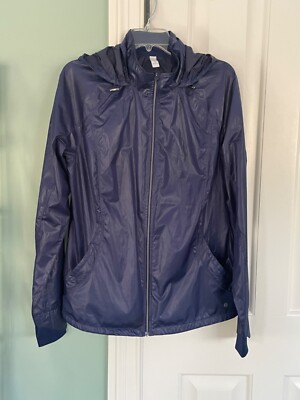
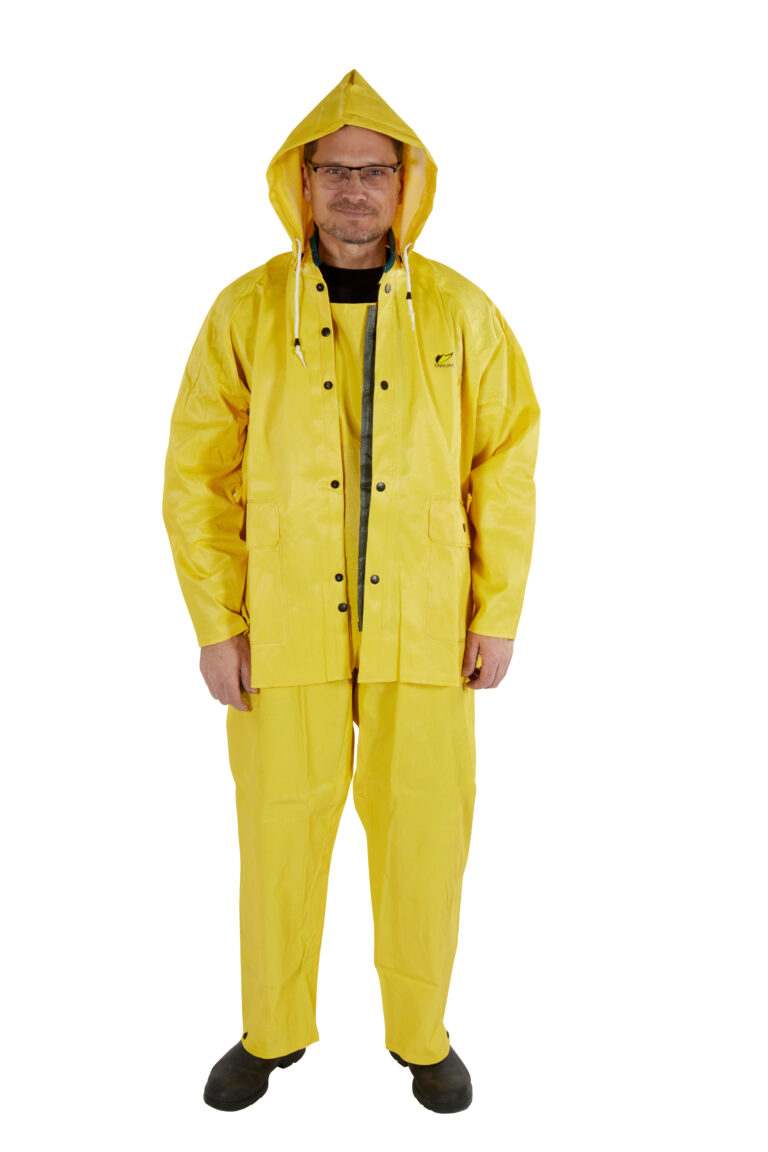
Your outer layer forms the backbone of any rainy packing list. A reliable waterproof shell that breathes and seals out rain will carry you through sudden downpours and breezy evenings alike. When selecting a shell, look for at least a 2-layer or 3-layer construction, fully taped seams, adjustable hood, and ventilation options such as underarm zips. In monsoon climates, layering underneath matters as much as the jacket itself. Pair a light, fast-drying fleece or merino base with a compact rain shell for a system that travels light yet adapts to temperature shifts. If space is tight, choose a model that folds into its own pocket or fits inside a daypack sleeve. In short, your waterproof outer layer should be the most versatile piece in your rainy packing list, ready to stand up to a drizzle or a deluge while keeping you comfortable in humidity.
rainy packing list: Outer Layer Essentials
- Breathable waterproof shell (2.5- to 3-layer, fully taped seams)
- Lightweight insulated layer (fleece or synthetic)
- Waterproof pants or overpants
- Adjustable hood with brim
- Packable rain cover for your backpack
Crucially, choose fabrics that dry quickly and compress well. Your shell should tolerate multi-hour rain sessions without feeling clammy, and it should complement a humid environment by wicking moisture outward.
Footwear and Foot Care for Wet Weather
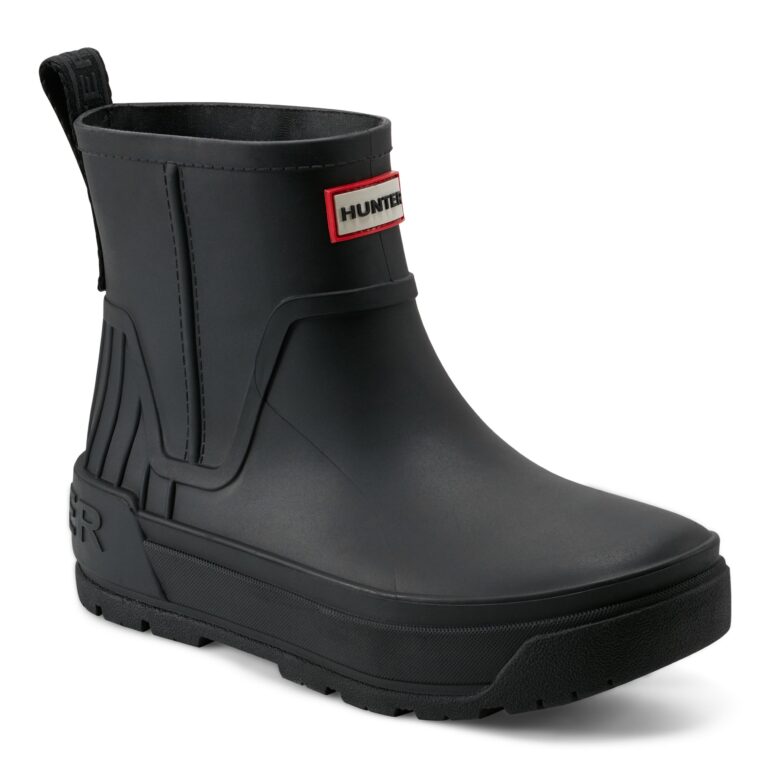
Footwear is the other cornerstone of a reliable rainy packing list. Wet feet can ruin a day, so invest in shoes that grip slick surfaces, dry reasonably fast, and provide support on uneven terrain. Look for waterproof or water-resistant uppers with sealed seams, a lugged sole for traction, and removable insoles you can dry at night. Bring two pairs if you expect long walks or street markets: a quick-dry sneaker for daily wear and a more rugged boot or rain boot for heavier rain days. Don’t forget moisture-wicking socks and spare pairs that can air out in a hostel or hotel room. In addition, carry a light pair of sandals or slip-ons for indoor use when your feet are damp from the rain, which keeps your overall temperature balanced and comfortable.
Stability matters as you navigate slick sidewalks or boat docks. Place a small foldable umbrella in your daypack for moments when wind and rain combine—though a jacket with a hood remains safer in gusty conditions. For urban exploration, a compact collapsible umbrella is often enough; for trekking or coastal trails, a waterproof boot is your trusty companion.
When choosing footwear, consider the climate specifics of your route. Tropical monsoon zones demand faster-drying materials, while higher elevations may require a warmer mid-layer inside a waterproof shell. For more footwear care, see international travel resources about footwear drying and care routines.
Moisture-Wicking Base Layers and Layering Strategy
Under your shell, build a versatile moisture-management system. A breathable base layer made of merino wool or high-tech synthetic fibers keeps you dry by moving sweat away from the skin fast. Layering is essential in fluctuating monsoon temperatures: a light base, a breathable mid-layer, and the outer shell provide warmth without bulk. In a damp climate, avoid cotton as a base layer; it holds moisture and can chill you quickly. Aim for pieces that dry quickly and pack down small. A compact mid-layer, such as a lightweight fleece or thin synthetic puffy, should be easy to compress and comfortable for long days of exploration. Layering also gives you flexibility in unpredictable showers—remove or add pieces as the day warms or cools, without changing your entire outfit.
Practical tip: pack multiple thinner layers rather than one heavy one. This makes it easier to adjust to rain bursts and indoor warmth. Consider adding a thin thermal top for colder evenings or high-altitude stops. A well-structured rainy packing list includes a few reliable base or mid-layers that maximize comfort across varied microclimates.
Dry Storage, Pouches, and Your Packing System
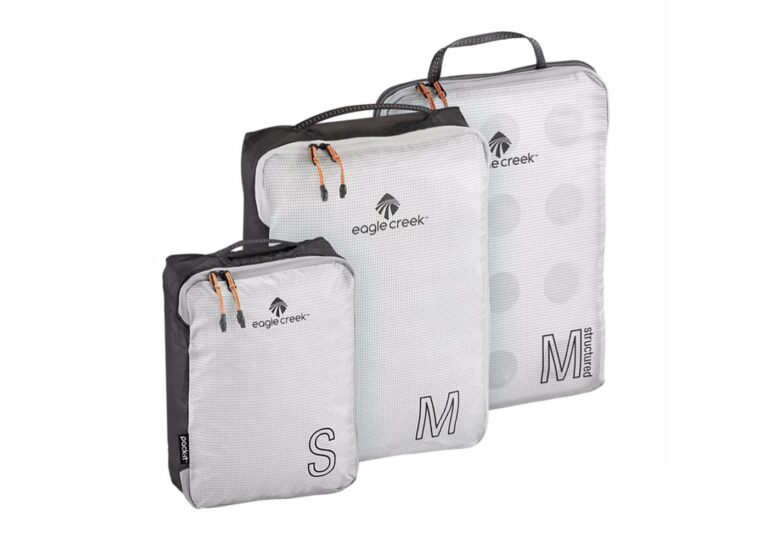
Dry storage is the quiet hero of a rainy packing list. Use dry bags, zippered pouches, and weatherproof packing cubes to segregate wet items from dry. This not only protects electronics and textiles but also helps you locate gear quickly in a misty hotel lobby or a crowded transit hub. Start with a compact, waterproof backpack or daypack that accepts a dedicated dry bag for laptops or cameras. Inside the pack, maintain a simple, repeatable zoning system: a dry zone for electronics, a wet zone for rain layers, and a quick-access pocket for maps and tickets. Rolling or folding clothes in a disciplined manner saves space and minimizes creases. Regularly inspect seams and zippers for integrity as you travel.
Tip: a lightweight rain cover for your main backpack can extend the life of your kit and keep moisture away from the interior. If you’re traveling to multiple stops, keep an extra small dry bag in your luggage so you can separate damp clothing when you reach a guesthouse or hostel. For those seeking a more compact approach, you can explore efficient packing systems with recommended guides such as REI’s expert packing guide.
Electronics, Cables, and Tech Readiness in Wet Conditions
Protecting electronics is non-negotiable in a rainy packing list. Use weatherproof cases, silicone sleeves, and dry bags sized for your phone, camera, e-reader, and spare batteries. Before you leave, back up photos to cloud storage and carry spare power banks with you in a waterproof pouch. Pack a universal charging brick and a compact multi-plug adapter if you’re moving between hotels or guesthouses with different outlets. A vacuum-sealed pouch protects fragile devices when you’re near spray or shorelines. Keep cords tidy with reusable cable ties and label the cables, so you don’t waste precious time in transit.
In addition, consider a small power strip for shared hotel rooms, especially if you’re traveling with companions. For long days of sightseeing in mist or rain, your tech readiness determines how long you stay engaged with your itinerary rather than fiddling with battery constraints.
Health, Hygiene, and Comfort: Staying Fresh in Rainy Conditions
Staying healthy and comfortable is part of a solid rainy packing list. Include a compact toiletry kit with quick-dry towels, biodegradable wipes, and a refillable bottle set. Pack sunscreen for high-altitude sun exposure and a light antiseptic gel for cleaning cuticles after damp hikes. Carry a small first aid kit with blister patches and pain relievers. Moisture management also means staying hydrated; remember to keep a reusable water bottle within reach. The right hygiene products can help you stay fresh without adding bulk, so prioritize multi-use items that wick moisture, dry fast, and travel well.
Crucially, you’ll want a compact blanket or shawl in your daypack for chilly evenings or transit delays. This not only adds warmth but also serves as a makeshift wrap when you hop between indoor venues where air conditioning can feel chilly after being outdoors in the rain.
Packaging, Organization, and Final Touches
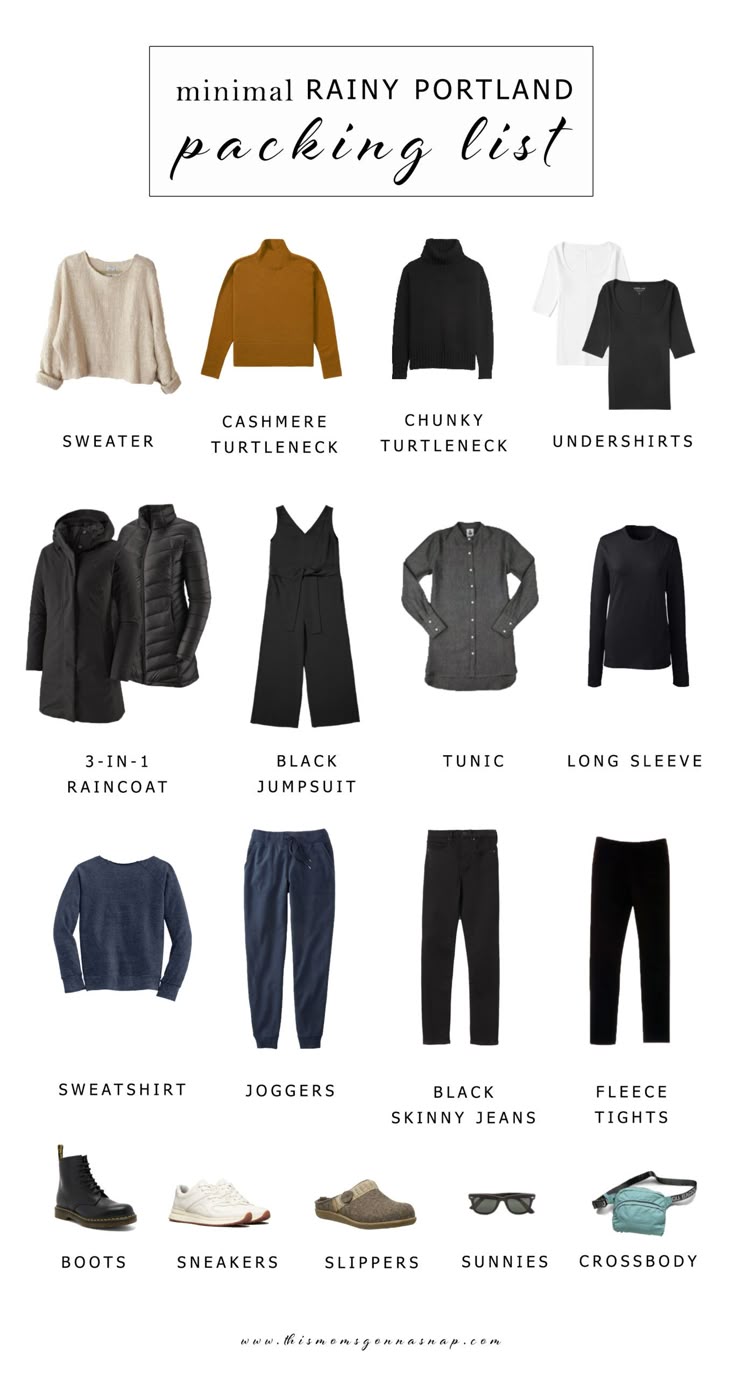
Finally, design a strategic packing plan that allows you to reconfigure on the go. A rainy packing list becomes most useful when it’s organized. Use labeled bags for quick access to essential items and rotate your wardrobe to minimize laundry frequency. A capsule approach—think a dozen to fifteen mix-and-match pieces—reduces weight while preserving style. Always keep important documents and medications in a waterproof, accessible pouch. Your aim should be rapid retrieval and a clean, organized kit that can handle both drizzle and downpour with equal grace.
As you refine your rainy packing list for monsoon travel, remember that the goal is adaptability, not excess. The next part will zoom in on Layering Strategies and Weather-Ready Wardrobe for Monsoon Travel, showing you how to optimize every garment for shifting skies and indoor comfort.
Core Rainy Packing List Execution for Monsoon Trips
In this section, you translate your general rain-readiness into a field-ready payload that can withstand damp air, unpredictable showers, and heavy downpours. The goal is clarity and efficiency: you want to keep essentials accessible, protect electronics, and avoid jamming your bag with duplicate items. By following a disciplined packing workflow, you reduce stress on the road and increase your chances of a relaxed, weather-resilient itinerary. Furthermore, this execution phase is where your rainy packing list stops being theoretical and starts delivering consistent comfort across diverse monsoon environments.
First, you define your core payload. The rainy packing list is not simply a grab-bag of gear; it is a modular system built around three pillars: moisture management, rain protection, and organization. In monsoon environments, the gear you choose must tolerate humidity, shed water quickly, and dry fast once indoors. The most reliable approach is to separate what you wear, what you carry, and what stays protected in your pack. This separation helps you respond to shifting conditions without a full overhaul of your kit. In practice, you design workflows that let you add or remove layers in seconds, not minutes, and you keep the heaviest items close to your spine for stability in crowded buses and trains.
Next, you set a packing rhythm. You want to keep items accessible for quick changes in weather and to avoid digging through the bag at a crowded transit hub. A practical rhythm means layering items in order of use from the outside in. For instance, a rain shell should be near the top, while spare socks and compact rain pants stay in a quick-access pocket inside the main compartment. This rhythm also supports the rainy packing list by allowing you to adjust on the fly without compromising comfort or safety. In addition, you adopt a color-coding mindset so you can grab the right layer in a hurry when the sky opens or when you step into a humid indoor space.
To ground the execution, you set expectations for weight and balance. A well-balanced bag feels lighter and rides closer to your center of gravity, which reduces fatigue during long walks between transfers. That means placing heavier waterproof layers and protectors toward the bottom and center, keeping frequently used items toward the opening, and using compression bags to minimize volume without sacrificing quick access. You also plan for drying cycles: how and where you will dry items on layovers or after a rainy day, recognizing that some fabrics air-dry faster than others. This practical choreography is critical to maintaining a rainy packing list that remains functional trip after trip.
As you move into the tactical content, you will see that the rainy packing list thrives on three elements: fabrics that shed water and wick moisture, outer layers that guard against wind and cold rain, and packing systems that keep gear organized and quick to reach. The synergy of these elements makes your kit less about carrying more and more about carrying the right things in the right places. The result is a reliable, low-friction experience even when the forecast changes from drizzle to downpour in a matter of hours. For context on how to select the right rain gear fabrics and combinations, you can explore practical guidance from outdoor gear resources such as REI’s rain gear buying guide, which complements the strategies described here. Additionally, the year 2026 brings refreshed design sensibilities like the Mystic Outlands aesthetic, which blends rugged durability with moody, weather-aware styling—an approach that resonates with travelers who want to look purposeful while staying comfortable in wet climates.
Building the rainy packing list: core layers and moisture management
When you build your rainy packing list, start with layers that manage moisture next to your body. The base layer should pull sweat away from the skin and dry rapidly. Synthetic blends or merino wool at light weights are excellent choices because they maintain warmth even when damp and resist odor after long wear. Avoid heavy cotton jerseys as base layers; they retain moisture and chill you after rain breaks. The mid-layer adds warmth without bulk, such as a light fleece or a compact insulated top that compresses nicely, while still staying breathable. This three-layer approach gives you versatility across a wide temperature range common in monsoon destinations, from sultry afternoons to post-rain chill.
To ensure the rainy packing list remains efficient in practice, describe how you will rearrange layers in response to microclimate shifts. In hotter mornings, you can peel off the outer layer and rely on the breathable base and mid-layers; in sudden showers, you snap on the shell. The fabrics selected for the base and mid-layers must pair well with the outer shell, which is your primary defense against downpours and wind. When rainstorms hit, the outer shell should stop the wind and shed rain without trapping heat. This balance reduces overheating, keeps you dry, and makes the transition between indoors and outdoors seamless. Finally, ensure that moisture management is not limited to your torso. Moisture-wicking socks, a breathable undergarment, and quick-dry underwear form an integrated system that keeps your feet, core, and limbs comfortable as humidity rises and falls through the day.
Base layers and moisture-control fabrics
In this rainy packing list segment, the focus is on fabrics that dry quickly and stay comfortable against damp air. Synthetic fibers, ultra-light merino, and blends designed for moisture management keep you feeling dry longer than cotton. You want breathable panels in high-sweat zones such as the back and under the arms, plus a tight weave in base layers to minimize cling. Color choice matters too; lighter tones show less staining from rain splashes, while darker tones hide damp patches better. The end result is a lighter, more versatile core that supports long days of wandering in urban centers, markets, and misty viewpoints. When you plan outfits for a day, think in terms of layer combos rather than a long list of individual garments. This approach reduces bulk and simplifies the rainy packing list execution.
Outer shells and rain protection
The outer layer is your frontline defense against wind-driven rain and the occasional sleet-like drizzle. A high-quality rain jacket or rain shell should be lightweight, packable, and have sealed seams. A storm hood that fits over a hat, breathable underarm vents to prevent overheating, and adjustable cuffs all contribute to comfort during variable weather. A rain pant that folds into a compact roll is a smart companion for trips with sudden downpours and riverside walks. The goal is a shell system you can deploy quickly and still look sharp in moody street scenes inspired by the Mystic Outlands aesthetic, which favors practical design with a touch of rugged style. For the rainy packing list, consider dual-use pieces, such as a compact shell that can double as a windbreaker when humidity is high but rain is sparse. This flexibility reduces overall load while preserving performance across the day’s weather cycles.
Footwear strategy for the monsoon climate and rainy packing list integration
Footwear is a critical element of the rainy packing list because wet surfaces, slick sidewalks, and river crossings are common in monsoon trips. The goal is to choose shoes that grip well, dry quickly, and protect your feet from splash. Start with a pair of trail-ready shoes or waterproof sneakers with a lug sole for traction. These should dry reasonably fast and be easy to wipe down after a river crossing or a drizzle while you explore street markets or historic districts. A lightweight, packable rain boot can be useful for heavier downpours if you plan to walk along waterfronts or through standing water. Having two adaptable options rather than a single bulky pair helps you navigate a broader range of conditions while keeping your rainy packing list balanced. When you plan footwear rotation, keep the pairs close to the top of the bag to minimize the time you spend digging around in transit hubs, stations, or hotel lobbies after a downpour.
Footwear care is essential in wet climates. You should have a small brush and a microfiber cloth to remove mud or sand, plus a zipped bag to store soles after a rain day. Drying strategy matters, too: remove insoles if possible and point the shoes toward a dry warm area. In humid climates, placing your shoes near a gentle heat source or in a ventilated area helps them dry faster and reduces odor buildup. The rainy packing list should incorporate a footwear care routine that is quick, repeatable, and doesn’t require special equipment. And if you will be out after dark in urban areas, consider reflective elements on footwear or near it so you stay visible in poor lighting conditions.
Footwear strategy for the monsoon climate and rainy packing list integration
Storm-ready footwear is as much about traction as it is about ease of cleaning. When you select shoes, test grip on wet pavement and consider how fast they dry after a sudden downpour. This practical approach ensures you can switch between comfort and function without compromising your schedule. You may find that a breathable water-resistant sneaker works well for daily itineraries, while a water-proof option is reserved for riverside walks or bus rides where exposure to rain is high. The aim is to prevent soggy excursions that drain energy and spoil mood. By pairing two versatile footwear options with a mindful drying routine, you keep your rainy packing list efficient and ready for longer adventures while maintaining your personal style, which is often influenced by the Mystic Outlands vibe in 2026.
To help your eyes and feet stay comfortable, consider color coordination that reduces the chance of losing items in a busy station or market. For instance, pairing neutral footwear with color accents in your outerwear makes it easier to spot each item even when the light is dim or the rain is heavy. This simple step supports your rainy packing list by making your luggage management less mentally taxing after a long day on the go.
Electronics and data protection within the rainy packing list
Electronics demand deliberate protection when you travel in wet weather. Water resistant does not mean waterproof; you must protect devices from splashes, humidity, and accidental immersion. A robust waterproof pouch for a phone, camera, and small accessories is a wise investment, along with a compact dry bag to place essential electronics inside the backpack or carry-on. Use silica gel packs in the electronics compartment to minimize moisture buildup that can cause fogging or corrosion on connectors. Another practical tactic is to keep cables organized and separated to minimize moisture transfer. A small charging kit that suits your travel pace between accommodations helps you stay powered up without carrying a heavy power bank on every day of heavy rain. When planning your rainy packing list, you should also consider heat dissipation and ventilation for devices used in hot, humid environments; overheating can lead to performance issues during long hikes or urban explorations.
Protection extends to power sources as well. Choose USB-C or compatible chargers with universal plugs to minimize the number of adapters you carry, and keep a water-resistant sleeve or dry pouch for the power bank when you’re commuting in the rain. You should also reserve space for a compact universal adapter, because monsoon trips can straddle multiple countries and electrical standards. To keep your devices accessible, you can dedicate a small weatherproof pocket inside your bag for quick grabs during a rain break. A connected mindset means testing your rain-coded packing list under real rain conditions before departure, ensuring you won’t be surprised by the weather when you are miles from the nearest electronics store. For ongoing reference, this aligns with the broader goal of a well-protected rainy packing list that reduces risk while maximizing enjoyment of the journey.
Waterproof cases and charging etiquette
Waterproof cases for phones and cameras protect against splashes and sudden downpours. Snake-like cords and loose cables can trap moisture and cause short circuits. Therefore, use cable sleeves and keep the charging port sealed when not in use. If possible, detach chargers before entering a water source or when stepping into a sudden storm and reattach once you’re in a covered area. This disciplined approach makes the rainy packing list more reliable and helps you extend the life of essential devices through a busy monsoon season.
Power banks and cable hygiene
Carry a compact power bank with a water-resistant finish and a charging cable that can double as a data transfer line. Keep your cables neatly coiled and stored in a small zip pouch to avoid tangling and moisture exposure. The rainy packing list should specify how you will recharge during travel days, particularly if you plan long transit legs with minimal time at a charger station. A simple, repeatable routine—such as charging while you sleep in a hotel or hostel—reduces stress and ensures you stay connected during important daily activities, such as navigation, translation apps, or ride-hailing. This approach ensures your devices stay ready when you most need them during damp discoveries across the route.
Accessories that compound the rainy packing list efficiency
Accessories can dramatically boost comfort and practicality without adding bulk. The rainy packing list benefits from thoughtful choices that improve usability and safety while traveling through rain and humidity. A compact umbrella remains a personal choice, particularly if you plan to navigate crowded marketplaces or narrow streets where wind-blown rain is common. A small collapsible umbrella can pack away easily, but it may blow inside-out during gusty storms, so consider a compact, well-vented umbrella with a strong shaft when you expect strong winds. Hats and visors keep rain off your face and improve visibility in pouring rain; gloves, preferably water-resistant, help with warmth and grip on wet surfaces. Scarves or neck gaiters add warmth and help wick moisture when you remove layers. The rainy packing list thus relies on high-quality, multipurpose accessories that offer weather protection without turning your bag into a heavy fortress. The right accessories also contribute to the overall aesthetic of the journey, resonating with the Mystic Outlands mood while remaining highly functional for wet-weather travel.
Umbrellas: pros, cons, and smart picks
When weighing umbrella options, think about the typical rain pattern in your destination. Light, steady rain is comfortable with a compact umbrella, while heavy downpours may require a sturdier model with reinforced ribs and a wind vent. If you expect frequent wind, consider a double canopy umbrella that resists inversion. The rainy packing list benefits from carrying an umbrella you can operate quickly and comfortably, as the ability to shield yourself in the blink of an eye matters more in monsoon travel than in sunny destinations. If you decide not to carry an umbrella, ensure your rain shell offers a cap or hood with sufficient coverage. The key is avoiding the need to improvise on a crowded street with a heavy bag for a drenching downpour.
Hats, gloves, scarves for rain comfort
A wide-brim hat or a cap with flap helps keep rain off your eyes and glasses, while gloves with a water-repellent outer shell preserve dexterity during wet weather. Scarves and neck gaiters can be used to seal the gap between the jacket and face, reducing wind-driven chill. These accessories should be light enough to pack flat but comfortable enough to wear for hours. The rainy packing list benefits from balancing the weight of these items with the reduced bulk they provide in exchange for warmer, drier conditions. In practice, you can rotate between a few essential pieces to adapt to weather changes without overloading the bag. The overall aim is to maintain mobility and comfort without sacrificing style or practicality in urban environments and misty landscapes that inspire the Mystic Outlands look.
Packing technique and weight distribution for the rainy packing list
Effective packing requires disciplined technique. A typical approach is to place heavier items toward the bottom and closer to your spine. This improves balance and reduces fatigue during long city walks, stair climbs, and trickier transfers. Roll or tightly fold garments that compress well to maximize space and minimize wrinkles; reserve bulkier pieces for the middle of the bag where they offer stability. A compression strategy helps keep the rainy packing list compact: you reduce air gaps and maintain an even load. It also makes it easier to search for a specific item during a rain break or a stop at a cafe. A well-executed technique minimizes the risk of damage to fragile items and keeps your packing flow smooth when you swap modes between transit, accommodation, and outdoor exploration. For instance, place electronics and valuable items in a waterproof, easily accessible pocket near your torso while you store rain layers and socks toward the bottom where they will dry quickly after repeated exposure to moisture.
Roll vs fold: maximizing space
The debate between rolling and folding is less about ego and more about function. Rolling works well for most garments because it reduces creases and can be quickly squeezed into narrow compartments. Folding can be beneficial for items you want to keep flat and neatly arranged for quick inspection. The rainy packing list favors a hybrid approach: roll flexible items like t-shirts and underwear, fold larger items such as fleece jackets and rain pants, and compress bulky layers with a small packing cube. This method preserves space while enabling fast access to outfits for back-to-back days of rain and sun. The practical outcome is a bag that feels lighter than it is and an itinerary that remains flexible even if you swap accommodations or change plans due to weather shifts.
Compression and packing order
Compression bags or packing cubes are not merely for show; they help remove air and maintain order. You can use them to separate dry clothes from damp clothes or to create dedicated zones for electronics, rain gear, and daily essentials. In the rainy packing list, you want a simple order: outer rain gear on the top layer for easy access, mid-layers beneath, base layers nearest to the spine, and a dedicated electronics pocket that stays dry and protected. This logical order reduces the time you spend reorganizing at airports, on trains, or in hotel lobbies during sudden downpours. The discipline you apply here pays off with calmer mornings and smoother post-rain evenings at your destination.
Destination-ready: weather patterns and destination-specific adjustments for the rainy packing list
Weather in monsoon zones can swing quickly between drizzle, steady rain, and heavy downpours, sometimes within the same day. Your rainy packing list should reflect this spectrum by combining flexible layers, quick-dry fabrics, and compact rain protection. In coastal zones, humidity is persistently high; you will need fabrics that feel dry to the touch and dry quickly after exposure to rain or fog. In urban settings, you may encounter longer stretches in crowded spaces where waterproof coverage must remain reliable without sacrificing mobility. In rural or mountainous regions, wind and temperature swings can be more pronounced, so robust outer layers and heat retention become important. The rainy packing list should facilitate rapid adaptation across these contexts, while still aligning with personal preferences for comfort, style, and sustainability that resonate with 2026 trends like the Mystic Outlands aesthetic. You can tailor the kit toward specific activities—city wandering, market hopping, or trail-warming hikes—without creating an unwieldy load. The practical result is a cohesive framework you can apply whether you are exploring a tropical coastline or a misty hill town in the monsoon season.
Coastal monsoon winds and humidity
In coastal zones, expect high humidity and gusty winds. Your rainy packing list should emphasize breathable outer layers, quick-drying fabrics, and a shell that seals around the wrists and neck. Pair this with a compact umbrella option or a hooded shell that shields you from spray and rain-runoff from streets. Footwear should provide solid grip on slick surfaces, and socks should wick away moisture to minimize discomfort. By focusing on moisture management and protective layering, you stay comfortable as humidity folds into the air whenever a sea breeze picks up rain-laden air.
Urban rain vs rural rain: tailoring your kit
Urban rain often implies frequent stops indoors and shorter outdoor stints, so performance and compactness become critical. Your rainy packing list should favor versatile pieces that can be layered quickly and don’t take up much room. Think of a packable shell, a small umbrella, and a pair of shoes that dry just enough to keep moving through a busy day. Rural rain, on the other hand, may involve longer exposure to damp landscapes and uneven terrain. In these settings you want sturdier footwear, extra socks, and a rain pant with a higher level of water resistance. The goal is to adapt the same core rainy packing list to different contexts by adjusting layers and accessories, keeping your overall kit light and nimble while you enjoy the experience rather than worry about gear failures.
In Part 3, Destination-Specific Rainy Packing Playbooks, we will tailor this framework to three common monsoon destinations and show you how to adjust for urban centers, coastal climates, and high-altitude monsoons. The plan is to provide a destination-ready master checklist that makes practical packing decisions easier, faster, and more reliable, so you can focus on the journey ahead and the moody beauty of wet-country travel.
Advanced Rainy Packing List Strategies and Final Prep for Moody Journeys
As you wrap your moody journeys, this final section tightens your rainy packing list with concrete strategies for packing efficiency, moisture control, and destination-ready planning. In 2026, RainyRoutes embraces the Mystic Outlands aesthetic and the darecations mindset, blending high-performance waterproof gear with a thoughtful, style-conscious approach. This final prep ensures you travel lighter, stay drier, and move confidently through mist, rain, and downpours across moody landscapes.
Refine Your rainy packing list with modular gear and smart packing techniques
Modularity means every item has a home. Use packing cubes, dry bags, and compression sacks to separate categories: base layers, rain layers, and accessories. Label cubes or color-code them. This makes it easy to access what you need without exposing the rest of your kit to moisture. Pack the heaviest items close to your back and center of gravity. This stabilizes your bag when you move through rainy streets or crowded transit. Think multi-use. A compact poncho can become a makeshift rain shield for a camera or a quick shelter for a short rest. A microfleece can double as a warm layer at dawn and a pillow on longer transit. A lightweight scarf can act as windbreak or neck warmer. In practice, this reduces overall item count while maintaining function.
Strategic layering and gear categories
- Base layer fabrics: choose breathable merino or moisture-wicking synthetic blends. Avoid pure cotton in wet seasons, as it traps moisture.
- Mid-layers: a lightweight fleece or synthetic insulated layer that packs small but provides versatile warmth.
- Outer shell: a waterproof, breathable jacket with sealed seams and a dependable hood.
- Rain accessories: compact umbrella, packable rain cover for your backpack, and a dry bag for electronics.
- Footwear: waterproof footwear with grippy soles, plus a spare pair of quick-drying socks.
Weather-ready Wardrobe and Footwear for Moody Journeys
Fabric choices matter. Favor fast-drying synthetics and merino blends. Layering matters: base layers next to skin, midlayers for warmth, and outer shells for rain. Choose color palettes that reflect moody aesthetics while remaining versatile. Neutral tones with a few bright accents work well for 2026 trends like Mystic Outlands. Avoid heavy fabrics that soak up water; instead, opt for windproof yet breathable pieces that compress down. Pack smart for footwear. Bring one pair of waterproof boots or shoes with a reliable outsole. Include a secondary pair of slip-on shoes for indoor spaces or quick laundry days. Don’t forget moisture-wicking socks; include 3–5 pairs for a week-long trip, depending on activities. If mud looms, consider gaiters to keep water and dirt away from boots. Ensure your footwear is broken in to prevent blisters on damp days.
Footwear and socks selection
- Waterproofing level: choose boots with sealed seams and a waterproof membrane for rain-heavy days.
- Sock strategy: 3–5 pairs of moisture-wicking socks; include a thin liner pair if you’re prone to blisters.
- Drying plan: carry a small microfiber towel and a compression bag to wring out and speed drying in transit or at hostels.
Tech, Safety, and Power Prep for Rainy Destinations
Electronic gear is vulnerable in wet weather without safeguards. Start with waterproof cases or sleeves for phones, cameras, and tablets. Pack two charging options: a high-capacity power bank and a spare battery for devices with long life demands. Keep chargers in a dry pouch and bring adapters for international trips. A compact power strip can help you share a single outlet in hostels or hotels with limited power. Safeguard devices against humidity with silica gel packs or desiccants in main compartments. Use ziplock bags for electronics during sudden rain showers. Use rainproof covers for backpacks and download offline maps to avoid data drains in poor signal areas. A rugged weatherproof camera or action cam is worth considering if you plan misty adventures.
Tech sanity checklist
- Waterproof case or sleeve for essential devices
- Desiccants or silica gel packs in the main compartments
- Two charging options: power bank and spare battery
- Offline maps downloaded and stored locally
- Protective bags for media and electronics inside the backpack
Moisture Management: Gear Care and Drying Routines
Moisture control is not optional; it preserves gear life and comfort. After a rain dash, open the pack, air-dry layers, and hang outerwear on a hook whenever possible. If you’re in a hostel, use a small clothesline or hanger to speed up drying. Avoid leaving wet gear crumpled inside your bag; moisture trapped can lead to mildew and odor. Use silica gel or moisture-absorbing packets inside your pack’s corners for overnight stops. Material care matters. Synthetics dry faster than cotton but may retain odors if not aired. Leather items require extra care: condition sparingly and dry away from direct heat. Quick-dry fabrics should be rinsed and wrung gently to preserve fibers. For footwear, stuff with newspaper or absorbent cloth to accelerate drying after rain. If you’re traveling for an extended period, consider a portable clothesline and a compact travel laundry kit for mid-trip refreshes.
Materials care: fabrics and leather
- Fabric refresh: apply a mild scent or odor-control spray after damp days.
- Leather care: clean with a damp cloth, condition lightly, and dry away from heat sources.
- Odor control: pack a small deodorizer sachet and air out gear daily.
- Storage: keep wet items in a separate dry bag until fully dry to prevent mildew spread.
Final Prep: Itinerary Alignment and Packing Recap
Before departure, align your packing with the forecast and your itinerary. Check local monsoon windows, rain frequency, and potential storm days. Create a flexible day-by-day plan that allows indoor activities to substitute for outdoor ones if forecasts shift. A smart rainy packing list allows you to migrate from rain to indoor venues without major gear changes. Use a simple checklist to verify you have essential elements for each day: waterproof jacket, moisture-wicking base layers, a light warmth option, and a dry bag for electronics. Itinerary-based packing helps avoid overpacking. For trips with long transfers, pack a compact day-pack with a mini climate kit: compact umbrella, a rain cover for your daypack, and a spare set of dry clothes for quick changes. Revisit the packing list after ticket purchases, as flight schedules and layovers can affect what you can carry on. In other words, the art of a rainy packing list is the art of adaptation.
Last-minute checklist
- Weather-resilient outer layer ready to go
- Dry bags and packing cubes for organization
- Chargers, cables, and spare batteries
- Compact towel and microfiber cloth for drying
Color, Mood, and the Mystic Outlands Aesthetic
The 2026 moody travel aesthetic—Mystic Outlands—emphasizes earthy tones with luminous accents. Align your rainy packing list with this aesthetic by choosing colors that reflect mist, damp stone, and forest greens. A muted palette with a couple of bright accents helps you photograph well on rainy days. Quick-dry scarves, hats, and gloves in this palette go a long way in top-to-bottom outfits that remain cohesive across destinations. The aesthetic isn’t just about color; it’s about a thoughtful, texture-rich approach to gear and layers that weather the rain with style. Wardrobe coordination is practical. Pick items that mix and match. A leathery belt can function as a strap stabilizer for a rain shell or be used for light packing to reduce items. Compare two jacket options: a heavier waterproof shell with a lighter packable layer. A compact umbrella in a color that complements your outerwear completes the look while keeping you dry. In short, the science of packing can meet the art of mood and color in moody journeys.
Color palettes and mood-fitting outfits
- Base tones: deep forest greens, charcoal, slate blue, and taupe
- Accent hues: moss green, amber, coral for pops in photos
- Texture mix: matte and glossy surfaces to reflect light in rain
- Accessory balance: one statement piece per trip to avoid clutter
Testing, Maintenance, and Insurance for Rainy Travel
Before you leave, test critical gear. Try a short local rain walk to confirm outer layer performance and bag sealing. Ensure pockets are accessible while wearing mittens or gloves. Practice quick-dry routines at home; know how long your jacket takes to dry and whether you need a backup. Maintenance includes vent zips, seam sealing, and the life cycle of waterproof gear. If something fails, replace or repair it pre-trip to avoid surprises on the road. Safety is essential. Carry a basic first-aid kit and a compact rain-safe travel kit. Check destination advisories for storms or flash floods. If traveling alone, consider a buddy system or digital safety checks, especially during late-evening walks in low-visibility conditions. Insurance and health coverage matter, particularly for monsoon travel with higher risk of weather delays. Plan your coverage accordingly and keep digital copies of important documents.
Outbound Resource: Practical rain-gear guidance
Finally, the rainy packing list benefits from trusted third-party gear guidance. For instance, this REI rain-gear buying guide provides practical insights on materials, membranes, and care. It helps you choose high-performance items that last across multiple moody trips. While RainyRoutes stays independent, you can leverage established expertise to fine-tune your exact kit for monsoon travel. For a concrete step, read the practical rain-gear guidance here: Rain gear buying guide.
Conclusion
In summary, this advanced rainy packing list framework equips you to handle moody journeys with confidence, regardless of forecast. You’ve learned modular packing techniques, weather-ready wardrobe strategies, moisture management, tech and safety prep, itinerary-aligned planning, and the Mystic Outlands aesthetic that shapes 2026 travel style. The core idea is clear: your rainy packing list is not just gear; it is a flexible system that enables you to adapt, explore, and linger in rain-soaked destinations without compromise. Ready to turn wet weather into a compelling travel story? Begin by auditing your current bag, swapping single-use items for multi-use capabilities, and tailoring the kit to your next monsoon itinerary. Start building your rainy packing list today and let it guide every decision on your moody journeys. For ongoing inspiration in 2026, revisit RainyRoutes for updates on trends like the Mystic Outlands aesthetic and darecations, and let your next trip unfold with dry feet, open skies, and story-rich moments. Focus keyword included: rainy packing list.