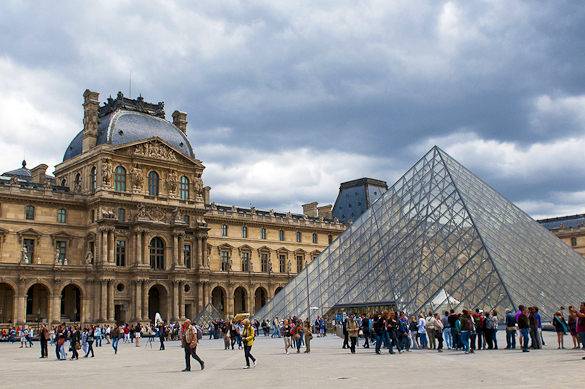
Rainy Paris Museums: Full Itinerary
For travelers chasing rainy Paris museums, this guide reveals a foundational indoor route designed for a moody day in the City of Light. As the skies gather, you want a plan that keeps you inside, yet lets you experience the city’s legendary art, architecture, and cafés without feeling trapped. In 2026, this indoor route remains the most reliable way to savor Paris’s culture when gutters run, sidewalks glisten, and the rain paints the stones with a quiet sheen. Therefore, the route prioritizes climate-controlled spaces, efficient transitions, and a thoughtful sequence that minimizes fatigue while maximizing mood and mastery of the city’s best-known collections. In addition to addressing timing and tickets, the plan invites you to notice how light changes across galleries on a gray day, turning familiar masterpieces into new discoveries. Crucially, this approach makes rainy Paris museums feel less like a hurdle and more like a curated, immersive experience that reveals the city’s artistic heartbeat under clouds.
Rainy Paris Museums Foundational Indoor Route for a Moody Day
Rainy Paris Museums: Core Stops for a Moody Day
Crucially, a foundational indoor route begins with the three pillars of Parisian culture: grand historic painting, late-19th-century realities, and bold modern explorations. Therefore, plan to start with a world-class collection with ample indoor circulation and straightforward sightlines. The Louvre, Musée d’Orsay, and Centre Pompidou anchor the moody-day itinerary, each offering reasons to linger even when the weather keeps you inside. The strategy is to enter, absorb, and move with intention, allowing returns as needed without losing momentum. In a typical day, you’ll want to arrive early, grab a map, and map your path to minimize backtracking. As you progress, you’ll see how the same city that shines in sun intensifies in shade, revealing subtle textures in paint, sculpture, and design. For context, the route is designed around indoor experiences that deliver depth without forcing you into long, exposed walks between venues.
Rainy Paris Museums: Louvre Strategy
The Louvre remains the ultimate anchor for a moody day, with dense galleries that reward slow, deliberate study. Begin at the Denon Wing to orient yourself toward the Mona Lisa and its companions, then flow toward the wider collections of the Sully Wing and the Napoleon courtyard gallery when the crowds thin. In addition to iconic masterpieces, you’ll discover centuries of French, Italian, and Flemish art that reward repeated passes. Therefore, it is wise to consult the Louvre’s official page before arriving to verify current hours and any timed-entry requirements.Louvre official site This can help you plan for longer gallery runs or shorter, focused bursts depending on your energy and the weather outside.
To maximize the indoor experience, consider a structured loop: start with a handful of rooms, pause for a café break, and then resume with a fresh perspective. The dynamic of a rain-soaked day often makes color and texture pop in the Denon Wing’s grand halls. Also, if you’re chasing a quieter path, the Richelieu Wing presents superb Renaissance and 17th-century painting without the most intense crowds. Crucially, keep a weather-aware mindset: if a sudden downpour blooms, you can easily shift to sheltered galleries without losing momentum.
Practical tip: allocate 2–3 hours for the Louvre portion if you want depth, or 1.5 hours for a brisk, focused visit. The key is to maintain a comfortable pace, allowing pauses to reflect and photograph without feeling rushed. In addition, consider reserving a timed entry to minimize wait times, then drift through adjacent galleries as line dynamics shift with the weather outside.
Rainy Paris Museums: Musée d’Orsay Experience
Next, the Musée d’Orsay offers a different mood, housed in a former railway station with soaring glass and iron. The setting itself is part of the experience, as natural light filters through the large winter-appropriate windows even on gray days. Start with the Impressionist and Post-Impressionist masterpieces near the central nave, then move across to the 19th-century Realist and Symbolist rooms. In addition, the museum’s compact footprint allows you to traverse highlights without feeling overwhelmed by volume. Therefore, plan a clockwise route to minimize backtracking, and give particular attention to the curatorial narrative that threads through the galleries. For a well-paced visit, target 1.5–2 hours, with a coffee break in the mezzanine café to reset your mood and energy.
To deepen the experience, use the Orsay’s museum guides to trace connections between Monet’s water lilies and Courbet’s realism, revealing how the era bends and reshapes under moodier light. Therefore, a quick, curated plan often yields more meaningful encounters than a hurried sprint across the floors. For references and up-to-date timings, you can visit the Musée d’Orsay official site for live details and seasonal exhibitions.
Alternatively, if you crave a longer, quieter immersion, allocate a bit more time to view the rail-car-era architecture and the museum’s reception hall, where the acoustics and architecture offer an entirely different sensory layer on a rainy day.
Rainy Paris Museums: Centre Pompidou and Modern Classics
The Centre Pompidou provides a bold counterpoint to the Louvre and Orsay, filled with modern and contemporary art in a highly legible, indoor-friendly rhythm. Start on the top floors to catch expansive city views through the glass, then move downward through the mid-century and late-20th-century galleries. The museum’s atrium and circulation ramps create interesting vantage points that are particularly atmospheric on a damp day. In addition to the main collections, temporary installations often offer immersive experiences that shine in moody light. Therefore, structure your visit to explore a handful of key rooms before descending to the lower levels, where you’ll encounter design, architecture, and media art that complement the traditional painting-focused museums.
For a practical plan, aim for about 2 hours, including a coffee break in the Pompidou’s café. The building itself is a living exhibit, so take moments to appreciate the industrial aesthetic, the exposed pipes, and the way pathways guide you through the narrative. If you’re curious about current exhibitions, the Centre Pompidou’s official site provides updated schedules and ticketing details as of 2026.
Additionally, consider combining a Pompidou visit with a nearby indoor-focused café crawl in the Marais or Beaubourg area. This creates a cohesive mood loop: art, architecture, and warm beverages as the rain lingers outside, feeding the moody itinerary rather than dulling it. Finally, if you’re pressed for time, prioritize the top modern masterpieces and the building’s signature ramp system for an efficient, visually cohesive experience.
Rainy Paris Museums: Practicalities for a Moody Indoor Day
Therefore, practical planning matters as much as the artworks when the weather challenges outdoor sightseeing. First, secure timed tickets where possible to minimize waiting in damp queues. In addition, stack your museum visits by proximity to reduce transit time between venues. The goal is a smooth, indoor rhythm that keeps the mood consistent and the pace comfortable.
Second, wear layers and bring a light rain jacket that’s easy to remove once you’re inside. The indoor climate in Paris museums can be varied, and a good layer helps you shift from chilly hallways to warm galleries without disruption. Third, carry a compact umbrella or a small scarf as a reminder of the weather without letting it become a burden while you move through galleries. These small choices add up to a more enjoyable day, especially if you’re mapping multiple stops in one go.
Finally, plan for at least one café break per major stop. A warm drink or pastry offers a mental reset between rooms and a chance to reflect on what you’ve seen. In addition, many museums offer quiet lounges and bookshops where you can linger without rushing toward the next gallery. This approach aligns with the rainy Paris museums mindset: immersive, paced, and deeply rewarding.
Rainy Paris Museums: Getting Between Indoor Spaces
When moving from one museum to another, use sheltered routes and consider bundled ticketing options that cover several venues. Therefore, you’ll minimize exposure to the unpredictable weather while maintaining a steady cultural cadence. The RER and metro networks are reliable, and many entrances feed directly into the museum complexes, reducing unnecessary outdoor walking. In addition, weather-ready transit cards or apps help you plan the shortest, most comfortable routes for a moody day in Paris.
Crucially, always check current hours and access policies, as some galleries offer late openings or temporary closures due to exhibitions or maintenance. For updated, non-competitive information on doors and hours, consult official pages and trusted city guides. This ensures your rainy day route stays effective regardless of last-minute changes.
Rainy Paris Museums: What to Pack for a Moody Day
A thoughtfully packed day reduces fatigue and keeps you in the zone. Pack a compact water bottle, a small notebook for sketches or notes, and a spare pair of socks—yes, moisture happens, especially in interior courtyards and galleries with open spaces. Include a lightweight umbrella that folds easily and can be tucked away when you’re indoors for long periods. Also, bring a portable charger to keep your phone ready for last-minute photo opportunities or quick lookups on museum apps. These small items support a comfortable, focused, and mood-enhancing indoor itinerary for rainy Paris museums.
In addition to practical gear, plan your wardrobe for comfort and style: breathable layers, sturdy shoes with good grip, and a compact bag that won’t hinder your movement through crowded galleries. This approach ensures you stay focused on the art while enjoying the atmosphere that a moody day creates. Therefore, the experience becomes less about fighting the weather and more about embracing the city’s indoor treasures with intent.
As a final note, document the day as you go. Short captions and reflections help you remember how the rain changed the mood of spaces and the way you perceived familiar masterpieces. In fact, the reflective mood often reveals details you might miss on a sunny day, turning your rainy Paris museums excursion into a deeply personal study of light, texture, and history.
Conclusion for Part 1: This completes the foundational indoor route for a Moody Day in Paris. In Part 2, titled “Inside Paris: Extended Indoor Routes and Secret Galleries,” we expand the itinerary to include additional tucked-away spaces, seasonal exhibitions, and more nuanced mood-driven routes to deepen your moody-day experience.
Rainy Paris Museums Core Itinerary: Step-by-Step Execution
Step 1: Prep Like a Pro — Frame Your Day for rainy Paris museums
In a city that wears its weather openly, a well-structured plan is your umbrella. Step one is mental and practical: set a firm core route, pack light, and build buffers for sudden showers. Start by choosing your two or three anchor museums—typically the Louvre, Musée d’Orsay, and Centre Pompidou—and then map the shortest, covered transitions between them. This keeps you inside galleries during heavier rain and makes the day smoother for your feet and wallet. Specifically, prepare a compact rain jacket, a sturdy umbrella, and a compact water bottle, because you may wander between wings across multiple hours of exhibition magic. If you carry a phone, ensure offline maps available for areas where signal wavers. Additionally, pre-download museum maps and floor plans so you can navigate with confidence even if Wi-Fi falters. Furthermore, check opening hours for each site, because even in 2026 the schedules shift with seasons and occasional maintenance. This upfront prep underpins every successful rainy Paris museums day, so you can focus on art rather than weather drama and stay energized for a long, rewarding route.
Step 2: Book Timed Tickets to Minimize Queues
Timing is the only weather you want to beat when you chase rainy Paris museums. Reserve timed-entry tickets well in advance for the Louvre, Orsay, and Pompidou. By locking a slot, you reduce door queues and give yourself a cushion to enjoy coffee between galleries. If your plan is flexible, join later morning or early afternoon slots to align with indoor lulls. In any case, avoid weekend peaks if possible. Use official portals to avoid scalpers and to guarantee seat availability. This approach pays off quickly because rain often nudges locals and visitors indoors; you’ll dodge long lines and spare yourself frustration. For current ticketing options, visit the official Louvre site: Louvre official site. Additionally, consider mobile tickets and QR codes to speed entry and reduce touchpoints during rainier days.
Step 3: Morning Classic — The Louvre as the centerpiece of rainy Paris museums loop
Begin early at the Louvre where the building itself is a shelter from the rain and a magnet for art lovers worldwide. If you arrive near opening, breeze through the pyramid courtyard and head straight to the Denon wing, where classic masterpieces cluster in climate-controlled galleries. Even on a damp day, the Louvre’s grand halls feel luminous and inviting. Focused highlights prevent museum fatigue: the Mona Lisa may be crowded, but the gallery housing its luminous portrait flows into the wings that hold Winged Victory and the Coronation of Napoleon. By planning your route, you minimize backtracking and keep your pace brisk yet unhurried. In the rain, the Louvre’s glass walls glow and the interior lighting feels almost cinematic, inviting you to linger in front of canvases rather than outdoors in drizzle. If you want to specialize, you can allocate extra time to the Sully Wing for medieval sculpture and the Napoleon III apartments, which integrate history with stunning interiors that resist weather’s pull outside.
Must-see works at the Louvre
Prioritize the Denon Wing’s grand halls where the Mona Lisa sits beside the Winged Victory of Samothrace and the Coronation of Napoleon. Then sweep east toward the Sully Wing for the medieval sculpture gallery and the Louvre’s historic apartments. Finally, allow time for the Richelieu Wing’s masterpieces and decorative arts. This focused approach keeps your day lean and impactful while rain circles the glass roof above, making every turn feel like a discovery.
Step 4: Midday Glide — Covered Passages, Warm Cafés, and the Poetry of Rain
After a few hours among the Louvre’s masterpieces, glide toward a sheltered transit option that lets you remain indoors while the rain taps the glass above. Paris’ covered passages are architectural time capsules and sheltered shopping arcs that connect culture to cuisine. Plan a stroll through Galerie Vivienne or Passage des Panoramas, where marble floors gleam and old bookstores sit beside tea rooms. Take a lunch break in a baker’s warm glow or a brasserie with a view of cobblestone streets kept dry by wide awnings. This midday interlude cools the mind and body, and it keeps your step light as you resume the rainy Paris museums circuit. Remember, staying indoors in these passages preserves your energy for the afternoon galleries and helps you avoid the fatigue that rain can bring. If you crave a precise map, you can consult the passages’ histories as part of your itinerary, but keep moving to stay in the flow of your core route. For a practical sense of place, you can consult guides that detail the passages’ origins and the charming shops that line their arches.
Step 5: Afternoon Impressionist Pulse — Musée d’Orsay and l’Orangerie
From the covered passages, switch gears to light-filled halls that celebrate color and movement. Musée d’Orsay sits on the left bank, an architectural jewel built into a former railway station. The oak-balustraded galleries cradle masterpieces by Monet, Degas, and Renoir, and their luminous, sunlit spaces feel like a balm when the weather outside is dreary. Specifically, devote time to the sunlit galleries that anchor the Impressionist rotation; you can map a loop from the Clock Room to the large halls and still fit in a visit to the Orangerie if the day permits. The Orangerie, with its serene domed ceilings and the Water Lilies canvases, offers a compact, enriching counterweight to larger collections. Both museums reward slow, focused looking, and their indoor atmosphere provides a refuge from the rain while still offering maximum artistic payoff. In addition, take your time admiring Monet’s Water Lilies in the Orangerie; the room’s curvature and natural light create a meditative mood ideal for rainy days.
Orsay’s top Impressionist rooms
Zero in on the eight primary rooms that house Monet’s Water Lilies, Degas’ dancers, and Manet’s promenade. Then walk the central aisles to feel the rhythm of the period, and step into the gallery spaces that balance light and shadow. If you have time, a quick return to the mezzanine gives a new perspective on the works you just studied. This method ensures you leave Orsay with a coherent sense of the period rather than a long list of titles.
Step 6: Late Afternoon Highlights — Centre Pompidou and the City’s Colorful Core
In late afternoon, proceed to Centre Pompidou, a bold contrast to the classic galleries. The exterior exoskeleton houses a vast modern and contemporary collection, while the interior ramps and galleries are designed to optimize circulation. The interior is climate-controlled with airy atriums that keep rain at bay as you navigate the staircases and mezzanines. You can easily spend the better part of an afternoon here, moving from Picasso and Kandinsky to a rotating program of contemporary installations. Specifically, Pompidou’s bright, graphic geometry invites quiet awe and dialogue with the surrounding Marais district, which remains wonderfully walkable even in drizzle. If your energy flags, pause at the café with a view across the street and watch people passing by under umbrellas; it’s a quintessential rainy Paris moment that you will carry forward into the evening. In addition, take a moment to explore Pompidou’s Grand Escalier and the library spaces, which offer quiet corners for reflection between works and crowds.
Step 7: Backup Options — If the Rain Persists or You Want More Depth
Even with a well-planned core itinerary, weather occasionally demands flexibility. A rain-friendly backup gallery cluster in central Paris includes the Musée de l’Orangerie’s smaller footprint and the Picasso Museum’s intimate rooms, should you wish to diversify without venturing far from the city center. If your pace remains steady, you can weave in the Rodin Museum or the National Museum of Modern Art at the Centre Pompidou as alternate stops. Remember that many Parisian museums share extended hours on certain days, so staying near the Marais or Saint-Germain enables you to adjust quickly without long metro rides. Above all, honor your energy level; absorbing art is a marathon, not a sprint, and rainy Paris museums reward thoughtful pacing and deliberate selection over sheer quantity. If crowds surge, you can pivot to a nearby church or arcade, which frequently offer shelter without sacrificing cultural resonance.
Step 8: Evening Wind-Down — Dry Comfort, Light Food, and a Last Look
As the day closes, choose a dry and comfortable place to reflect on what you’ve seen. A café near your final stop offers warm beverages and pastry to reenergize tired feet. Alternatively, plan a short stroll through a grand boulevard, but stay beneath awnings and avoid puddle-splashed corners. The aim is to seal the memories of a rainy Paris museums day with calm, not rush. If you’re still hungry for art, consider revisiting a favorite wing for a final, quiet scan or stepping into a nearby church or opulent arcaded passage to savor the city’s architecture while keeping you dry. In all cases, carry a small notebook or digital memory log to record favorite pieces, ideas, and impressions so you can write a high-value recap later. This deliberate close ensures you finish the day on a calm, inspired note. In Part 3, we expand this core itinerary with seasonal tips and offbeat galleries to keep rainy Paris museums fresh across different times of year.
Rainy Paris Museums Advanced Strategies and Final Guidance for Adventurers
In this closing section, we translate practical know-how into battle-tested tactics. If your goal is to experience rich art and history without getting soaked by uncertainty, these advanced strategies will elevate your itinerary for rainy Paris museums. You will move with confidence, save time, and savor moments that only wet weather reveals. The following sections account for typical drizzle, sudden downpours, seasonal hours, late openings, and crowd dynamics across major museums.
Advanced Ticketing and Planning for Rainy Days
Start with risk-managed booking. Reserve timed entries where possible, and prefer flexible or refundable tickets when the forecast looks unsettled. On peak rainy days, many museums offer late nights or reduced capacity slots; sign up for newsletters or apps from the museum or a trusted booking platform to catch these openings. If you hold a Paris museum pass or a national heritage pass, use it on days when the weather is unpredictable to maximize value. Always verify current hours and closure notes on the official site before leaving your lodging; rain can shift operations, and some venues close entire wings during public holidays. If you are unsure, choose fully refundable options and set aside a contingency plan for weather. Regularly check the forecast on reliable sources and consider the forecast trend before committing to long-distance travel. Also look for galleries that offer after-hours events to extend your day without rain exposure.
Maximizing Time with Strategic Museum Hopping
Group the day by neighborhood clusters to minimize transit in wet weather. Start in central districts with indoor corridors or glass-roofed atriums, then move outward to smaller spaces with direct metro access. Build a priority list of three must-sees, a secondary set of two or three, and a fallback option in case of delays. When possible, align opening times so you arrive for the first accessible slot and leave after a core exhibit, reducing idle time in rain outside. This approach keeps your energy high and your rainy Paris museums experience immersive rather than exhausting.
Weather-Proof Gear and Visitor Comfort
Pack a compact rain shell, lightweight waterproof shoes, and a small umbrella that won’t obstruct viewlines in galleries. Bring a portable power bank for long days and a microfiber cloth to wipe damp hands and camera gear. Layer clothing to adjust to temperature shifts between galleries. Hydration matters, too; carry a refillable bottle and ask museums about drinking water policies. For the sensitive, have a lightweight scarf or shawl to maintain warmth during line waits and transitions between sections of the building. Good gear reduces fatigue, helping you focus on the art rather than the weather.
Smart Route Planning: Apps, Maps, and Real-Time Updates
Use a reliable offline map and a transit app to anticipate weather-driven disruptions. Preload routes between your chosen museums and locate indoor dining options along the way. Real-time alerts can signal weather advisories, crowd surges, or changes in gallery access. In practice, you should carry a small backup plan and a backup route for each hour of the day. For inspiration and official tips, check Paris tourism resources available online, such as Paris Info. This helps you stay aligned with local advisories and seasonal hours while preserving your flexibility.
Handling Weather-Driven Delays and Breaks
Delays are inevitable on rainy days. Build buffer time into your itinerary and protect it with brief, indoor breaks. Reserve a cushion of thirty to sixty minutes between two major venues to rest, refuel, and recalibrate. If you encounter a late-opening or a gallery with a temporary closure, swap it for a nearby alternative that shares similar content. Short, purposeful transitions prevent fatigue and reduce the risk of a rain-induced meltdown. Finally, keep a digital travel journal that logs closures, hours, and weather notes to refine future trips for the rainy Paris museums experience. If you need a longer indoor pause, seek a nearby bookstore or a quiet lounge that remains open during showers.
Photographic and Sensory Experience in Wet Conditions
Rain adds gloss to marble, glass, and water features. Protect cameras with rain jackets and weatherproof housings. Look for reflective surfaces, open courtyards, and skylights that create dramatic light contrasts. Focus on quiet corners of galleries where you can listen for whispers of history and the scratch of a brush on canvas. Slow down; the mood of the rain enhances texture, color, and composition. For social sharing, consider storytelling captions that emphasize atmosphere and detail rather than only highlights of famous masterpieces. Bring a microfiber cloth to keep lenses clear and adjust white balance to cooler light that rain can cast on painted surfaces.
Culinary and Rest Breaks to Sustain Momentum
Parisian museums often sit near cafes and bistros that thrive on drizzle. Plan a light-rest ritual: a hot chocolate, a proper café au lait, or a pastry to reset the senses. Use indoor spaces with comfortable seating to chat about what you’ve seen and to map the next leg of your route. If you need a longer break, opt for a museum restaurant with city views to capture the mood of the day. Taste and texture become a counterpoint to the canvas and sculpture, giving you a rounded, climate-tested itinerary. Look for seats by windows or atria where rain can become part of the atmosphere rather than a distraction.
Sustainability and Responsible Tourism in Museums
Every visitor has a role in reducing the environmental footprint during rainy Paris museums visits. Favor public transit, walk when distances are reasonable, and pack reusable containers. Respect museum guidelines on temperature control and energy use; small actions multiply when multiplied across many travelers. Choose new-to-you routes that minimize backtracking, which reduces total energy consumption. Supporting sustainable travel within rainy Paris museums helps preserve the cultural environment for future explorers.
Family, Solo, and Accessibility Considerations
Adjust pacing for families with children or seniors; choose accessible routes and entrances, and verify stroller access. Solo travelers can maintain safety by sticking to well-lit corridors and staying in regular contact with a friend or fellow traveler. For accessibility, confirm that elevators, ramps, and tactile guides are available, especially in older buildings with complex layouts. Museums often offer audio guides in multiple languages; use them to deepen understanding without slowing your pace. A thoughtful plan accommodates diverse needs within the rainy Paris museums framework.
Budgeting Tips and Value-Add Experiences
Save by booking bundled tickets or late-entry options that pair with nearby galleries. Consider memberships or city passes if you plan multiple visits within a short window, as these often unlock savings and supreme convenience. Seek special exhibitions that align with your interests, but weigh cost against the depth of the collection. When possible, combine a major museum with a smaller, lesser-known venue to stretch your euro further and to contrast different curatorial voices in the same day, all while staying comfortably dry in the indoor spaces. Look for student or senior discounts when eligible and verify age policies.
Sample 3-Day Rainy Paris Museums Itinerary
Day one centers on the Left Bank and the Latin Quarter, where covered spaces connect iconic sites. Begin at a grand institution with a landmark collection, then pivot to smaller galleries housed along a sheltered route. Day two moves through central palaces and modern spaces linked by efficient public transit. Day three explores a neighborhood cluster with strong museum ecosystems and public courtyards where a drizzle becomes a companion rather than a nuisance. The goal is to create a loop that minimizes outdoor exposure while maximizing immersive learning, mood, and memory formation. Add a morning coffee stop in a sheltered courtyard and a sunset gallery of light through glass to close each day with atmosphere.
Practical Safety and Health in Wet Weather
Keep an updated insurance card and emergency contact list in your phone. Watch for slick floors and bring a small towel to dry shoes if needed. Maintain hydration and take short breaks to avoid fatigue. If you feel unwell after a long day of walking and standing, seek a warm space, rest, and reassess your plan. In crowded galleries, be mindful of companions and staff, and follow posted instructions for safe movement during busy periods. Carry a compact first-aid kit with essentials for minor scrapes or blisters.
In conclusion, rainy Paris museums offer a mood and memory that reward planning, curiosity, and patience. This closing guidance ensures you maximize every moment of your rainy Paris museums experience, even when weather turns gray. Plan smart, reserve strategic time slots, minimize outdoor exposure, and let the rain sharpen your senses for art and architecture. Follow these steps, and you will leave with stories that extend beyond the famous canvases and into the atmosphere that only rainy days in Paris can create. Take action now: finalize your checklist, secure key tickets, and step into the city ready to explore. rainy Paris museums await your deliberate, immersive journey.