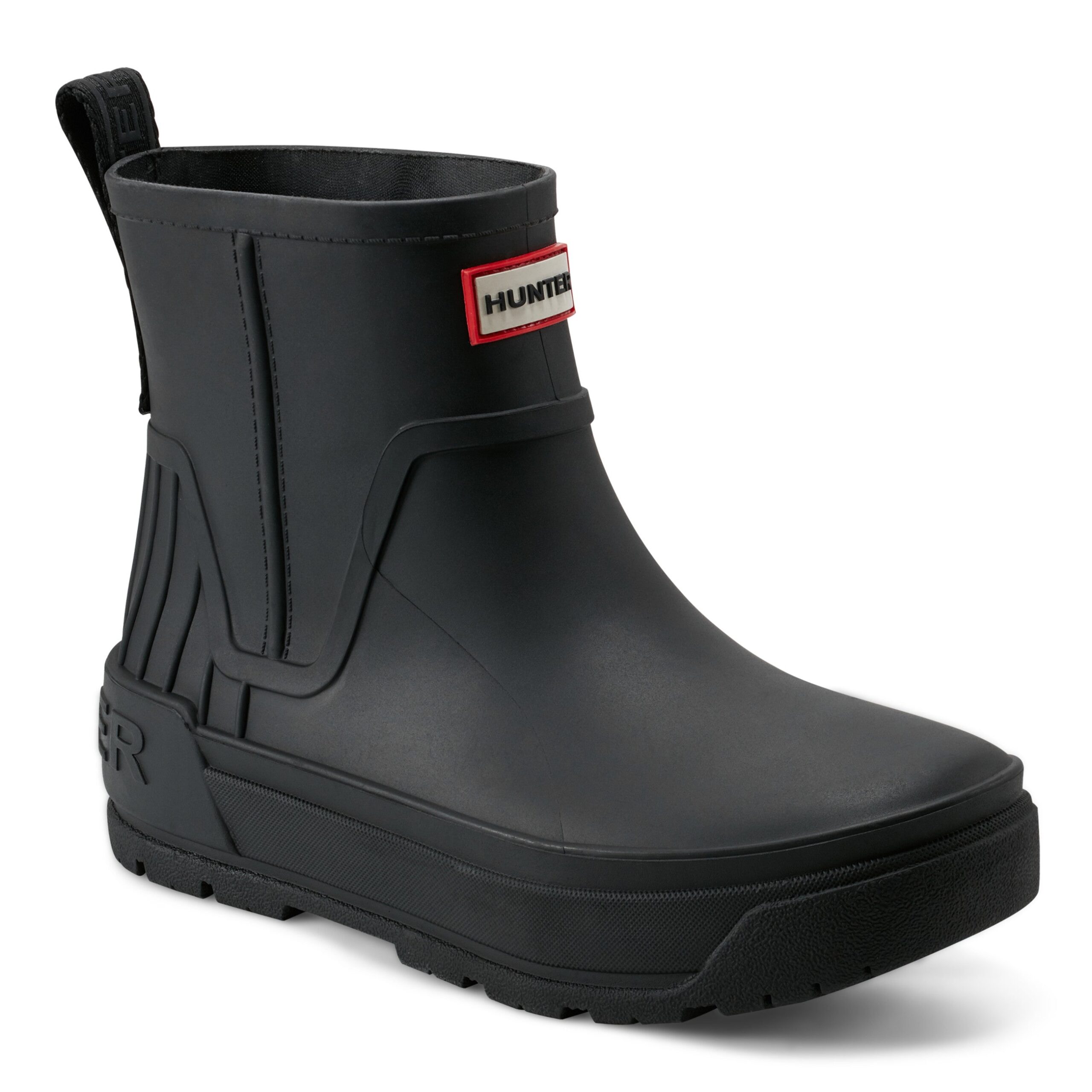
Waterproof Boots Rain: Ultimate Rainy Routes Guide
Waterproof Boots Rain: Foundational Guide for Rainy Routes
Waterproof boots rain is more than a label—it’s the backbone of reliable, weatherproof travel in 2026’s misty routes. In this foundational guide, you will learn why choosing the right waterproof boots rain matters for every route, from fog-bound Highlands to rain-slicked London lanes. We decode what truly counts in waterproofing, how membranes breathe, and how boots perform on slick stone, mud, and city pavements. Whether you’re chasing the Mystic Outlands or mapping nocturnal, rain-kissed streets, the right pair can turn drizzle into adventuring rather than discomfort. This introduction sets the stage for practical decisions you can apply right away, from evaluating membrane types to understanding waterproofing life cycles. Therefore, you will finish with a solid framework to compare options, plan outfits for wet weather, and maintain gear for longevity.
Crucially, this Part 1 focuses on the essentials: how waterproof boots rain are built, the core features that separate rain-ready footwear from ordinary shoes, and clear steps to assess fit and durability before you invest. You’ll also find practical care routines that extend life in both urban rain and rugged storms. By the end, you’ll feel confident selecting boots rain that match your route, climate, and cadence, plus tips to keep them performing when you push through drizzle, spray, and puddles.
Understanding waterproof boots rain: what the term actually covers
At its core, waterproof boots rain combines three elements: a waterproof membrane, sealed construction, and a sole designed for traction on wet surfaces. The membrane blocks liquid water from passing into the interior. The best membranes also allow vapor to escape, so your feet stay dry without turning your boots into a swampy sauna. Sealed seams and heat-pressed or taped joints prevent water from sneaking in through stitching. Finally, the outsole and midsole work in concert to provide grip, stability, and shock absorption on slick rocks, mud, and city puddles. In practice, waterproof boots rain means you can stride through light rain and shallow streams with confidence, while maintaining comfortable breathability for longer wear. For a deeper understanding of membrane tech, you can consult an overview such as this authoritative overview.
In addition, remember that there is a spectrum. Some boots use a simple water-repellent finish that beads water but doesn’t stop penetration in heavy spray; others rely on a full membrane that blocks water entirely. Therefore, when you read product specs, look for terms like “fully waterproof,” “sealed seams,” and the presence of a membrane layer (such as Gore-Tex, eVent, or PU laminates). Critically, breathability matters: a truly waterproof boot that traps sweat can feel colder and wetter inside than a rainwheel of damp air. This tension—waterproofing vs. breathability—drives most performance decisions for rainy routes.
Key features to look for in waterproof boots rain
The feature set determines how well a boot performs across diverse rainy routes. First, membrane quality and seam sealing are non-negotiable. Gore-Tex and similar laminates often deliver a balanced blend of impermeability and vapor transfer, but construction quality matters just as much as the membrane itself. A boot can claim a waterproof membrane yet fail if seals leak on the toe box or along the tongue. Second, the outsole matters: look for deep, multi-directional tread patterns, sticky rubber compounds, and a lug geometry that sheds mud while providing confidence on wet granite and slick sidewalks. Third, consider boot height and ankle support. Ankle-high designs reduce ankle sprains from sudden puddle depths, while mid-height boots stabilize the foot on uneven terrain. Fourth, closures (laces, speed hooks, or zippers) should stay secure when wet, without added bulk that traps moisture. Fifth, overall weight and cushioning affect fatigue on long rainy routes; you want a boot that feels energetic rather than labored after hours of drizzle. Finally, consider insulation for cold climates, but balance warmth with breathability to avoid overheating in milder rain.
- Membrane type and seam sealing: prioritize truly waterproof constructions and sealed seams.
- Outsole grip and tread design: choose lug patterns that bite on wet stone and mud.
- Boot height and ankle support: align with your terrain and travel style.
- Closure systems that stay secure when wet: avoid flimsy fastenings.
- Weight, cushioning, and energy return: select for your hike length and tempo.
As you compare models, remember that the best choice depends on your typical routes. For urban rain, you may favor lighter, more breathable waterproof boots rain with excellent tread. For Highlands or shorelines, look for sturdier mids and robust collars that keep out spray. The key is to map your typical weather patterns to feature priorities, not every feature at once. If you want a compact reference, consider the quick guide above and then dive into materials in the next section.
How to test fit for rainy routes with waterproof boots rain
Fit testing is as important as waterproofing itself. Start by wearing the socks you intend to use on wet days—thicker wool or merino for warmth, or lightweight synthetics for summer drizzle. Stand and walk on a hard surface, then step onto a slippery patch of tile or wet pavement to simulate real conditions. Look for heel lift; if the heel slides more than a millimeter, you’ll develop blisters once the day grows damp. Check toe room: you should have about a finger-width of space at the longest toe, and avoid pinching at the toe cap. Width matters, too; a boot that pinches across the ball of the foot will restrict circulation and worsen moisture buildup. Finally, flex the boot with a light stride to ensure the midsole and chassis respond without pinching. For long days in rain, you want a boot that feels secure immediately, without needing a break-in period that leaves you sore at dusk. If you feel numb toes after a short walk, re-evaluate size or last shape.
To prioritize fit, try on several sizes if possible, and test with the socks you’ll wear most often. In addition, check the insole height and arch support; your goal is a natural foot alignment with even weight distribution during extended wear. If you have a high-volume instep or a wide foreFoot, look for models with adjustable lacing or wider toe boxes. Short on time? A quick rule of thumb is to choose a size that lets you wiggle your toes while keeping the heel anchored. This simple test helps you avoid pressure points and reduces moisture buildup from overheating. For a more technical guide to membranes see the linked resource earlier; it helps you connect build quality to fit outcomes.
Materials and membranes that power waterproof boots rain
The backbone of waterproof performance lies in the material stack. The most common membranes are Gore-Tex, eVent, and PU laminates. Gore-Tex is known for a strong waterproof barrier combined with respectable breathability, while eVent emphasizes breathability with good waterproofing. PU laminates offer durable, often more affordable options with reliable water resistance. Beyond membranes, look at the boot’s upper material: leather offers natural water resistance with long life, while synthetic meshes coated with durable water repellents provide lighter weight and quicker drying. Seals and adhesives must be robust; good waterproof boots rain rely on taped or welded seams rather than stitched seams alone. The outsole materials—rubber compounds with dependable grip—are equally important, especially on smooth basalt and wet city stones. Consider also internal insulation for cold climates, but remember that extra warmth can reduce breathability in mild rain.
In practical terms, you’ll often see a three-layer approach: the outer shell for water repellence, the waterproof membrane for barrier protection, and the inner lining for comfort and moisture transfer. This combination enables performance across a broad spectrum of temperatures and terrains. To keep the science accessible, the following brief guide helps you summarize decisions: choose a membrane with confirmed waterproofing, verify taped seams for all-storm reliability, pick a sole with aggressive tread rather than a slick city sole for messy days, and ensure the boot supports your ankle without constriction. For a broader scholarly review, consult the linked overview above.
Care and maintenance to extend waterproof boots rain life
Proper care extends life and preserves waterproof claims. Clean off mud and debris with a soft brush after each outing; avoid harsh detergents that can strip protective coatings. Allow boots to air-dry away from direct heat sources, which can dry and crack leather or warp synthetics. Reproof leather or fabric uppers every few weeks of heavy use, or after every few long, wet trips if you notice bead formation decreasing. Store boots in a cool, dry place with lored airflow; stuffing with paper can help maintain shape and speed drying. Rotate between pairs to reduce wear concentration on one boot—this also helps membranes recover from frequent compressions. When footwear shows signs of compromised waterproofing, consider professional reproofing or, if the membrane has failed, replacement. For those who love data, track wear indicators like sole tread depth and tread stiffness as cues for replacement. Finally, keep the warranty and care instructions from the manufacturer handy; they provide context for how to maximize lifespan under typical rainy-route use.
Note: For an evidence-based overview of membrane technologies and maintenance, you can explore this authoritative overview.
Practical pairing: waterproof boots rain with outfits and gear
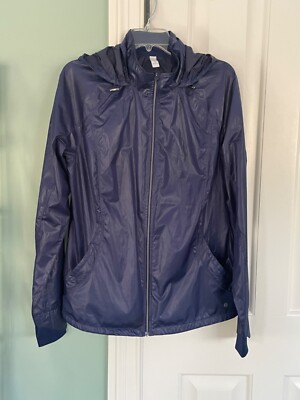
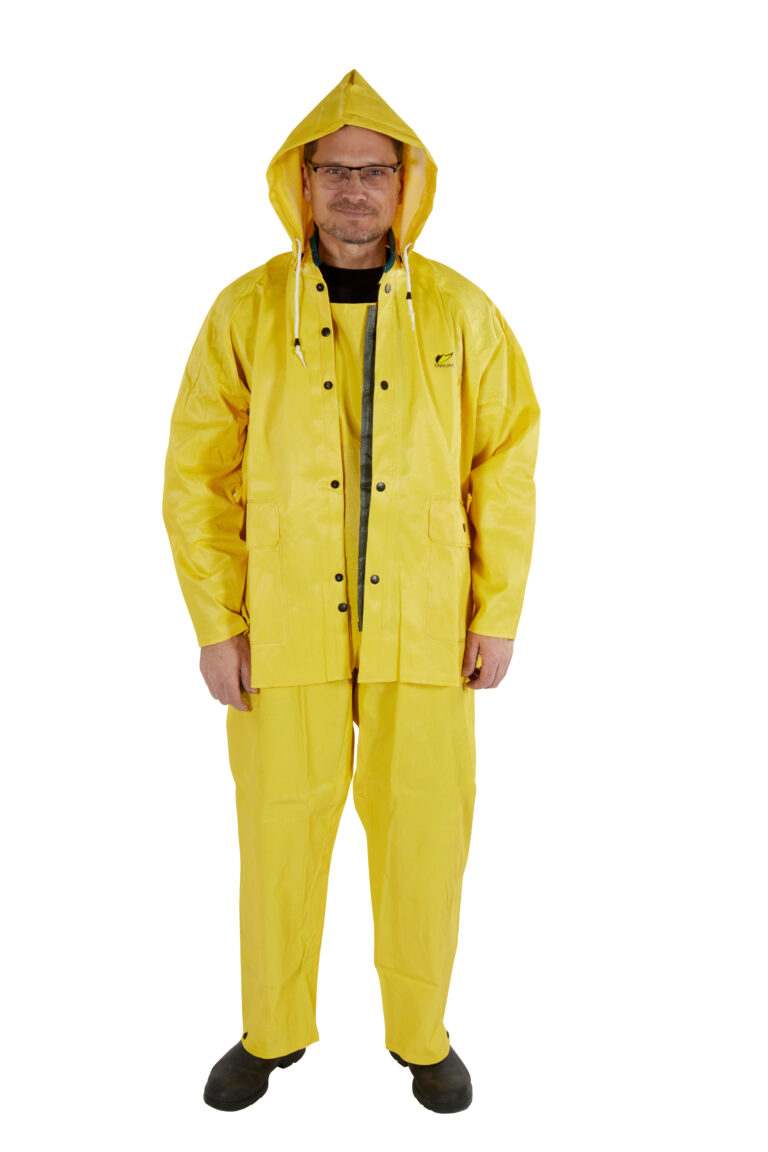
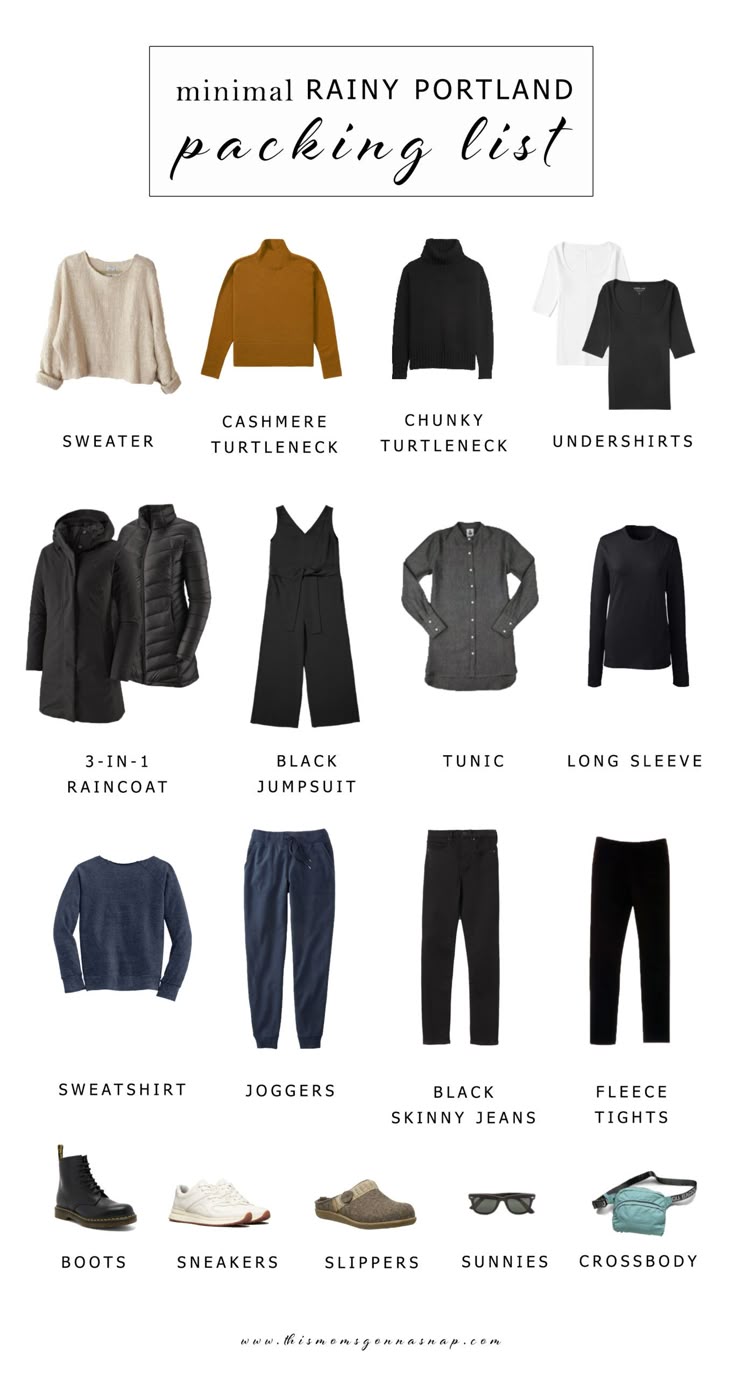
Your boots rain pair best with a modular rain outfit system. For urban rainy days, pair with a waterproof jacket, quick-dry trousers, and light gaiters to keep spray away from the ankles. For woodland routes, add a breathable mid-layer and ankle-length gaiters to seal out damp undergrowth. If you wear insulated socks in cold weather, ensure the boots still move air efficiently to avoid overheating. For gear, a compact umbrella or a packable hood can complement your boots rain without adding bulk. Finally, consider bag compatibility: choose a waterproof backpack cover or dry bags to keep contents dry while you wander misty lanes or slick approaches to viewpoints. This practical pairing helps you stay stylish and comfortable in the rain, while keeping your gear dry and ready for the next leg of your journey.
Durability and life-cycle expectations for waterproof boots rain in misty travel
Expect a well-made waterproof boot rain to deliver several seasons of use with proper care. Membranes usually hold up for hundreds of miles, but performance diminishes with heavy abrasion, repeated submersion, or improper drying after exposure to intense downpours. Warranty coverage varies by brand and model, but most high-quality waterproof boots rain offer at least a one-year warranty against manufacturing defects, with longer terms for leather uppers. Your true life cycle is shaped by terrain, climate, and how often you reproof and dry after wet adventures. If you notice persistent water penetration, cracking of the upper, or loss of tread grip, plan a replacement rather than pushing through with compromised protection. Translating this into practice, rotate footwear through a rain wardrobe if you frequently travel across different climates; this reduces wear on any single pair and maintains waterproof performance across trips. A thoughtful maintenance cadence extends life and preserves performance across heavy rain seasons. The result is footwear that continues to protect and perform as you pursue rain-soaked routes across the Mystic Outlands or city rain corridors alike.
Stay tuned for Part 2: Fit, Materials, and Maintenance for Rainy Routes, where we dive deeper into material science, precise fit optimization, and advanced care routines designed for frequent rainy-route travel.
Master Waterproof Boots Rain: Step-by-Step Evaluation and Selection for Rainy Routes
In RainyRoutes, selecting the right waterproof boots rain is not merely about keeping feet dry. It is about sustaining momentum through mist, mud, and dramatic weather shifts while preserving comfort for long days of exploration. This part of the guide offers a rigorous, step-by-step evaluation framework you can apply before you shop, before you pack, and before you commit to a pair that may become your trusted companion on foggy moors or rain-slick city blocks. The goal is a boot that performs reliably, remains comfortable after hours on your feet, and balances price with value in a 2026 marketplace that moves quickly from new innovations to durable classics.
First, we anchor our evaluation in real-use scenarios. Every rainy route—from a damp coastal trail to a drenched urban stroll—demands a boot that can keep water out, handle slick surfaces, breathe so your feet stay dry from the inside, and yet stay light enough to not exhaust you after a day of travel. To begin, define your Rainy Routes profile. Are you chasing mist and waterfall spray on rugged terrain, or are you navigating chronically damp city streets and tunnels? The answers steer the “how waterproof” and the “where grip” decisions that follow. For RainyRoutes, the best waterproof boots rain are those that excel across a spectrum of weather realities, not just a single ideal condition. This section walks you through a tested, trip-ready evaluation workflow that blends technical specs, on-foot feel, and practical trade-offs.
Before we dive deeper, keep in mind that waterproofing is a system, not a feature. The membrane, the upper materials, the outsole, and even the shaft height all interact. A boot that keeps water out may feel stifling if it lacks breathability. Conversely, a highly breathable boot without robust waterproofing can leave you damp inside your sock lineup. The sweet spot is a balanced package that suits your most frequent rainy routes while preserving comfort and durability. With this mindset, you can compare models with confidence, avoiding marketing gloss and focusing on measurable performance during real-world use.
Step 1 — Define Your Rainy Route Profile and Comfort Threshold
The first step is almost always the simplest: articulate your typical rain-driven itinerary. Do you spend hours trekking through damp forest floors where footing is uneven and slick? Or do you navigate wind-swept promenades and stairwells where rainfall shifts from drizzle to downpour in minutes? Your answers guide shaft height, insulation needs, and weight class. If your journeys regularly swing between cold mornings and warm afternoons, contrast insole systems and liner materials become a deciding factor. For many RainyRoutes travelers, a mid-height, waterproof boot with a moderate weight and a breathable membrane offers the most versatile fit. It protects the ankle without feeling clunky, and it can be paired with merino socks for temperature regulation across a broad range of conditions. Throughout this step, note your tolerance for warmth, breathability, and flexibility. A boot that locks out water but traps heat may slow you down on lighter, damp days; a cooler, more breathable option might be better for long urban exploration in a drizzle that never quite feels cold enough for heavy insulation.
As you define the profile, set a baseline for fit and support. Do you need extra arch support, or is a neutral footbed sufficient? Are you dealing with foot swelling after miles of rain pounding on pavement? Your comfort threshold shapes the choice between a gently cushioned midsole and a more performance-oriented, rockered design. Remember that the best waterproof boots rain are not just outer shells; they accommodate your foot’s natural movement while offering stability on slick surfaces. This alignment between route profile and interior comfort is what prevents fatigue from sneaking in as a silent companion on your adventure.
Step 2 — Material Science and Membrane Technologies
Understanding the core materials helps you predict long-term performance. The heart of waterproofing is the membrane. In modern boots, you’ll encounter a range of options—from well-known membranes to proprietary blends that claim to balance waterproofing with breathability. Common membranes include waterproof, breathable layers that keep external moisture out while allowing interior moisture to escape via microscopic pores. The science matters because it governs how the boot behaves in persistent drizzle, in heavy downpours, and during long days with mixed weather. In practice, a membrane that breathes well reduces the risk of clammy feet when you’re active, while an effective waterproof layer minimizes seepage when you stand in standing water or wade through wet grass near a coastal path. When you compare models, look for explicit membrane claims and a rationale for their breathability ratings. A top-rated membrane can extend the life of the boot by preventing interior moisture buildup that eventually rots lining materials and contributes to odor formation.
Next, examine upper materials. A leather or synthetic upper with a treated finish must resist water ingress while staying flexible. Some uppers employ a welded construction that reduces stitch lines and pathways for water entry, which often translates to better durability in heavy rain. Consider also the gusseted tongue design, which minimizes water intrusion from the laces side of the boot. If you expect mud and spray, a reinforced toe and heel guard add longevity and protection against abrasion. In contrast, ultra-lightweight uppers may shine for day trips in milder rain but require more careful care to keep the waterproofing effective over time. The goal is to evaluate how the stated membrane and upper design work together to deliver consistent protection across a wide range of rainfall intensities.
For a practical reference, many reviewers appreciate clear explanations of membrane types and their trade-offs. If you want a concise primer on membranes, you can explore comprehensive guides like the REI Expert Advice resource on waterproof boots and membranes, which offers practical insights into how different membranes behave in real-world conditions: REI Expert Advice on Waterproof Boots. This kind of source helps translate technical specs into everyday expectations for RainyRoutes travelers.
Step 3 — The Anatomy of a Great Waterproof Boot: Outsole, Midsole, and Upper Interaction
The outsole is where performance meets traction. Look for lug patterns that provide grip across wet rock, mud, and slick pavement. V-shaped or multidirectional lugs offer diverse traction angles, while deeper lugs enhance grip on uneven surfaces. A sticky rubber compound often contributes to improved traction in wet conditions, but the compound may wear differently depending on surface abrasiveness. Durability matters here; a great outsole resists chunking and maintains traction after miles of rain exposure. Pay attention to heel-to-toe drop and midsole cushioning. A boot that cushions too aggressively can compromise stability on slick surfaces, whereas too firm a sole might exhaust you more quickly during extended walks. The alignment of midsole density and outsole texture defines how comfortable and predictable your footing feels during rain-heavy expeditions and city jaunts alike.
The midsole supports energy return and impact absorption. A well-tuned midsole balances comfort with support to minimize fatigue. For rainy routes that involve long days, a responsive midsole helps your step stay energized from dawn to dusk. Upper construction, tongue design, and gusset lineage should work in harmony with the outsole and midsole to prevent slippage at the instep, which is especially important in rainy weather when you adjust to uneven terrain or crowd movement in city streets.
The shaft height can influence water exposure and ankle protection. A taller shaft guards against splash while offering additional support on uneven ground, but it may feel restrictive when you’re hopping on crowded trains or lifting your foot in tight urban spaces. A lower-cut boot reduces bulk and is easier to pack, yet might allow more water to seep in during deeper puddles. The best choice hinges on your usual rainy route and your tolerance for weight and mobility. Each model has a design philosophy: some favor ultimate dryness at the expense of flexibility, while others optimize breathability and comfort for all-day wear with a generous spirit for movement. Your evaluation should balance these design aims with your personal needs and route profile.
Step 4 — Fit, Comfort, and Break-In Realities
Fit is the gatekeeper of both comfort and performance. A boot that feels excellent in the store can feel harsh after several hours on the road if the toe box is too tight or the heel slips. When assessing fit, consider width options and the volume of space around the midfoot. A snug heel with a little extra room in the toe box can prevent blister formation during long walks in rain. Think about your sock system as well. Merino-wool or synthetic performance socks can shift your overall fit, especially as feet swell during extended wear. Break-in considerations matter because some waterproof boots rain require a longer initial period to mold to your foot. If possible, try on with the socks you intend to wear on rainy routes, and walk on both flat surfaces and uneven ground. A proper break-in schedule can prevent discomfort during your actual adventures and reduce the likelihood of hotspots forming after you step into a downpour.
Support features such as an internal or external shank, as well as heel counters, influence stability on wet surfaces. For travelers who spend a lot of time on slippery boardwalks or urban stairs, a boot with a supportive chassis can help maintain balance when you step through puddles. The relationship between fit and support is crucial: even a waterproof boot rain with excellent waterproofing fails if it cannot hold your heel in place during dynamic motion. In this step, testing with movement is essential. A short, deliberate walk and a quick incline test reveal how the boot supports your ankle and distributes pressure on wet terrain. These early checks save you from friction and fatigue later on in your trip.
Step 5 — Waterproofing Performance in Real-World Conditions
Now the rubber meets the road. The true test of waterproof boots rain is how they perform when exposed to persistent rain, puddles, and spray from waves when near the coast. A boot should prevent water ingress for a practical period—enough to keep your feet dry during a long city walk or a muddy forest track—without soaking through after you step into deeper water or spray. Waterproofing performance is not only about the membrane but also about construction integrity. Stitching, welded seams, and gusseted tongues all contribute to a seal that holds up under pressure. Pay attention to potential failure points: the lace holes, the tongue sides, and the area around the toe box all represent common ingress places. The right balance of design features can maintain dryness across extended rain exposure, while poorly sealed seams or compromised coatings can dramatically shorten the useful life of your boots.
Practical testing ideas include walking through shallow water and light puddles, then inspecting the inside surface for dampness after a few minutes. Observe not only whether water penetrates but also whether your feet stay comfortable as you move. If breathability suffers under rain, your feet may overheat inside the boot, leading to discomfort even with dry exterior conditions. A good waterproof boot rain should maintain dryness while allowing heat to escape at a sensible rate. If you’re unsure about a model’s performance, seek independent reviews and field reports from hikers and urban explorers who have tested these boots in similar climates to your own RainyRoutes. For additional guidance on waterproof features and the science behind them, consult trusted resources that translate membrane claims into actual, observable outcomes.
As you cross-check, consider field-reported metrics like water column ratings and millisecond breathability indices where available. While these numbers are not always presented in consumer catalogs, they provide a useful context when comparing options. In our experience, a model that stays reliably dry in a light-to-moderate rain while maintaining a comfortable inner environment for several hours tends to excel across a broad set of RainyRoutes scenarios. If you want to see a practical, non-commercial overview of waterproofing principles, the REI guide linked above offers accessible explanations of what to expect from different membranes in everyday use.
Step 6 — Breathability, Comfort, and Temperature Management
Breathability remains a pivotal factor, especially for travelers who live in climates where the rain is persistent but the temperatures vary through the day. A membrane’s breathability is not just about dryness in the rain; it also determines how the boot manages internal moisture as your activity level changes. A wet interior can lead to discomfort and odor, undermining your entire experience. Breathability should align with insulation needs. If you frequently hike in cold rain, some insulation can help, but it must be paired with a membrane that breathes to avoid overheating and sweating. Conversely, on milder days, a highly breathable boot helps keep feet comfortable without sacrificing waterproof protection. Look for vents or mesh linings in strategic areas to optimize air flow, particularly around the ankle and tongue interfaces where moisture can accumulate. In our testing, breathable membranes coupled with well-designed moisture-wicking linings consistently outperform those that emphasize waterproofing alone.
Keep in mind that warmth is not a universal good in rain gear. Warmer boots impede air exchange, which can lead to hot, damp interiors if you overheat. If you anticipate both cold and warm rain, choose a boot with adaptable insulation layers that can be added or removed or select a design that emphasizes breathability with a lighter thermal liner. The right balance depends on your typical climate and your personal comfort baseline. By prioritizing breathability alongside waterproofing, you create a versatile tool that serves you through a wider range of RainyRoutes experiences without sacrificing dryness or comfort.
Step 7 — Weight, Packability, and Daily Wearability
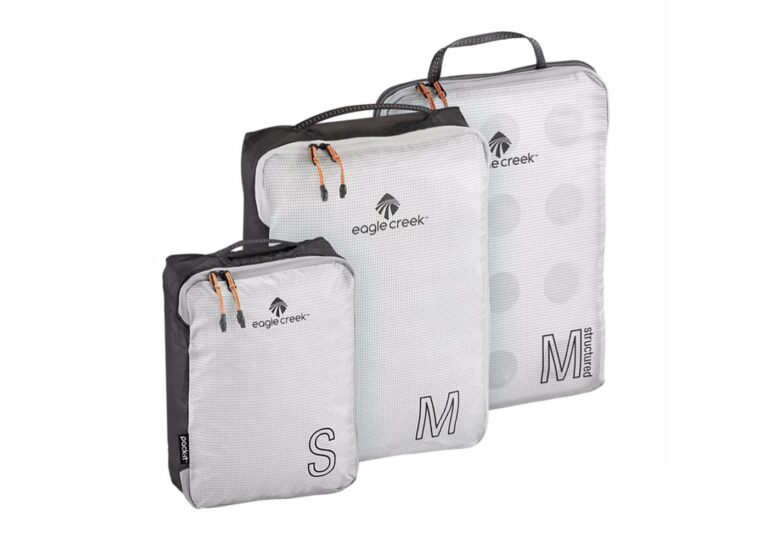
Weight matters more when you’re carrying gear or moving quickly through a city with frequent stops. Heavier boots can wear you down over long days, but some rugged designs justify the heft with added protection and durability. If you travel light or plan active itineraries, a mid-weight boot that blends stability with efficient energy return is often ideal. Packability is another consideration for multi-destination trips. A boot that compresses well or remains compact in a packing cube frees up space for other essentials. The best waterproof boots rain strike a balance: they are sturdy enough for wet conditions and light enough for comfort over long stretches. Visual cues to assess weight include the overall silhouette, the flex pattern, and the cushioning density. Testing with a short walk after selecting a size helps you gauge whether the weight feels burdensome over time or remains manageable for your typical RainyRoutes pace.
Durability is closely linked to materials and build quality. Look for reinforced high-wear zones and reliable fasteners that resist corrosion from salt spray or acidic rain. A boot that shows signs of early wear in stitching or outsole edges is a red flag for long-term reliability. Durability often correlates with price, but a modestly higher upfront investment frequently pays off through longer lifespans and fewer replacements. Your goal is to pair a reasonable weight with lasting construction that suits your rainy itinerary without turning your pack into a ballast of heavy gear.
Step 8 — Maintenance, Care, and Longevity
The longevity of waterproof boots rain hinges on proper care. After a rain-drenched day, wipe off mud and allow the boots to dry away from direct heat sources. Drying naturally helps preserve sealants and membranes. Regular cleaning prevents buildup of salts, mud, and grime that can degrade the waterproof layer and the boot’s outer finish. Re-waterproofing treatments, when appropriate for the boot’s materials, can restore protective performance after months of heavy exposure. Always follow the manufacturer’s care recommendations, since improper cleaners or heat exposure can damage membranes and adhesives. A routine that includes inspecting seams and eyelets after frequent use helps you catch potential failures before they become expensive problems on the road. If you’re a RainyRoutes traveler, maintaining your boots is as essential as choosing them because good upkeep keeps your investment performing well across seasons and routes.
Storage matters too. Keep boots in a dry, ventilated space. Avoid folding and storing them wet, which can degrade the materials and encourage odor. When you notice a loss of waterproofing performance, consider reproofing with a recommended product suited to your boot’s material composition. A well-maintained pair of waterproof boots rain remains a reliable workhorse for many seasons, especially if you adhere to a simple care routine that reduces the risk of cracking, creasing, or seam deterioration. Remember: care is both preventative and restorative, extending the life of your gear so it continues to serve you well on future rainy routes.
Step 9 — Budgeting, Brands, and a Pragmatic Shopping Approach
Budgeting is a practical step in this process. Waterproof boots rain come in a wide price range, and the best value often lies in models that balance durable construction with reasonable weight and a well-executed waterproof system. Start with a price ceiling that reflects how often you plan to travel in wet weather and how aggressively you will use the boots. A higher upfront investment can pay off with longer life and better performance across a broader set of rain conditions, while entry-level options can suffice for casual, occasional use. Your decision should blend personal budget with the anticipated longevity of the boot. Consider also the availability of spare parts such as replacement laces, insoles, and waterproofing treatments. Brand reputation, warranty terms, and service support should factor into your decision. The best approach is to create a short list of two to three models that meet your route profile and comfort criteria, then test them in real-world conditions if possible, even if only during a rainy weekend trip. This method minimizes buyer’s remorse and helps you select waterproof boots rain that you will actually wear and trust on demanding RainyRoutes.
To avoid analysis paralysis, lean on unbiased, evidence-based guidance when evaluating options. A practical way to compare models is to simulate a day in your typical weather: start with a dry morning and progress into light rain and then into a heavier shower. How does the boot respond to water exposure, heat, and movement? Do you feel the need to adjust your socks or insoles to maintain comfort through the day? Do you still feel confident on slick surfaces after several miles? These questions help you translate specs into lived experience. Additionally, keep your decision grounded in a realistic travel budget while considering the total cost of ownership, including care products and potential replacements over time. A careful balance between price, performance, and durability yields the best long-term value for your RainyRoutes ambitions.
For a consolidated buying guide that helps you navigate the landscape of waterproof boots rain with a brand-agnostic lens, consider exploring expert resources that break down membrane technologies, outsole compounds, and practical fit recommendations. This makes it easier to identify models that align with your route profile and comfort preferences without getting drawn into marketing hype. The goal is to arrive at a purchase decision you feel confident about, grounded in the evaluation you’ve conducted and ready for the next stage of your RainyRoutes journey.
As you finish this step-by-step evaluation, you will be ready to translate your findings into a concrete selection strategy tailored to your RainyRoutes adventures. The next section will move from evaluation to hands-on testing, helping you validate your top choices through controlled wear tests and field trials. Specifically, Part 3 will cover practical wear-testing protocols, real-world scenario simulations, and a final shopping checklist designed to ensure your waterproof boots rain are ready for the weather of 2026 and beyond.
Advanced Guidance for waterproof boots rain: Longevity, Care, and Future-Proofing Your Rainy Routes
In 2026 RainyRoutes readers demand gear that withstands misty adventures as reliably as forecasts. The real edge is not just picking the right pair but building a long-term care plan that turns waterproof boots rain into trusted travel partners across seasons and destinations.
Longevity strategies for waterproof boots rain
Longevity begins at design and usage. Look for a boot with a reinforced toe, a sturdy midsole, and a waterproof membrane rated for daily drench. The best waterproof boots rain balance protection with comfort so you don’t compensate with awkward gait that hastens wear. If you treat them well, these boots will outlast fashion cycles and rough routes. The goal is to maximize miles per dollar, not just to minimize upfront cost.
Waterproof boots rain: material choices that outlast seasons
Full-grain leather with a sealed membrane provides classic durability, while modern synthetics and mesh reduce weight and allow faster drying. Hybrid uppers can offer the best mix for rainy routes. In a city drizzle or misty trail, a boot that blends a durable barrier with a grippy outsole is ideal for waterproof boots rain. Check warranty terms and the repairability of the seams and sole. Consider the environmental footprint of materials too, as 2026 sees growing emphasis on responsible sourcing for waterproof boots rain.
Proactive care routines for waterproof boots rain
Maintenance is cheaper than replacement. A simple, consistent routine protects against cracks, odor, and membrane failure. Start with a post-trip wipe-down, then a scheduled reproofing and conditioning cycle. Your waterproof boots rain will stay supple, water-tight, and ready for the next deluge when you invest a few minutes after each use.
Cleaning after wet trips for waterproof boots rain
Remove laces and insoles. Brushing loose dirt helps, then rinse with lukewarm water. Use a mild soap if needed and avoid harsh cleaners that can degrade membranes. Rinse thoroughly to remove detergent residue. Drying should follow with care; residual soap can attract moisture and bacteria that invite odors for waterproof boots rain.
Drying and deodorizing
Stuff boots with newspaper or paper towels to wick moisture quickly. Air-dry away from direct heat or sun, which can dry and crack uppers or warp the shape. Do not tumble-dry. Once dry, deodorize with baking soda or a brand-specific deodorizer to keep the interior fresh, especially after long drizzles in rainy routes and moody landscapes for waterproof boots rain.
Conditioning leather vs synthetic
Leather uppers benefit from conditioning to maintain flexibility and prevent drying. Use products designed for waterproof boots rain leather and apply sparingly. For synthetic uppers, choose breathable, water-based conditioners that won’t clog the membrane. Always test a small hidden area first. This technique preserves waterproofing without sacrificing flexibility for waterproof boots rain.
Material science and repairs for waterproof boots rain
Understanding membranes, seals, and outsole compounds helps you decide when to repair and when to replace. In many cases, regular maintenance can extend life by years, not months, for waterproof boots rain. The goals are to maintain waterproofness, traction, and comfort.
Membranes and seals in waterproof boots rain
Membranes such as Gore-Tex, eVent, or brand-specific layers supply the water barrier while allowing vapor to escape. When seams split or the membrane delaminates, professional repair is often the most cost-effective option for waterproof boots rain. Check warranty coverage before attempting DIY fixes on complex membranes.
Treating leather and synthetic uppers
Leather benefits from periodic waterproofing sprays or wax-based sealants. For leather, rehydration and conditioning can rejuvenate the surface, but avoid over-saturating. Synthetic uppers may require lighter, breathable coatings; avoid silicone-heavy products that can clog pores. The right routine keeps waterproof boots rain flexible and waterproof, extending life and performance.
Storage and seasonal off-season care for waterproof boots rain
Off-season storage matters just as much as daily use. A smart routine reduces odor, mold, and deformation, keeping waterproof boots rain ready for next year’s moody routes.
Boot trees, forms, and shape retention
Fill boots with paper or use boot trees to maintain shape. This avoids creasing and helps preserve collar structure. For taller boots or models with stiff shafts, consider a soft insert that maintains the silhouette during long storage periods. Proper form helps waterproof boots rain keep their fit and grip for the next thousand drizzles.
Rot, mold, and moisture control
Never seal damp boots in airtight containers. Store in a breathable bag or on a rack where air circulates. If you have to pack them away damp, ensure they’re fully dry first. Silica gel packs can help control humidity in the box. These steps prevent mold and odors from developing in waterproof boots rain.
Repair and refurbishment for waterproof boots rain
Not every issue warrants replacement. When you can patch or refurbish, you save money and reduce waste while keeping you prepared for rain-soaked adventures in waterproof boots rain.
When to patch vs replace
Small punctures or seam leaks can often be patched with repair kits or by a skilled cobbler. Major delamination, sole separation, or severe membrane failure typically requires replacement. Always weigh current mileage against repair costs and environmental impact for waterproof boots rain before discarding.
DIY repair steps for waterproof boots rain
Keep a compact repair kit with seam sealer, flexible adhesive, spare laces, and a repair patch for leather. For membranes, consult a pro for resealing to avoid trapping moisture. With care, waterproof boots rain can be revived for many more trips, maintaining a high return on investment and mood in the moody weather.
Future-proofing your rain routes with waterproof boots rain
Future-proofing means planning around evolving weather patterns, new materials, and repair-friendly designs. Your boots should adapt to changing conditions in rainy routes and the Mystic Outlands where rain intensifies and terrain varies.
Upgrades and modular design concepts
Seek replaceable insoles, adjustable lacing, and reinforced uppers that can be upgraded as technology advances. A modular approach reduces waste and allows you to tailor waterproof boots rain to new adventures without buying a whole new pair. Consider removable components like liners that upgrade warmth and breathability without a full refresh.
Recyclable materials, warranties, and take-back programs
Brands offering repair services, recycling options, or extended warranties reduce environmental impact and extend the product’s life in waterproof boots rain. Always verify terms and coverage, especially for wear-through in persistent rain and heavy use on damp trails.
Digital gear management and maintenance logs
Keep a simple maintenance log of cleaning, reproofing, and repairs. Warranty apps or care trackers can help organize this data. A maintenance log makes waterproof boots rain a well-documented asset for travel planning and resale value, while helping you budget future purchases for rainy routes.
Sustainability, ethics, and budget considerations for waterproof boots rain
Embrace RainyRoutes ethics by choosing gear that respects the environment and your wallet. The right decisions reduce waste while maximizing performance across the life of the product in waterproof boots rain.
Lifecycle cost and value
Compute cost-per-wear rather than upfront price. A sturdy boot that lasts several seasons can outperform cheaper models that fail early. For waterproof boots rain, invest in durable components and proven waterproofing to maximize mileage and mood-elevating experiences on damp days.
Take-back programs and repurposing
Many brands offer take-back or recycling programs. If yours does not, seek local repair shops or charitable programs to extend the life of worn components. Align this choice with RainyRoutes values—protect moody destinations and minimize waste through better lifecycle planning for waterproof boots rain.
Practical checklists for waterproof boots rain
Have a clear maintenance cadence and stick to it. Before a trip, inspect seams, test waterproofing, and pack a small repair kit. During a trip, monitor tread wear and membrane integrity. After each journey, record care actions and plan the next reproof. A simple routine keeps waterproof boots rain reliable for every drizzle.
- Pre-trip: inspect seams, dry boots after storage, apply water-repellent treatment, and check laces.
- In transit: wipe mud, avoid extreme heat, and keep laces tidy to prevent snagging.
- Post-trip: clean, dry, deodorize, and store in a cool, dry place to preserve waterproof boots rain.
Outbound resource
For additional expert care guidelines, see this trusted resource on boot maintenance: Boot care basics. It complements in-house tips for waterproof boots rain and helps you build a robust, science-backed care plan, ideal for the RainyRoutes community seeking durability and performance.
Warranty, support, and community guidance
Always check warranty terms before purchase, and keep receipts and care records. Join RainyRoutes community groups to share repair stories and maintenance routines for waterproof boots rain. Seeing how others handle tough days helps you learn faster and keep your gear performing in all seasons.
Conclusion
In summary, longevity, care routines, and future-proofing are essential to get the most from waterproof boots rain on every rainy route. By combining sound design choices, disciplined maintenance, proactive repairs, and a forward-looking mindset, you extend the life of your gear and your adventures. Ultimately, you gain confidence that your waterproof boots rain will perform reliably from fog-bound Highlands to charming London drizzle, turning damp days into unforgettable journeys. To conclude, make care a habit and invest in quality that lasts, not fleeting trends. So take action now: inspect your boots, schedule a care ritual, and choose a plan that keeps waterproof boots rain ready for 2026 and beyond. Ready to elevate your moody travels? Explore RainyRoutes for gear guides, route ideas, and community tips, and remember that the right waterproof boots rain transform every drizzle into fairy-tale moments.