Typhoon Japan Itinerary on a Budget
Typhoon Japan Itinerary on a Budget for Moody Travel Adventurers
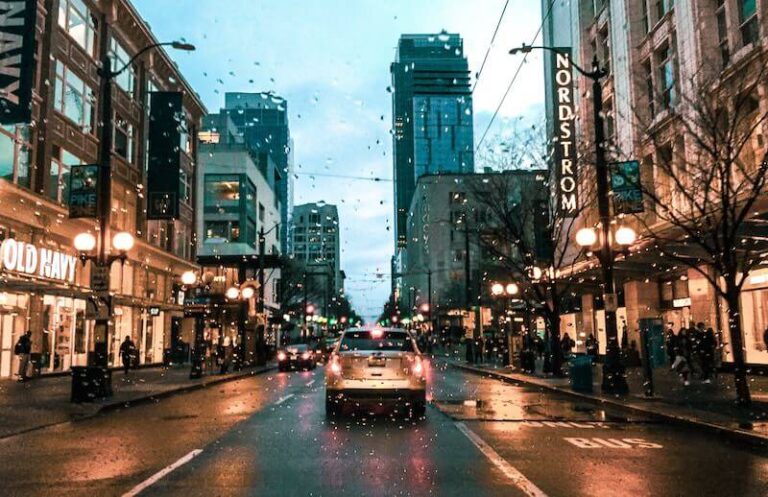
Welcome to Typhoon Japan Itinerary on a Budget for Moody Travel Adventurers, a guide built for travelers who seek atmosphere over postcard perfection. The rainy season in Japan can be dramatic, and it often arrives with dramatic skies, neon reflections, and misty streets that feel cinematic. This typhoon Japan itinerary prioritizes thrift without sacrificing experience, helping you chase culture, flavors, and unforgettable moments even when the weather tests your plans. You’ll learn how to time your visit, pick places that stay lively despite rain, and camp out in cozy, affordable stays that make mood-driven travel possible. By embracing weather as a character in your journey, you’ll unlock a slower pace, deeper connections, and better value. In short, you’ll see how a little rain can become a big part of your story, not a roadblock to your budget goals.
Throughout this section, you’ll find practical strategies for forecasting, packing, and navigating Japan’s cities when clouds roll in. The goal is to empower moody travelers to stay flexible, safety-conscious, and entertained regardless of forecasts. You’ll also discover how weather can reveal unexpected beauty—quiet shrines, misty mountain trails, and neon-soaked alleyways that glow in the rain. Let’s begin by framing the typhoon season as a character in your itinerary, not a villain to fear.
To keep our guidance concrete, we’ll weave in regional hints, budgeting tips, and real-world examples that apply in 2026 and beyond. For forecasts and official alerts, consult a trusted source like the Japan Meteorological Agency.
Now, let’s dive into how to approach timing, safety, and budgeting so your typhoon adventure remains vibrant, affordable, and entirely memorable.
Understanding the typhoon Japan itinerary: Timing, Risks, and Budgeting
Crucially, typhoons are seasonal guests in Japan. They bring heavy rain, strong winds, and sometimes travel disruptions. Therefore, planning around weather windows is essential. Start by acknowledging that some days will be wetter than others, and several attractions may close temporarily. However, this reality also opens doors to low-cost options: fewer crowds, cheaper flights, and intimate indoor experiences. In addition, many cities maintain excellent indoor cultural scenes—museums, markets, and cooking classes—that shine during rainy spells. The core intent here is balance: enjoy the mood of the rain while safeguarding your time and budget. The following sections outline a practical approach to timing, risks, and budgeting that reputable travelers use to keep their Typhoon Japan Itinerary on track.
First, identify your broad travel window. The Japanese typhoon season typically runs from July through October, with peak activity often in September. For a budget-friendly moody itinerary, aim for shoulder weeks—periods just before or after the peak—that still offer reliable rail service and open attractions. Crucially, flexibility is your strongest asset. If a forecast shifts, pivot toward museums, curry houses, traditional markets, or scenic viewpoints reachable by covered transit. In short, expect some shifts and plan accordingly.
In terms of risk, don’t underestimate rain and wind. Pack footwear with good grip, a compact umbrella, and a breathable rain shell. Keep valuables safe and consider travel insurance that covers weather-related disruptions. For active plans, have reserve days and indoor alternatives ready. This reduces the sting of cancellations and keeps your budget intact. With a proactive mindset, you can transform weather unpredictability into an authentic, atmospheric journey rather than a breakdown of plans.
Budgeting for a typhoon-season itinerary means prioritizing experiences that are low-cost yet high-enjoyment. Favor public transit passes for long hops, inexpensive guesthouses or business hotels, and free or cheap cultural experiences—temples, gardens, and city parks. Food budgets can be smartly managed by visiting local markets, convenience stores with ready-to-eat meals, and tidy izakaya lunch sets. By pairing weather-aware planning with frugal choices, you maintain momentum without overspending.
Therefore, your typhoon Japan itinerary should center on adaptive daily goals, not rigid hour-by-hour schedules. In Part 2, we’ll explore region-by-region planning, transport options, and how to build a budget-friendly route that aligns with regional rain patterns and seasonal events. For now, focus on building a flexible skeleton: a few core hubs, a handful of rainy-day activities, and a contingency plan that keeps costs in check while preserving mood and momentum.
Timing window: When to travel during the typhoon Japan itinerary
The main window is July through October, with September often the most active. If you want fewer storms, consider late August or early October when systems wane but the landscapes stay lush. In practice, you can still visit major cities during peak weeks, but prepare for weather-related changes to your daily plans. The key is to book flexible accommodations and keep transportation booked with forgiving policies. In addition, monitor local forecasts regularly and adjust your pace to weather updates.
When a storm rolls in, switch to indoor culture: museums, galleries, sumo stables tours, and food halls. If you still crave outdoors, target short, sheltered experiences like riverside promenades with rain gear, or misty mountain views accessible by covered cable cars. This approach helps you maximize mood while minimizing cost and disruption.
Safety and contingencies: Alerts, insurance, and mobility
Always stay informed through official alerts. The Japan Meteorological Agency provides reliable forecasts and warnings. Carry a basic rain kit and a compact emergency plan that includes alternative routes and backup lodging. Insurance that covers delayed or canceled travel can save you from sudden cost spikes. Above all, keep mobile data active for real-time updates and use public transit as your primary mode of movement during adverse weather.
Budget Mindset for Moody Travel Adventurers
Moody travel thrives on thrift without scrimping on atmosphere. Start with the basics: a sensible daily budget, flexible reservations, and a willingness to embrace rainy-day activities that reveal Japan’s intimate side. Therefore, you’ll find value in staying in simple, characterful spaces rather than luxury suites. In addition, street-food meals and casual eateries often deliver superb flavors at a fraction of hotel-dining costs. You’ll also gain by prioritizing experiences that are low in price but high in local flavor—restaurant markets, temple visits on donation-based grounds, and artisan workshops that welcome walk-ins. The result is a typhoon-friendly budget that still feels rich in mood and memory.
Moody travelers should also optimize packing to reduce costs from squall days. Pack a compact rain shell, quick-dry layers, and sturdy water-resistant footwear. A small dry bag protects electronics during heavier showers. At meal times, seek out bento shops, convenience-store meals, and casual izakayas. These options keep meals flavorful and affordable. Finally, lean on regional rail passes when they fit your route; they can unlock significant savings on long-distance hops between cities while maintaining flexibility for weather changes.
Gear and packing Essentials for Rainy, Windy Days
- Compact rain jacket with ventilation
- Lightweight waterproof pants and quick-dry layers
- Breathable moisture-wicking tees
- Waterproof shoes or sandals with traction
- Dry bag for electronics
- Foldable umbrella and hat for sun/rain versatility
- Compact power bank and universal adapter
- Small thermos or insulated bottle for warm drinks
With the right gear, you stay comfortable and confident, turning a rainy day into a chance for intimate, slow travel. In addition, choosing flexible lodging helps you re-route plans without additional costs.
Budget accommodation hacks for a typhoon budget
Look for business hotels, capsule hotels, or guesthouses close to transit hubs. Booking platforms that offer free cancellation make sense in weather-heavy seasons. Alternatively, consider longer-stay apartments with kitchen access to save on meals. Above all, select accommodations with reliable rain amenities like covered walkways and indoor lounges for late-night rain.
Regions and Weather: Where to Base Your typhoon Japan itinerary
Weather can vary by region, even during typhoon season. Therefore, choose hubs that keep you busy regardless of rainfall. Tokyo and the surrounding Kanto region offer abundant indoor activities and efficient transit to nearby cities. Next, Kansai (Osaka and Kyoto) provides cultural depth and convenient rail links to inland and coastal areas. Kyushu in the southwest often presents friendlier prices and lush scenery with good shelter options during rain. Hokkaido, while farther north, can provide a cooler, drier alternative later in the season if a storm tracks east of Honshu. Finally, Shikoku and the Chubu region offer scenic landscapes and regional cuisine that shine in mist and drizzle.
- Tokyo / Kanto — extensive museums, planning options, and strong transit networks.
- Kansai (Osaka, Kyoto, Nara) — rich culture and abundant indoor activities.
- Kyushu — budget-friendly stays, hot springs, coastal scenery.
- Chubu / Nagoya area — gateway to Japanese Alps and scenic towns.
- Shikoku — less crowded, authentic rural experiences.
Crucially, plan to spend more time in indoor venues if forecasts predict heavy rain, and use short travel hops to maximize weather-friendly windows. This approach helps you sustain momentum while keeping costs under control.
Transportation and Budget Travel: Getting Around During Typhoon
Transport remains your most important ally when the weather turns. Rail networks in Japan are extensive, efficient, and generally reliable, even in wet conditions. Therefore, consider a regional or national rail pass when your route involves multiple cities. In addition, buses and local trains can be cheaper, cheaper still when you book in advance. Be prepared for occasional service disruptions; always have backup routes and alternative days in your plan. Practical choices include staying near major stations, which helps you quickly pivot during a weather alert.
For city-hopper trips, fly-by options like late-night trains or overnight services can save both time and lodging costs. On days with heavy rain, opt for shorter hops or a direct trip that minimizes transfers, reducing the chance of weather-related delays. In all cases, monitor forecasts, confirm schedules the morning of travel, and keep flexible with timing. This resilience translates into fewer headaches and more mood-sustaining moments during the typhoon season.
To conclude Part 1, the typhoon season is not merely a challenge; it is a lens to experience Japan’s urban energy, culinary richness, and quiet countryside in new ways. In Part 2, we’ll dive into regional, region-by-region itineraries, specific budget calculations, and practical tips for transporting between hubs during typhoon season. Stay tuned for the next installment, where the regional Typhoon Travel playbook unfolds with exact routes, budget allocations, and storm-ready pacing to complete your Typhoon Japan Itinerary on a Budget.
Execute the Typhoon Japan Itinerary on a Budget: Step-by-Step Weather-Ready Navigation
Crafting a budget-friendly typhoon Japan itinerary that stands up to weather challenges
Crafting a budget-friendly typhoon Japan itinerary that stands up to weather challenges requires more than a fixed map; it demands a mindset tuned to forecasts, resilience, and flexibility. In rain-soaked months, a day of sightseeing can flip to an indoor discovery with little warning. The goal of this part is to convert weather intelligence into a practical plan that preserves safety and curbs costs. You’ll learn to select venues and routes that stay accessible during storms, to shift days without losing momentum, and to reserve funds for essential shelter and transit when the weather tightens its grip. By treating weather as a partner rather than an obstacle, you can maintain momentum while avoiding unexpected expenses from cancellations and last-minute bookings. This approach also helps you build a contingency budget that covers sudden shelter needs, pay-as-you-go transit changes, and the subtle price differences between peak and off-peak hours. Throughout, you’ll see how modest, deliberate choices create a powerful weather-ready rhythm for a misty, moody journey through Japan.
Weather-monitoring protocol: daily checks, alerts, and backup plans
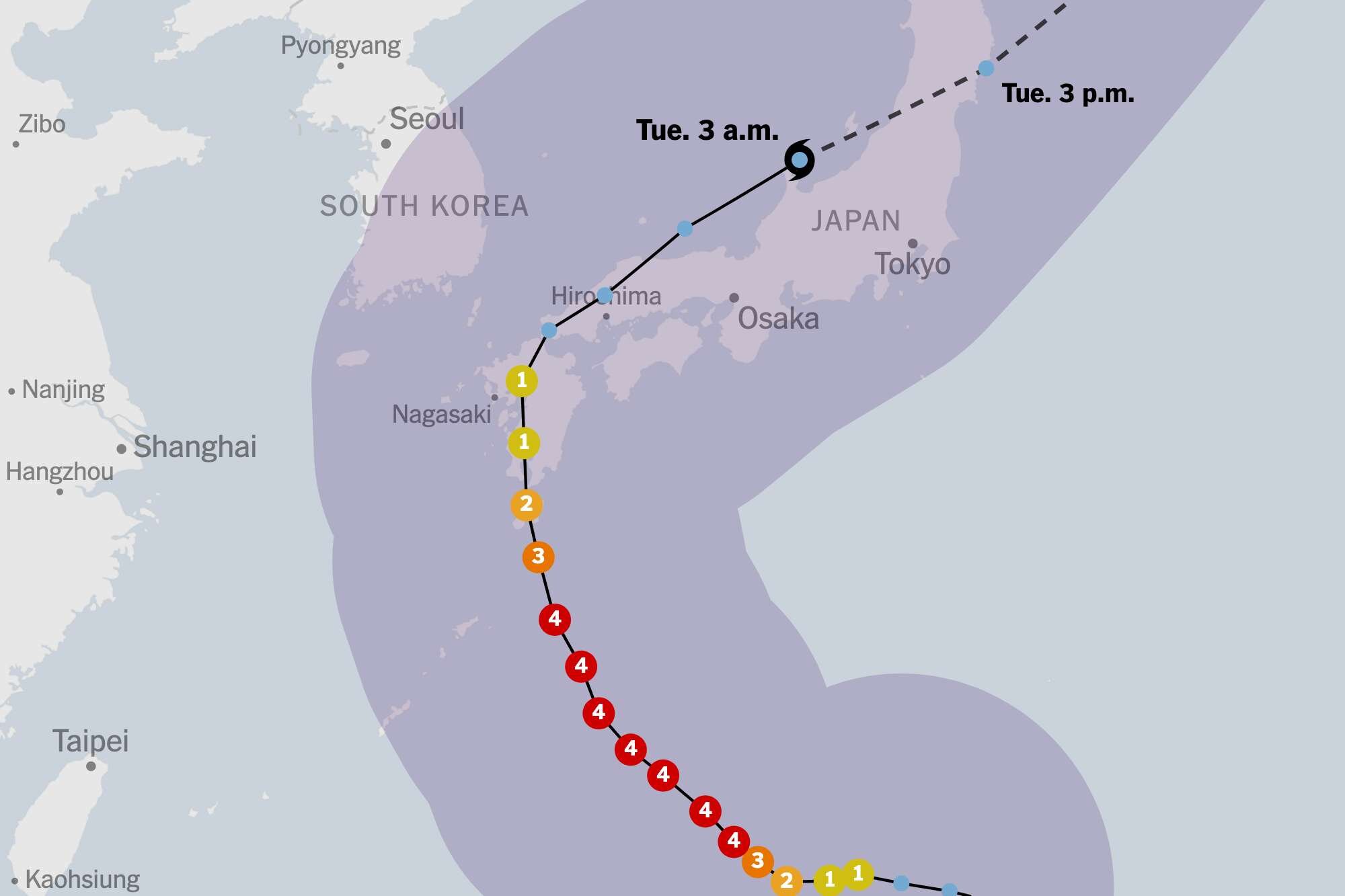
Begin with a reliable weather routine. Set a fixed morning check and an evening recap to review overnight forecasts and typhoon trajectories. Rely on official feeds from the Japan Meteorological Agency and trusted app partners to interpret wind speeds, rainfall intensity, and landfall risk. Specifically, create a simple decision framework: if forecasted rain is light and the track aligns with mild winds, you can proceed with outdoor sightseeing; if the track threatens heavy rainfall or storm surge, switch to indoor activities or protected transit corridors. Furthermore, keep a buffer day here and there to absorb delays, and always have alternative routes that keep your budget intact even when the forecast shifts. For authoritative alerts, visit the Japan Meteorological Agency. Finally, synchronize this routine with your daily budget plan by predicting where you might save time and money when the weather improves.
Adaptive transportation strategies: staying on budget when typhoons disrupt schedules
Adaptive transportation strategies form the backbone of a budget typhoon itinerary. In practice, transportation costs can spiral when storms disrupt long-haul plans. Specifically, familiarize yourself with flexible tickets, free cancellation policies, and the local transit passes that stay usable in inclement weather. Instead of forcing a long train ride on a storm day, consider short hops by bus or subway routes that run more reliably during heavy rain. Moreover, lean on reliable shelters—covered shopping streets, museums with late hours, and community centers—that allow you to wait out a downpour without breaking your daily budget. In many cities, rainy weather also queues up a wealth of indoor experiences that reveal a different mood of the country, from atmospheric architecture to intimate cafes with rain-tinted windows. The key is to book accommodations with forgiving policies, schedule back-up routes in advance, and communicate clearly with local guides who can help you rearrange days without penalties.
Indoor experiences that keep the mood alive when rain keeps you indoors
Indoor experiences can shine just as bright as outdoor sights when the sky opens up. When a typhoon steps in, redesign the day to explore museums, aquariums, temples with shaded courtyards, and markets that shelter you from the elements. For example, predictable indoor routes in major hubs offer high value: you can combine art and history with affordable entrance fees, then finish with a camera-friendly stroll along neon-lit promenades after the rain. Specifically, plan a sequence that anchors the morning in a traditional garden house or a science museum, and then pivot to a late afternoon tea ritual in a quiet neighborhood cafe that feels like a retreat from the rain. The aim is to keep your costs reasonable while preserving the sensory delight of mist and soundtrack of rainfall.
Packing and gear that reduce costs and increase safety during typhoon season
Packing and gear choices directly influence both safety and budget. Pack lightweight rain shells and a compact umbrella, but prioritize moisture-wicking layers and waterproof footwear that keep you comfortable through long walks on slick streets. A sturdy power bank and offline maps are essential when mobile service wobbles during a storm, and a waterproof bag protects cameras and passports from sudden downpours. Specifically, think in layers: morning humidity, afternoon deluge, and evening chill. The more you prepare, the less you’ll need to purchase on the ground at premium prices. If you do need to replace gear, buy second-hand or from budget-friendly outlets away from tourist zones, where the prices tend to be kinder during storm spikes. Also, choose compact gear that fits in a small daypack; every gram saved reduces the chance of extra baggage fees or missed connections in crowded shelters.
Crisis budgeting: saving while staying safe when weather changes plans
Crisis budgeting is a core skill in a typhoon itinerary. Insurance that covers weather-related delays, refunds, and medical needs can be surprisingly affordable and is worth purchasing ahead of departure. In practice, expect abrupt changes to your plan and allocate a contingency fund for shelter, last-minute transport, or a temporary hotel. Specifically, use free cancellation windows for your core stays and keep flexible reservations that you can adjust online without penalties. Moreover, maintain digital copies of all confirmation numbers and a simple plan B, so you can pivot quickly. When you negotiate with operators or hotels, a polite, proactive request for rescheduling often yields a better rate than a late cancellation.
Step-by-step navigation: turning weather updates into daily plans
Step-by-step navigation during a typhoon becomes a weather-driven choreography rather than a rigid timetable. Start with a forecast snapshot in the morning, then translate it into a practical decision about whether to venture outdoors, switch venues, or pause for a day. Furthermore, identify two clearly defined indoor anchors for every day—one cultural, one culinary or shopping-based—so you stay anchored to the local experience even when rain interrupts your route. As you proceed, track your expenditures alongside the weather, trimming activities that require costly transit or timed entries when the forecast worsens. Specifically, maintain a lightweight itinerary that can be scaled up or down while staying within budget. Your daily choices should reflect both the forecast and your personal safety thresholds, not just a ticking clock.
A practical example helps bring this approach to life
Suppose a morning forecast promises heavy rain and gusty winds along your coastal route. Rather than push forward to a seaside temple, you adjust by starting indoors at a renowned museum, followed by a sheltered stroll through a covered market district with affordable snacks. In the afternoon, you switch to a riverfront promenade you can enjoy from a cafe with large windows and a view without leaving the shelter of the building. In contrast, if the forecast remains moderate and windows of sun open up, you regain the outdoor plan but still keep an option to retreat to a museum for safety. The core idea is to treat the day as a flexible unit, with the weather dictating breaks into safe, budget-conscious indoor experiences. This is how a typhoon-ready itinerary stays on track and on budget.
Practical money-saving and safety tips for typhoon travel
Budget-conscious tips extend to money management and timing. Use free public attractions on weekdays when crowds are lighter and weather is unpredictable; take advantage of student or senior discounts where applicable; and combine big-ticket venues with nearby free galleries to balance your daily spend. Additionally, limit night outs during rainy spells, and rely on local markets for inexpensive meals that still deliver authentic flavor. In many cities, a well-planned route through public parks and covered arcades yields the same mood as a stormy coastal scene, without the premium price tag. Overall, the focus is on economy without sacrificing the feeling of a misty, moody journey through Japan during typhoon season.
Weather intelligence in practice: turning updates into action
Putting weather intelligence at the center of your planning pays off in both safety and value. When storms shift tracks or intensity, you will already have a decision framework, backup routes, and affordable indoor alternatives ready to deploy. By balancing cautious weather protocol with budget-smart choices, you transform potential disruption into a more intimate, atmospheric experience of Japan. Specifically, you can maintain a steady rhythm that respects safety while still delivering the rain-slicked, cinematic mood that RainyRoutes fans crave. And you will know, with every forecast update, where to go next without blowing your travel budget. In Part 3: Budget Lodging and Money-Saving Hacks During Typhoon Season, we will explore affordable stays, flexible booking strategies, and how to stretch every yen without compromising safety or mobility.
Advanced Typhoon Japan Itinerary Tactics: Final Guidance for Rain-Savvy Journeys
In this final section, we consolidate practical tactics that elevate a typhoon influenced trip into a measured, enjoyable, and safe experience. You will learn how to lock in flexible plans, harness weather intelligence, and adapt transit, lodging, and activities without sacrificing mood or budget. The aim is to empower you to navigate misty seas, dramatic skies, and moody streets with confidence while keeping costs predictable and experiences rich. This is the culmination of a methodical approach built for travelers who treat storms as a design feature rather than a disruption.
Refined Planning for the typhoon Japan itinerary
Flexibility is your core asset. Start with a cover plan that can expand or contract by 24 to 72 hours depending on storm tracks. Create a fallback day grid that preserves essential must-sees while letting you liquidate optional experiences if rain intensifies. Build in buffer periods after major rain windows so you can recover pace and keep your progression cohesive. In practice, draft three micro-itineraries: A baseline where conditions are comfortable, a storm-leaning version that emphasizes indoor or sheltered experiences, and an emergency version that focuses exclusively on comfort and safety in a single locale. This triad prevents paralysis and helps you move decisively when forecasts shift. Remember to set flexible booking terms on accommodations and tours, and favor places with generous rescheduling policies. When you see a forecast change, update your plan immediately and communicate changes to companions to prevent misalignment and stress.
For the budget, pre-book refundable options where possible and reserve non-refundable items only when you’re confident about the storm window. This approach reduces sunk costs while preserving your ability to pivot. Your typhoon Japan itinerary should feel like a living document, not a rigid schedule. In practice, carry a pocket notebook or a lightweight digital doc where you record forecast cues, alerts, and your daily decisions. The habit of logging decisions makes post-trip reflection simpler and helps you refine future typhoon journeys.
Weather intelligence toolkit for rain-savvy journeys
Intelligent travel through typhoon seasons hinges on reliable weather intelligence. Start with official sources for critical warnings and track updates in real time. Subscribe to multiple feeds so you’re not reliant on a single forecast model. Use a mix of forecast horizons—nowcast for the next 6–12 hours, short-range for 24–48 hours, and mid-range for the broader window—to shape your daily plan. Practical tip: check weather first thing in the morning and again before dinner. Small updates can justify moving a museum visit to the afternoon and keeping a temple stroll indoors gallery loop during heavier rain. For accuracy, cross-check wind advisories with precipitation probabilities and sea-state indicators if you’re near coastal paths or ferry routes. Always interpret typhoon data in the context of your local environment—narrow alleys can flood quickly and cause mobility bottlenecks even when forecasts look mild. For authoritative weather tracking in Japan, consult official briefings at the Japan Meteorological Agency’s Typhoon Information hub: JMA Typhoon Information.
Real-time decision protocols: morning checks, midday adjustments, evening prep
Adopt a simple decision protocol that You can repeat daily. Morning: review the latest forecast, sea-state updates, and transit advisories. If rain is forecast at your preferred time, shift the day’s focus toward indoor experiences or sheltered neighborhoods. Midday: reassess movement plans after lunch. If transit disruptions occur, switch to slower, more reliable options such as buses or on-foot routes with cover, and always know the nearest shelter points or cafes with reliable Wi-Fi. Evening: lock in the next day’s plan and communicate changes to your travel partners. Document decisions in your travel log so you can learn what forecast cues reliably predicted disruptive weather. Short, decisive adjustments reduce risk and fatigue while preserving mood and momentum. This approach keeps your typhoon Japan itinerary nimble and reduces the chance of being stranded in uncomfortable or unsafe conditions.
Technology can assist without overwhelming you. Use offline maps for areas with spotty connectivity, keep weather alerts on your phone, and save a handful of indoor-worthy venues near your lodging as reliable fallback options. Keep the ratio of outdoor activities to indoors flexible: aim for more indoor experiences when rain is heavy and switch to outdoor possibilities when there are brief lull periods.
Transit tactics: trains, buses, and taxis under storm conditions
Transit is the backbone of your moody travel story. In Japan, rail networks tend to be well managed, but storms can trigger delays or temporary suspensions. Plan around known weather patterns: mornings often offer the calmest windows, while late afternoon or evening periods can bring stronger gusts and localized flooding. Build your route with redundancy: know two alternate routes to every key stop—one with rail, another with bus or taxi as backup. If JR lines are disrupted, local private rail or bus services may still operate, so map your day to include a buffer for mode-switching time. When storms intensify, taxis become practical speed-and-protection solutions, but be mindful of surge pricing during peak disruption periods. Budget accordingly by prioritizing flexible transport passes and cash allowances for unexpected detours. For coastal trips, always check sea conditions and harbor advisories before committing to ferry journeys. Staying close to major stations with covered walkways reduces exposure to rain and wind, preserving comfort during long days of movement.
In addition to transit strategies, packing for mobility is essential. Use compact rain gear with a reliable hood, waterproof footwear, and quick-drying layers. Pack a lightweight umbrella plus a compact poncho for rides or short walks in heavier rain. Outside of the umbrella, choose gear that breathes and dries quickly to avoid damp comfort issues during long transit days.
Smart packing for moody weather: gear, clothing, electronics
A well-curated kit makes a typhoon-aware trip feasible, comfortable, and budget-friendly. Core items include: a compact, packable rain jacket with a storm hood; quick-drying base layers; insulated mid-layers for cooler, rainy evenings; waterproof pants or over-trousers for prolonged rain exposure; water-resistant footwear with good grip; a small umbrella that won’t invert in gusts; a dry bag for electronics; and a universal charging kit with power bank and multiport USB-C. Consider a weatherproof camera bag, rain-safe phone cases, and screen protectors. For electronics, prioritize devices with good battery life and offline map access. Keep spare battery packs and a micro fiber cloth for lens cleaning during humid, misty days. A concise two-day packing list can be scaled up or down depending on the stay length and forecast confidence. Packing light reduces fatigue when moving between shelter points and helps you adapt quickly when forecasts shift.
Budget-savvy tactics during storm windows
Storm windows can become a budget opportunity if you exploit it wisely. Look for indoor-by-design experiences—museums, galleries, modern markets, and heritage houses—that operate regardless of weather and often have lower crowd levels during rainy periods. Select accommodations with strong value factors: central locations to minimize transit time, included breakfast to cut costs, and flexible cancellation to preserve your options if plans change. Eating out during rain can be postponed to late afternoon when mood and appetite align, and cafes or ramen shops near major stations can offer warmth, shelter, and reliable Wi-Fi without straining your budget. Consider bundled tickets or city passes only when they genuinely align with your revised indoor itinerary. If you’re traveling in a pair or group, rotating responsibilities for booking and refunds can lighten the burden and help you stay agile during storm windows.
To further protect your budget, maintain a simple expense log. Track transportation, shelter, food, and entry costs in a compact app or notebook. Set daily caps and adjust as the forecast evolves. The goal is to guarantee you get the most value from every damp, moody moment without overspending on non-essential experiences.
Photography, mood-capture, and storytelling in moody weather
Moody skies and reflective surfaces create dramatic images. Use the rain to enhance silhouettes, puddle reflections, and neon reflections. Favor slower shutter speeds for atmosphere, and protect your camera with weather-sealed housings or rain covers. Carry a microfiber cloth to keep lenses clean during mist and drizzle. Scout sheltered vantage points—covered bridges, arcades, or temple courtyards—to maintain photographic discipline when the weather deteriorates. A Typhoon-ready itinerary benefits from a structured storytelling arc: begin with misty street scenes, progress to indoor cultural spaces, and end with moody night photography in well-lit districts that maintain energy despite the rain. If flight-time photography is part of your plan, allocate early morning hours before storms intensify and use the golden hours of late afternoon windows when possible.
Safety, insurance, and health considerations
Safety remains the top priority in any typhoon-inspired itinerary. Ensure your travel insurance covers weather-related disruptions, medical needs, and evacuation costs in severe conditions. Carry essential medications in a clearly labeled container and have a simple plan for obtaining care in unfamiliar neighborhoods. Maintain visibility by wearing bright or reflective clothing when near active harbor areas or flooded streets. Keep a basic first aid kit, a small flashlight, and a whistle as a precaution during heavy rain or high winds. If you are traveling with companions who have mobility challenges or special needs, pre-plan the best sheltered routes and confirm support options at lodging and transit hubs. In all cases, stay alert for rising water levels and heed local advisories or instructions from staff at accommodations and attractions. If you determine a location becomes unsafe, move to a designated shelter or a well-covered indoor space and avoid flooded streets or exposed outdoor paths. For official safety guidelines, consult local authorities and your country’s travel advisories before and during your trip.
Local etiquette, cultural considerations, and mood-friendly etiquette during storms
In Japan, politeness and orderliness shine, especially during disruptions. Respect queueing norms for transit, line up patiently at shelters, and avoid blocking doorways in crowded indoor spaces. Show appreciation to staff at museums, galleries, and cafes who help you navigate weather changes with grace. When rain is heavy, avoid unnecessary loud conversations near sacred sites and maintain a calm demeanor—stormy travel should feel contemplative, not chaotic. If you’re sharing a shelter or cafe with locals, offer a small purchase to acknowledge the shared space and avoid monopolizing resources. In all cases, adapt to local rhythms; weather can alter opening hours and service availability, so flexibility demonstrates cultural sensitivity and reduces stress for everyone involved.
Weather-driven micro-plans: sample day-by-day frameworks
Day 1 baseline: arrive, check in, stroll an indoor market or museum, and end with a cozy cafe. Day 2: plan indoor experiences in the morning, with a potential outdoor stroll in a sheltered park during a brief lull, weather permitting. Day 3: shift to a longer indoor itinerary featuring galleries, temples with pagodas (often with covered walkways), and a performance or cinema evening. Day 4: reserve for travel to a new city only if forecasts show a window of calmer weather; otherwise, remain in a fixed, high-quality indoor plan near your lodging. This approach helps you stay calm and enjoy the atmosphere rather than chase perfect weather. Adjustments can be as simple as adding a rainy-day activity, switching a walking tour to an art museum, or choosing a cafe with an excellent view, rain or shine. Each micro-plan should reflect the local weather reality and be anchored by accessible indoor options, ensuring you maintain momentum even when storms threaten your original route.
Prime tips for the micro-plans: start with a weather check, confirm shelter options near lodging, identify two to three indoor alternatives for every outdoor activity, and keep a small fund for emergency transit changes. When you feel uncertain, pick the sheltered option and return to your baseline later in the day. This keeps energy high and mood steady, which is crucial for moody, rain-forward travel storytelling.
Tools, apps, and documentation: keeping records on the go
Documentation is not only about photos but also about decisions. Use a lightweight notes app to record forecast changes, route shifts, shelter choices, and budget updates. Maintain a simple color-coded system: green for good weather, yellow for watchful, and red for stop weather. A simple checklist helps you stay consistent: forecast review, route update, shelter confirmation, and partner briefing. Save offline maps for areas with weak connectivity and carry a small notebook for quick sketches or reminders. Having a clear, portable method to capture weather-driven decisions makes your typhoon journey easier to reflect on and share as a mood-driven travel narrative later. The right tools minimize uncertainty and maximize clarity, ensuring your typhoon Japan itinerary remains a vivid, manageable experience rather than a source of stress.
Conclusion and final thoughts: Embarking on a typhoon-influenced journey through Japan requires a disciplined blend of flexibility, weather literacy, and practical planning. By building a resilient plan, leveraging weather intelligence, confirming transit options under storm conditions, and maintaining a trimmed gear list, you can enjoy the moody beauty of rain-soaked streets while protecting your budget and wellbeing. Remember to log decisions, stay nimble, and prioritize shelter and safety without surrendering the spirit of discovery. The typhoon Japan itinerary you craft should feel like a story you control, not a storm you endure. Ultimately, your ability to adapt turns potential disruption into atmospheric, unforgettable moments. For travelers seeking a weather-forward, budget-conscious experience, this final guidance serves as your compass through mist, wind, and the shimmering glow of rain-lashed cities. If you’re ready to plan with confidence, start with a flexible framework, monitor forecasts daily, and let the mood of rain guide your choices toward authentic, memorable travel. In summary, embrace the typhoon Japan itinerary as a design principle for rain-savvy journeys and step into Japan with preparedness, curiosity, and the resolve to turn weather into wonder.