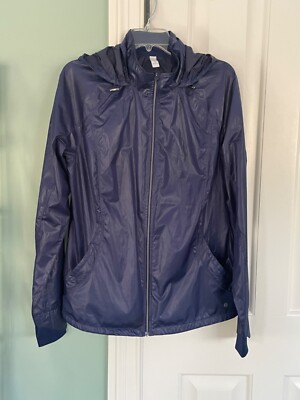
Quick Dry Layers Rain for Rainy Canyoneering
Rain turns canyoneering into a mystery and a challenge. At RainyRoutes, we know that success hinges on what you wear before you step into the mist. Quick dry layers rain are not a slogan but a system that keeps you comfortable, warm, and ready to move when weather turns. Think of it as the backbone of a canyon kit built for wet days: moisture moves away from your skin, dries quickly, and packs compactly for the next descent. If you’re plotting a rainy canyon mission in 2026, this foundation guide will help you pair fabrics, tailor fits, and care routines so every step through drizzle feels deliberate rather than damp and punishing.
In this introductory section, we set the stage for practical canyoneering prep. You’ll learn why quick dry layers rain matter, how to balance breathability with water resistance, and what to look for in base layers, mid layers, and shells. We’ll also cover the mindset shift required for wetter environments: the goal isn’t to avoid rain but to manage moisture so you stay warm, safe, and efficient as the canyon reveals its moods. By the end, you’ll have a clear mental model for choosing pieces, testing them on warm, damp days, and maintaining them so they perform when you need them most. Therefore, your next canyon expedition becomes less guesswork and more craft.
Quick Dry Layers Rain: Core Principles for Canyoneering Prep
Foundational quick dry layers rain hinge on three ideas: moisture management, warmth without bulk, and rapid drying after exposure. When you understand these principles, you can tailor a kit that breathes on the move and stalls evaporation when you pause. The first principle is moisture management. Your body generates sweat, and your clothing should transport that moisture away from the skin quickly. A poor layout traps damp heat, which saps warmth and robs you of energy on long canyons.
The second principle is warmth without bulk. You want insulation that doesn’t become a waterlogged sponge. Lightweight synthetic or blended mid layers shine here, delivering heat when you pause without weighing you down as you scramble over slick rock. The third principle is rapid drying. Materials that shed water and dry in minutes—versus hours—keep your system efficient and reduce the risk of chill after the sun dips behind canyon walls. In combination, these principles form a resilient base for rainy canyoneering adventures.
Base Layer Essentials
- Purpose: Move moisture away from the skin to the outer layers quickly.
- Fabric options: Synthetics such as polyester and nylon blends. Lightweight merino blends provide odor control and warmth when wet.
- Fit and comfort: Snug enough to wick but loose enough to layer without restriction.
- Care: Wash after trips to restore wicking and prevent fiber fatigue.
A true base layer should feel dry to the touch and keep your skin from staying damp. For canyoneering where you’ll cross wet benches and splash into pools, prioritize fabrics with high moisture transfer rates. In addition, consider seams and flatlock construction to minimize chafing on long approaches. For further reading on fabric performance and layering, see the practical guide at REI’s expert guidance on choosing a rain jacket.
Mid Layers: Insulation That Wicks and Dries
Mid layers should provide warmth without soaking up water. Look for fleece-backed or synthetic-insulation pieces with quick-dry properties. Fleece can be a friend in shaded canyons where wind chill bites, but avoid heavy, damp fleece that stays saturated for long periods. A slim, high-will mid layer made of brushed synthetic fibers adds loft without excessive water retention. The goal is to trap air, not water, so your core stays warm during breaks and descents alike.
Layering logic matters. In canyons where the air is cool but moisture-rich, you may wear a light mid layer during approaches and shed it as you descend into warm, damp slots. If the day grows especially chilly or you expect a late-afternoon storm, pack a resilient mid layer that dries quickly and stays lofted when damp. The right mid layer is your buffer between cold shell exposure and the warmth you need to keep moving with confidence.
Shells and Outer Layers: When to Wear a Rain Shield
Outer shells are the final line of defense against rain, wind, and spray from canyon pools. The best shells for quick dry layers rain balance waterproofing with breathability. A permeable, durable water repellent (DWR) coating helps water bead and shed rather than saturate. When you’re forced into spray or rain that lingers, a breathable shell lets moisture escape from the inside to the outside, reducing internal condensation and chilly dampness.
Shells come in different weights. Lightweight rain shells are ideal for fast-moving canyoneering where you’re often sweating and need to vent. Heavier shell configurations can be useful on exposed rims or during slower, careful maneuvers in persistent rain. The important thing is your shell should fit over your base and mid layers without restricting movement. Consider a jacket with a storm hood and adjustable cuffs to seal out rain at the face and hands, which are prime water-entry zones during scrambling and rappel setups.
Breathability, DWR, and Water Resistance
Breathability is not optional when you’re navigating canyon air and climbing sun-dappled slickrock that still carries mist. Pair breathable shells with moisture-wicking layers underneath to maintain comfort. DWR coatings help water bead up and roll off rather than soak through. Note that DWR can wear off with abrasion and washing. Reproofing treatments and timely maintenance extend the life of your shell’s water resistance, especially after multiple canyon trips.
Fabric Technologies in Quick Dry Layers Rain
Understanding fabric technologies helps you pick pieces that last through rough canyoneering cycles. Synthetics are fast-drying and generally durable. Merino blends offer odor resistance and warmth when damp. Hybrid fabrics blend fibers to balance moisture management, warmth, and weight. In canyoneering, you benefit from fabrics engineered for rapid evaporation and continued comfort under load. The best combinations typically pair a moisture-wicking base with a light insulating layer and a breathable shell, tuned to your canyon’s typical climate and season.
Synthetics vs Merino: Pros and Cons
Synthetics dry quickly and shed moisture well, which is valuable in wet canyons. They also tend to be affordable and robust against abrasion. Merino, while slower to dry than pure synthetics, offers warmth when damp and excellent odor control. For trips that involve long approaches through drizzle, a base layer with a merino blend under a synthetic shell can strike a balance between comfort and performance. Consider your priorities: speed of drying versus warmth retention when stationary.
Blends that combine synthetic fibers with wool or natural fibers provide a compromise. They often achieve better heat retention at a lower weight, while remaining relatively quick to dry compared with heavier wool garments. As you select fabrics, prioritize flatlock seams, minimal bulk, and fabrics that resist pilling, fraying, and snagging on canyon features like thorny vines or rock edges.
Layering Scenarios for Rainy Canyon Weather
Rainy canyon conditions vary widely from dry mornings-to-wet afternoons. A practical approach is to plan for three core scenarios: warm and wet, cold and drizzly, and damp but sunny pockets between storms. In warm-wet conditions, you’ll lean on lighter base layers with a breathable shell; you’ll stay comfortable as you move and sweat. In cold drizzly days, add a warm mid layer and a more robust outer layer while keeping the system light enough to avoid fatigue. In intermittent damp pockets, you’ll want quick-dry options that can shed moisture quickly, so you’re not stuck with damp weights dragging you down.
One reliable strategy is to adopt a three-piece system you can adjust without taking off packs or stopping mid-scramble. A dry base that wicks, a light insulating mid layer, and a breathable shell can be reconfigured as canyon moods shift. For example, you can drop to a lighter base and shell during warmer climbs and reseat a thicker mid layer when you pause at a shaded overlook. This flexibility is a hallmark of efficient rainy canyoneering and keeps your legs and core thermally stable across profiles.
Practical Configurations by Scenario
- Approach in mist: base + light mid + breathable shell; vent under arms for heat management.
- Scramble near water features: base + mid layer + compact shell with excellent hood fit.
- Shade-heavy canyons post-rain: base + insulating mid + shell on standby for wind or spray.
Remember, the goal is not to stay dry at all costs, but to manage moisture so you stay warm and agile. Your system should dry quickly after exposure, reducing the chill that follows a damp break on a slick section. This is the essence of quick dry layers rain translated into canyon-ready gear choices.
Care, Maintenance, and Packability for Quick Dry Layers Rain
Maintenance is the quiet engine behind reliable wet-weather gear. Rinse after exposure to mineral-rich water, especially if you’ve been in saline or mineral-rich streams. Avoid hot drying cycles that can degrade fibers; instead, air-dry on a rack or over a secure line. When washing base layers, use a gentle detergent designed for technical fabrics, and avoid fabric softeners that can coat fibers and ruin wicking properties.
Packability matters as much as fabric performance. Choose pieces that compress into compact bundles and maintain their loft after washing. Roll or stuff layers strategically to minimize creases. If you’re bringing a rain shell, ensure it packs small enough to fit around your core layers, so you don’t leave essential protection behind when you move through tight canyon slots.
Care Routines That Extend Quick Dry Performance
- Wash base and mid layers after trips with a detergent-free rinse designed for synthetics and wool blends.
- Reproof outer shells periodically to restore water repellency.
- Air dry thoroughly before packing to prevent odor buildup and mold.
For further guidance on fabric longevity and care, a trusted outdoor-care resource can be helpful. And of course, if you want a deeper dive into how to maintain your rain kit through back-to-back trips, we’ll cover it in Part 2 of this guide: Layering for Rainy Canyoneering.
Gear Checklist for Quick Dry Layers Rain
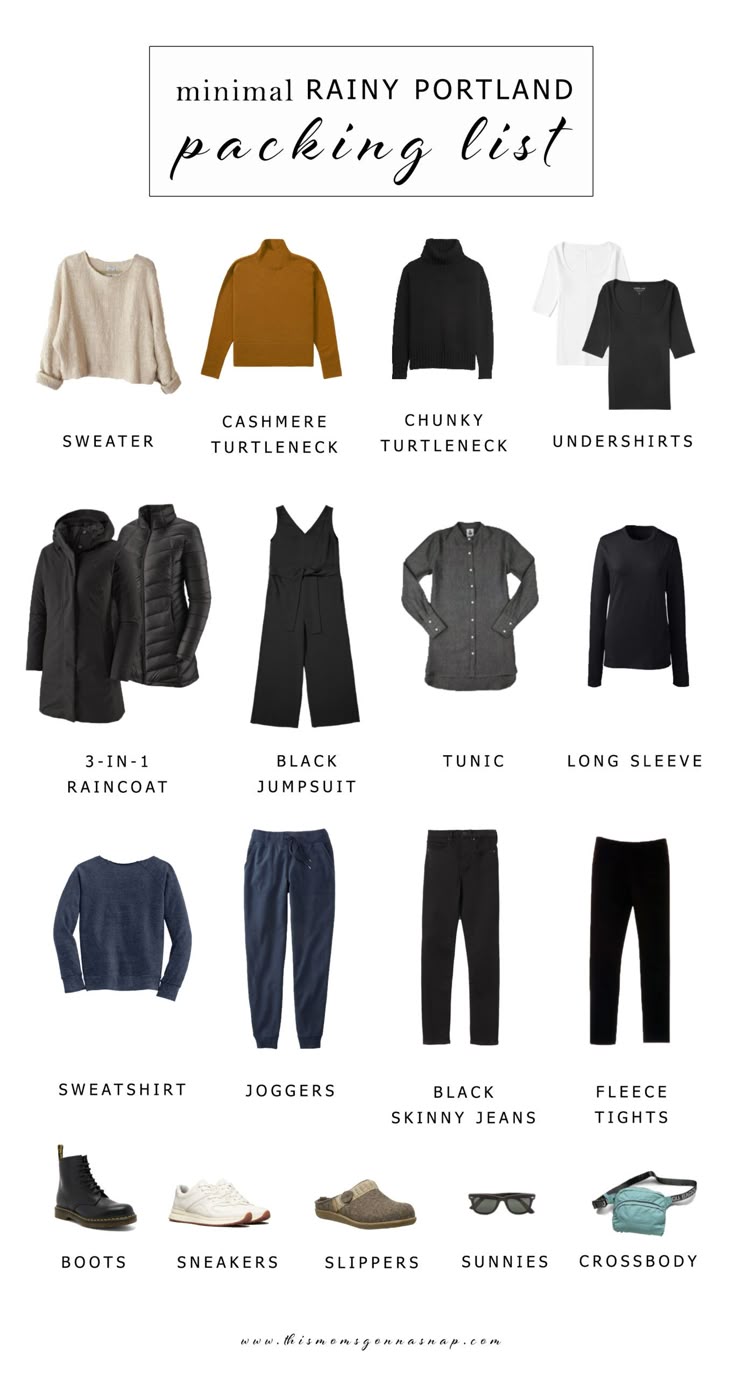
Here’s a lean checklist focused on quick dry layers rain. It ensures you cover base, mid, and shell without overpacking.
- 1–2 lightweight base layers with moisture-wicking properties
- 1 mid layer with quick-dry warmth
- 1 breathable rain shell with a reliable DWR
- 1 compact insulator for chillier slots
- Extra pair of socks and a spare lightweight hat or beanie for shade and warmth
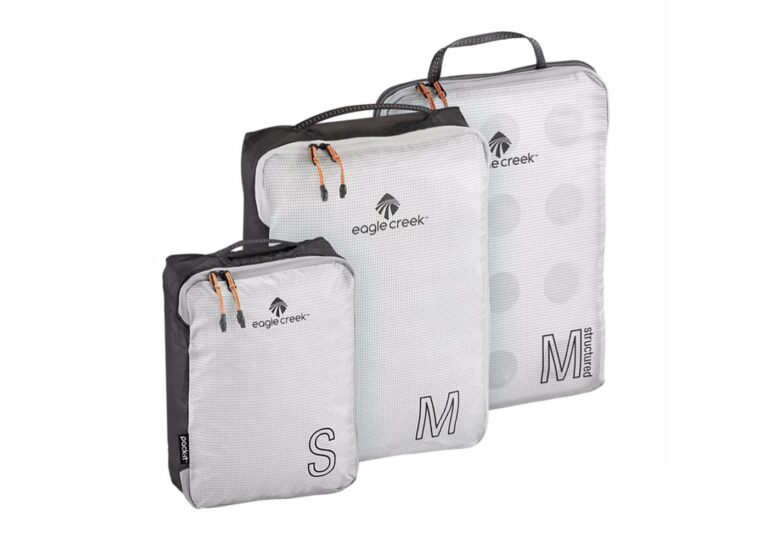
- Waterproof bag insert and dry sacks to isolate wet layers
For more on selecting the right rain shell and how to test breathability before a trip, see practical guidelines in RainyRoutes’ gear primers and stay tuned for deeper packing strategies in Part 2: Layering for Rainy Canyoneering.
Conclusion and What Comes Next
Quick dry layers rain provide a sturdy framework for moving confidently through rain-slicked canyons. You’ve seen base, mid, and shell choices, fabric techs, and care routines that keep you warm and dry without slowing you down. With this foundation, you’re ready to tailor a custom kit for your next canyon expedition and adapt on the fly as the weather shifts. In Part 2: Layering for Rainy Canyoneering, we’ll translate these foundations into practical configurations, test scenarios, and field-tested packing lists so you can build a rain-ready system for any canyon in 2026 and beyond.
Executing Quick Dry Layers Rain: Step-by-Step Gear and Layering for Wet Terrain
In this hands-on segment we translate theory into practice. The goal is to keep you warm, dry, and agile as you move through rain‑soaked canyons and slick rock. Quick dry layers rain is more than a slogan; it’s the mindset that guides every choice of fabric, fit, and sequence. When done right, the system dries between transitions, not after they end, and that distinction matters for safety and momentum.
Before you start, set a mental checklist. Consider the forecast and the specific canyon you’ll navigate. The terrain dictates how you stack your layers, and your pace determines how much insulation you truly need. The right sequence gives you speed without sacrificing protection. In misty environments, the ability to shed moisture quickly becomes a competitive advantage, not a bonus feature.
For a practical breakdown of layering principles, see the linked guide on layering rain gear. What to Wear in the Rain: Layering Guide.
Step 1: Assess the Weather, Terrain, and Your Wet Terrain Goals
Begin with a clear assessment. Weather can shift inside a canyon where wind dies and spray lingers. Specific rain intensity and exposure zones determine how you stack. If you’ll thread a narrow slot where water blasts from above, you need fast-drying layers that tolerate splash. In open sections with wind, lighter insulation that breathes matters more. Your pace also changes the equation; a steady, methodical crawl dries faster than a stop‑and‑go shuffle.
Think about duration. A longer mission requires dry transitions between sections. Short trips still benefit from rapid moisture management because your first step out of rain is where you regain comfort. Finally, map allocation. Decide where you’ll pause to adjust and where you’ll keep moving. The goal is to stay out of the rain’s grip while maintaining mobility and safety.
In wet canyon terrain, a proactive approach pays off. You want the ability to shed or add layers quickly without overthinking. Quick dry layers rain should feel like a seamless extension of your body, not a burden you carry on every step.
Step 2: Build a Core Layering System: The Quick Dry Layers Rain Stack
Base Layer: Moisture-Wicking and Quick Dry
The base layer is where moisture starts its escape route. Choose fabrics that pull sweat away from skin and dry rapidly. Synthetic fibers like polyester blends or advanced polyproels work well in rain canyoneering. Merino wool can be used in colder, drier pockets, but it dries slower when soaked. The idea is to keep your skin dry, not just warm, because a damp base zaps heat quickly. Fit should be close to the skin but not restrictive, enabling full range of motion while wicking efficiently. In rain, the base layer must manage both sweat and incidental splash without becoming clingy or heavy.
Remember fabric weight matters. A lightweight base layer minimizes bulk and dries fast. If you expect lighter rain, a midweight option may balance warmth and drying time. Layering tips: avoid cotton at all costs in wet environments; it holds moisture and chills quickly. The quick dry layers rain principle becomes most apparent here, because the base determines how quickly you recover between drenched segments.
Maintenance note: wash base layers with a mild detergent, rinse thoroughly, and avoid fabric softeners that can impede moisture transport. When drying on the trail, wring gently and hang to air-dry when possible, using a quick-drying surface or tree branch for airflow.
Mid Layer: Insulation That Dries Fast
The mid layer provides core warmth without trapping moisture. In wet canyoneering, consider synthetic insulated options or fleece with high loft that dries rapidly. A mid layer should trap heat without absorbing water. Tubular fleece or synthetic microfleece can work well, but ensure it continues to shed water and dries between moves. If temperatures dip, a compact, fast-drying puffy or lightweight synthetic fill can be added. The emphasis is on warmth that doesn’t stay soggy when rain persists.
Shape matters here. A snug but flexible mid layer reduces air gaps where cold air can seep in. Seam placement matters, too. Look for minimal stitching that creates quick-drying air pockets. If your mid layer becomes damp, you want it to release moisture quickly rather than hold it against your skin.
In practical terms, you may pack a compact mid layer that doubles as a wind shell in heavier rain. This reduces bulk and adds versatility during long descents where wind chill is a factor.
Outer Layer: Weatherproof Shells for Wet Conditions
The outer layer is your shield. A breathable, waterproof, and windproof shell is essential in persistent rain or spray. Look for a fabric with a durable water repellent finish (DWR) that lasts through multiple washes. An ideal shell balances protection with airflow to prevent overheating during sustained movement. In canyons, you’ll appreciate waterproof zippers, pit vents for cooling, and a hood that will not obstruct vision when helmeted or when you take on awkward sections. The goal is to keep rain out while allowing moisture vapor to escape.
Ensure the outer layer is compatible with the rest of your stack. It should fit over the base and mid layers without compressing them. A well-fitted shell reduces mechanical resistance when you scramble across slick rock or ascend over damp ledges. Remember, the outer layer is not just a rain shell—it’s your safety boundary against the full force of a storm in narrow canyon corridors.
Maintenance matters here too. Clean and reproof the outer fabric as recommended by the manufacturer. A fresh DWR treatment helps water bead and roll off rather than saturate the fabric during long storms.
Step 3: The Role of Fabric Technologies in Quick Dry Layers Rain
Synthetic vs Natural Fibers for Quick Dry Layers Rain
In rainy canyoneering, synthetic fabrics typically excel at rapid drying, moisture transfer, and consistent performance when wet. They shed water quickly and keep their structure, which helps you move confidently across slick surfaces. Natural fibers like merino wool bring warmth and odor resistance, but they tend to dry more slowly when soaked. A practical approach blends performance fabrics. You may rely on a synthetic-davored base with a merino neck gaiter for warmth without bulk, pairing it with a fully synthetic outer shell for speed and protection. The key is knowing how each fiber behaves when moisture is present and selecting combinations that complement one another in the Quick Dry Layers Rain system.
Another consideration is fabric weight and packability. Lightweight layers compress easily and dry faster, which matters when you have to strip layers during a canyon crossing or squeeze through a tight slot. Heavier layers may be reserved for cold mornings or long exposure periods where warmth must be retained even when damp.
Recycled Materials and Sustainability
Eco-conscious options are increasingly available in the rain gear market. Recycled fabrics can offer strong performance without a heavy environmental footprint. When choosing textiles, consider durability, repairability, and end-of-life options. The RainyRoutes ethos favors gear that performs in moody weather while minimizing ecological impact. Look for certifications or transparency reports from manufacturers that detail recycled content and production practices.
As you layer, prioritize fabrics that can be laundered easily and maintain their quick-dry properties after repeated wetting and drying cycles. This ensures your kit remains functional across multiple excursions and weather systems.
Step 4: Fit, Function, and Movement: Ensuring Your Layers Work in Rain Canyoneering
Fit drives function. A layer that is too tight restricts airflow and increases moisture buildup; one that is too loose creates drafty air pockets and snag hazards. Aim for a snug base, a flexible mid, and a protective outer that does not ride up when you kneel or reach. In wet canyoneering, mobility matters more than novelty. You want to stay agile as you pivot around slick rock, swing over water, or squeeze through narrow sections where a loose layer can snag on rock or equipment.
Layer order influences comfort. The base should stay in direct contact with your skin, the mid layer provides loft and warmth, and the outer shell seals in heat while keeping rain out. Practice shows that quick transitions—slipping off a damp mid layer, then adding a dry one—make a real difference in both pace and morale. In addition, equipment compatibility matters. If you wear a climbing harness, ensure the layering does not interfere with belt, leg loops, or device placements. Layering should feel natural when you move, not disruptive to your technique.
Breathability remains central. Even under a sealed shell, you want moisture to escape during steep climbs or high exertion. Pit zips or breathable panels give you control over airflow. In practice, you may open vents while pushing through a rain wall and close them later to conserve warmth. The goal is to maintain comfort without inviting cold drafts.
Step 5: On-Trail Care, Drying, Cleaning, and Quick Transitions
Moisture management on the move is a skill you practice. If a layer becomes soaked, target the outer layers first to shed water quickly while preserving dryness in the core. When possible, rotate layers to keep the driest options closest to your torso. Quick transitions—zipping, adjusting, then moving—keep your pace steady and limit the time you spend exposed to the rain. If you must pause, perform a quick check of footwear and ankle protection. Waterlogged footwear can slow you down and raise the risk of slips.
Always consider drying strategies. Air-drying a damp layer while you continue can be efficient, but avoid prolonged exposure to wind that might drive cold air onto your skin. If you carry a compact shelter or a dry bag, use it to protect a dry layer for the next segment. Wipe down gear after contact with mud or standing water to prevent abrasion and maintain performance. In rain, the fastest way to stay comfortable is to keep the core dry and let the extremities shed moisture quickly through active movement.
Maintenance on the trail also includes quick care for zippers, seams, and cuffs. Keep pull tabs accessible so you can adjust layers without exposing yourself to the rain for longer than necessary. If a seam starts to delaminate or a zipper sticks, stop, assess, and repair with minimal exposure time. The principle of quick dry layers rain is not just about dryness; it’s about staying safe and efficient when conditions are changing rapidly.
Step 6: Packing and Gear Configuration for Quick Dry Layers Rain
Packing strategy emphasizes accessibility and protection. Place your most frequently used items where you can reach them without exposing yourself to rain for long. For example, keep the spare base layer and light mid layer in a dry pocket or dry bag within your pack. Your waterproof shell should be readily accessible for rapid deployment when a weather change hits mid‑route. Compressible insulation or winter layers go toward the bottom of the pack, where they won’t press against wet surfaces during movement. Remember to separate damp and dry gear to prevent cross-wetting in transit.
Carabiners, harnesses, and hydration systems should be stowed in accessible compartments that do not compromise the integrity of your base layers. This reduces the need to remove multiple items in the rain just to reach your mid layer or outer shell. A well-organized kit minimizes time spent in drizzle and maximizes your ability to navigate slick rock sections with confidence. And when you pause, reflect on your pack’s balance. A well-balanced load reduces fatigue and protects your posture on exposed terrain.
Consider a lightweight, quick-dry towel in your pack for moments when you need to wipe hands or dry a patch of fabric before layering. A small emergency repair kit can also prove invaluable if a seam begins to fail or a fabric face wears thin after extended exposure to rain. The goal is to be prepared without overloading yourself with redundant items. Quick dry layers rain is best supported by a gear layout that favors rapid access and fast drying of components you use most frequently.
Step 7: Field Scenarios and Troubleshooting: Real-World Application
Imagine a storm front rolling through a canyon with a narrow corridor of spray. You’ll want your base layer dry and your outer shell ready to seal the path. If spray soaks your mid layer, peel it efficiently and switch to a dry, compact layer while keeping your core protected. In a scenario with sudden wind and drizzle, your outer shell should act as a shield, while the inner layers retain heat. If you feel dampness creeping in, verify fabric integrity and adjust vents to promote airflow. The key is to stay ahead of moisture, not chase it after it seeps in. Practicing these steps on dry runs helps you recognize cues that signal layer adjustments before conditions worsen.
When planning a rainy canyon day, rehearse transitions in controlled settings. Move through the sequence multiple times until you can perform a full layer switch in under a minute. This level of familiarity creates confidence on the trail and reduces the cognitive load during real rain. Remember that the aim is to preserve mobility while maintaining warmth and dryness through the entire climb or descent.
Looking ahead, Part 3: Field-Tested Rain Gear and Route Strategy for Wet Canyoneering will translate these principles into practical applications on real routes. You’ll see case studies, gear checks, and route planning tips that bring Quick Dry Layers Rain to life in the field.
Elevating Quick Dry Layers Rain: Advanced Tactics and Long-Term Rain Adventure Planning
In misty terrain and canyon narrows, quick dry layers rain become more than apparel. They are a deliberate system that sustains pace, safety, and curiosity across multi-day, high-humidity itineraries. This final section translates prior insights into advanced tactics you can apply now and over years of rain-driven travel. Expect deeper attention to durability, maintenance, and long-range planning that aligns with 2026 trends toward Mystic Outlands and high-adrenaline darecations.
Advanced Layering Techniques for Quick Dry Performance
Technique matters as much as textile. Start with a base layer that excels at moisture transport and odor control. A top-grade synthetic or merino blend keeps color and texture stable when your midlayer becomes damp. The midlayer should offer insulation without bulky saturation. The outer shell must be breathable yet waterproof, allowing vapor to escape while blocking rain. In quick dry layers rain scenarios, the goal is rapid moisture evacuation. You should feel dampness at the surface, not inside your skin contact zone.
Progression is key. Train outward-in layering for canyoneering routes where spray from waterfalls mixes with persistent drizzle. If you carry a lighter base and a warmer shell, you gain flexibility to adjust during climbs and descents. In practice, you switch between a compact fleece or microfiber midlayer and a lightweight, packable insulated layer when the weather’s mood shifts. Finally, don the outer shell only when wind or rain becomes perceptible to the skin. This minimizes time spent in wet, clingy fabric that slows you down.
To maximize quick dry performance, monitor fit and compression. A tight base layer reduces friction and chafing on long approaches. A looser outer layer permits airflow and moisture movement. The best quick dry layers rain balance snugness with freedom of movement. You should be able to layer and unlayer without removing your pack or exposing skin to cold air. Practically, test this in a controlled environment before backcountry use—your future self will thank you for the confidence gained.
Remember to prioritize seam construction and cuff design. Taped seams, well-sealed zippers, and snug cuffs prevent seepage around wrists and ankles. If you anticipate long sections of spray, consider boot gaiters and a reliable waterproof sock system to complement the base layers. Every element should contribute to the same objective: expedited moisture movement with minimal heat loss. For a durable setup, select fabrics known for quick dry behavior and stiffness that resists fold-back after damp sessions.
In summary, elevate quick dry layers rain by combining high-performance fabrics, precise fit, and modular layering that adapts to shifting river spray, fog, and wind. This is the core of reliable rain-canyoneering where you can remain agile, focused, and safe even as the weather remains uncertain.
Materials and Fit for Quick Dry Layers Rain
Materials drive performance, but fit determines how well those materials perform. Look for base layers with engineered moisture transport and anti-odor properties. Synthetic fibers like polyester and polypropylene dry faster than natural fibers. Merino wool can be a good option for its odor control and warmth when dry, but it should be paired with a more robust outer layer to handle extended rain exposure. The midlayer should be breathable, with a compact profile that compresses into your pack without creating bulk.
When selecting outer shells, prioritize fabrics with a combination of waterproofness and breathability. A high-quality membrane system with a DWR (durable water repellent) treatment helps water bead and roll off, reducing saturation time. Look for a fabric that performs well in rain-heavy canyoneering and still dries quickly after exposure. You want a shell that allows vapor transfer so you don’t overheat during strenuous sections. Fit matters as much as fabric. A close-to-body base layer and a slightly looser midlayer provide space for air to circulate and moisture to move outward.
Care and maintenance extend the life of quick dry layers rain. Rinse salt and mineral residues after use and avoid heat-drying that can degrade membranes. Air-drying is preferred, with occasional tumble-drying on low heat if permitted by your garment labels. Remember that the wear pattern matters: high-wear areas like elbows, knees, and cuffs may require reinforced fabrics or patches. A well-titted set of layers reduces bulk and increases mobility in tight canyon slots, where rapid adjustments are necessary to stay ahead of weather shifts.
Take a practical approach to testing fit under load. Put on your full layering system with pack and harness, then simulate a few rain-driven maneuvers. Check for rubbing points, shoulder lift, and zipper access. If your base layer bunches or your hood interferes with vision, adjust early. The right fit reduces energy loss, keeps dry zones close to the skin, and preserves your ability to move freely through wet environments.
For a thorough baseline, build a quick-reference toolkit that lists your preferred base, mid, and outer layer combinations for differing rain intensities. This helps you quickly assemble or shed layers as you progress along a canyon route. Knowing your system inside and out is essential for long-term rain adventure planning and for optimizing the focus keyword in practice, quick dry layers rain, during on-the-ground decision making.
Weathering the Long-Term Rain: Planning for Multi-Season Canyoneering
Long-term planning means anticipating cycles of heavy rain and dry spells across a year. Develop a rain-centric calendar that aligns with seasonal forecasts, river level trends, and local weather patterns. In many canyoneering landscapes, the most memorable moments occur during narrow windows of optimal flow, when rain shapes waterfalls and streambeds into dramatic, navigable features. By planning ahead, you can synchronize your quick dry layers rain readiness with the most favorable conditions, balancing safety with immersion into misty landscapes.
Adopt a proactive maintenance rhythm. Before each season, inspect all critical components of your layering system: base fibers for pilling, midlayer loft, outer shell seam integrity, and zippers. If any element shows wear, replace it before the next expedition. Each year, refresh your quick dry layers rain inventory with at least one updated piece that improves moisture management or breathability. This reduces the risk of gear failure during a rain-heavy outing and keeps your performance aligned with current trends in outdoor garment technology.
Customizing your system for multi-day trips matters as well. Consider a lightweight, weatherproof pack liner to protect your layers from spray and seepage. Pack small, redundant solutions: an extra base layer, an emergency midlayer, and a compact shell. In rainy canyoneering, redundancy can be the difference between a detour and a safe return. Quick dry layers rain should be modular enough to swap between days without overhauling your entire wardrobe. This modularity supports a robust, scalable approach to gear that suits any year, including 2026’s evolving rain patterns.
Environmental responsibility remains essential. Choose durable fabrics that last through seasonal cycles, opt for repairable gear when available, and follow manufacturer care guides to extend life. Reducing waste aligns with RainyRoutes’s ethos of sustainable, moody travel and helps you stay in the field longer with less gear fatigue. For background on fabric properties and waterproof ratings, see a trusted source such as the REI expert guide on waterproof fabrics available at REI Expert Advice on Waterproof Fabrics.
Building a Rain-Driven Itinerary: Offbeat Highlands to Misty Slots
Planning around rain is a creative exercise. Build itineraries that maximize your exposure to lush, rain-washed environments while maintaining logistical ease. Start with a primary canyoneering corridor where rain tends to persist, then weave in alternative routes that stay accessible during lighter showers. The advantage of quick dry layers rain is that you can adapt quickly: swap to a lighter shell for a transitional hike, or add insulation when you encounter microclimates that chill the air. A well-crafted itinerary should include flexible days, backup profiles, and predictable driving or shuttle patterns so you can pivot without losing momentum.
In practice, map your journey around a few anchor dams, stream crossings, or waterfall corridors where moisture is constant but not overwhelming. This allows you to practice rapid layering adjustments in a controlled setting and to calibrate your quick dry layers rain system to the terrain. When you encounter a sudden downpour, your system should respond with minimal fuss. Ultimately, your itinerary becomes a narrative of rain, rock, and river where the mood of the day guides the pace rather than a fixed plan that ignores weather. This aligns with RainyRoutes’s emphasis on moody, atmospheric travel that reveals the character of misty landscapes.
To keep motivation high across multi-day trips, couple wet-weather days with warm, cozy indoor experiences — a rainy cafe, a museum, or a lodge library. These interludes help you reflect on technique and reward careful preparation with mental reset and social connection. The result is a balanced rain adventure that honors the environment while preserving safety and energy. Quick dry layers rain are the visible thread weaving through every decision, from layering and gear to route choice and timing.
Training, Safety, and Skill Progression
Progression in rainy terrain requires discipline and staged practice. Begin with dry runs in controlled environments to refine layering, compression, and removal sequences with your pack on. Incrementally increase exposure to spray and wet rock under supervision or within a guided loop. The aim is to improve your innate response to moisture: when to shed layers, when to seal the zipper, and how to move to keep skin dry while maintaining warmth. Build skills in navigation, self-rescue, and partner rescue under damp conditions. These competencies support long-term rain adventures and reduce the risk of weather-related accidents.
Pair skill development with mental resilience. Wet routes demand patience and attention. Use deliberate breathing, step-by-step pacing, and clear communication with partners. Short, focused practice sessions can yield big gains in confidence and efficiency. In the field, keep a simple, readable quick reference plan that aligns with your base, mid, and outer layer configurations. This reduces cognitive load and frees you to focus on line selection and route finding rather than gear management. The purpose is to keep your quick dry layers rain system intuitive and ready for action, even when the weather remains unsettled.
Long-Term Gear Investment Strategy
A sustainable approach to gear investments pays dividends across years of rain travel. Prioritize repairable designs, modular components, and durable fabrics that tolerate repeated exposure to moisture. When evaluating long-term pieces, ask: Can this layer be repaired quickly? Can seams be resealed, zippers replaced, and patches applied in the field? Can the garment be repurposed as you refine your system? Your answers guide a thoughtful, long-term strategy rather than a quick update that yields minimal improvement.
Think in terms of a layered investment plan rather than a shopping spree. Start with a strong base and midlayer pairing, then add a versatile outer shell with enhanced waterproofing and breathability. As seasons shift, upgrade your outer layer first if you anticipate more exposure to heavy rain. If you frequently travel to highly moist climates, a more robust shell might be worth the extra weight for the protection and durability it provides. Your focus keyword quick dry layers rain should influence choices in a natural, not forced manner, ensuring that your equipment supports efficient moisture management on every outing.
Consider a sustainable, repairable gear philosophy. Choose products designed for easy repair, with replaceable zippers and serviceable membranes. Bring along a small mending kit and spare parts for essential components. This reduces waste and keeps your kit functional across years of adventures. Budgeting is easier when you view gear not as a single purchase but as a long-term toolkit. Set annual allocations for core pieces, and rotate replacements as wear signals become evident. The result is steadier performance and more opportunities to explore dramatic rain-drenched landscapes without compromising safety or comfort.
To support enduring reliability, document your gear performance and maintenance checks. A simple log notes material behavior in different weather, drying times after heavy exposure, and any repairs completed. Over time, patterns emerge that reveal which quick dry layers rain configurations offer the best reliability for your route portfolio. Your personal database becomes invaluable as you plan future expeditions and refine your system for optimal comfort and efficiency.
For more context on fabric selection and durability, consider resources that explain waterproof ratings and breathability standards in depth. A practical reference is the REI guide on waterproof fabrics, accessible here: REI Expert Advice on Waterproof Fabrics.
Conclusion
In summary, elevating quick dry layers rain means embracing a layered system that moves moisture efficiently, stays breathable, and adapts to changing weather with minimal friction. The advanced tactics covered—layering technique, fit optimization, and long-term planning—empower you to turn rain into an ally rather than an obstacle. Multi-season canyoning demands proactive maintenance, flexible itineraries, and a budget-aware investment strategy that prioritizes repairability and durability. By integrating these principles, you ensure that every misty ascent, waterfall pass, and rain-slick descent remains within reach, even as forecasts shift. Ultimately, the core practice is simple: refine your quick dry layers rain system, test it in real-world conditions, and plan with intention for ongoing rain adventures. If you crave more expert guidance on misty routes, stay connected with RainyRoutes and subscribe for regular insights into moody travel, gear strategies, and adventurous itineraries that celebrate the drama of rain. Elevate your rain game now by applying these tactics to your next expedition, and watch how quickly the weather becomes an invitation rather than a limit. Quick dry layers rain is not just gear; it is your pathway to freedom in the rain, and it awaits your next bold move.
Ready to deepen your rain-ready strategy? Join RainyRoutes for ongoing, expert guidance on mist, canyon drape, and all-weather exploration, and turn every drizzle into a story worth telling.