Iceland rainy adventure: Safe Storm Chasing Guide
Welcome to Iceland rainy adventure—the mist-drenched path less traveled for travelers drawn to moody skies, glistening lava fields, and rain-washed coastlines. This guide begins with Foundations: Safety, planning, and gear for storm chasing. Iceland’s weather can flip in minutes, turning a pleasant drive into a high-stakes weather dance. In this opening chapter, you will learn how to read forecasts, build a resilient plan, and kit yourself with gear that keeps you warm, dry, and focused. Our approach blends practical safety protocols with the mystic, moody aesthetic of RainyRoutes, so you can chase rain while staying grounded. If you’re pursuing a 2026 Iceland rainy adventure, these foundations will anchor your journey and empower confident exploration, whether you’re chasing a distant waterfall in a drizzle or chasing light between storm fronts along the Ring Road.
Iceland rainy adventure Foundations: Safety, planning, and gear for storm chasing
Safety foundations are not optional; they are the backbone of any moody-weather itinerary. In Iceland, a small mist can become a blinding gust, and wind-driven spray can steal traction quickly. The goal here is to transform awe into preparedness by building a layered safety culture: forecast literacy, risk-aware decision making, and reliable gear. This section outlines actionable steps to stay safe while you chase rain, photograph waterfalls, or explore glacial tongues under stormy skies. Crucially, your plan should be flexible enough to bend with weather, yet structured enough to protect you when conditions deteriorate.
Iceland rainy adventure Safety foundations
Weather awareness and decision-making for Iceland rainy adventure
In storm-chasing terms, reading the forecast is a core skill. Start with a base daily outlook from Vedur (the Icelandic Met Office) and cross-check with road and wind advisories. Track wind gusts, precipitation type, and visibility, and pay attention to red flags: whiteout conditions, rapidly dropping visibility, or gusts strong enough to push you off a cliff edge. Use a simple rule: if the forecast shows sustained winds over 50-60 mph (80-100 km/h) with blasting rain, pause and reassess your plan. In addition, keep a local, hour-by-hour view for the areas you intend to visit. Make a habit of confirming conditions at dawn and again late afternoon, because changeable weather is the Icelandic norm.
For a practical reference, consult reliable, up-to-date sources. The Icelandic Met Office is the best single source for forecast trends, while local road conditions are published by the Icelandic Road and Coastal Administration. You should check both before departing and at regular intervals during your trip. If you want a quick, reputable resource, see Icelandic Met Office for weather warnings and alerts, then view road conditions at road.is for highway status in real time.
Personal safety gear and emergency planning
Dress for mission-critical warmth and mobility. A good base layer, insulated mid-layer, and a waterproof, windproof outer shell are non-negotiable. Ensure you have a packable puffer or fleece for sudden drops in temperature in exposed locations. A high-visibility, weather-resistant jacket can help you stay visible to companions in spray or fog. Add a lightweight emergency blanket and a compact first-aid kit that covers common injuries, plus a whistle and a small flashlight or headlamp. For remote Icelandic settings, carry a personal locator beacon or satellite messenger so someone can locate you if you encounter trouble.
Emergency planning should be part of your travel routine. Share your plan with a trusted contact, include your itinerary, and establish check-in times. In addition, know the emergency numbers for Iceland (112) and identify the nearest shelter points, café or visitor center where you can wait out a storm if needed. If you’re storm chasing in low-light conditions, keep a spare power bank for your phone and a charging setup for cameras and GPS devices.
Driving and road safety in wet Icelandic conditions
Roads in Iceland are stunning but unforgiving when wet. The most important driver risk is slipping on slick tarmac, gravel, or freshly formed ice in shaded passes. Plan to drive slowly, maintain generous following distances, and allow extra time for detours caused by road closures or weather. In winter months, studded tires are standard; in summer, use all-season tires with tread adequate for wet surfaces. Learn to recognize black ice on bridges and the edge of bends, and avoid gliding along exposed coastal roads where spray can obscure lane markers. If visibility plummets or wind explodes across an exposed ridge, pull over to a safe, sheltered spot and reassess your route. Always inform someone about your whereabouts and expected arrival times, especially when you are chasing storms into less-traveled areas.
Iceland rainy adventure Planning foundations
Timing, seasons, and daylight
Iceland’s seasons dramatically shape your storm-chasing opportunities. In late autumn and winter, you gain spectacular storms but suffer short days, while spring and early autumn offer more daylight and manageable winds. Plan your window around sunrise and sunset to maximize light for photography, while keeping a back-up plan for storms that roll in off the sea. If your goal is immersive night photography or aurora-chasing alongside rain, coordinate your schedule to align with aurora forecasts when skies clear after a front. Build a flexible two-to-three-day micro-itinerary that can be adjusted to cloud cover, wind shifts, and road conditions. Use a simple risk matrix to estimate the likelihood of adverse weather and to decide when to pause or reroute.
In broader terms, avoid packing rigid daily plans that assume perfect weather. Iceland’s weather operates on a more fluid calendar, so create anchors (key sights, indoor activities, and buffer days) and keep the rest flexible. Always check both the forecast and the actual road situation before moving your base from one region to another. A well-timed move to a sheltered valley or a cozy cafe can transform a day from storm-churned to unforgettable.
Itinerary planning and weather resources
Plan around reliable, up-to-date resources. The Vedur forecast, the Icelandic Road and Coastal Administration road status pages, and regional forecast maps are essential. For planning, mark your potential photography spots by time of day to maximize light and safety. Use digital mapping tools to pin alternate routes in case of road closures, and download offline maps for areas with poor signal. Snow and rain showers can roll through the Highlands quickly, so ensure you have a backup plan to return to your base when conditions deteriorate. Also consider a guided option if you value local expertise for navigating side roads, river crossings, and sudden weather shifts.
Local regulations and seasonal closures matter in Iceland. Respect protected areas, obey seasonal closures, and stay off closed roads. Many scenic areas are sensitive to foot traffic and weather-induced erosion. Leave no trace and pack out all waste. In addition, be mindful of the fragile environment around waterfalls and geothermal areas, where slick surfaces can mirror the risk of slips and falls. If you want to verify specifics, see official signage and local advisories, and consult visitor centers for real-time updates on access restrictions and safety advisories.
Local regulations and respect for nature
Beyond safety gear and route planning, a thoughtful traveler respects nature and culture. Iceland’s dramatic landscapes demand discipline and minimal footprint. Stay on marked trails when possible, avoid creating new paths on tundra or moss, and respect private property signs and restricted zones. In stormy weather, conditions can render even familiar routes hazardous; consider indoor alternatives like geothermal pools, museums, or charming rain-friendly cafes that still offer a taste of Icelandic character. Practically, this means skipping risky cliff edges, avoiding river crossings in flood, and adjusting plans to prevent crowding delicate ecosystems. Your Iceland rainy adventure should shine with responsible travel choices that protect the places you came to see so you can return with the same magic for future visitors.
Iceland rainy adventure Gear foundations
Clothing and layers
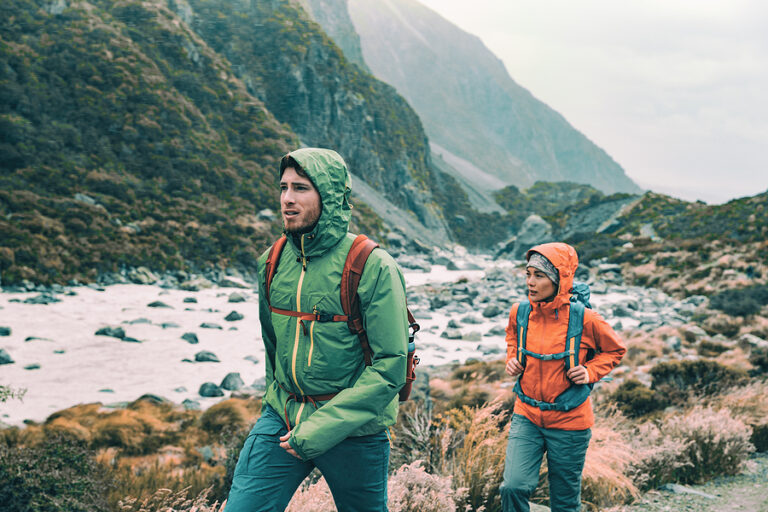
Adopt a three-layer system: base layer that wicks moisture, an insulating mid-layer for warmth, and a shell that keeps rain and wind out. Choose breathable fabrics so you don’t overheat during hikes or long drives. Merino wool, synthetic fleece, and lightweight down are excellent options. Add a windproof outer layer with adjustable cuffs and a hood that stays in place in gusts. Pack extra socks, gloves, and a hat for sudden temperature shifts. In Iceland, warmth is as much about staying dry as staying warm, so prioritize fabrics that dry quickly and retain heat even when damp.
Waterproof gear and footwear
Waterproofness is non-negotiable. Invest in a high-quality waterproof jacket and pants with sealed seams, plus waterproof footwear with good tread. For wading near waterfalls or crossing streams, pack waterproof gaiters. If you expect heavy spray, consider a dry bag for electronics and a rain cover for your backpack. A compact umbrella is not recommended in wind-driven rain; instead, rely on proper outerwear and shell systems to keep you dry. Remember to seal zippers and test your gear before departure to avoid mid-adventure leaks.
Tech gear: cameras, GPS, navigation, emergency beacon
Protect camera gear with weather-sealed bodies and lenses, weatherproof housings, and lens cloths. Carry extra batteries in a warm, dry place, and use a rain cover for your camera rig. A rugged GPS unit or a reliable phone with offline maps prevents you from getting lost, while a power bank ensures you stay connected as you chase storms. For remote areas, an emergency beacon or satellite messenger ensures you can summon help if you encounter trouble. Water-resistant cases for phones and cameras are a practical investment that pays off when spray rains down on your equipment.
Vehicle gear: traction, spares, charging
Your vehicle is a vital tool, and it must be prepared for Iceland’s wet terrain. Ensure your tires have adequate tread and consider traction aids for slick roads. Carry a compact tow rope, a sturdy rope, and a shovel for minor soil or snow scooping if you stray off-road. Pack a portable jump starter and a solar charger to keep devices powered in remote spots. Maintain a robust weather radio or a smartphone notification system to stay updated during heavy weather. Always verify fuel levels and have a contingency plan in case you must stay in a safe place for longer than expected.
Practical safety checklists
Use checklists to ensure you don’t miss essential safety steps. A pre-trip safety checklist should cover weather checks, route backups, emergency contacts, and gear tests. A daily on-road checklist might include road conditions, tire pressure, and visibility checks. Keep the checklists lightweight, easy to reference, and stored in your vehicle or a waterproof case for quick access. The goal is to normalize safety so it becomes second nature, not a chore.
For ongoing guidance, consider a single, trusted source for weather updates and travel advisories during your Iceland rainy adventure. For example, Vedur provides warnings and forecasts, while road updates come from road.is. As you prepare, place these resources on your essential-safety page so you reference them easily before every drive or hike.
To keep your plans grounded in reality, remember to schedule rest breaks in sheltered places. A warm cafe or geothermal pool can be a strategic pause that preserves your mood, your gear, and your safety. In addition, practice post-storm safety checks: inspect gear for moisture, dry out lenses, and dry your boots to avoid frost or mildew during the night.
Next up in Part 2: Storm chasing tactics and practical route planning for Iceland’s weather-wrapped landscapes.
Iceland rainy adventure Core storm chasing Techniques: Step-by-step execution
In the Iceland rainy adventure framework, core storm chasing techniques hinge on disciplined planning, precise timing, and relentless respect for the weather and landscape. This section provides a step-by-step execution blueprint tailored to Iceland’s mist-wrapped seas, volcanic plains, and glacial valleys. It is designed for both newcomers to the Mystic Outlands aesthetic and seasoned storm chasers who want to sharpen field craft while maintaining safety and responsible travel ethics. You will learn how to move from forecast to field, how to position for drama without courting danger, and how to document the moment in a way that elevates your storytelling without compromising your safety or Icelandic sensibilities.
First, remember that the Iceland rainy adventure thrives on a balance between bold pursuit and prudent retreat. The weather in Iceland can shift in minutes, turning a promising scene into a hazard in the blink of an eye. Therefore, the execution you practice today becomes the guardrail you rely on when a shelf cloud roars in from the Atlantic or a squall sweeps across a lava field. The goal is to capture dynamic, high-contrast imagery while preserving personal safety, vehicle stability, and respect for private property and local regulations. With that mindset, let us begin the step-by-step process that will translate forecast potential into compelling, cinematic storm-chasing outcomes.
Step 1 centers on preparation and gear readiness as the foundation of the Iceland rainy adventure. It is not merely about what you shoot; it is about how you move through the day with reliability, warmth, and mental clarity. A well-executed pre-storm reconnaissance reduces the risk of getting cut off by road closures or sudden wind advisories, and it also frees you to focus on composition, lighting, and timing when the moment arrives. In this step, you combine credible forecast sources, live radar, and practical logistics to set the stage for safe, productive fieldwork. For the Iceland rainy adventure, the forecast is your compass; your equipment is your shield; and your plan is your spine that keeps you upright in a gale. Now, let us dive into the two critical subtopics that anchor Step 1: forecasting and timing, and gear readiness.
Step 1 — Forecasting and timing, and gear readiness
Forecasting for the Iceland rainy adventure means more than glancing at a radar image. It involves cross-checking multiple data streams to identify windows where atmospheric instability aligns with reachable terrain. Specifically, you will want to verify that the storm potential coincides with daylight or, at a minimum, civil twilight, so you can capture the drama without forcing risky night driving. In Iceland, coastal convergence zones often spawn dramatic rain bands and gusty squalls, while inland valleys can act as natural lenses for rain shafts and lightning if the CAPE (convective available potential energy) values rise and the wind shear is favorable. Therefore, you integrate surface wind forecasts, vertical wind profiles, and expected precipitation intensity to forecast a corridor where you can position your vehicle and yourself safely. When the corridor aligns with accessible roads, scenic backdrops like basalt columns, black beaches, or fog-shrouded mountains, the Iceland rainy adventure gains its visual payoff. To ensure accuracy, it is prudent to corroborate the model outputs with a live radar and satellite feeds, and to confirm that roads you intend to use remain open and passable during the event. If uncertain, err on the side of caution and adjust your plan to avoid exposed cliff lines or storm-prone arctic passes. In addition, you should monitor local alerts from credible sources, as Iceland’s weather can morph rapidly with a shifting air mass, a phenomenon particularly common in late autumn and early spring. For the Iceland rainy adventure, this approach to forecasting is not merely prudent—it is essential for turning potential into photographs and stories that resonate with readers seeking moody, rain-soaked landscapes.
Gear readiness forms the second pillar of Step 1. In Iceland’s damp air, your kit must be both rugged and adaptable. Start with a high-performance shell system that is waterproof, breathable, and tested to withstand sustained spray from ocean winds. A 3-layer jacket with a reliable membrane is a minimum; add fleece or insulated layers for warmth and a compact, packable rain pant to seal your base layer from spray. Your gloves should be weatherproof but with tactile fingertips for camera control; consider liner gloves for extended cold periods. For your camera, ensure weather-sealed bodies and lenses, with a dry bag or rain sleeve as a backup. Carry a spare battery that performs in cold weather and a portable power bank with a cold-weather rating to keep your devices alive through long sessions. A compact, rugged tripod with a stable foot is worth its weight in the Iceland rainy adventure, especially when you want long-exposure renditions of rain surges or wind-blurred landscapes. Keep lens cloths, microfiber pouches, and a lens hood within easy reach to manage rain drops on glass surfaces. A small first-aid kit, a basic repair kit for your vehicle, and a charged satellite communicator or mobile device with offline maps provide a safety net if conditions deteriorate and you need to retreat from exposed terrain. Finally, always carry water and energy-rich snacks to maintain focus and stamina during long waits in the drizzle. In practice, this gear package enables you to stay present in the moment—the Iceland rainy adventure demands attention—without sacrificing safety or comfort.
As you finalize Step 1, perform a last-minute check with a trusted partner or trip companion. Confirm your exit routes, meeting points, and a contingency plan for sudden changes in weather or road conditions. In particular, agree on a signal for abandoning a shoot or moving to shelter in a building or vehicle. The aim is to maintain clear communication, minimize risk, and ensure that you and your crew can respond quickly to evolving conditions. With the forecast verified, the terrain analyzed, and your gear secured, you are practically ready to move into Step 2, where safety and risk management take center stage in the Iceland rainy adventure.
While Step 1 is foundational, remember that the Iceland rainy adventure thrives on disciplined execution. The next steps will build on this foundation by translating forecast-driven opportunities into real-world movement and imaging strategies, all while keeping your safety as the top priority. Now, proceed to Step 2 to formalize safety protocols, hazard awareness, and decision-making criteria that will guide your actions in high-wind, high-rain Icelandic environments.
Step 2 — Safety first and risk management
Safety is the backbone of the Iceland rainy adventure. It is not a separate concern but an integrated discipline that shapes every choice you make in the field. In Iceland, gust fronts can explode with little warning, spray can obscure distances, and roads may disappear behind white sheets of rain and fog. Therefore, safety is not optional; it is a performance metric that measures your ability to finish a shoot with the same energy you started with. Specifically, set a personal risk threshold before you head out. Decide what conditions are acceptable for shooting and when you must relocate to a safer vantage or retreat entirely. This threshold should consider wind, visibility, road conditions, and your own physical limits. If gusts approach levels that compromise stability, or if spray reduces visibility to the point where you lose sight of your intended foreground, pause, reassess, and reposition to a sheltered zone or a more controlled location. In the Iceland rainy adventure, risk controls include selecting sturdy, wind-anchored shooting spots away from cliff edges, avoiding shoreline exposure during high wave activity, and keeping a ready escape path to sheltered areas such as coves, huts, or a parked vehicle. You should also be mindful of private property and local regulations that govern access during storms. Respecting local landowners and communities is part of the responsible travel ethos embedded in RainyRoutes. For the Iceland rainy adventure, safety also means considering the health implications of cold rain, such as hypothermia risk. Dress in layers, secure loose clothing to prevent entanglement with gear in wind, and stay hydrated to preserve cognitive function. In addition, ensure your communications plan is robust: keep devices charged, share your coordinates with a trusted contact, and have an alternate means of signaling for help if cellular service fails. When uncertainty rises, err on the side of caution. The Iceland rainy adventure rewards prudent decision-making—skilled, deliberate, and safe action often yields richer imagery because you stay longer in the right conditions rather than chasing danger. A safety-focused mindset will also protect your equipment from moisture, reducing the risk of gear damage and data loss. If you are uncertain about a location’s risk profile, take a moment to reassess your plan rather than pressing on into marginal conditions. The core message here is that safe operations amplify your ability to produce consistent, high-quality images and narratives that resonate with readers seeking atmospherics and authenticity in the Icelandic environment.
In the field, apply practical risk controls rather than theoretical safety promises. For example, when wind gusts rise unexpectedly or visibility drops, shift your shooting plan from long, cinematic compositions to closer, more stable frames that foreground the drama without requiring you to chase unstable alignment with distant light sources. In the Iceland rainy adventure, this adaptive stance often means changing vantage points to lower elevations or moving behind natural windbreaks such as lava fields, basalt structures, or small hills. Furthermore, always have a designated retreat point in case a micro-storm travels faster than anticipated; this could be a sheltered cliff alcove, a vehicle, or a sturdy building. The emphasis is on maintaining momentum and visual storytelling while respecting the landscape and local safety norms. Finally, document your safety checks as part of your routine; a brief risk log at the end of each session helps you refine your thresholds for future shoots and strengthens your credibility as a responsible, safety-minded storm chaser in the Iceland rainy adventure context.
With Step 2 establishing your safety culture, you are prepared to advance to Step 3: route planning and real-time adaptation. This step translates weather insights into navigational choices that maximize both safety and storytelling potential in the Icelandic drizzle.
Step 3 — Route planning and real-time adaptation
Route planning in the Iceland rainy adventure demands flexibility and local knowledge. Iceland’s road network can change quickly with weather, especially along coastal roads, highland routes, and mountain passes. Once forecasts and alerts are aligned, you should map a primary corridor that offers scenic foregrounds—such as sea stacks, glacial rivers, or mossy lava fields—while ensuring viable escape routes and shelter options. In practice, this means identifying a primary shooting location that provides a strong sense of scale and drama during rain bands, with a secondary location reachable within minutes in case conditions degrade. It also means planning contingencies for road closures, single-lane sections, and track conditions that could become inaccessible in a heavy downpour. The Iceland rainy adventure benefits from keeping alternative routes on your map and verifying driving times under varying weather scenarios. Specifically, you should consider the wind direction and coastal exposure to choose horizons that bolster your composition when spray and rain distort distant mountains. In addition, you should stay informed about ferry schedules, glacier-access roads, and any temporary restrictions that could affect your planned route. The aim is to maintain the rhythm of your day rather than reacting to the weather in crisis mode, which helps preserve image quality and narrative coherence. A practical tip for the Iceland rainy adventure is to scout scenes during daylight, then return at dusk if lighting conditions align with your creative goals. By pre-visualizing your shots and keeping an adaptable route, you maximize opportunities while minimizing travel fatigue and weather risk. For the Iceland rainy adventure, the ability to pivot quickly—without sacrificing your core creative intent—is the hallmark of proficient storm chasing in rain-slicked Icelandic landscapes.
Real-time adaptation is the core skill in Step 3. While you monitor the radar and forecast updates, you should be prepared to switch vantage points when new rain bands arrive or when wind shifts SES (sudden environmental shifts) alter the look of your foregrounds. This adaptive approach ensures you remain in control of the narrative and avoid the frustration of chasing after fading light or shifting rain columns. Additionally, keep your communication lines open with your partner; clear, concise messaging about location, estimated timing, and changes to the route reduces confusion and helps you maintain safety margins. The Iceland rainy adventure rewards patience, precision, and the willingness to wait for the right moment rather than forcing a shot that compromises safety or storytelling clarity. As you practice Step 3, you will instinctively balance tempo with stillness, the way rain harmonizes with landforms in Iceland’s dramatic backdrops, capturing atmospherics that define the Iceland rainy adventure’s mood and tone.
Step 4 takes you into the on-site techniques that maximize image quality without compromising safety. Positioning and camera discipline are critical when the storm makes its approach and the light becomes a silver-gray wash over the landscape. In the Iceland rainy adventure, the way you position yourself relative to wind and rain will largely determine the clarity and impact of your shots. Specifically, find vantage points that minimize spray on the lens while still offering expansive views of the weather front, the coastline, or the glacier-fed textures that Iceland does so well. When you shoot, maintain a steady cadence that respects your subject—the storm—while also allowing for dynamic composition changes as clouds bank and rain curtains shift. Use a fast shutter speed to freeze crown-like raindrops and spray for action shots, or slow shutter speeds to convey motion and the veil of rain if lighting conditions permit. A protective barrier, such as a sturdy shelter or a vehicle, is your friend in the Iceland rainy adventure; use it to stage shots, change lenses, and safeguard your gear between frames. Keep your autofocus on continuous mode for moving elements like rain shafts, steam from hot springs, or spray-laden waves, but switch to manual focus when you lock onto a distant mountain form or a sharply defined foreground object. In addition, protect your lenses with a weather-sealed hood and use microfiber wipes to manage water droplets between frames. The creative payoff is substantial: the Iceland rainy adventure invites you to capture the moment when light or contrast makes the storm appear as a living border between land and sea, a signature image that speaks to readers seeking moody, atmospheric travel stories. After you finalize Step 4, you gain a clearer sense of how to translate atmospheric drama into impactful photographs and compelling narrative beats that reflect the Icelandic experience with honesty and artistry.
Step 5 shifts focus to data logging and post-storm assessment. In the Iceland rainy adventure, what you collect after the moment matters almost as much as what you captured during it. Immediately after a shoot window closes, record the exact location, time, weather conditions, and observed dynamics of the storm, as well as your camera settings, exposures, and any focal points you relied on to craft the images. This data becomes your personal field log, a rich resource that informs future decisions and helps you build a consistent storytelling voice. Additionally, back up your RAW files to a cloud storage or portable drive while the memory remains fresh; then review the frames with an eye toward light direction, color balance, and rain texture. In many cases, the Iceland rainy adventure reveals subtle storytelling cues—the way a storm briefly clears for a breath of sunlight, how a lone traveler on a coast road becomes a focal point, or how rain silhouettes a distant peak and creates a sense of scale. By actively evaluating the outcomes of each session, you can refine your technical choices and narrative approach for subsequent shoots, producing a more cohesive body of work that speaks to your readers’ longing for moody, rain-soaked Icelandic scenes. In short, Step 5 is about learning from every shutter click and translating those lessons into sharper photography and richer storytelling that aligns with the RainyRoutes ethos of misty, moody travel.
Step 6 encompasses emergency procedures and contingency planning that further safeguard the Iceland rainy adventure. Emergency readiness is about having a clear, practiced plan for medical, weather, and vehicle contingencies. In Iceland, emergencies can arise quickly due to rapidly changing weather, road conditions, or isolation of certain viewpoints. Therefore, you should know how to contact local authorities by dialing 112 for life-threatening emergencies and have a method to relay your position accurately if you lose cellular connectivity. Moreover, share your itinerary with a trusted contact and keep your emergency contact information on your person or within your vehicle as part of the safety protocol. If you encounter an unexpected storm that closes the road ahead, be prepared to retreat to a sheltered structure, a cafe, or your vehicle, rather than pressing forward toward exposed ridges or coastal edges. In practice, your emergency plan should include a pre-briefed rendezvous point, a safe alternative shoot location, and a verbal signal for calling off the mission. The Iceland rainy adventure understands that safety and storytelling can coexist when you plan properly and act decisively in response to risk. Finally, reflect on your experiences and update your risk-threshold guidelines based on the outcomes of each chase. This iterative approach strengthens your overall approach to storm chasing in Iceland, ensuring that your future expeditions maintain ethical practices, comply with local norms, and consistently deliver the high-quality content your audience expects from RainyRoutes.
In summary, the Iceland rainy adventure Core storm chasing Techniques revolve around six interconnected steps that translate forecast potential into controlled, cinematic fieldwork. Step 1 lays the groundwork with forecast validation and gear readiness. Step 2 instills a safety-first mindset and practical risk management. Step 3 translates weather intelligence into navigational choices and real-time adaptability. Step 4 focuses on on-site technique, including positioning, framing, and camera discipline. Step 5 anchors your practice with robust data logging and post-storm assessment. Step 6 ensures you are prepared for emergencies and equipped to adjust plans efficiently. When executed with discipline, these steps enable you to create vivid, moody content that captures the essence of the Iceland rainy adventure while preserving safety and respect for the landscape. As you absorb these techniques, you will notice how the cadence of forecasting, preparation, and field execution comes together to produce consistent results that resonate with readers seeking atmospheric, rain-soaked Icelandic experiences. And remember: your best storm-chasing moments often arise from patience, precise planning, and the willingness to pause when the weather demands it. The next part of this article will move from technique to practice, detailing hands-on field drills and gear performance tests in Iceland’s highland and lowland environments, so you can validate these methods under real-world conditions in the upcoming segment of our Iceland rainy adventure exploration.
Iceland rainy adventure Advanced strategies and final guidance: Troubleshooting and engagement
In the final section of this guide, we consolidate the hard‑won lessons from Iceland’s misty frontier into a practical, field‑tested playbook. You will find troubleshooting frameworks that adapt in real time, engagement strategies that turn every wet moment into value, and a decisive pretrip and onsite checklist that makes the Iceland rainy adventure feel not only possible but rewarding, even when the weather tests your limits. This section embraces the Weather‑First philosophy of RainyRoutes, blending safety, storytelling, and performance gear to help you chase the moody horizon with confidence.
Iceland rainy adventure: Troubleshooting common challenges
When you chase a storm through Iceland, you are chasing a moving target. The key to success is a clear, repeatable decision model that you can apply in minutes when conditions shift. Start with a daily weather sanity check every morning and again at midday. If forecasts show a radar‑strong system closing in, expect road closures, closed trails, and spray that can blind you on cliff paths or near waterfalls. The goal is not bravery for bravery’s sake but deliberate progress with the least risk possible. Use official feeds and trusted local intel to calibrate your plan and reserve time for spontaneous, weather‑driven pivots.
Ultimately, the most reliable approach is to build a two‑tier plan: a primary route that maximizes scenery under moderate conditions, and a flexible backup route that can be activated in case of heavy rain, strong winds, or whiteouts. In practice, this means carrying a compact map or offline GPS that can operate when cell service drops, and downloading offline forecasts for the areas you plan to visit. The following subsections drill into the recurring trouble spots and practical workarounds you can implement on any Icelandic itinerary.
Weather and visibility challenges in Iceland rainy adventure
Drizzle can become gales in seconds on the coastal highlands. Fog can redact entire valleys, leaving you with limited landmark cues. When visibility drops below a threshold, switch from scenic routes to safety routes and avoid exposed ridgelines, sea cliffs, and avalanche‑prone zones. Keep a rolling plan with time buffers so you aren’t boxed into a corner. If a waterfall turns into a whiteout curtain, admire from a safe overlook and photograph with a lens hood and wind‑resistant tripod rather than pushing for risky closeups. Use color‑coded layers on your map: green for go, amber for caution, red for stop, so every team member communicates a single, universal cue.
Pro tip: in Iceland, small changes in wind direction can flip spray patterns dramatically. When spray from a known waterfall intensifies, consider diverting to a nearby sheltered canyon that still offers drama but with safer footing. Always carry a windproof shell and a face mask or scarf to limit moisture that can compromise vision. A dry alternative activity can be a moody seaside jog along lava fields or a museum stop where rain becomes texture for storytelling rather than a barrier to progress.
Gear and wardrobe troubleshooting for Iceland rainy adventure
Weatherproofing is not a single layer but an integrated system. Start with a breathable, waterproof shell that seals at the wrists and ankles, paired with a mid‑layer that insulates without absorbing water. Choose footwear with deep tread and water seals around the tongue to prevent slush penetration. Pack extra socks and a spare set of gloves, because wet hands reduce dexterity and warmth quickly in Iceland’s damp air. Protect cameras with weather‑sealed bodies and rain shields for lenses; store them in a dry bag when moving between spray zones. For those who shoot long exposures near waterfalls, a rain‑tarp or micro‑plankton barrier can shield your kit without sacrificing mobility. Don’t neglect a compact power plan: USB power banks endure cold better when stored in a warm inner pocket, and spare batteries lose charge quickly in wet, wind‑swept conditions.
Wardrobe discipline matters as well. Charcoal, navy, and earthy tones photograph well in moody skies and help you stay visible in fog. Quick‑dry fabrics and synthetic insulation outperform cotton in damp weather. Accessories should be minimal but essential: a compact rain cover for your daypack, a microfleece for brief temperature drops, and a brimmed hat to reduce rain on your eyes while you navigate slick rock or grassy, slippery ground.
Road conditions and safety advisories for Iceland rainy adventure
Rivers and F‑roads can become impassable after heavy rain. Always check road status before departure and carry a durable, weather‑appropriate vehicle. If you are unsure about river crossings, do not attempt them. Iceland has dynamic road conditions that can turn a scenic shortcut into a vehicle‑recovery scenario in minutes. For safety, announce your route to a travel partner or a local contact, and share live location updates via a trusted messenger. In winter or shoulder seasons, daylight is limited; align driving times with daylight hours to avoid navigating in darkness when spray and fog reduce visibility. If storms sweep in while you’re on the strand or near coastal bluffs, seek high ground and move away from the shoreline as rogue waves, spray, and slippery rocks become unpredictable.
Engagement strategies to maximize value in Iceland rainy adventure
Engagement is more than capture; it is storytelling with a rainy backbone. Plan your content at the outset: what mood are you chasing, and which scenes best convey the drama of Iceland’s weather? A well‑structured narrative helps your audience feel the drizzle, hear the wind, and sense the shifting light. Use a combination of stills, time‑lapse, and short video clips to convey movement through weather rather than static scenery alone. Your goal is to make readers feel present while keeping them secure in the knowledge that your choices were guided by a safety‑first ethic and field experience.
Building a safety‑first mindset for Iceland rainy adventure
The safety frame is your anchor. Before you step out, review an on‑site risk assessment checklist: wind gusts above a threshold, slick rock, river crossings, and visibility constraints. If any box is checked, shift to a safer option, or delay your shot until conditions improve. Communicate your plan to teammates and remain transparent about what you can safely achieve in given conditions. This discipline builds trust with your audience and reinforces RainyRoutes’ authority as a resource that prioritizes safety alongside awe.
In your captions and voiceovers, embed the reasoning behind weather decisions. Explain why you changed plans or why a particular shot required a safer vantage point. Audiences appreciate the honesty, and it elevates your content from mere aesthetics to an actionable field report they can learn from. This transparency also invites constructive comments and practical tips from fellow travelers, expanding your network and increasing engagement.
Capturing and sharing rain‑soaked experiences in Iceland rainy adventure
Photography in rain requires technique and gear care. Use a lens cloth, a backup filter, and rapid‑change strategies so you don’t miss moments when light shifts. Outline your shot list around weather windows: a dramatic cliff edge during a break in the mist, a sunbeam piercing rain near a mossy lava field, or a geothermal steam plume emerging from a clouded crater. For video, shoot in short bursts as wind and spray change direction and intensity. Your post‑production workflow should emphasize color grading that balances the cool, blue‑gray Icelandic palette with the warmth of human presence and activity—cloaked hikers, a cozy cafe glow, or a rescue beacon glimpsed in the distance.
Audience engagement thrives when content becomes practical. Add a gear checklist, a quick forecast‑planning guide, or a regional map with wind bands and spray zones annotated. Invite followers to share their own Iceland rainy adventure tips, but moderate the conversation to keep it respectful, safety‑centered, and focused on positive, constructive experiences. Include a lightweight FAQ that addresses common questions about weather volatility, trail safety, and photography constraints in windy, wet Icelandic settings.
Community and resources for Iceland rainy adventure
Community is your multiplier. Connect with local guides, meteorologists, and outdoor clubs to validate your experiences and gain real‑time insights. Feature guest tips from Icelandic locals who navigate the misty terrain daily; this adds credibility and breadth to your content. Within your article body, embed a practical outbound resource for weather and safety updates: Icelandic Met Office weather alerts and forecasts. This trusted reference supports readers in applying your advice to their own plans and reinforces the reliability of RainyRoutes as a go‑to resource for the moody, misty experience.
Advanced tips for the Mystic Outlands and darecations: Iceland rainy adventure
The Mystic Outlands embody Iceland’s most dramatic, less‑traveled corners. Darecations—short, intense trips that blend adrenaline with awe—demand extra discipline: terrain respect, weather humility, and a rigorous safety economy. These high‑scene, high‑risk experiences can deliver breathtaking content and unforgettable memories, but only when approached with a well‑practiced framework that honors both your narrative goals and your personal safety.
Off‑route exploration with respect in Iceland rainy adventure
Venturing off the beaten path is a hallmark of RainyRoutes. When you deviate from known trails, do so with a clear risk assessment: is the terrain stable, is there risk of rockfall, mud, or sudden river surge, and is rescue access feasible? Use discreet, responsible exploration that minimizes environmental impact. Carry a compact survival kit, include a whistle, a flashlight, a small first‑aid supply, and a heat source. Tell someone your plan, share coordinates, and confirm a return time. The aim is to capture extraordinary visuals without compromising your team’s safety or leaving permanent traces in fragile ecosystems. In the Outlands, weather can turn dramatic fast; always be prepared to retreat to safety zones and recalibrate your route with your guide or local knowledge in hand.
In practice, select vantage points that maximize drama without pushing into exposed, dangerous ground. For example, choose sheltered gorges where rain still supplies texture, lava fields that catch dramatic light, or coastal cliffs with generous vantage distances. The Mystic Outlands reward patience: the best shots often come after a shift in wind or the moment a veil of spray parts to reveal a hidden pool or a distant sea stack.
Leave‑no‑trace and weather‑aware planning for Iceland rainy adventure
Leave‑no‑trace ethics are non‑negotiable in Iceland. Pack out every wrapper, bag, and gear piece you brought in. When weather is extreme, temporary shelters or wind breaks you deploy must also be removed or reset to their original state. Weather awareness means planning routes with known drainage, stable footing, and clear sections where you can retreat if wind becomes dangerous. Your content should reflect this ethics stance by showing how you follow a disciplined leave‑no‑trace routine, how you manage weather risk ethically, and how you teach your audience to do the same.
Final checklist for a successful Iceland rainy adventure
A robust final checklist anchors your trip in clarity. This checklist is not exhaustive but designed to keep your plan resilient, your gear reliable, and your narrative compelling. Start with a pretrip alignment: confirm weather windows, public transport or car rental arrangements, and backup routes. On the day, track real‑time weather shifts, road statuses, daylight hours, and your own energy levels. On the go, keep a lightweight emergency plan updated in your notebook or app, including contact numbers for emergency services and a local guide or host who knows the terrain. The aim is to minimize risk while maximizing opportunity to capture and share dramatic, rain‑swept Icelandic scenes.
Pre‑trip checklist for Iceland rainy adventure
- Download offline maps and weather apps with Icelandic data layers
- Pack a compact rain shell, packable insulation, and footwear with trusted traction
- Prepare a camera protection system and backup power for long shoots
- Share your itinerary with at least one trusted contact
- Set risk thresholds and exit strategies for each major stop
With these basics in place, your pre‑trip phase becomes a map of confident choices rather than a gamble with the weather. For the on‑site decision framework, you’ll rely on a simple mental model: forecast reliability, terrain risk, daylight window, and personal readiness. When three of four criteria tilt toward caution, choose a safer alternative or reschedule to preserve safety and quality of experience.
On‑site decision framework for Iceland rainy adventure
The on‑site framework is a real‑time compass. Start by confirming the forecast across several sources, then evaluate terrain for traction and exposure. If you encounter unexpected wind or spray, pause and reassess: can you safely shoot from a sheltered vantage point? If not, shift to a different area with comparable mood but lower risk. Always opt for quality and safety over a single perfect shot. This disciplined approach creates content that readers trust and mirror in their own travels, reinforcing RainyRoutes as a practical resource for weather‑driven adventures.
In summary, the combination of robust troubleshooting, engagement strategies, and advanced tips for the Mystic Outlands provides a comprehensive framework for the Iceland rainy adventure. You’ve learned how to navigate weather surprises, protect your gear, and deliver compelling narratives that educate and inspire. You’ve also seen how to cultivate a community around moody weather, while maintaining a firm commitment to safety, Leave‑No‑Trace ethics, and respect for Iceland’s fragile environments. The focus keyword Iceland rainy adventure has threaded through every section, reinforcing the central theme and unifying the practical guidance with a vivid storytelling ethos.
To conclude, if you are ready to turn every drizzle into a doorway, subscribe for ongoing updates, gear reviews, and field reports that deepen your understanding of rainy, adventurous travel in Iceland and beyond. Your Iceland rainy adventure starts with a single plan, a small change in your mindset, and a willingness to pursue awe even when skies are not friendly. Ready to chase the mist? Join the RainyRoutes community today and keep chasing the moody horizon.
Remember: the best stories come from weather that tests you and moments when you choose safety, planning, and craft over rash bravado. Your Iceland rainy adventure is not just a destination; it is a mindset. Embrace it, share it, and let the journey unfold with confidence and wonder.