Cozy Rainy Kyoto Ryokans: Misty Retreats in Kyoto
Cozy Rainy Kyoto Ryokans: An Immersive Wet-Weather Introduction
Kyoto wears rain like a veil, soft and cinematic. When the skies open, the city shifts into a hush of puddled streets and lantern glow. For visitors who chase atmosphere, Cozy Rainy Kyoto Ryokans offer a retreat where warmth meets weather. This guide frames rainy Kyoto ryokans as more than accommodations; they are portals into ritual and repose. In 2026, travelers seek experiences that pair comfort with mood, and the ryokan is the perfect vessel. You’ll learn how to pick a room with a kotatsu, how onsen rituals soften the damp day, and how to listen to the rain through shoji screens. By design, these spaces invite slow travel, mindful tasting menus, and quiet conversations. Welcome to a wet-weather introduction built for rain-lovers and chilly evenings alike, where the first step is stepping inside a warm, paper-and-wood sanctuary.
The mood of rainy Kyoto ryokans is to welcome you with warm light and quiet corners. In this climate, texture matters: thick tatami underfoot, soft cotton futons, and the gentle crackle of a brazier-like heater. The goal is not to eliminate rain but to harmonize with it. You’ll find rooms framed by shoji that blur the line between exterior drizzle and interior glow. The result is a mood that invites slow mornings with steamed tea and slow evenings with a book, a partner, or a conversation with a host. This introduction lays the foundation for an immersive, weather-aware stay that respects Kyoto’s rhythms and rewards patience with beauty.
As you explore, you’ll notice that rainy days reveal Kyoto’s layers differently. Temple gardens take on a reflective stillness; lanterns glow through mist; and the night air carries the aroma of lacquer, charcoal, and fresh tea. In these spaces, you don’t chase the weather—you align with it. The following sections unpack the design, rituals, and practicalities that make rainy Kyoto ryokans uniquely comforting and intensely memorable.
For an essential orientation to Kyoto’s broader rain-soaked offerings, the official tourism resource provides a trusted baseline on local neighborhoods, seasonal highlights, and cultural etiquette. Kyoto Official Tourism offers a complementary perspective to the experiences described here and can help you map gentle, rain-friendly itineraries across the city.
Now, let’s step into the core of Part 1: why these spaces are perfect for drizzle-soaked days, how their architecture nurtures calm, and what you can expect from onsen rituals, tea ceremonies, and daily routines when the rain is your backdrop. Stay with us as we explore the sensory heart of Cozy rainy Kyoto ryokans: a path from entry to embrace, from door to warm glow, from showered streets to intimate interiors.
Cozy rainy Kyoto ryokans: Why the city shines in the drizzle
Rain elevates Kyoto’s color and texture. The city’s wooden facades, tiled roofs, and bamboo groves create a soundtrack that intensifies when mist rolls through the streets. In a rainy Kyoto ryokan, you gain access to spaces tuned for this weather. Thick textured fabrics absorb damp air, while low light prevents glare, letting your eyes rest as the world glides by in soft motion. The drizzle’s cadence slows time just enough for reflection, conversation, and mindful savoring of meals that arrive with a gentle steam. This is not merely shelter from rain; it is an invitation to slow, listen, and savor the moment with all senses. The experience centers on a rhythm of arrival, welcome tea, and the hush that follows rain-kissed days, creating a mood you won’t soon forget. This is how rainy Kyoto ryokans become more than lodging: they become a mood, a ritual, and a pause button for the city’s tempo.
In practice, these spaces capitalize on the city’s traditional hospitality ethos. A friendly staff member greets you with warm tea as you shed outerwear, guiding you through tatami corridors to a room that feels custom-tailored to the weather. The choice of room can shape your day almost as much as the weather itself. A corner suite with an engawa balcony invites you to sit with a cup in hand, watching rain lace the garden beyond. A kotatsu table in the living area makes evenings extra cozy, especially when the air outside feels brisk. And a softly glowing alcove becomes your retreat for reading or nibbling seasonal sweets after a day of drizzle-washed exploring.
Crucially, the best rainy Kyoto ryokans leverage privacy and quiet. They often position baths, seating, and tea spaces to minimize corridor noise and maximize intimate, low-key conversations. Your stay becomes a gentle, private ritual rather than a checklist of sights. This is the core distinction: weather-aware hospitality that respects the mood of the day while offering comforting rituals that anchor your experience in Kyoto’s timeless calm.
Engawa and warmth: how architecture embraces the rain
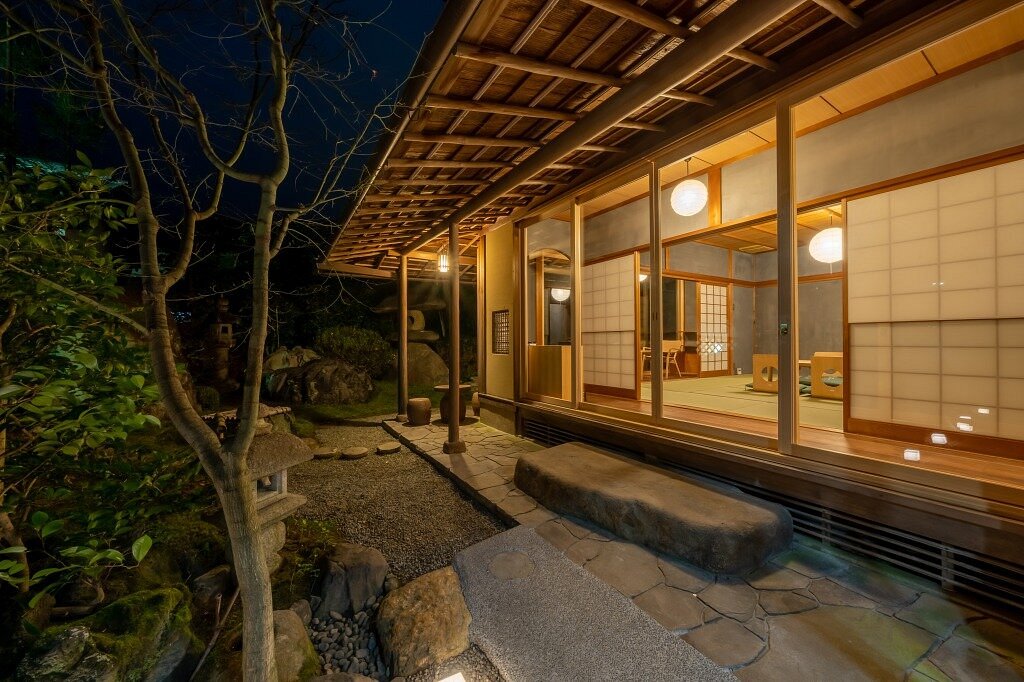
The engineered balance of indoors and outdoors is at the heart of Kyoto’s ryokan design. Engawa, the narrow wooden corridor that runs along living spaces, functions as a transitional space that keeps rain at bay while inviting you to observe the garden. When you step onto engawa during a drizzle, your senses register the moisture, wood, and green—without becoming soaked or uncomfortable. The floor-to-ceiling shoji doors can be opened to let in a breeze or closed to trap a gentle heat. This flexibility helps maintain a comfortable climate, which is essential on damp days. The architecture itself becomes a guide for mood, gently steering you toward stillness and contemplation rather than hustle and bustle.
In addition, the use of cedar, hinoki, and other aromatic woods infuses each room with a soft, natural scent that complements the damp air. The results are comforting cues that signal safety and ease. If you’re new to ryokan culture, paying attention to these design choices will deepen your appreciation for how Kyoto’s damp-season hospitality is crafted to support relaxation and recovery after rainy-day wanderings.
Texture, light, and the ritual of warmth
Warmth in rainy Kyoto ryokans often arrives through carefully chosen textiles. Thick cotton or wool throws drape over futons, and the lighting is intentionally warm rather than bright. Fireplaces or electric coils provide a steady, quiet heat that doesn’t compete with the ambient glow from paper lanterns. This combination of texture and light fosters a sense of shelter, and you’ll notice your posture soften as the day’s drizzle drains from your thoughts. Instead of rushing to a destination, you’re drawn into the slow cadence of tea, conversation, and quiet napping—a trio that may become the highlight of a gray day.
As you settle in, you’ll begin to see how the weather becomes an ally rather than an obstacle. Each element—wood, fabric, and light—works together to create a retreat that feels bespoke and intimate. The rain becomes a seasonal companion that enhances stillness and invites you to savor the moment rather than capture it as a postcard.
Onsen rituals and tea ceremonies: The sensory heart of rainy days
In Kyoto’s rainy climate, the onsen ritual is not a luxury; it’s a necessary return to center. A soak after a damp afternoon is a restorative act, washing away the chill and resetting the senses. You’ll discover baths designed for quiet contemplation, with steam softly curling into the air and stone surfaces warm to touch. Onsen rituals here emphasize mindfulness: slow entry, steady breathing, and gratitude for the steam that rises with the rain outside. The effect is cumulative—calm hands, clear thoughts, and a serene mood that extends into a candlelit dinner and a quiet night in a tatami room. If you’re new to onsens, your ryokan host will guide you through etiquette, ensuring you experience the bath with respect and ease. The ritual becomes a nightly anchor you can count on during stormy, atmospheric evenings.
Tea ceremonies in rainy Kyoto ryokans are similarly curated to match the weather’s mood. A small, precise sequence of steps—roasted tea, whisking, and serving with a gentle bow—unfolds in a quiet room where rain taps the window. The tea’s bitterness is balanced by warm sweetness, a contrast that mirrors the contrast between damp air and a toasty interior. The ceremony’s pace slows your breath and sharpens your attention, turning a simple beverage into a doorway to Kyoto’s tradition and care. In addition to the formal ceremony, many ryokans offer a curated tea tasting that pairs local sweets with seasonal notes, highlighting the bakery-warmth of Kyoto’s culinary craft.
To enrich this experience, seek accommodations that highlight a private onsen or a bath that looks out onto a garden. The best options offer a view that changes with the weather—mist hovering over a pond, rain tapping a bamboo grove, or steam rising from a bath that faces a quiet stone garden. These elements transform the bath into a ritual of listening and feeling, rather than a routine wash. When you combine onsen with a tea ceremony, you create a layered sensory memory: warm water, fragrant steam, and the soft, clattering rain outside your window.
Practical planning for rain-soaked explorations
Planning for rain in Kyoto means choosing flexibility, not rigidity. Pack versatile layers, including a lightweight waterproof shell, breathable knit layers, and comfortable waterproof footwear. A compact umbrella is essential, but a rain jacket with a hood works even better in crowded temple precincts where gusts may twist an ordinary umbrella. The key is to stay comfortable enough to keep exploring when the storm lightens or when it resumes again. You’ll want to map a mix of indoor and sheltered outdoor activities: temple visits with ample covered walkways, subways and buses that connect to culturally rich neighborhoods, and evenings at your ryokan that emphasize relaxation over itinerary fulfillment.
For a smooth day, start with a light breakfast in your ryokan, then pick a morning temple or museum with covered walkways. Afternoon rain is ideal for a cafe crawl, book-lined corners, and a private onsen session. Evenings invite a slow dinner featuring seasonal kaiseki or a warm nabe hotpot, followed by a stroll under a lacquered lantern’s glow. The mood is intimate, the pace is gentle, and your memories are the kind that linger in the mind long after the umbrella has dried. The rain, in a sense, becomes the soundtrack for your Kyoto retreat rather than a disruption to your plans.
When it comes to timing, consider that Kyoto’s rain can arrive in bursts rather than constant sheets. Allow short windows for outdoor photos, then retreat to a sheltered courtyard or a covered bridge to observe the city’s mood without getting soaked. A well-chosen ryokan can act as your weather buffer, offering warm spaces to pause, reflect, and savor a carefully prepared meal before you step back into the drizzle. This approach keeps your experience coherent and deeply satisfying, even on a day when the sky keeps you close to home and hearth.
Gear and packing for rainy Kyoto ryokans experiences
Your gear should protect you while preserving your ability to move gracefully through Kyoto’s wet weather. Start with waterproof footwear that grips well on stone and tile; avoid leather that can stain or stiffen when damp. A compact, packable rain shell with a breathable membrane keeps you dry without overheating. A light scarf or shawl adds warmth and is easy to adjust as you transition from heated interiors to the damp outdoors. For daily excursions, a small daypack that resists rain keeps your phone, camera, and pocket notebook safe. And for evenings in your ryokan, bring a soft robe or comfortable loungewear to maximize a sense of sanctuary once you return indoors. By preparing thoughtfully, you’ll stay comfortable while you savor Kyoto’s rain-soaked beauty.
Within the footwear and outerwear choices, prioritize comfort over fashion. You’ll thank yourself when the rain eases and you walk a quiet street with a steaming bowl of noodles in hand. For tech, a compact power bank helps you keep devices charged during long, indoor explorations. If you plan to photograph the rain, a lightweight, weather-sealed camera bag protects gear without adding bulk. The idea is to enable you to roam confidently through the city’s rainy lanes, while your ryokan offers all the warmth you need to reset after each stroll.
As we close Part 1, you’ve learned how rainy Kyoto ryokans turn drizzle into a distinct mood and ritual. The next section will dive deeper into the rooms, gardens, and intimate spaces that define the Part 2 experience: Cozy Kyoto Ryokan Experiences: Rooms, Gardens, and Rainy Day Rituals. Stay tuned for Part 2 to explore the inner sanctum of Kyoto’s rainy-day refuges and how to design a stay that weaves together architecture, nature, and mindful dining.
Stay tuned for Part 2: Cozy Kyoto Ryokan Experiences: Rooms, Gardens, and Rainy Day Rituals.
Mastering the Cozy Rainy Kyoto Ryokan Experience: Step-by-Step Itinerary & Booking Guide
Entering a rainy Kyoto ryokan is a ritual of comfort. In this section you will find a practical, step-by-step plan to design a stay that marries moody weather with serene interiors. The focus is on rainy Kyoto ryokans, enveloping you in hushed halls, tatami, and steaming baths. By following these steps, you maximize warmth, minimize travel stress, and unlock Kyoto’s quiet magic when the sky weeps.
First, plan with intention. Your choice of neighborhood shapes your daily rhythm more than you might expect. Gion and Higashiyama offer lantern-lit lanes, traditional teahouses, and easy access to temples that glow in damp light. Arashiyama provides forested surrounds and bamboo groves that feel mystical when mist thickens. A well-located ryokan—especially one with a private rotenburo or a refined onsen—turns a rainy day into a feature, not a fallback. When scouting options, look for heated floors, deep-soaking bathtubs, and a warmly lit lobby that invites lingering after a downpour. These details matter because the true star of the rainy Kyoto ryokan experience is time spent beside steam and quiet conversation.
Next, align your itinerary with the rhythm of rainfall. Kyoto’s climate often delivers rain in waves. Summer showers can be brief, while early summer and early autumn bring steadier drizzle. In 2026, planning around forecasted showers gives you a sense of control while preserving the magic of the weather. The objective is to weave indoor experiences—the onsen, the kaiseki meals, the library-like lounge—into the hours when the sky is least forgiving, and to reserve outdoor wandering for moments when the drizzle feels like a soft veil rather than a disturbance.
Before you pack, set a flexible framework. Your booking should prioritize a ryokan that offers a private bath or easy access to a public onsen. This is crucial for rainy days when you want to relish warmth without puddle-hopping in slick streets. Factor in a late check-in to maximize your first day’s comfort and a morning slow start to savor tea or coffee in a quiet lounge. A thoughtful plan keeps your mood elevated even when clouds linger over the city.
With that framing, you are ready for the step-by-step journey that defines the rainy Kyoto ryokan experience. The following sections cover Step 1: Planning Your rainy Kyoto ryokan Stay, Step 2: Best Seasonal Timing for Rainy Kyoto ryokans, Step 3: The Ideal 3-Day Cozy Rainy Kyoto ryokan Itinerary, Step 4: Booking Like a Pro, Step 5: In-Room Rituals & Onsen Etiquette in the Rain, Step 6: Packing for Wet Weather, and Step 7: Food, Culture & Kyoto’s Comfort Creations in Rain. Each step reinforces a calm pace, mindful pacing, and a sense of discovery in every drizzle.
Step 1: Planning Your rainy Kyoto ryokan Stay
Start with where you base yourself. If you crave intimate streetscapes and easy temple access, choose a ryokan near Gion or Higashiyama. For denser forest ambience and a touch of rural mood, Arashiyama is ideal. In rainy weather, proximity to a warm lounge and a private onsen matters more than a postcard view. Look for ryokans offering a private open-air bath or a shikkui-lacquered onsen room, so you can soak while the rain drums a soft rhythm on the roof. A thoughtful plan means thinking about transit too. Short walks from your ryokan to nearby cafes or covered arcades protect you from sudden downpours while still letting you enjoy Kyoto’s atmosphere.
Booking strategy matters as much as the choice of place. Direct bookings with a ryokan can yield better terms, flexible cancellation, and direct communication for special needs. If you opt for an OTA, choose one known for clear policies and transparent fees. In rainy Kyoto ryokans, the ability to modify your plans without penalty is a quiet luxury when forecast changes occur. When you reserve, request a room with a view and a seating area where you can linger after tea. Small comforts—soft lighting, a warm futon, and a yield of tea—transform a night into a sanctuary rather than a room with a bed.
As you compare options, read host notes about onsen etiquette, bath timing, and any private-dining options. Some ryokans offer kaiseki with a seasonal twist that highlights Kyoto’s culinary mood in the rain. If a property mentions a rain-friendly dining plan or an indoor garden, note it as a feature that aligns with the mood you’re chasing. If you want a sense of the broader landscape, the official Kyoto travel site provides neighborhood snapshots and practical tips that help you weigh options. Kyoto Official Tourism can be a helpful guide in the early planning phase.
Step 2: Best Seasonal Timing for Rainy Kyoto ryokans
Kyoto spends a good portion of the year in drizzle or steady rain. The梅雨 (tsuyu) season typically runs from late May through July, with occasional showers into early August. Early autumn also brings moist air and fog that can add a mystic layer to your photos. If you want to protect your plans, target midweek stays and shoulder weeks when rates may dip but weather remains rain-friendly. In 2026 the rain pattern holds, with a higher likelihood of lively, dramatic skies after late afternoon showers—perfect for moody photography and candlelit evenings inside. Adjust your outdoor expectations accordingly and lean into the comforts of a warm ryokan when the rain arrives.
Rather than chasing clear skies, cultivate a rain-ready mindset. Pack a compact umbrella with a sturdy canopy, waterproof footwear that grips tiled surfaces, and a lightweight rain jacket that layers under a kimono or yukata. Kyoto’s rainy days invite comfort foods like hot soups, oden, and steamed dishes. They also invite quiet temple visits when the crowds thin. Your plan should create time blocks for indoor rituals: tea ceremonies in the lobby, a soak before dinner, and a slow stroll through dimly lit koromizukuri lanes when the weather refuses to relent.
Step 3: The Ideal 3-Day Cozy Rainy Kyoto ryokan Itinerary
On Day 1, arrive and settle into your ryokan. After check-in, allow time for a hot bath, followed by a slow tea ritual in a low-lit lounge. Evening explores focus on the Gion ambience, where lanterns glow softly in the rain and wooden storefronts reflect in wet stones. If you have a private bath, reserve a sunset soak before dinner to drift into the night with a calm, collected mood. The first night becomes a quiet anchor, establishing a mood of ease that will carry you through the rest of the stay.
Day 2 begins with breakfast in the ryokan and a plan that skirts the rain rather than fights it. A covered stroll through Higashiyama’s narrows leads to temples with mossy steps and rain-slick stone. Return for lunch in a warm café or the ryokan’s dining room, where broth-scented steam fills the air. Afternoon options include a curated indoor visit to a traditional crafts studio or a short ferry across a misty river if weather allows. Evenings are reserved for a kaiseki dinner or a seasonal tasting menu, paired with a curated sake flight. A nighttime soak in the ryokan’s onsen offers a final moment of quiet before bed.
Day 3 is a gentle blend of indoor comfort and light exploration. A morning walk along covered arcades connects you to local markets where warm chazuke and green tea are the warm-up acts. Back at the ryokan you may enjoy a final soak, a last cup of tea, and a slow packing ritual that respects the moment. If you choose, schedule a spa treatment that complements the rain’s mood—an aromatherapy massage, a salt scrub, or a facial that uses Kyoto botanicals. By end of day you’ll feel you have lived through a storybook rain, with the ryokan as your narrator guiding you toward a soft, content goodbye.
Step 4: Booking Like a Pro: Payment, Cancellation, Direct vs OTA for rainy Kyoto ryokans
Booking a rainy Kyoto ryokan is about securing both comfort and flexibility. Whenever possible, pick a room with a refundable or partially refundable policy for peace of mind during uncertain skies. Direct bookings often yield the best opportunities for special requests, late check-ins, or preferred bath options. If you must use an OTA, choose one known for transparent terms and excellent customer support, especially for changes during the rainy season. Consider adding a meal plan that aligns with your weather plan—kaiseki for calm evenings or light sukiyaki distributions on cooler days. When you confirm, request a note on any on-site experiences specific to rainy days, such as private baths or rain-friendly dining corners, to ensure your stay aligns with the mood you want to capture.
Finance-wise, set a rough budget that includes the ryokan rate, meals, and a small buffer for spa or private bath fees. Rainy days can magnify small luxuries into meaningful moments, so plan to allocate a little extra for added comforts—like a second soak or a late-night tea service. Finally, keep digital copies of all confirmations and receipts. A quick reference helps in case forecast updates require you to modify plans mid-stay.
Step 5: In-Room Rituals & Onsen Etiquette in the Rain
In-room rituals begin with a calm threshold. Remove outside footwear and slip into the tatami-quiet space of your room. If your ryokan offers a yukata, wear it to the lounge, then change for bathing as instructed by staff. When visiting an onsen, observe etiquette: wash thoroughly before entering, keep long hair secured, and never bring towels into the bath itself. If you are sharing a public bath, be mindful of noise and avoid splashing. If the ryokan offers a private rotenburo, consider booking it for a twilight soak when the drizzle has settled into a hushed rhythm. In rainy Kyoto ryokans, the soundscape—rain tapping the wooden eaves, steam rising from hot water—becomes part of the therapy.
In-room rituals also include tea ceremonies or carefully prepared matcha. Allow staff to guide you through the proper preparation, which enhances the sensory mood without disrupting the tranquil pace you’ve set. A quiet evening intake—perhaps a small plate of simmered vegetables or a warm miso soup—can be the perfect counterpoint to a day spent listening to rain. These routines aren’t merely routine; they are part of the emotional architecture of a cozy rainy retreat.
Step 6: Packing for Wet Weather and Comfort Apparel
Pack with humidity and warmth in mind. A compact, durable umbrella and a lightweight rain shell are essentials. Footwear should be water-resistant and grippy; save fragile leather for indoors. Quick-drying fabrics help you rotate outfits without carrying heavy damp baggage. Include a warm layer for evenings—cashmere or a soft wool cardigan works well. Consider a compact laundry kit if you plan several nights; freshening items between days keeps everything feeling new. For Kyoto, a few elegant touches—one or two kimono-styled pieces or a refined scarf—can elevate a rainy day stroll into a scene from a quiet film. And don’t forget earthen-toned, comfortable loungewear for your ryokan’s lounge. The goal is to feel at ease, not overpacked, so curate a kit that embraces both indoor warmth and the charm of wet streets outside.
Special note for photography lovers: rain creates a reflective surface that turns temple gates, stone lanterns, and wooden facades into cinematic images. Bring a compact camera or ensure your phone is protected with a weatherproof case. A small, packable microfiber towel is handy for quick cleanups after tea or steam. In short, your packing should tilt toward comfort, durability, and quiet mood preservation as the rain continues its gentle cadence.
Step 7: Food, Culture & Kyoto’s Comfort Creations in Rain
Kyoto’s culinary mood shifts with the weather. Rainy days invite hot soups, simmered vegetables, and refined, slow-cooked dishes. Kaiseki meals can feel like a warm story told in seasonal ingredients, while yuba, tofu, and gentle fish create harmony with the mist. When you dine in the ryokan, allow the staff to guide you through tasting notes and portions designed for slow savoring. Outside meals, seek indoor cafes where artful sweets and matcha beverages offer the same mood you find in your room—soft, contemplative, and deeply Kyoto. If you want to explore broader flavors, plan a rain-friendly afternoon visit to a traditional sweets shop or a sake bar with intimate seating. The aim is to treat rain as a mood enhancer rather than a barrier to enjoying Kyoto’s hospitality.
To deepen your cultural immersion, reserve time for a quiet temple visit during a light drizzle or a mist-filled morning. The rain provides a veil that can heighten the sense of antiquity surrounding Kyoto’s stone paths and mossy walls. In this way, even a short walk becomes a memory: a lantern, a scent of incense, and the soft hush of water on timber. Throughout, your rainy Kyoto ryokan stay should feel like a seamless arc—from the initial check-in to the final goodbyes—where the weather acts as a companion rather than a foe.
As you prepare for Part 3, you will refine your approach to rain-driven itineraries, including additional indoor experiences and exclusive access options that further deepen the Cozy Rainy Kyoto ryokan experience. In Part 3, titled Part 3: Kyoto Rainy Day Essentials & The Ultimate Indoor-First Itinerary, you will explore advanced planning tactics, exclusive experiences, and gear selections tailored to 2026 trends, ensuring your next visit feels like a carefully crafted retreat rather than a typical city break.
Advanced Rainy Kyoto Ryokan Strategies: Beyond the First Stay and Community Growth for rainy Kyoto ryokans
In this final section, we elevate your rainy Kyoto ryokan strategy from transactional bookings to a thriving, self-sustaining ecosystem. The focus is on turning a single misty visit into lasting relationships, scaling personalized experiences, and building a community around the moody beauty of Kyoto during the rainy season. By applying systems, partnerships, and storytelling that resonate with rain-lovers, you can sustain demand, optimize operations, and cultivate ambassadors who amplify your brand with every drizzle. The result is not just higher occupancy, but a brand identity that feels essential to travelers who seek damp nights, soft light, and timeless hospitality.
First, we must operationalize repeat guest growth without sacrificing the intimate, human touch that defines a traditional ryokan. Then we pair data-driven personalization with carefully crafted rain-centric packages. Finally, we convert satisfied guests into advocates and collaborators through community-building tactics that feel organic, not forced. The following strategies are practical, implementable, and designed to scale while preserving the soul of rainy Kyoto ryokans.
Beyond the First Stay: Turning Guests into Loyal Advocates for rainy Kyoto ryokans
Hospitality thrives when guests feel uniquely valued after checkout. The first stay is a gateway; lasting loyalty is a commitment built through consistent, meaningful touchpoints. Start by mapping a simple guest journey that extends beyond check-out. Each step should feel intentional, not automated, and it should reinforce the Kyoto雨模様 mood that defines rainy Kyoto ryokans.
Loyalty tiers and exclusive experiences: Create a tiered program that rewards repeat visits with increasingly specialized advantages. For example, Tier One might offer a welcome rain playlist and a complimentary tea service during a return stay. Tier Two could include priority notifications for last-minute rainy-day slots for private baths or guided mist walks, plus access to members-only cultural demonstrations. Tier Three could grant seasonal room upgrades, private dusk-in-the-courtyard experiences, or early access to new rain-themed packages. The key is to make each tier feel achievable and genuinely valuable, with clear progress milestones tied to rainy Kyoto ryokans experiences rather than generic perks.
Personalized post-stay touchpoints: Within 24 hours of checkout, send a warm email that references a memorable moment from the stay—perhaps a tea ceremony scene during a rain shower or a quiet conversation in the lobby as drizzle intensified outside. Include a small, tailored offer for their next visit, such as a preferred seating arrangement in a teahouse nearby or a private onsen session during a rainy evening. Follow up again two weeks later with a seasonal promotion that aligns with the Kyoto rainy calendar, reinforcing the idea that rainy Kyoto ryokans are part of their ongoing story, not a one-off escape.
Anniversaries and ritual rebooking: Encourage guests to book anniversaries or seasonal revisits. Send a calendar-friendly reminder before their next expected rain period, plus a nudge about limited slots for coveted experiences. When guests return, surprise them with a small, location-specific keepsake—perhaps a ceramic rain cup or a handwritten note—demonstrating that their return is valued and anticipated. This repeat-guest strategy helps rainy Kyoto ryokans become a trusted ritual rather than a mere weekend choice.
Personalization at Scale: Data-Driven Customization for rainy Kyoto ryokans
Personalization is more than addressing guests by name. It’s about predicting needs, shaping offers, and curating moments that feel designed for the rainy Kyoto ryokan experience. Build a light data framework that respects guest privacy while surfacing actionable insights for your front desk and partners. The outcome is hospitality that feels intimate, even when you’re operating at scale.
Capture rain mood preferences: On the reservation form, add optional fields that capture guests’ rain-related preferences, such as favorite seating by the shoji screens to watch rain, preferred tea strength, or distance to a sheltered courtyard for photography. Use this data to tailor welcome notes, seating plans, and even the sequence of experiences offered on arrival. When guests know you’ve tracked their rain mood, they feel seen and understood, which strengthens the rainy Kyoto ryokan romance.
Segmented communications for rainy Kyoto ryokans: Build email segments based on booking patterns, stay length, and the typical rain forecast during their planned visit. For example, a longer stay might trigger a curated “misty week” itinerary with daily micro-events, while a shorter visit could offer a compact, highly curated rainy-day experience bundle. Keep messages concise and action-oriented, with clear next steps and booking CTAs tailored to the guest’s rain-oriented preferences.
Preference-driven service scripts: Equip front-desk staff with micro-scripts that reference guests’ rain preferences, enabling a consistent, high-touch experience. If a guest loves afternoon rain, staff can suggest a calm courtyard tea session at a precise hour or arrange a private lantern-lit stroll when drizzle subsides. These small, personalized touches accumulate into a powerful sense of care that differentiates rainy Kyoto ryokans from other stays.
Creating Immersive Rain Packages: Weather-Ready Itineraries and In-Ryokan Experiences
Packages that celebrate rain turn weather into an invitation rather than an impediment. Build immersive, weather-ready itineraries that blend indoor coziness with subtle outdoor magic. The goal is to shape a curated narrative that keeps guests connected to the rain, the city, and your ryokan’s unique identity.
Private, rain-friendly experiences: Offer exclusive options like private rain garden strolls, guided mist photoshoots at dawn, or a twilight walk under the shelter of a lantern-lit alley. Pair these with a hot drink or dessert service that emphasizes warmth and comfort. These intimate moments become the heart of the rainy Kyoto ryokan experience, differentiating your offer from standard lodging.
In-ryokan immersion programs: Design day or evening programs that are entirely indoors yet deeply atmospheric. Think: a kaiseki tasting with rain-relevant storytelling, a lacquerware demonstration in a rain-warmed atrium, or a sake pairing session guided by a sommelier who appreciates rain’s sensory effects. When guests leave, they carry memories of both the weather and the careful craft inside your walls.
Weather-curated dining and tea rituals: Center meals and ceremonies around the rain mood. For instance, a tea ceremony with a clouded window view, or a dessert course plated to echo the patterns of rain on a glass pane. Enable guests to book these rituals as add-ons, reinforcing the sense that rainy Kyoto ryokans offer curated, weather-aware luxury rather than generic hotel fare.
Multi-night storytelling series: Design a sequence of activities that unfolds over several days, each aligned with rain phases—gentle drizzle, steady rain, and misty fog. This approach gives guests a reason to stay longer and to return for the evolving mood as the city’s rain shifts. A storytelling arc helps your rainy Kyoto ryokan stand out as a living experience rather than a static retreat.
Partnerships that extend the rainy experience: Collaborate with local artisans and cultural hosts to offer rain-centric experiences that amplify your in-ryokan programs. A pottery demonstration on a rainy afternoon, a calligraphy workshop in a rain-washed studio, or a lantern-lit haiku reading in a sheltered garden creates resonance with travelers seeking atmospheric depth. Each collaboration enriches the rainy Kyoto ryokan identity while expanding your offering beyond lodging.
Building a Branded Rain Community: UGC, Referrals, and Social Proof for rainy Kyoto ryokans
Communities amplify growth by turning guests into storytellers. When people share their moody Kyoto moments, your brand gains reach and credibility without heavy ad spend. Design systems that encourage authentic user-generated content, celebrate guests’ rain-related stories, and reward referrals in meaningful ways.
Story-driven reviews and photo storytelling: Encourage guests to submit a short narrative of their rain experience, paired with a favorite photo from the stay. Create a simple, structured template that makes sharing easy. Feature the best stories on your site and social channels, giving credit to authors and including a link back to their profile. Authentic storytelling resonates with prospective guests seeking the rainy Kyoto ryokan vibe.
Referral programs with meaningful incentives: Develop a refer-a-friend program that offers both the referrer and the new guest value. Examples include a private rain guidance session, a complimentary dessert during the next visit, or a behind-the-scenes tour of a local crafts studio. Tie the program to rainy-season promotions to maximize relevance and participation among travelers interested in rainy Kyoto ryokans.
Community showcases and events: Host quarterly rain-themed events where guests can share their photos, tips, and favorite rainy Kyoto experiences. Promote these as exclusive community gatherings for past and prospective guests. Use these events to deepen loyalty, capture fresh user content, and create a living, evolving sense of community around rainy Kyoto ryokans.
Non-competitive outbound resource: To deepen local context and authenticity, reference reputable sources for cultural background and itineraries. For example, you can link to Kyoto Tourism for visitors who want official guidance on rainy-season attractions and local etiquette. This strengthens trust and provides added value for readers researching rainy Kyoto ryokans.
Local Collaborations: Artisans, Tea Masters, and Sake Brewers for rainy Kyoto ryokans
Collaborations with Kyoto’s rich craft and culinary scene transform a stay into a living, local experience. Align partnerships with the city’s artisans and sensory experiences to deepen the moody atmosphere guests crave. These partnerships create unique value propositions for rainy Kyoto ryokans and build a network that sustains your business across seasons.
Co-created experiences with artisans: Work with ceramicists to offer rain-inspired tableware, or with textile artists to provide a limited-edition bathrobe or scarf. Feature these creations in-room or as add-ons for future stays. Co-branding strengthens storytelling and gives guests a tangible memory of their visit to rainy Kyoto ryokans.
Tea masters and cultural hosts: Invite a tea master to lead a rain-focused ceremony or a tasting that highlights seasonal flavors. The quiet, reflective mood of rain suits these rituals and deepens guests’ appreciation for Kyoto’s traditions. Use these sessions to create shareable moments that travel bloggers and guests can promote.
Sake breweries and night markets: Arrange private tastings or nocturnal strolls near curated rain-friendly venues. The ambiance of rain, lanterns, and warm interiors makes for compelling storytelling and high-value experiences that guests will want to document and recommend.
Cross-promotional storytelling: Publish collaborative content that showcases the partners and the rainy Kyoto ryokan experience. This strengthens authority and expands reach through multiple channels while staying true to your moody, weather-forward niche.
Operations, Systems, and Pricing: Rain-Ready Management for rainy Kyoto ryokans
Operational excellence is the backbone of scalable growth. Develop systems that support dynamic pricing, availability management, and seamless guest experiences even when rain disrupts foot traffic. In rainy Kyoto ryokans, efficiency must coexist with warmth and humanity.
Dynamic pricing and inventory control: Use forecast-based pricing that reflects rain intensity, seasonality, and local events. Communicate value transparently so guests perceive fairness and relevance. Dynamic pricing helps sustain profitability during slower rain periods while rewarding guests who choose to travel in mist and drizzle.
Flexible booking policies: Offer flexible cancellation windows during heavy rain forecasts and provide weather guarantees for specific experiences. This reduces guest anxiety and positions rainy Kyoto ryokans as dependable, rain-aware refuges rather than rigid travel anchors.
Streamlined booking experiences: Integrate a smooth, fast booking path with rain-forward add-ons. Make it easy to reserve private baths, tasting menus, or weather-themed experiences. A frictionless process reduces drop-offs and supports higher conversion for rainy Kyoto ryokans.
Operational readiness for rain: Ensure reliable Wi-Fi, moisture control, towel warmth, and sheltered outdoor spaces. Small comforts—heated floors, warm lighting, and sound-muffling shutters—help guests feel cocooned from the rain. These details make a measurable difference in guest satisfaction and return likelihood for rainy Kyoto ryokans.
Sustainability and responsible tourism: Embrace eco-friendly practices that align with moody, atmospheric branding. Use rainwater harvesting for gardens, energy-efficient heating, and local sourcing to minimize footprint. Guests appreciate purpose-driven hospitality, especially when it supports Kyoto’s cultural heritage and environment, reinforcing the rainy Kyoto ryokan difference.
Measurement, KPIs, and Feedback Loops: Tracking Success for rainy Kyoto ryokans
Data-informed decisions sustain growth. Define clear KPIs that reflect the subtleties of rainy-season demand and guest satisfaction. Use these metrics to refine experiences, pricing, and marketing over time.
Guest sentiment and NPS: Monitor post-stay surveys with specific prompts about rain-related experiences, decor, and service. Track net promoter scores to gauge advocacy propensity among rainy Kyoto ryokan guests. Quick follow-ups after negative feedback can recover trust and retain guests for future rainy-season journeys.
Repeat bookings and average revenue per guest: Analyze repeat visit rates and revenue per guest by season and package type. Compare rainy vs. dry periods to understand how mood and weather affect demand. Use insights to optimize packages that perform best during rain-heavy months.
Content performance and community growth: Measure engagement with rain-centric content, UGC submissions, referrals, and social shares. Identify content types that resonate most with rainy Kyoto ryokans audiences and amplify them across channels to attract new guests through authentic stories.
Operational metrics for guest experience: Track check-in times, seating allocations, and wait times for popular indoor experiences. A smoother flow during rain reduces friction and raises satisfaction, which in turn supports long-term loyalty for rainy Kyoto ryokans.
Integrated Marketing and Content: Elevating rainy Kyoto ryokans Beyond the Stay
Marketing for rainy Kyoto ryokans should weave storytelling, culture, and atmosphere into every touchpoint. Create a content framework that showcases the moody charm of Kyoto in rain while highlighting your unique offerings. Use formats that travel communities love—guide articles, video diaries, photo essays, and immersive audio snippets—to reach audiences across channels.
Story-first content pillars: Build pillars around rain rituals, courtyard calm, and night walks in mist. Use these themes to generate evergreen and seasonal content that answers traveler questions and showcases your brand’s distinct voice. A robust content mix improves search visibility for rainy Kyoto ryokans and positions your brand as an authoritative resource in the niche.
Video and short-form storytelling: Produce short clips showing rain-washed streets, steam rising from hot pools, and guests savoring quiet moments inside. Short videos perform well on social platforms and drive traffic to deeper guides on your site. Pair video with rich, written guides to maximize SEO impact for rainy Kyoto ryokans.
Content repurposing and evergreen value: Turn guest experiences into evergreen blog posts, photo galleries, and how-to itineraries. Repackage content into newsletters, social posts, and printable checklists. This approach reduces content churn while improving reach and authority for rainy Kyoto ryokans.
Conclusion: Crafting a Lasting Legacy for rainy Kyoto ryokans
In summary, the most successful rainy Kyoto ryokan strategies blend loyalty, personalization, immersive rain-focused experiences, community building, and careful operations. By turning every drizzle into a reason to linger, you create a brand that guests remember long after the rain stops. The core idea is simple: treat rain not as an obstacle, but as a feature that elevates hospitality and storytelling. Ultimately, rainy Kyoto ryokans thrive when guests feel seen, guided, and part of a living, rain-washed narrative. If you’re ready to transform your property into a magnet for moody travelers, start with a loyalty framework, layer in weather-aware packages, and cultivate a vibrant guest community that grows organically through authentic storytelling. To begin your evolution, explore partnerships with Kyoto’s artisans, lean into weather-centric experiences, and keep refining your data-driven approach. For ongoing inspiration, consider the official context and guidance from Kyoto’s tourism landscape at Kyoto Tourism. Ultimately, rainy Kyoto ryokans deserve a strategy as refined as their atmosphere, and RainyRoutes is here to help you chart that course. Plan your next mist-filled stay, elevate your guest experience, and invite travelers to fall in love with Kyoto’s rain again through your exceptional rainy Kyoto ryokans hospitality. When the rain falls, let your ryokan’s story rise along with it, and invite travelers to join you in a season of wonder.