Bolivia Salt Flats Rain: Mystic Weather Guide
Bolivia salt flats rain is more than weather—it’s a mood, a mirror, and a portal to slow, mist-filled travel. On Salar de Uyuni, rain transforms stark whiteness into a living canvas where footprints vanish and skies delete boundaries. For RainyRoutes readers, this is not just a destination; it’s a practice in patience, photography, and perception. In this guide, we explore how to approach the Salar de Uyuni under cloud and drizzle, how to read the sky, and how to build experiences that feel both intimate and epic. We’ll cover gear, timing, safety, local context, and the stories that emerge when the world turns soft and silver under rain.
Bolivia Salt Flats Rain: Foundations for Mystic Weather Tourism on RainyRoutes
Bolivia salt flats rain: Defining Mystic Weather Tourism
Mist and mirror landscapes demand a new travel grammar. Mystic Weather Tourism is about reading the atmosphere as a co-creator of your itinerary, choosing routes that maximize mood rather than mileage, and embracing slower pacing when the winds and spray shift the horizon. On RainyRoutes we celebrate mood over speed, rain over glare, and human connection over instant gratification. This foundation helps travelers frame expectations, plan gear, and respect the desert’s delicate balance. In practical terms, it means building flexible daily plans, carrying weather-ready clothing, and prioritizing experiences that benefit from moisture—like reflective photography, foggy horizon gazing, and intimate sit-downs in mountain lodges after a rain squall.
As a concept, Mystic Weather Tourism invites you to see weather as an active collaborator, not a nuisance. It means scouting vantage points where reflections multiply the scene, choosing times when cloud layers peel back to reveal color, and letting the landscape determine pace rather than a fixed timetable. The Salar rewards curiosity and humility: you’ll learn more by observing how wind shifts the salt crust than by marching through a checklist. And you’ll find that the wet, reflective surface gives you a different kind of memory—one that lasts as long as the illusion of distance on a sunlit day.
Climate and Landscape: How Rain Reshapes the Salar de Uyuni
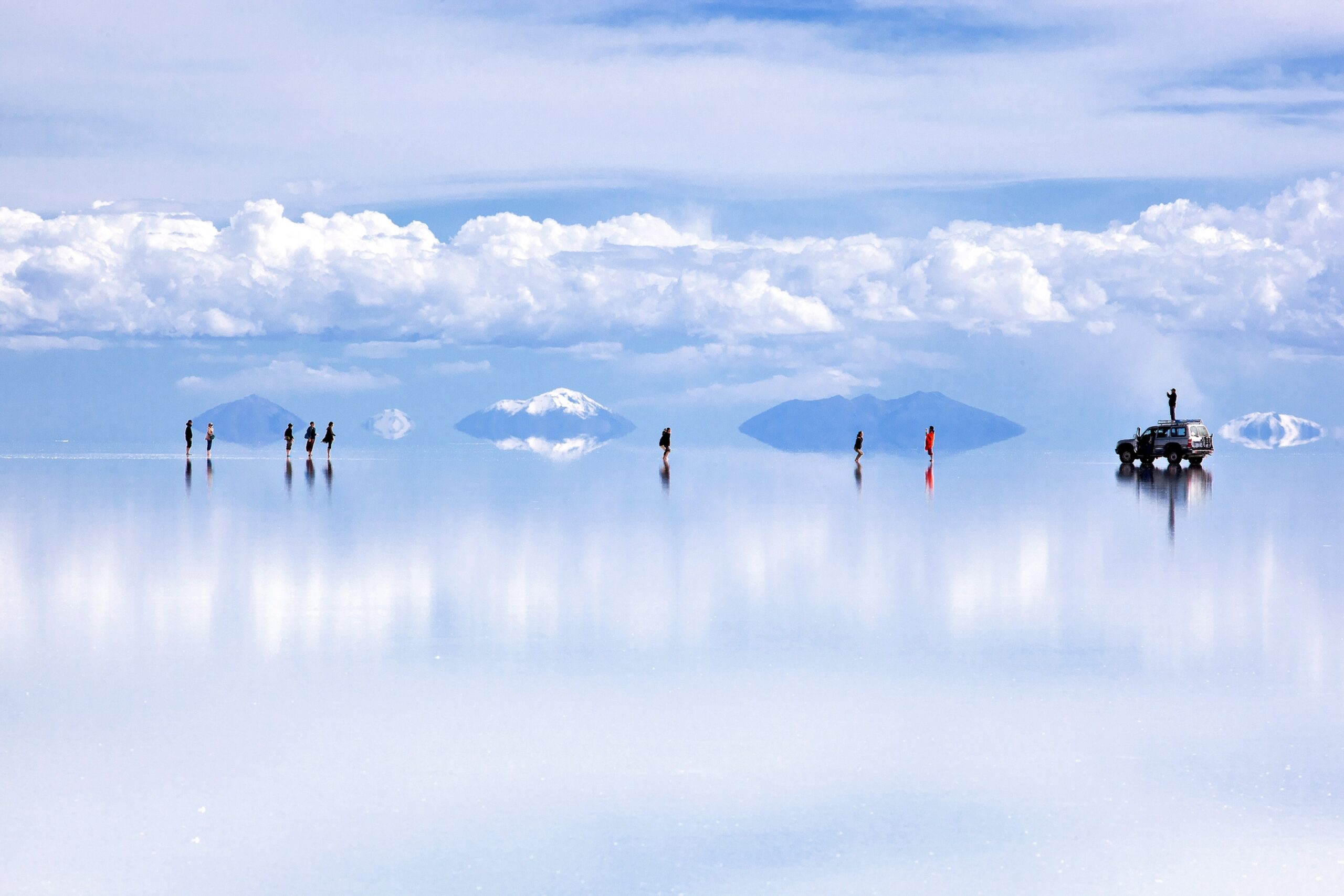
The Salar de Uyuni is a vast white canvas that becomes a living, water-covered stage during the wet season. When rain returns, the crust softens, puddles form, and a shallow lake emerges, turning the horizon into a perfect infinity mirror. That shift changes travel logistics, wildlife visibility, and the risk calculus for drivers and guides. Reflections become dramatic, giving photographers a chance to double the light path and create surreal compositions. However, standing water can also conceal hazards; it’s essential to follow local guidance, stay on designated tracks, and limit time on newly flooded surfaces to protect the fragile crust.
In addition, the season reshapes accessibility. Roads become rivers in places, and some routes require multi-hour detours or specialized vehicles. The payoff is a mood-drenched landscape that is almost otherworldly; a place where the sky seems to touch the surface and the ground feels like a cloud made solid. For travelers steeped in moody travel, the rain becomes an ally rather than an obstacle, inviting slow exploration and contemplative photography. See more about the Salar de Uyuni environment at Salar de Uyuni.
Seasonal Timing and Weather Patterns
Two seasons define the Salar’s rhythm: the dry season when the salt crust is hard and the wet season when the surface fills with shallow water. The rain usually peaks between December and March, when the sky is more volatile and the wind can sweep across flats with sudden intensity. The best reflective surfaces occur when there is a thin layer of water scattered across the salt, typically after a light shower or overnight dew. For moody travelers, this window is a gift: calm mornings yield glassy skies, late afternoons offer dramatic silhouettes, and blue hour can be sensational over a mirror-like surface.
Weather windows are notoriously fickle. A five-minute shower can dissolve into a five-hour drizzle, then clear to reveal a pristine horizon. Plan to pause often, scout vantage points from a safe distance, and use weather apps to track microclimates around the salt flats. In 2026, climate variability continues to push the edge of normal patterns, so flexible scheduling and local guidance are more valuable than fixed itineraries.
Monitoring Forecasts and Local Intel
Equip yourself with a reliable forecast tool and hire a guide who understands seasonal nuances. Local knowledge reduces risk and increases chances of catching the magical mirror moment when wind and light align. Remember: a single window can redefine an entire shoot or a day hike across the flats.
Photography, Mood, and Storytelling in Rain
Rain amplifies color, texture, and tone. In the Salar, you’ll often shoot silhouettes against a pale sky, fields of reflective water, and cloud banks that roll in off the mountains. Composition benefits from leading lines formed by ridges, tire tracks, and salt crust polygons. A moody rain day invites you to tell stories: the hush before a squall, the first circle of ripples on a puddle, or the moment a cloud bank swallows the horizon. Use shorter exposure to freeze raindrops on a lens hood, or long exposures for dreamlike mist and smooth reflections—balanced by careful tripod placement and wind protection for camera gear. The key is to pair a narrative with weather: a voyage through time, a memory of a storm, or a quiet meditation on space and silence.
Remember to protect your gear. Waterproof housings, rain covers for cameras, and lens cloths become essential gear in your daypack. For imagery lovers, layering rain with the salt’s bright white palette creates high-contrast frames that pop on social feeds and in guided itineraries.
Safety, Access, and Ethical Travel in Rainy Salt Flats
Safety begins with accepting uncertainty. Road closures, wet passes, and fog can appear with little warning. Travel with a guide who knows the local routes, animal crossings, and the condition of salt roads after storms. Respect local communities by using established camps and paying attention to cultural norms around photography near villages. The Salar is a fragile ecosystem. Every footprint counts when the crust is re-wetting; keep to designated tracks, avoid creating new tram lines, and minimize disturbance to wildlife and residents. In practice, this means planning slower itineraries, sharing spaces respectfully with other travelers, and supporting community-led initiatives that protect the salt flats while preserving livelihoods.
Practical safety tips include carrying a charged satellite beacon for remote segments, keeping spare water, and wearing sun protection despite frequent overcast skies. If weather worsens, seek shelter in established lodges or tents rather than improvising in exposed wind corridors. For more guidance on responsible travel, consult local operators who adhere to conservation standards and community benefit agreements.
Gear and Packing for Misty Moments in the Salar
Pack for moisture, not just cold. A lightweight, waterproof shell with a breathable membrane keeps you warm without overheating. Layering is essential: base layers that wick moisture, a mid-layer for insulation, and a waterproof outer shell for rain. For camera gear, bring weather-sealed bodies and lenses, with an all-weather bag or protective wrap. Extra battery warmth becomes important in chilly, damp mornings, and spare memory cards ensure you won’t miss a mirror moment. Think about lens choices: a wide-to-normal range for sweeping panoramas, a telephoto for distant wildlife or texture, and a macro for water droplets on salt crystals. Pack microfiber cloths, silica gel, and a compact tripod that resists wind gusts. Don’t forget a compact rain poncho for your entire kit to keep your camera bag dry between shoots.
To stay organized, maintain a simple packing checklist: waterproof bag covers, electronic backups, and a few emergency items such as a small first aid kit and a lightweight emergency blanket.
Local Culture, Conservation, and Economic Context
The Salar de Uyuni supports a network of communities whose livelihoods depend on tourism, salt mining, and transport services. Responsible visitors recognize that every visit has a broader impact: guiding by local operators, buying from small-scale producers, and contributing to conservation funds supports a balanced economy and a healthier environment. Learn about regional initiatives that protect water resources, habitats, and the traditional salt-harvesting practices that give the flats their distinctive texture. For a snapshot of ongoing conservation perspectives, see the Salar de Uyuni environment overview at Salar de Uyuni.
Consider engaging with community-led tours that employ local guides, women-led cooperatives, and salt harvest programs. Such partnerships ensure that revenue remains within the region, supporting education, health clinics, and reserve areas that benefit wildlife. Hearing elders recount ancestral routes across the flats offers a deeper appreciation for how the landscape has shaped life here for generations.
To prepare your trip, stay tuned for Part 2: Weather Windows and Lighting for Mystic Travel, where we map the best times to shoot, how to plan your route for dramatic reflections, and how to assemble an itinerary that mirrors the mood of the Bolivia salt flats rain.
Part 2 will take you through weather windows, lighting strategies, and route planning to maximize the mystical vibe of RainyRoutes on the Salar de Uyuni.
Core Experiences and Step-by-Step Rain-Washed Itinerary on the Salar de Uyuni
The Bolivian salt flats awaken a weather-charmed mood when rain returns. In the right wind, the Salar becomes a living mirror, bending light, shifting color, and turning a simple road into a corridor of fog and reflection. If you chase the Bolivia salt flats rain with intent, you’ll encounter moments that feel sacred: horizons sharpened into glass, not air. The air cools; the ground glows with a pale, salt-blue sheen; and every footprint you leave becomes a story you can almost hear as it dissolves into mist. This section lays out the core experiences you’ll crave during a rain-slicked visit and pairs them with a practical, rain-washed step-by-step itinerary that keeps momentum while honoring weather, altitude, and local rhythms.
Whether you arrive for a moody dawn, a neon-streaked sunset, or a moonlit night beneath the clouds, the Salar rewards deliberate pacing. You’ll want to adapt to the rain’s tempo, pause for the quiet, and capture moments that survive only in damp, reflective light. The guide here emphasizes experiential balance: bold, horizon-wide photography; intimate cultural exchanges with nearby communities; and a respect for the way seasonal moisture reshapes the landscape. For context on the environment you’re stepping into, explore trusted sources about the Salar de Uyuni’s geography and climate—and remember that a single rainy afternoon can redefine your entire itinerary. For a broader overview, you can consult Britannica’s Salar de Uyuni entry to ground your trip in factual background. Salar de Uyuni overview.
Bolivia salt flats rain: Core Experiences
First, the rain transforms the surface into a delicate, high-contrast canvas. The salt crust gleams like glass, while puddles collect into shallow basins that preserve every hue of the sky. Photographing here demands a patient eye and a steady stance. You’ll learn to frame symmetry where mountains vanish into the mist, to find texture in the crystal glaze, and to use negative space as a storytelling device. The experience isn’t just visual; it’s tactile. Rain-slicked salt crunches underfoot, and every breath feels cool and crisp. In this climate, small rituals become anchors: checking your camera settings, watching the wind for spray, and choosing a vantage point that honors the landscape’s quiet intelligence. The result is imagery that feels simultaneously ancient and modern, grounded in real weather and elevated by mood.
Second, plan for a day’s rhythm that includes sheltered pauses. Rain can arrive in sheets or dribble with a drumbeat on the salt. In both cases, you’ll want a dry space to thaw, refuel, and plan the next shot. A sheltered overlook, a simple salt-walled shelter, or a desert-adapted vehicle canopy gives you time to adjust lenses, swap batteries, and consult your local guides about the best reflective angles. This practice keeps your energy steady and your gear dry enough to endure longer shoots. Finally, you’ll discover the people who live on the edge of the salt flats. They bring warmth to a landscape of vast whiteness, speaking softly about the occasional floods, the seasonal tides, and the careful balance between tourism and conservation.
Dreamlike Mirrors: Sunset and Sunrise Reflections
As the sun edges above or sinks below the horizon, the rain-washed plane becomes a colossal mirror. Shadows flatten, colors sing in reverse, and the world seems to breathe through your camera aperture. You’ll find that the most dramatic reflections emerge when wind aligns with light. Specifically, early mornings offer a cooler, crisper air and a thin veil of mist that triples the intensity of colors around the horizon. At dusk, the sky erupts in gradients of pink and orange, and the salt field’s white surface intensifies the palette. Your job is to anticipate transitions: when to set up the tripod, when to switch to a fast shutter, and when to step back to absorb the mood with your own eyes before it fades into silver. These moments reward slow, deliberate shooting rather than rapid bursts. In practice, keep a few go-to compositions ready: a central horizon framed by a single reflective pool, a wide panorama of the plain with a distant sinal de las montañas, and a tight macro study of the salt crystals glistening like tiny diamonds.
Salt Crust and Mirage: Rain-Washed Horizons
Beyond mirrors, the Salar reveals mirages that are more impressionist than illusion. When rain lightly falls, you witness a shimmer banding across the horizon, as if the earth itself is breathing. This phenomenon sounds simple but invites a sophisticated approach. You’ll want to shoot with varying focal lengths to capture that sense of depth: a wide-angle to embrace the vastness, then a mid-length to focus on a single, elongated water line, followed by a macro to tease salt textures. The result is a triptych of scales that communicates what it feels like to move through a space where the ground and sky share the same tone. Transition words matter here: additionally, the eye travels from the near-ground sparkle to the far-off cloudscape, then back to the foreground details, creating a dynamic loop that keeps the viewer engaged. This is not only photography; it’s a study in weather-driven perception.
Night Skies and Quiet Encounters
The Salar’s night can be incredibly still, especially after a day of rain. Clear skies reveal a canopy of stars that feel improbably close, as if you are standing beneath a celestial ceiling washed by moisture. You’ll want to time your reflections with moon phases and cloud cover. If you’re lucky, the moonlight on the salt will create a silver thread across the plain, turning footsteps into faint silhouettes and making vehicles glide like quiet ghosts. In this rhythm, conversations with local guides become a bridge between the visual and the human experience. They share stories about weather patterns, seasonal floods, and the cultural significance of the salt. Listen closely, because these anecdotes add depth to your shots and to your own memory of the rain-washed night.
Photography Rituals: Capturing Mood in Mist
To cultivate a consistent mood across your shoot, establish a small set of camera rituals. First, calibrate your white balance toward the blue end of the spectrum to preserve the cold mood of rain and salt. Second, shoot in RAW to preserve detail in highlights and shadows—critical when reflections are extreme. Third, bracket your exposures and stitch panoramas for dramatic horizons. Fourth, protect your gear with weather-sealed bags or dry pouches, and keep silica gel handy to absorb residual humidity. Finally, review your images on-site with a calm pace. The best rain-washed photographs reveal patience as part of the technique, not just the moment. Throughout, maintain a respectful distance from wildlife and from any local photography restrictions, which can help protect both you and the environment.
Step-by-Step Rain-Washed Itinerary
The following sequence is designed to maximize mood and minimize risk in rainy conditions. It blends iconic salt-flat experiences with practical pacing, altitude awareness, and cultural sensitivity. The plan assumes a base in Uyuni or Colchani, with a guide who understands seasonal weather and road conditions in 2026. Remember to hydrate, dress in layers, and carry protection for electronics. Altitude sickness can strike gently; if you feel persistent dizziness or headaches, descend to a lower altitude and rest. The itinerary here emphasizes a balance between early-morning shoots and late-afternoon tranquility, with built-in downtime between movements to allow mind and camera to acclimate to the rain’s tempo.
Day 1 — Arrival and Base in Uyuni
Today you settle into your base with a focus on acclimatization and light exploration. Start with a gentle stroll through Uyuni town or a neighboring village like Colchani to sense the rhythm of daily life near the flats. If rain is forecast, schedule a late afternoon acclimation walk, letting the cool air and damp wind reorient your senses. Your first evening should include a briefing with your guide about the expected weather windows and safe photography spots. In this phase, you gather essential gear checks: battery warmers, lens cloths, a rain cover for the camera, and a dry bag for personal items. The goal is to set expectations without overextending your energy for the next 24 hours. Overnight accommodations offer a warm retreat, a chance to review the forecast, and to prepare for the next day’s light-aligned schedule. In the morning, a brief sunrise walk around the edge of town can prime your eyes for the broad, flat light to come. This day emphasizes comfort, orientation, and your first tactile feel of rain on salt. If weather permits, you’ll take a short awareness walk toward a sheltered salt lookout to practice framing under diffuse light, letting the mood of the day guide you toward stronger compositions the following dawn.
Day 1 soundbite: bring a compact tripod, a fast lens for low light, and a practice of slow, deliberate shooting. The Salinas weather can shift quickly, so you’ll want to be ready to move gently with the environment. For continuity of your narrative, note how the low humidity preserves color integrity while the salt’s brightness amplifies contrast. As the evening gathers, you may enjoy a simple local meal that celebrates cornerstones of Andean cuisine. The night becomes a quiet rehearsal for the next day’s high-contrast shoot. Stay alert for sudden changes in visibility, and plan your morning around the earliest clear window you can find.
Day 2 — Sunrise and Isla Incahuasi
Day 2 centers on a reliable, iconic sequence: sunrise on the salt flats followed by a visit to Isla Incahuasi, the cactus-covered island rising from the plain. Your guide will depart before first light to reach the salt surface as the world shifts from blue to gold. The rain has a way of softening the light, so you’ll want to balance fast shutter speeds for moving clouds with slower ones for the glassy surface and for cactus silhouettes. Isla Incahuasi provides vertical contrast—the stony island against the endless white. Plan a strategic route so you don’t miss the reflections at the water’s edge and the illuminating effect of early-morning sun on the salt crystals. After the island, you’ll travel to Colchani to observe salt mining in action and to sample fresh produce or snacks from local vendors. This day is a study in high-contrast photography and the careful management of moisture on lenses. The evening invites another mood, perhaps a second, softer reflection shoot near a sheltered area where you can watch the light change over a shallow pool as the sun sinks. The collaboration with your guide on optimal exposure for the salt’s glare becomes more fluent as you practice.
Day 2 travel tip: keep spare microfiber cloths within arm’s reach and use a lens hood to reduce flare from the sun reflecting off the wet salt. The weather in 2026 can swing quickly; respect forecasts and adjust your plan if a heavy downpour erupts. The goal is to avoid hasty, error-prone shots, favoring deliberate framing that capitalizes on the rain’s mood rather than fighting it. If you shoot with a remote shutter, you can minimize camera shake during gusts. And always respect local guidelines for photography around communities and salt mines, recognizing that some sites have restrictions designed to protect both people and the fragile salt ecosystem.
Day 3 — The Salt Flat Circuit and Off-Grid Stops
Day 3 broadens the lens to the wide-open circuit: distant mountain silhouettes, shallow lagoons, and the endless salt crust that seems to stretch into infinity. The rain-washed surface becomes a theatre of weather drama. Your itinerary includes carefully chosen stops that maximize mood without chasing every possible shot—quality over quantity. In this phase you’ll watch for soft edges where the sky bleeds into the salt, and for deeper textures where wind has carved lines across the surface. Midday pauses provide shelter for warm beverages, hot meals, and a moment to adjust filter settings or to switch lenses for macro detail of salt crystals. The afternoon often promises more reflective clouds and a cooler aura. You may see local herders with llamas or vicuñas, their soft introductions to your day offering a quiet interlude to the photographic cadence. The afternoon’s light is ideal for long exposure shots of the flat, capturing the subtle movement of clouds and the sheen of rain-washed salt through a glassy surface. On clear nights, the Salt Flats reveal a remarkable star field; if you’re lucky with weather, a long exposure can render a sea of stars mirrored on damp, flat terrain. This is the moment when your understanding of timing and weather becomes practical artistry.
Day 3 pro tip: maintain a careful itinerary buffer so you can stay longer in a location if the rain yields extraordinary reflections. The ultimate reward is a set of frames that reads like a single, continuous mood rather than separate moments. Remember to hydrate and to monitor altitude symptoms—these remind you to pace your day and protect energy for the final night. Your guide will help you navigate between high-contrast morning light and the gentler afternoon aura, ensuring that you end the day with a sense of completion rather than exhaustion.
Day 4 — Night Sky, Reflections, and Departure
On the final day, you optimize a compact, high-mood shoot before departure. Dawn offers one last chance to photograph under pale, rain-graced light, followed by a quiet late-morning walk along a sheltered edge where you can reflect on the journey. If weather allows, you’ll attempt a final panorama that stitches the salt, sky, and distant ranges into a seamless tableau. The departure path usually returns you to Uyuni or Colchani, depending on flight or bus schedules. The mood of the trip lingers in your memory—the cool air, the soft sounds of rain on salt, and the careful, patient approach to photography that the Salar rewards. The day also includes practical wrap-up tasks: collecting gear, packing, and confirming travel connections. By late afternoon, you’ll feel a sense of closure that invites you to translate the rain-washed mood into your future itineraries and photography projects.
As you wrap this rain-washed itinerary, remember that the Salar de Uyuni thrives on careful pacing, weather awareness, and respect for local life. The mood is not just in the images you capture, but in the way you move through the landscape with patience and care. By following the step-by-step plan here, you protect both your equipment and your experience, ensuring you leave with stories, not just photographs. This approach also serves as a template you can adapt for future misty journeys across the RainyRoutes world.
Looking ahead, Part 3 will take you deeper into practical gear, weather-proofing strategies, and safety considerations tailored to the Salar de Uyuni. Specifically, you’ll learn which rain-ready layers, camera housings, and power solutions best withstand high altitude humidity and gusting wind, along with tested packing lists for extended rainy expeditions. Stay tuned for a detailed gear guide and safety checklist that will empower you to chase the Bolivia salt flats rain with confidence in 2026 and beyond.
Advanced Mystic Outlands Tactics for Bolivia Salt Flats Rain Adventures
When you chase the Bolivia salt flats rain, you aren’t just chasing weather—you’re chasing a mood. This section dives into expert-level tactics that turn mist, mud, and mirror-like flats into your advantage. These advanced maneuvers blend practical prep with disciplined improvisation so you can extend your horizons without compromising safety or sustainability. The goal is to harness the unique atmosphere of Bolivia salt flats rain while protecting the fragile desert ecology and honoring local communities.
Bolivia Salt Flats Rain Gear and Prep
Advanced expeditions demand a curated kit that balances protection, mobility, and sensory clarity. The Bolivia salt flats rain creates glare, humidity, and salt crust that can age equipment quickly. Start with a high-efficacy system: moisture-wicking base layers, a breathable mid-layer for temperature control, and a waterproof, windproof shell with sealed seams. Waterproof footwear with ample tread and salt-resistant gaiters prevent deep mud intrusion and salt crust from wicking into socks. In this environment, even a small amount of moisture can lead to blisters or decreased grip on salt crust. Bring spare socks, a compact towel, and a quick-dry hat to manage sweat and drizzle.
Protection extends to your camera and electronics. A weather-sealed camera body is ideal, but you can equally protect a mirrorless or DSLR with a rain cover and lens hood that don’t impede quick changes. A microfiber cloth, silica gel packs, and a small blower keep salt spray at bay between shots. Carry a lightweight power bank and a rugged, waterproof pouch for essentials—phone, GPS, and first-aid notes. For navigation, a map plus a dry-erase marker helps you annotate routes on bench marks when GPS proves unreliable after heavy rain. The focus keyword Bolivia salt flats rain should thread through gear decisions because the environment demands it.
Pack strategically: designate zones for layers, camera gear, and emergency supplies. A compact, weatherproof duffel can serve as a rolling transition station if you’re crossing wet sections. Hydration remains critical; a sealed bottle with a built-in filter keeps you resilient during long exposures or sudden gusts of rain. In Bolivia, rain can arrive as a quick squall or a slow drizzle that blankets the flats. Plan for both by layering and spacing your gear so a single rain burst doesn’t derail your shoot or your safety. This approach makes Bolivia salt flats rain a predictable variable rather than a chaotic obstacle.
- Lightweight, breathable base layers (merino or synthetic)
- Waterproof shell with taped seams and adjustable vents
- Salt-resistant footwear and gaiters
- Camera rain cover, lens cloths, microfiber towels
- Spare memory cards and batteries—keep them warm when not in use
- Headlamp with red mode for night drift or stargazing
- Biodegradable wipes and a compact first-aid kit
Navigation, Weather Reading, and Risk Management
Weather is the primary agent of change in the Bolivia salt flats rain experience. Mastery comes from reading moisture patterns, wind shifts, and the way light refracts across evaporite surfaces. Advanced travelers don’t rely on a single forecast; they cross-check satellite data with on-site cues like cloud edge movement, wind direction, and the quiet hush that accompanies a rain cell approaching the horizon. The more you understand the weather grammar of Bolivia salt flats rain, the more you can time vantage points for dramatic reflections and safe crossings.
Reading Moisture, Patterns, and Timing
Moisture is your friend when you know how to read it. Early morning fog often lifts as the sun climbs, creating luminous pockets that become ideal for photography. If you notice a thin, metallic sheen on the salt crust, you’re likely in a transient pool area—good for mirrored imagery but slippery for travel. Watch for wind shifts that push spray toward you or away from your preferred line of sight. The rain’s intensity rarely persists as a uniform shower; it ebbs and flows, offering windows to move between viewpoints, footprints, and salt formations without losing footing or focus.
Strategic movement matters. Move in slow, deliberate steps to avoid crushing crusts that others rely on for mood and composition. Stay aware of the sun’s angle, which can transform a grey day into a palette of pinks and oranges as moisture evaporates. In the Bolivia salt flats rain scenario, patience is a tactical asset. If the ground becomes too slick or the light too harsh, retreat to a sheltered dune or a salt ridge that provides windbreak and frame opportunities. This careful adaptation helps you leverage Bolivia salt flats rain for cinematic contrasts rather than fight against it.
Always have a retreat plan. Pre-identify multiple exit routes and safe havens in case a squall reorients you. The purpose is not to chase the storm but to choreograph the moment—landing in the right place at the right time with gear protected and the camera primed. A disciplined approach to weather planning elevates your experience while safeguarding your equipment and well-being during Bolivia salt flats rain adventures.
Route Planning and Risk Mitigation
Salt flats can extend for kilometers with few landmarks. Use a combination of GPS waypoints, compass bearings, and visual cues to maintain orientation. For high-risk segments—where crust can be fragile or water depth uncertain—identify safe crossing points with ridge lines and established tracks. If you’re exploring near the edges, maintain a conservative buffer from the waterline to reduce salt spray exposure and avoid undermined crust. Always tell someone your route and expected return time. In remote zones, a satellite messenger can be a lifeline should weather cut off conventional networks. By marrying precise planning with flexible execution, you preserve momentum while reducing exposure to weather-related hazards in Bolivia salt flats rain environments.
Photography Mastery in Wet Conditions
Rain amplifies texture, color, and mood, but it also amplifies risk for your gear. The Bolivia salt flats rain setting invites dramatic mirror shots, rhinestone-like droplets on a wind-scoured crust, and silhouettes carved by moody light. Approach photography with a workflow that prioritizes gear hygiene, exposure control, and creative experimentation. A balanced approach combines technical rigor with poetic framing, letting the scene reveal itself as you refine shutter speed, aperture, and white balance through trial and error.
Camera Gear, Protection, and Creative Setup
Use a camera with robust weather sealing if possible. If not, protect it with a reliable rain cover and quick-draw lens hood to maintain contrast. Shoot in RAW to maximize latitude for dynamic lighting when Bolivia salt flats rain creates high-contrast reflection scenes. Bracket exposures to capture the full range from highlights in the spray to shadows in the salt basins. A polarizing filter can help reduce glare on glossy salt surfaces, while a neutral density filter offers control for long exposures during subdued light. Keep a spare battery in a zip-lock bag or heat pack to extend life in cold or damp air. The interplay of water, wind, and salt requires deliberate timing—the best images often emerge after light rain tapers off and surfaces glisten anew in the late afternoon glow.
Portrait and environmental framing benefit from a shallow depth of field when you want to isolate subject against the expansive flats, and a deeper depth of field when you aim to reveal the breadth of the scene. In Bolivia salt flats rain settings, you’ll often want to shoot with a mid-to-wide angle to emphasize scale, punctuated by macro textures where droplets cling to crystals. Maintain a simple kit: one body, two versatile lenses, and a minimal tripod that travels well across wet, uneven ground. Above all, protect yourself from salt spray—it can corrode metal and degrade optics if left unchecked.
Composition in a Reflective World
Rain on the flats creates almost surreal symmetry. Look for leading lines traced by salt ridges, or frame a lone traveler as a human scale against a vast, mirror-like plane. When the horizon is hazy, silhouettes become more powerful. Use negative space to convey solitude and the quiet intensity of a misty landscape. The Bolivia salt flats rain environment rewards patience: wait for a cloud break or a sudden glint to punctuate your composition, then shoot in bursts to capture micro-moments that tell a larger story.
Local Etiquette and Environmental Stewardship
As you push into advanced tactics, you must stay anchored to respect and stewardship. Bolivia salt flats rain does not invite careless contact with fragile crusts or crowded, trampled firsthand tracks. Ethical travel here means minimizing impact while maximizing cultural exchange. You’ll find that sustainable practices amplify the experience because they preserve the mood and the place for future visitors. This is not only a duty; it’s a strategic advantage, because thoughtful behavior often leads to better access and more intimate encounters with local guides who know the subtle rhythms of the land.
Leave No Trace on Salt Crust and Community Boundaries
Pack out what you bring in. Leave the salt in its natural place and do not remove crystals as a souvenir. Respect photography rules for local communities and avoid photographing private property without permission. If you visit a local market or a small eatery near the flats, engage with kindness and curiosity. Your goodwill contributes to a positive cycle of tourism, which in turn enriches your own Bolivia salt flats rain experience as you gain trust and hospitality from residents who value sustainable visitors.
Be mindful of nesting habitats, migratory patterns, and protected zones. In many seasons, the flats host a complex network of life beneath the reflective surface. Disturbing wildlife or trampling fragile growth is not just frowned upon; it can be illegal and dangerous. The most effective way to protect this landscape is to stay on established paths, use established campsites if permitted, and avoid driving on soft salt margins that could crack or erase micro-ecosystems. Your discipline here sustains the mystique of Bolivia salt flats rain for generations of travelers who seek deep, moody experiences in misty settings.
Edge-of-Outlands Night Walks and Skywatching
Night traverses require extra caution but yield unforgettable rewards. The Bolivia salt flats rain environment often becomes a stage for starfields, moonlit trails, and distant silhouettes across the pale salt. When planning night walks, check moon phases, carry a reliable red-light headlamp, and inform someone of your route. A clear night after a rainstorm can reveal a sky so luminous that it mirrors the flats below. In such moments, the line between ground and heavens blurs, creating ethereal compositions that feel otherworldly. Always prioritize safety; walk with a buddy, keep your pace steady, and stay off fragile edges where salt crust can be thin and deceptive.
Safety, Lighting, and Emergency Protocols
Good lighting prevents missteps on slick, salt-glazed surfaces. Reducing glare with appropriate headlamp settings helps you preserve night vision while still seeing obvious hazards. Carry a compact whistle or signaling device, and keep your phone charged with offline maps in case of signal loss. In risky weather windows, you might decide to postpone night excursions until visibility improves or conditions stabilize. Remember, Bolivia salt flats rain can intensify unexpectedly; your safety plan should be flexible and well-practiced, not improvised in the moment.
Post-Trip Recovery, Gear Maintenance, and Data Hygiene
After you return from Bolivia salt flats rain adventures, a robust post-mission routine protects your gear and your memories. Salt is corrosive and persistent; rinse gear with fresh water as soon as you can and dry thoroughly away from heat sources that could warp components. For cameras and electronics, use a gentle wipedown followed by a silica gel pack in your gear case to absorb residual moisture. Clean salt from lenses with microfiber cloths and ensure seals are intact before you store equipment for long periods. This is also a good moment to back up RAW files, catalog shots by location and lighting, and archive field notes about weather and routes so future trips can build on what you learned in Bolivia salt flats rain conditions.
Recovery also includes body care. Hydration, nutrition, and rest restore your energy after long days of exposure to wet, open spaces. Review your trip log, noting which tactics yielded the strongest images and which routes offered the best balance of safety and mood. The more you document this experience, the better you’ll become at predicting when the Bolivia salt flats rain mood is at its peak and how to position yourself for the most compelling imagery and safest movement.
Conclusion: Synthesis, Stewardship, and a Clear Path Forward
In the Bolivia salt flats rain landscape, advanced mystic outlands tactics fuse practical planning with a reverent sense of place. By mastering gear, weather reading, creative photography, ethical conduct, and post-trip discipline, you turn a misty realm into a reliable source of mood, momentum, and meaning. The Bolivia salt flats rain context rewards those who prepare meticulously, move with intention, and stay curious about the environment and its people. This approach yields more than great images; it yields sustainable experiences that honor the land as much as your lens. For travelers seeking to elevate their fog-bound journeys, the synthesis lies in harmonizing technique with respect, so every walk across the flats becomes a story you can tell with clarity and care.
Ready to dive deeper into RainyRoutes’ explorations? Subscribe for practical, high-volume guides on misty routes, moody interiors, and adrenaline-kissed adventures across Bolivia and beyond. Explore more resources at a trusted reference like National Geographic’s Salar de Uyuni guide to augment your planning and ensure your Bolivia salt flats rain journeys are both breathtaking and responsible. The journey doesn’t end here—the next expedition awaits with a refined plan and a sharpened eye for the weather’s next twist.
Conclusion recap and final call to action: The Bolivia salt flats rain experience thrives on advanced tactics that blend gear mastery, weather literacy, reflective photography, and ethical travel. By applying these strategies, you ensure safety, maximize mood-driven moments, and protect the landscape you love. Bolivia salt flats rain is not merely a destination; it is a mood, a challenge, and a commitment to responsible exploration. If you’re ready to elevate your moody travel game, join the RainyRoutes community today and keep chasing the mist with purpose.