Dominica Rainforest Rafting Darecation Guide
Dominica rainforest rafting is not merely an activity; it’s a rite of passage for travelers chasing the Mystic Outlands and the moody beauty of rain-soaked landscapes. In 2026, RainyRoutes invites you to a world where waterfalls thunder, leaves glitter with drizzle, and the river writes your story in spray. This introductory section lays the foundations for an intentional, safe, and deeply immersive experience: weather readiness, ethical travel, and gear that keeps you nimble from rapid to rapid. Whether you’re a first-timer or a seasoned darecationist, the key is to align your expectations with Dominica’s tropical rhythms, respect for the forest, and the guides who know the rivers like they know their own heartbeat.
In practice, a successful Mystic Darecation on the island begins before you pack your raft. It starts with research—rooted in local knowledge and responsible tourism—and continues with choosing the right window of weather, selecting a reputable operator, and designing a day that balances adrenaline with awe. The foundations you’ll read about here are designed to help you enter Dominica rainforest rafting with clarity: what the rivers demand, what your body should be prepared for, and how to anchor your trip in respect for a fragile ecosystem that thrives on mist.
From the moment you set foot in the rainforest, you’ll feel the difference between rain-soaked exploration and sun-slashed trekking. The river is not just water; it’s a corridor of sound, scent, and microclimates. Therefore, a mindful darecation requires gear that can handle spray, paths that shift with the weather, and a mindset that stays patient when the river’s mood shifts. In this foundations section, you’ll find practical guidance on routes, seasons, safety, and sustainable practices that help preserve the forest for future travelers. Finally, embracing the rain means embracing a flexible itinerary, a respect for guides who read the river like a living map, and a willingness to adapt when weather and wildlife demand it.
Dominica Rainforest Rafting Foundations for Mystic Darecations
Foundations matter because they shape every subsequent choice—from the river you ride to the gear you wear. In the context of Dominica rainforest rafting, the foundations cover four core pillars: the river as environment, the adventurer as participant, the operator as steward, and the forest as neighbor. You will learn how these pillars support a safe, exhilarating, and sustainable experience that enhances the Mystic Outlands aesthetic rather than diminishing it.
Therefore, starting with a solid basis ensures your trip remains memorable for the right reasons. You’ll gain clarity on what counts as a successful day: clear water visibility, steady but exciting rapids, moments of stillness under a moss-draped canopy, and sightings of rainforest wildlife without disruption. In the following sections, you’ll find practical guidance organized around decision-making, preparation, and respect—so you can approach Dominica rainforest rafting with confidence rather than bravado.
Why Dominica rainforest rafting Fits the Mystic Outlands Aesthetic
The Mystic Outlands embrace moody scenery, microclimates, and the allure of rain-slicked surfaces. Dominica rainforest rafting is a natural fit because the island’s rivers wind through emerald walls, where spray ribbons alternate with sunbeams and every bend hints at a hidden pool. In practice, this means cultivating a mindset that treasures humid air, fern-streaked ledges, and the chorus of a rainforest river. It also means recognizing that pace is dictated by weather, current strength, and safety protocols, not by a stopwatch. Therefore, your anticipation should center on immersion and precision, not speed or bravado. A mindful approach yields a deeper sense of place, a stronger bond with your guide, and a clearer memory of the waterfall that crowned your day.
Within this section, expect guidance on choosing operators who honor ecological limits, training that emphasizes river reading and rescue readiness, and the social contract that makes rain-forested adventures possible for local communities. For context on official resources and visiting information, explore the Dominica Tourism Board: Dominica Tourism Board.
Choosing a River Route in Dominica Rainforest Rafting
Dominica hosts a variety of rainforest rivers, each offering a distinct mood—from the gentler, scenery-rich Indian River to more dynamic rainforest rapids on other tributaries. When selecting a route, start with your experience level, river gauge expectations, and seasonal water levels. If you’re aiming for a balance of scenery and challenge, a layered approach works best: begin with an introduction on a calmer stretch to build confidence, then progress to a short rapid section that introduces technique without overwhelming you. In addition, discuss potential wildlife encounters, canyon aspects, and the possibility of post-raft swims in safer zones. Your choice of route should always align with your group’s abilities and weather windows, because the rainforest can shift from tranquil to torrent in a heartbeat.
Guides are invaluable here. They interpret river behavior, predict water conditions, and steer you toward safer lines. Therefore, trust their expertise and keep your questions ready. If you’re new to a particular river, a pre-dawn briefing with your guide helps you read the river’s mood as mist still clings to the leaves. For inspiration on routes and experiences, you can consult travel resources from the Dominica Tourism Board linked above.
Seasonality and Weather for Dominica Rainforest Rafting
Dominica is a rainforest island with a climate that leans toward humidity, frequent showers, and sudden squalls. The best windows for rainforest rafting tend to cluster around the shoulder seasons when rain is predictable but not relentless, and currents are manageable for first-timers with a competent guide. In practice, plan for travel from late winter into spring and from early autumn into early winter, while remaining flexible for occasional tropical squalls that refresh the forest but demand safety discipline. In addition, always monitor daily forecasts and river gauges—these two factors determine whether a given section is runnable and whether a guide will permit a full run or a curtailed circuit. A key rule: never raft a section when weather or water levels exceed what your guide deems safe for your group. Your future self will thank you for choosing caution over bravado.
To prepare, pack clothing that dries quickly, and bring layers for rapid temperature shifts under the canopy. Moisture in the forest makes everything heavier, so consider quick-dry fabrics that move with you and stay warm when the breeze shifts off the river. For ongoing updates, Seasonal readings and rain probabilities can be found through reputable weather services and local operators—your guide will help interpret these for your chosen route.
Gear Essentials and Safety Protocols
Gear is your shield in Dominica rainforest rafting. A typical baseline includes a PFD (personal flotation device), helmet, water shoes with grip, quick-dry clothing, a lightweight rain shell, and a dry bag for valuables. Moreover, bring gloves to protect your hands on textured rock and paddle loops, sun protection for exposed corners, and a compact first-aid kit tailored to river life. In addition, your guide will provide a properly fitted helmet and a mapped safety plan for your group. Practically, pack only what you can comfortably manage on the river; excess gear becomes a liability when you’re wading through tree roots and spraying from cascades. Storage in waterproof bags helps keep cameras and phones safe while still accessible for that drone-free rainforest moment.
Safety protocols revolve around listening to your guide, maintaining a low center of gravity during quick turns, and using proper paddle technique to preserve control in spray and current. In a fall scenario, floatation devices and throw-lines are your lifeline; practice the throw technique during a pre-trip briefing. Crucially, keep your distance from overhanging vegetation and avoid standing on slippery banks where the forest can be as unpredictable as the river itself. For further context on responsible travel and forest stewardship, review ecological guidelines and best practices from reputable sources linked earlier.
Respectful Travel: Ecology, Culture, and Community
Rainforests are living communities. Therefore, Dominica rainforest rafting requires a respectful approach that minimizes impact and supports local livelihoods. Keep to established trails and riverbanks, avoid feeding wildlife, and pack out what you bring in. Ecological mindfulness means choosing operators who employ local guides, invest in forest restoration, and honor cultural protocols in villages you visit before or after rafting. Additionally, support local crafts and eateries that celebrate the island’s culture without compromising the rainforest’s integrity. By integrating these practices into your trip, you protect both the forest and the people who steward it for generations of Mystic Darecations to come.
Logistics: Guides, Permits, and Getting There
Logistics are the backbone of a smooth Dominica rainforest rafting experience. Book with licensed operators who carry current certifications, liability coverage, and emergency plans. Ask about permits, seasonal closures, and insurance requirements—these elements safeguard both participants and the forest. Getting there typically involves flying into Douglas-Charles (ROSEAU) or international gateways via regional connections, followed by a transfer to a rainforest access point. Plan to arrive with a flexible schedule, because weather can alter river access or the length of a rafting circuit. When in doubt, lean on your guide’s local knowledge for the best access points and pre-rafting briefings. For official travel guidance, see the Dominica Tourism Board: Dominica Tourism Board.
What to Expect on the Water: Skill Levels, Rapids, and Scenery
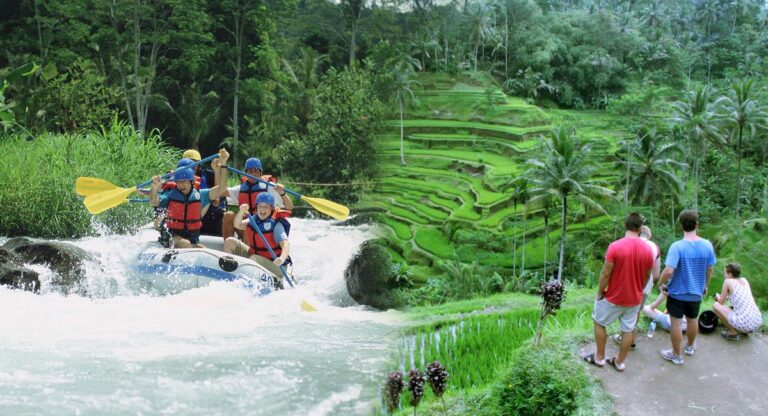
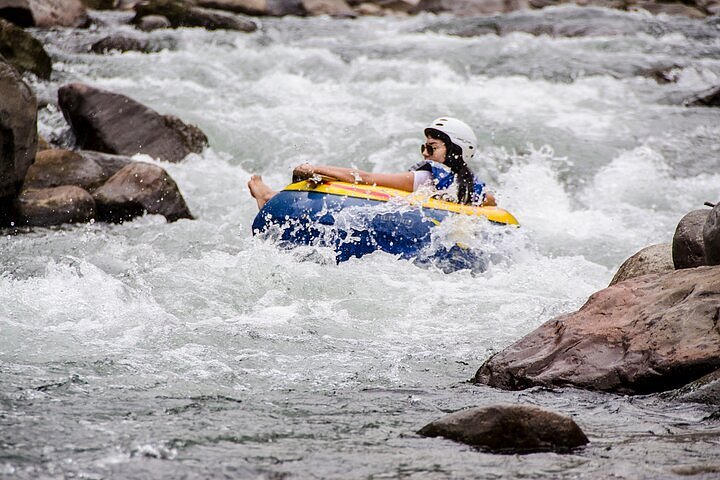
Expect a sensory feast: the roar of cascades, a living canopy that presses close on the river, and the spray that quickens your pulse. Rapids vary by river and season, so gear up with confidence but respect, allowing your guide to pace the run. The physics of a rainforest river—slippery rocks, overhanging roots, and sudden changes in depth—demands attentive paddle work and steady breathing. For most Mystic Darecations, you’ll encounter a mix of calm passages and short, runnable rapids that test your coordination without overwhelming you. The scenery—lush ferns, moss-draped trunks, and waterfalls that vanish into mist—becomes the memory you carry home, a postcard you can almost smell as you tell friends about the damp thrill of Dominica rainforest rafting.
Sample Itineraries for a Mystic Darecation
To translate foundations into a practical plan, consider a two- to three-day framework that balances rafting with rainforest immersion. Day 1 focuses on a guided river introduction, short stretches, and a stop at a canopy-view pool where you can reflect in relative seclusion. Day 2 escalates to a longer segment on a scenic river with a mid-river lunch stop, ample time for photography, and a gentle hike to a nearby waterfall overlook. Day 3 can be a lighter, restorative day in a nearby rainforest enclave or a cultural visit to a village cooperative, depending on weather and group energy. Each itinerary emphasizes safety, ecological responsibility, and opportunities to savor the forest’s moods between rapid sections. Adaptability is your friend here, because the rainforest thrives on weather, light, and your willingness to slow down and listen to the river.
Up next, in Part 2 of this series, we’ll dive into Gear, Safety, and Prep for Dominica Rainforest Rafting, detailing equipment checklists, pre-trip safety drills, and practical steps to ensure a flawless start to your mystic darecation.
Executing Dominica Rainforest Rafting Step by Step Darecation Plans
Executing Dominica Rainforest Rafting Step by Step Darecation Plans begins with a precise vision. You want to harness the mist, match your adrenaline to the river’s pulse, and stay safe while chasing the wild beauty of rain-drenched canopies. In this section, we translate your dream into concrete actions: choosing the right season, selecting a trusted operator, packing purposefully, and mapping an itinerary that respects both your limits and the forest’s rhythms. By design, this plan balances thrill with immersion, so you experience Dominica rainforest rafting without sacrificing comfort or safety.
Clarify Your Darecation Goals for Dominica Rainforest Rafting
Begin by detailing your goals. Are you chasing a high-adrenaline sprint down a protected gorge, or are you seeking moody solitude under emerald canopy while the river drums in the background? For Dominica rainforest rafting, clarity on risk tolerance helps us tailor the route, pace, and potential side excursions. It also guides gear choices and daily start times. Specifically, define how many hours you want on the water, the level of interaction with locals, and your preferred balance between rain ambience and thunder — the signature mood of a misty island river.
We recommend a practical target: a bold but safe rhythm that leaves room for exploration and breaks. Even seasoned darecation travelers benefit from a written checklist. The goal is simple: experience the forest, respect the river, and finish with energy for evening reflections near a fireside cafe. When you articulate these aims for Dominica rainforest rafting early, your entire plan becomes more resilient against weather interruptions or river fluctuations.
Mastering Timing: When to Go for Dominica Rainforest Rafting
Dominica’s rainforest is a living system. The island’s high rainfall patterns shape river levels and mood more than calendar dates do. For Dominica rainforest rafting, the best windows often occur during the shoulder seasons, when rivers run with enough flow but rainfall is manageable. In practice, this means avoiding the height of the wet season if you crave longer, calmer stretches. Specifically, late spring and autumn align with lighter downpours, allowing for slick, cinematic river sections without overwhelming water velocity. The forecast matters more than the calendar. A stable morning with cloud cover can deliver dramatic light while keeping you out of peak storm periods, which is ideal for photos and safe navigation.
That said, rain intensifies the atmosphere. If your goal includes rain-driven visuals and the mystic mood of Dominica rainforest rafting, a brief shower can intensify color and sound. Always consult your operator on river gauges and safety thresholds. A professional guide will translate river data into your daily plan, ensuring you experience the forest’s mood while staying within personal safety limits. Remember, the river is powerful here; respect its tempo and you will unlock the most memorable moments of Dominica rainforest rafting.
Gear and Packing for a High-Impact Rainforest Rafting Experience
Preparation is your edge. The right gear enhances safety, comfort, and the intensity of your Dominica rainforest rafting experience. Start with the basics: a compact, waterproof dry bag, quick-drying clothing, and a lightweight, packable rain layer. The forest breathes water, and your kit should do the same: dry, not damp, and ready for rapid temperature shifts as the day moves from river spray to shaded canopy and back. Equally important is footwear with good traction and quick drainage. Sandals with a closed toe or water shoes that grip on slick rock keep you steady when the river splashes and the trail turns muddy.
Clothing That Keeps You Warm and Dry
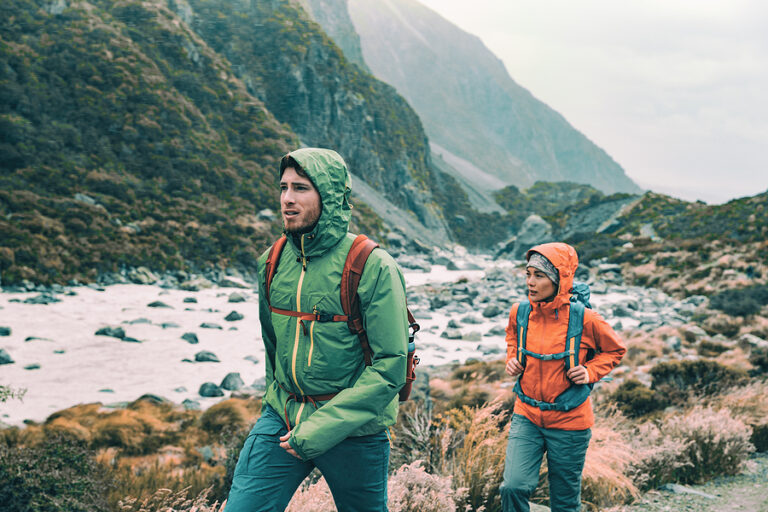
Layering wins in Dominica rainforest rafting. Start with a moisture-wicking base layer to keep you comfortable during long strokes. Add a synthetic fleece or light insulated layer for the river’s breeze after passing through shade pockets. Top it with a waterproof shell that breathes; avoid heavy rain gear that makes you overheat mid-raft. While Dominica’s weather can swing, you will find comfort by prioritizing zip pockets for quick-access items and a hood that stays put when spray comes early in the run. Remember: staying warm beats overheating, and dryness beats damp chill when the forest’s damp air drapes over the river.
Footwear and Traction
Reliable footwear matters more than fashion in Dominica rainforest rafting. Opt for shoes with non-slip soles and a snug fit to prevent water from bouncing inside. Quick-dry materials shorten the recovery time after long sections of paddling. If you wear sandals, choose a pair with a secure strap and toe coverage to shield you from jagged river rocks. In either case, bring one extra pair for the transfer between boat and bank to keep you comfortable during breaks and photography sessions. The right footwear complements your grip on slippery surfaces and protects you from minor scrapes that can ruin a day of darecation exploration.
Essential Safety Gear and Personal Items
Safety first remains non-negotiable for Dominica rainforest rafting. A properly fitted life jacket, helmet, and paddle demonstrate your commitment to a smooth journey. Ask your operator about their equipment standards and maintenance logs. A compact first-aid kit, waterproof matches, and a small emergency blanket can shift a potential bad day toward a successful one. Pack sunscreen with high SPF for sun breaks and lip balm to counteract wind and spray. Even in the mist, UV exposure matters, and your skin deserves protection. A waterproof camera or a robust phone case is essential for capturing the mood without risking damage from rain and river spray.
Guides, Permits, and Local Partnerships
Dominica rainforest rafting hinges on local expertise. The best experiences rely on certified operators who know the river, the forest path, and the community rules. When you select a guide, verify credentials, current certifications, and a proven safety record. A skilled guide enhances every moment, from reading water to choosing the best line through rapids. They also offer cultural insights, ecological context, and practical tips that elevate the mood of the entire darecation. If you want to support responsible tourism, prioritize operators who invest in local training and maintain transparent safety protocols. This is not just about thrill; it is about stewardship of the forest and its people.
Choosing a Certified Operator for Dominica Rainforest Rafting
Look for operators with formal certifications from recognized bodies and active rescue training. Ask for a sample safety briefing to gauge how they communicate risk. A great guide will explain the plan for your Dominica rainforest rafting run, including emergency procedures, river features, and alternative routes if conditions shift. You should also confirm group sizing, boat type, and paddle technique guidance. Clear expectations prevent surprises on the river and help you stay in control of your darecation narrative. If your trip includes a full-day excursion or a multi-day program, ensure there is a contingency plan for weather delays and inland contingencies. The operator’s approach to safety reflects the overall quality of the experience as you pursue Dominica rainforest rafting.
Relevant Permits and Local Etiquette
While Dominica rainforest rafting is open to visitors in most public regions, certain zones require permits or guided access. Your operator will handle these details, but it’s wise to understand the basics. Respect forest rules, keep noise modest during sensitive wildlife moments, and stay on established paths to protect delicate ecosystems. In the same breath, embrace local etiquette that welcomes travelers who ask questions, tip fairly, and acknowledge the forest’s role in the island’s history. Following these norms demonstrates deep respect for the Dominica rainforest rafting experience and the communities that share the river with you.
Drafting Your Step-by-Step Itinerary
With safety, gear, and guides aligned, you still need a plan that respects the forest’s tempo and your energy. A well-structured itinerary for Dominica rainforest rafting balances water time with reflection, photography, and brief interludes on the riverbank. When you map your day, start with a sunrise arrival at the put-in point if permitted by your operator. The morning often brings clearer light and cooler air, which makes the first run both safer and more cinematic. After a morning descent, schedule a longer break to hydrate, snack, and photograph the canopy’s emerald textures. If you are planning a multi-day escapade, allow extra days for weather shifts, forest walks, and a chance to sample more intimate village scenes along the river corridor.
Sample 2-Day Darecation Sequence
Day 1 focuses on the heart of the river and its most dramatic sections. Begin with a thorough safety briefing, then ease into a controlled portion of the grade appropriate for your group. The Dominica rainforest rafting sections should feel like a narrative arc: anticipation, action, and reflective calm as the river wends through mossy banks and rain-kissed rocks. In the afternoon, choose a mid-length run with a short descent, followed by a conservation-focused walk or cultural stop to immerse you in the forest’s texture. Nightfall brings a damp chill and a chorus of nocturnal birds, a mood you can capture or savor in a fireside moment at your lodge. On Day 2, chase a longer, more confident descent, ideally with a few spray-filled rapids and a few moments of quiet observation where you can hear water and wind converse through the trees. This cadence ensures you experience Dominica rainforest rafting at a pace that respects both your stamina and the forest’s rhythms.
Alternate Rainy Day Activities in the Forest
Even during unpredictable weather, Dominica rainforest rafting can continue with a lighter, complementary program. A canopy walk, a forest-loop hike along a mossy trail, or a guided birdwatching session can fill gaps and maintain immersion. Your operator can tailor a plan that keeps you in touch with the river’s mood while protecting you from heavy downpours. Alternate activities emphasize the mood ofWet season, where you can still feel the forest’s poetry from sheltered viewpoints and tea rooms overlooking the river. The key is to stay flexible and prioritize safety above all. This approach preserves your desire for adrenaline while building a more complete sense of place in Dominica rainforest rafting.
Safety Protocols and Emergency Readiness
Even the most captivating Dominica rainforest rafting trip requires rigorous safety protocols. Before you even set foot on the water, a clear briefing sets expectations, communicates river-specific hazards, and confirms emergency signals. Your guide will walk you through paddling commands, the correct position in the boat, and how to respond if a partner falls behind. In rushing water demand, you rely on trust, training, and your shared accountability to stay together as a team. Specifically, you should understand the chain of command for the group and how to activate rescue support if contact with the river is lost. Briefings also cover weather shifts, river access points, and how to handle equipment malfunctions with calm and precision.
Pre-Raft Safety Briefing
Take the safety briefing seriously. The best Dominica rainforest rafting operators tailor the talk to your group’s size and experience. They cover life jacket fit, helmet adjustments, paddling techniques, and escape routes during rapid sections. This session also addresses the sequence of actions if someone enters the water, including retrieval maneuvers and signaling with your throw bag. If conditions require, your guide may modify the plan quickly to maintain safety without diminishing the day’s mood. A robust briefing prevents panic and ensures every participant contributes to a successful mission down the river.
In-River Safety and Rescue Procedures
The river in Dominica can be adventurous and unpredictable. Your crew should demonstrate safe paddling posture, how to brace against a sudden wave, and how to protect a teammate during a capsize. You will practice a brief rescue drill and identify your roles, including who handles the throw bag and who assists the swimmer. The best guides orchestrate these moments as a calm, practical performance rather than a fear-based drill. By repeating safe procedures in real-time, you build confidence that translates into bolder but safer choices on the water.
Post-Raft Recovery and De-brief
After the final descent, expect a quality post-raft debrief. The de-brief reinforces lessons learned, acknowledges successful navigation through the river’s moods, and provides feedback on gear performance. You may discuss potential improvements for future Dominica rainforest rafting adventures, such as packing adjustments or alternate routes for different water levels. A thoughtful de-brief closes the day with gratitude for the forest’s beauty and a plan to protect the river’s health for future travelers. This reflective moment helps you integrate the darecation experience into your broader travel narrative while maintaining respect for the Dominica rainforest’s fragile ecosystems.
Sustainable Travel and Cultural Respect in Dominica Rainforest Rafting
High-impact experiences can still be gentle on the forest when you pair thrill with responsibility. Start with Leave No Trace principles tailored to rainforest environments. Pack out what you pack in, minimize disturbance to wildlife, and avoid creating new trails that could erode soil and plant life. Respect noise-sensitive zones and stay with your group on official paths to minimize ecological pressure. The rainforest community benefits when travelers invest in local livelihoods, from guides to craftsmen who share stories along the river corridor. Your mindful spending sustains jobs, preserves cultural heritage, and preserves the authenticity of Dominica rainforest rafting experiences for future travelers who crave the same misty mood.
Leave No Trace Principles
Practice minimal impact across water, land, and forest edges. Take only photographs, leave only respect, and share gratitude with the forest’s guardians. In addition, consider how waste treatment and water stewardship can influence the river’s health. A small decision in the field can prevent plastic pollution and long-term harm to the ecosystem. This careful plan ensures that Dominica rainforest rafting remains vibrant and accessible for future adventurers seeking the same moody atmosphere.
Supporting Local Communities
When you support local guides, accommodations, and eateries, you help sustain livelihoods that rely on forest tourism. Your involvement should extend beyond a single trip; reuse local guides for future visits and tip fairly for excellent service. This mutual benefit strengthens the relationship between travelers and the communities that share the rainforest river network. Your mindful spending supports jobs, preserves cultural practices, and keeps the authenticity of Dominica rainforest rafting alive for future travelers who crave the mood of the mist.
Capturing the Mood: Photography, Videography, and Storytelling
Rainforest photography thrives on mood, not just light. Use slower shutter speeds to convey the river’s motion while freezing pedaling action during spray moments. A compact, weather-sealed camera can withstand the humidity and rain without losing image quality. Position your shots so the canopy frames the river, and let the mist blur the horizon into a dreamlike line. Specifically, shoot from the boat at the right moments to capture riders’ expressions when a rapid jump creates spray halos over the deck. Your Dominica rainforest rafting story will feel more immersive if you balance action with quiet, reflective frames on the riverbank. A short video montage can present the darecation’s rhythm and mood more vividly than stills alone. Remember to back up your files frequently on a waterproof drive or cloud backup to safeguard your memories from river spray and tropical rain.
Composition in the Rain
Patience is part of the craft. Let the river run its course and frame your subject against the forest’s green tapestry. Embrace the contrast between dark trunks and lime-green leaves to emphasize the forest’s depth. A shallow depth of field highlights the crew’s interaction and the river’s spray, while a wider frame places you in the fullness of the Dominica rainforest rafting experience. If you are new to composition, practice leading lines that draw the viewer’s eye toward the river’s vanishing point, where light meets rain on the horizon.
Protecting Equipment
Weatherproofing tradeoffs exist, but modern gear handles them well. Use protective housings for cameras, dry bags for lenses, and a quick-drying microfiber cloth to handle moisture. Keep camera batteries warm during breaks to extend life in cool, damp air. If you plan long exposures on rainy days, use a lens hood and a rain cover for your rig. A practical approach balances accessibility with protection; you should not miss a shot for fear of moisture. With a little care, Dominica rainforest rafting visuals will translate your darecation’s mood into a lasting memory.
Conclusion and Teaser for What’s Next
Executing Dominica Rainforest Rafting Step by Step Darecation Plans requires a careful blend of vision, preparation, and respect for the forest. By aligning your goals, timing, gear, guides, and safety protocols, you can maximize the mood and minimize risk. This part has unpacked the practical scaffolding essential to a successful rainforest rafting darecation on Dominica. In the next installment, we move from planning to experience with practical route choices, real-world pacing, and insider tips for navigating Dominica’s river system during rain-drenched days. Look forward to Part 3: Choosing Your Dominica Rainforest Rafting Routes and River Rhythm will explore route selection, river grades, and how to tailor your darecation plan to the river’s pulse.
Discover Dominica Authority provides official guidance on sustainable tourism and local partnerships that support the rainforest ecosystem you seek to experience with Dominica rainforest rafting. For additional inspiration and practical safety resources, explore the broader RainyRoutes approach to misty adventures and high-adrenaline darecations.
Advanced Strategies and Final Guidance for Dominica Rainforest Rafting
In this final section, you’ll access advanced strategies that elevate Dominica rainforest rafting from a thrill-seeking outing into a disciplined, weather-smart, mood-rich expedition. The aim is to blend safety with speed, practicality with poetry, and respected local stewardship with personal achievement. By applying precise river reading, optimized gear, and thoughtful pacing, you’ll unlock the full mystique of rain-washed gorges, emerald canopies, and the hypnotic rhythm of the rainforest. All along, the Journey remains about immersion, not just conquest, and you’ll see how every choice—timing, technique, and touch—shifts the experience from good to legendary in the Dominica rainforest rafting niche.
Safety Mastery: Advanced River Reading and Emergency Preparedness in Dominica Rainforest Rafting
Ultimately, safety is the backbone of any high-adventure river day. In Dominica rainforest rafting, you’ll operate at the intersection of skill, judgment, and respect for the river’s cadence. Start with a professional briefing on current water levels, debris traps, and flash weather patterns. Observe the water’s color, surface texture, and current seams to anticipate trouble before it arrives. Advanced paddlers learn to identify hydraulics—vortices where the water swirls—and to position the raft to avoid them rather than confront them head-on. While on the water, keep your team communication tight, using clear, concise commands and agreed hand signals for speed and safety. If an emergency arises, your plan should be instinctive: stay calm, assemble the team, implement the pre-arranged signal, and move to safer water with deliberate efficiency. For a practical safety baseline, carry a compact throw rope, a quick-deploy anchor, a watertight first-aid kit, and a lightweight thermal layer for cold spray days. For additional structure, review the local rescue procedures and ensure you’ve booked a guide who carries certified first-aid and swift-water rescue knowledge. For reference, trusted tourism authorities provide guidelines and safety considerations that align with best practices in protected rainforests and river ecologies, available at Discover Dominica Authority. In summary, safety mastery translates to better timing, cleaner lines, and a more confident, enjoyable experience in Dominica rainforest rafting.
- Practice with a dry run: Use a controlled, shallow segment to rehearse bracing, control strokes, and communication before entering fastwater.
- Develop a rescue plan: Ensure every paddler knows how to assist a teammate in a wet exit or capsize scenario.
- Monitor your crew: Assign a dedicated lookout for early warning signs of fatigue, equipment impairment, or hypothermia risk.
To conclude this safety module, remember that contingency planning is the most regenerative form of risk management. In the context of Dominica rainforest rafting, a well-prepared party can adapt to changing river moods and weather, turning potential hazards into shared stories of resilience.
Gear and Technique Optimization for Dominica Rainforest Rafting
As conditions shift in the rainforest, you’ll want gear that breathes, repels water, and moves with you, not against you. The core mantra is simplicity under pressure: fewer moving parts, more reliability. PFDs should be snug but comfortable, with quick-release buckles and a low-profile design to avoid snagging on vines or branches. Dry bags should be sized to maximize flotation and accessibility, with contents organized for rapid service—think camera, spare clothes, and basic repair tools in clearly labeled pouches. Footwear must grip wet, slippery surfaces; water shoes or athletic sandals with a closed toe are ideal. A lightweight rain shell with a hood reduces the choking sting of tropical downpours, while thermal layers protect against post-rain chill. A compact, weatherproof camera or a protected phone case is essential for capturing the mood of Dominica rainforest rafting without sacrificing safety or speed. For paddling technique, focus on core engagement, stable torso rotation, and smooth blade entry. Short, deliberate strokes conserve energy and minimize splash, enabling longer endurance on multi-rapids trips. Practice hip and knee alignment to maintain balance as the raft pitches in whitewater and surges through riffles. Remember, gear is most useful when it disappears into the experience, letting you feel the rainforest’s pulse rather than wrestling with equipment malfunctions.
- Choose a reliable, compact PFD: Look for a snug fit, quick-release buckles, and integrated whistles.
- Waterproof protection for optics: Use a neoprene phone sleeve or a camera housing designed for heavy spray.
- Footwear choice matters: Non-slip soles and toe protection are non-negotiable on slippery Dominica riverbeds.
In practice, your kit should be configured for rapid adaptation, not gadget dependence. The most valuable gear is the one you forget you’re wearing—until you need it in a heartbeat. The emphasis on durable, simple tools helps you stay present to the rainforest’s mood while keeping your crew safe and efficient throughout the Dominica rainforest rafting journey.
Weather Wisdom: Reading the Sky, River, and Rain in Real Time
Dominica’s rainforest climate can shift in a heartbeat. Advanced travelers learn to read micro-climates—fog pockets rolling across ridges, sudden squalls near waterfalls, and river levels that rise with brief tropical downpours. Before departing, review reliable, localized weather summaries and time your plan to avoid sudden low-visibility conditions. On the water, use the river’s color and edge features as a guide: a muddy surge often indicates upstream rainfall, while a clearer channel suggests a lower risk path. In rain-heavy sections, keep your head on a swiveling cord of perception: the sound of rain, the sheen on rock, the scent of wet foliage—all inform your next move. If a surge appears imminent, prioritize a fast, straight line to safer water rather than attempting to ride an unpredictable wave. The best Dominica rainforest rafting experiences honor weather awareness as a core skill rather than a reactive mood. Finally, maintain a contingency plan for post-rain navigation, including post-trip debriefs and a review of what worked under wet and windy conditions.
For ongoing seasonal cues, consult sustainable travel networks and local guides who translate micro-climate data into practical river strategies, and remember that your movement through the rainforest is as much about timing as it is about strength and speed.
Route Selection and Day Planning in Dominica’s Rainforest
The rainforest setting rewards thoughtful route selection. Complex terrain, dense canopy, and inconsistent river access require a flexible plan with walkout options and backup segments. Prior to departure, map potential put-ins and take-outs, noting the shortest safe escape routes in case of an unexpected weather shift. In Dominica rainforest rafting, your route should balance the thrill of fastwater sections with the serenity of scenic, lower-risk segments that allow for mindful observation of flora, fauna, and the rainforest’s rhythm. When choosing a route, consider cloud cover, humidity, riverbank stability, and potential debris build-up. A well-chosen path reduces fatigue, preserves equipment, and enhances storytelling opportunities—without sacrificing safety. Partner with a licensed guide who knows local river dynamics and protected habitats, and always respect private land boundaries and conservation zones. For travelers seeking a deeper connection, use the journey to learn about local species and ecological relationships, which adds depth to your Dominica rainforest rafting experience. Ultimately, route planning is a fusion of map-reading, habitat respect, and real-time improvisation that defines a responsible, high-impact adventure.
To support responsible tourism and high-quality planning, consult official resources for current routes and permissions, such as the Discover Dominica Authority, which provides authoritative guidance on preserving the rainforest while enabling thrilling experiences in Dominica rainforest rafting.
Sustainable Travel, Community Engagement, and Ethical Considerations
Ethical travel in a misty paradise requires humility and reciprocity. Practice Leave No Trace principles adapted for humid environments, packing out all non-organic waste and avoiding disruption to wildlife. Engage with local guides and community groups to understand cultural practices, land stewardship, and conservation priorities that shape Dominica’s river ecosystems. Your decisions—where you raft, how you interact with ecosystems, and how you support local businesses—carry consequences beyond your trip. In Dominica rainforest rafting, sustainable actions include choosing certified operators, respecting local habitats during wildlife encounters, and sharing profits with communities through responsible tourism channels. Frame your day as a collaboration with nature and people, not a conquest of the landscape. This mindset elevates the experience and ensures that Dominica’s rainforest remains a thriving classroom and playground for future travelers in 2026 and beyond.
- Support local guides: Hire licensed operators who contribute to community projects and conservation efforts.
- Respect habitats: Keep a safe distance from sensitive plants and avoid stepping on delicate soils and roots.
- Minimize waste: Use reusable containers and biodegradable products whenever possible.
Incorporating ethical actions into your Dominica rainforest rafting plan makes your adventure more meaningful and aligns with sustainable tourism values that protect this unique ecosystem for generations to come.
Photography, Storytelling, and Mood Crafting in Wet Environments
Rainforest photography benefits from a patient, mood-driven approach. Use low ISO settings to reduce noise and capture the lush greens and rain-haloed light without overexposing highlights on wet surfaces. A quick-draw lens hood mitigates scatter from spray, while a rainproof camera cover protects gear during misty transitions. Narrative in Dominica rainforest rafting should emphasize sensory details—the scent of damp earth, the drum of distant thunder, the slick friction under the hull, and the glow of emerald leaves after a sunbreak. Craft a simple storyline for your trip: anticipation, immersion, challenge, and reward. Then document the rhythm of the river in moments of calm between rapid passages, letting the rainforest images tell a cohesive tale. A thoughtful gallery of frames captures the mood of your adventure and invites others to share in the atmosphere of a rain-forward exploration in 2026.
Share your insights with a clear, concise caption line that includes the Focus Keyword and helps readers discover practical guidance for Dominica rainforest rafting, ensuring your content remains helpful, not merely aesthetic.
Emergency Preparedness and Quick-Decision Protocols on Wet Terrain
In a rain-soaked environment, emergencies demand swift, practiced responses. Build your plan around a simple decision tree: identify the hazard, communicate the plan, assign roles, and execute with calm, decisive action. Quick decisions on the water include tightening or loosening the raft’s trim to control drift, choosing the safest line through a rapid, and deploying safety gear in a timely fashion. Practice capsize drills on dry land with your guide so you can act automatically if a real capsize occurs. Always have a designated medic or first aider aboard and ensure every paddler knows the location of the medical kit. In Dominca rainforest rafting contexts, where help may be a distance away, a well-rehearsed action plan becomes your strongest safety asset.
Additionally, know your limits and respect river conditions that exceed your experience. When in doubt, postpone a section or swap to an easier route. A wise approach is to view risk tolerance as a spectrum aligned with local guidance and personal capability, not a fixed standard. This disciplined approach creates trust within the group and ensures a smoother, safer journey through Dominica’s rainforested rivers.
Permits, Guides, Insurance, and Responsible Tourism Logistics
The logistical backbone of a high-quality Dominica rainforest rafting experience includes proper permits, trusted guides, and adequate insurance. Confirm that your operator has the necessary credentials, safety equipment, and access permissions for protected rainforest zones. A licensed guide brings not only technical skills but local knowledge about weather shifts, wildlife etiquette, and river etiquette that enriches the experience while preserving ecological balance. For travel protection, ensure your policy covers water-based activities and emergency evacuation in rainforest terrains. This planning reduces the risk of unexpected expenses and adds a layer of security to your darecation. In short, choose operators with transparent safety records, read customer reviews, and confirm that all activities align with local conservation guidelines. This is how you protect your adventure and support a sustainable tourism economy in Dominica.
Budgeting, Value, and Maximizing the Experience
Advanced budgeting for Dominica rainforest rafting requires prioritizing value over novelty. Allocate funds for a top-tier local guide, reliable gear, and critical safety equipment before splurging on extras that may not enhance the experience. Consider bundling river excursions with rainforest hikes, village meals, or cultural demonstrations to maximize value and enrich your understanding of the ecosystem. When possible, book in shoulder seasons to secure favorable group rates without compromising weather reliability. Value is not merely price; it is a balance of quality gear, knowledgeable leadership, and authentic cultural immersion that makes your Dominica rainforest rafting journey memorable and repeatable for future trips.
Ultimately, the best budgets are those that align with sustainable practices and direct community benefit, ensuring that your investment uplifts the people and places you visit while delivering the full sensory magic of the rainforest in every moment.
3-Day Itinerary Blueprint for a Rainforest Rafting Darecation
For travelers seeking an immersive, high-intensity experience, a three-day blueprint works well in Dominica’s rainforest context. Day 1 focuses on river fundamentals, safety training, and a guided warm-up run through lower-grade rapids with abundant rainforest scenery. Day 2 escalates to a longer stretch with one or two challenging rapids, including technical paddling and precise line selection, followed by a night of stargazing or a canopy walk if weather permits. Day 3 offers a final, panoramic descent with a broader exploration of the interior vegetation, optional waterfall shower, and time to reflect on the adventure. Throughout, schedule meals and rest strategically to maintain energy and mood balance, and keep a flexible timeline to accommodate sudden river changes. This plan emphasizes safety, learning, and mood cultivation, ensuring Dominica rainforest rafting remains exhilarating without becoming overwhelming for the crew.
To enrich your journey, pair river time with cultural exchanges and a light rainforest hike that reveals medicinal plants and ecological relationships. This blend of action and education strengthens your connection to the rainforest’s rhythms and makes your darecation truly transformative.
Final Packing List and On-River Preparations for the Dominica Rainforest Rafting Experience
Pack light but thoughtfully for Dominica rainforest rafting. Essentials include a high-performance rain shell, quick-dry base layers, moisture-wicking socks, a compact hat with a brim, a headlamp or waterproof flashlight, waterproof camera protection, a compact first-aid kit, hydrating electrolyte packets, and a compact dry bag for valuables. Include spare batteries, a micro-tleece jacket for post-raft cool-down, and a compact emergency whistle. On the river, bring a strap for securing gear, spare paddling gloves, and a lightweight towel. Plan for a post-rafting clothing change at a sheltered location, and consider a small rain cover for your bag to keep electronics dry. Above all, maintain a disciplined system for waterproof storage, equipment checks, and quick releases to minimize delays and keep the day flowing smoothly in Dominica rainforest rafting conditions.
In summary, your packing should reflect the rainforest’s unpredictability while staying focused on comfort, safety, and the mood of the environment. The best trips leave with memories that feel like a living postcard from a mist-soaked paradise and a renewed understanding of how to move with the river rather than against it.
Final Takeaways for Dominica Rainforest Rafting
- Always prioritize safety and crew cohesion; advanced river reading is a core skill in Dominica rainforest rafting.
- Choose gear that is reliable, simple, and designed for heavy spray and humidity.
- Read weather and river conditions continuously, and adjust plans to protect both people and environments.
- Engage with local guides and communities to support sustainable tourism and authentic experiences.
- Capture the mood with storytelling and photography that respects habitat integrity and visitor etiquette.
Conclusion: Dominica rainforest rafting represents the pinnacle of misty adventure, where advanced strategies, careful planning, and a deep respect for the rainforest converge to deliver a truly transformative experience. Through safety mastery, gear optimization, weather wisdom, thoughtful route planning, and sustainable tourism practices, you’ll craft a darecation that balances adrenaline with reverence for Dominica’s protected rivers. If you’re ready to elevate your next journey, explore trusted operators and book your guided Dominica rainforest rafting expedition to experience a place where every paddle stroke opens a new chapter in the rainforest’s living story. To begin your journey, consider planning with a licensed guide and embracing the mood, the rain, and the rhythm of the river today.