Foggy Scotland Castles: Fairytale Rain Routes
Foggy Scotland Castles: A RainyRoutes Guide to Fairytale Fortresses
Foggy Scotland castles captivate travelers who crave rain-soaked, cinematic landscapes and the thrill of storm-lit horizons. In this RainyRoutes guide, we celebrate the magic of mist, rain, and rugged stone. The phrase foggy Scotland castles isn’t just a mood — it’s a travel approach. You’ll find wind-sculpted cliffs, ivy-wrapped battlements, and wind-chopped moors that turn every tower into a living postcard. This introduction sets the weather-as-context stage, then moves you into practical planning, gear, and routes that respect the weather while delivering fairytale-feel moments. As the clouds drift low, you’ll learn how to pace your days, time your visits at golden-hour moments even on cloud cover, and choose castles that shine in moody light. Let’s begin with the core why, what to expect, and how RainyRoutes structures a day among the stones.
foggy Scotland castles: why mist and stone captivate the modern traveler
Among foggy Scotland castles, atmosphere is a powerful narrative device. Mist softens stone, sharpens silhouettes, and reveals history in panels of shadow and glow. The mood invites contemplation, but it also presses you to move with weather. In a RainyRoutes plan, you chase moments when battlements emerge through drizzle and a portcullis gleams with damp. Each fortress becomes a character in an unfolding weather drama, not just a destination. Crucially, the experience hinges on pacing. Too fast, and you miss texture. Too slow, and you risk rainstorms. We aim for balance, layering outdoor awe with warm interiors that invite storytelling and hot drinks after a soggy stroll.
This is where foggy Scotland castles invite you to read the wind like a guidebook. The wind direction can hint at the best approach to a courtyard, the sun angle reveals hidden details on stonework, and rain intensity maps out the most picturesque angles. For the traveler, that means flexible timing, a light, compact backpack, and a plan b for indoor moments in the grand halls. The result is not just photos, but a mood you can describe aloud and defend when friends question your rainwear obsession. Therefore, you carve a path that respects the weather yet celebrates it, turning drizzle into drama.
Weather is not background here; it is the leading act. When the wind howls and rain taps stone, the senses sharpen. The sound of rain on a parapet, the scent of peat smoke from nearby towns, and the cold bite of air that makes you feel alive — these are the textures of a foggy Scotland castles adventure. In your notes, label scenes as you would a stage play: entrance, confrontation, resolution. This framing helps you remember the moment when a doorway frames a looming tower in mist. It also guides your gear choice, ensuring you stay dry without sacrificing mobility.
To maximize these moments, plan a lightweight circuit that matches the weather forecast and local light patterns. Keep a flexible timetable and a compact kit for indoor moments in grand halls. Your camera loves the moody light, but your comfort matters too. Layered clothing, waterproof boots, and a packable umbrella all deserve a dedicated space in your kit. In addition, a compact travel journal can capture sensory details that no photo will convey, from the sound of rain on stone to the hush of a candle-lit corridor after a downpour.
For an authoritative overview of castle conservation and public access, check the work of Historic Environment Scotland. Historic Environment Scotland offers deep context on how sites are preserved and opened to visitors, which can enrich your plan and your respect for these structures.
Setting the mood in foggy Scotland castles: weather as a character
Weather is not background here; it is the leading act. When the wind howls and rain taps stone, the senses sharpen. The sound of rain on a parapet, the scent of peat smoke from nearby towns, and the cold bite of air that makes you feel alive — these are the textures of a foggy Scotland castles adventure. In your notes, label scenes as you would a stage play: entrance, confrontation, resolution. This framing helps you remember the moment when a doorway frames a looming tower in mist. It also guides your gear choice, ensuring you stay dry without sacrificing mobility.
To maximize these moments, plan a lightweight circuit that matches the weather forecast and local light patterns. Keep a flexible timetable and a compact kit for indoor moments in grand halls. Your camera loves the moody light, but your comfort matters too. Layered clothing, waterproof boots, and a packable umbrella all deserve a dedicated space in your kit. In addition, a compact travel journal can capture sensory details that no photo will convey, from the sound of rain on stone to the hush of a candle-lit corridor after a downpour.
Photography in foggy Scotland castles gloom is a craft. Start with wide shots to frame the fortress silhouette, then move tight to capture carved symbols and moss-draped archways. Use slow shutter speeds for rain-swept scenes, but protect your gear against spray. Practice panning to convey motion when flags whip in the wind. The goal is to translate sound, scent, and texture into a still image that tells a story of weather and stone.
foggy Scotland castles: essential planning for a RainyRoutes itinerary
Planning is the backbone of a foggy Scotland castles trip. With rain in play, you want an itinerary that respects the weather while delivering the wow moments you seek. Start with a core circuit of two to four castles that are logically connected by roads, rail, and sheltered viewpoints. Build in indoor interludes at museums, cafés, or library spaces that offer warmth and context. This is not a sprint; it is a careful dance with climate. You’ll learn to tailor your route to forecast windows, adjusting on the fly when the forecast shifts. The goal is to maximize exposure to dramatic exteriors during breaks in the rain, and to favor interior experiences when downpours arrive.
Timing and route design matter. A practical approach is to cluster locations within a half-hour drive of a single base town. This minimizes travel time and maximizes time spent on the ground in misty air. If you prefer trains, select towns with reliable services and easy connections to nearby castles. Do not overlook scenic detours that reveal lochs, woodlands, and stone silhouettes against a low-hanging sky — these add depth to your RainyRoutes narrative.
Comfort, safety, and practical constraints are non-negotiable. Waterproof outerwear with sealed seams, broken-in waterproof boots, and a compact dry bag keep the kit usable in prolonged drizzle. Pack an extra layer for chilly interiors. Hydration is essential; carry warm drinks in a thermos for quick warmth between stops. If you are traveling with family or a small group, agree on a meetup point and a shared pace, so no one feels rushed or overexposed to wind. In addition, keep a printed map as a backup to digital devices, because a fog-rich day can disrupt signal and battery life.
Timing and route design for a damp day
For a damp day, begin with a fortress that offers a sheltered approach to reduce exposure to wind. Move to a second location that provides both exterior drama and cozy interiors for later in the afternoon. When plans hinge on sunset or low light, monitor the forecast closely and adjust pace to capture the moment when the sky peels back for a hint of color. If rain intensifies, switch to interior galleries and libraries, letting the architecture tell the story from inside. This is the RainyRoutes advantage: adaptivity. Your mood and memory will thank you.
Safety first means knowing county access rules, local weather patrol signals, and the hours of major castles. In Scotland, some sites have seasonal hours, while others thrive year-round. A quick check before departure avoids wasted time and frustration. If you see a storm on the horizon, do not press on for a risky exterior shot. Instead, pivot to a nearby indoor experience that preserves your momentum while keeping you dry.
Gear and safety for exploring foggy Scotland castles
Gear matters almost as much as grit when you chase foggy Scotland castles. Start with a high-quality waterproof jacket, a cap or hood, and streamlined gloves for exposed stonework. Boots should be grippy and broken in, with a waterproof membrane to shed puddles on uneven paths. Pack a compact umbrella for micro-moments in town squares or sheltered courtyards. A lightweight base layer improves warmth without bulk. A dry bag keeps camera gear safe in sudden downpours. A compact power bank ensures your phone and GPS stay alive for updates and maps.
For safety, stay on marked paths and heed site warnings. Chains, barriers, or restricted doors mean you must observe quietly and move on. If you are visiting on a misty day, give yourself extra time for slower footwork and slower transitions between stone stairs. Travel with a buddy if possible, and share contact details for emergencies. Finally, consider travel insurance that covers weather-related delays, which is particularly valuable for extended fog seasons and travel in the Highlands.
Icons of moody architecture: Top picks among foggy Scotland castles
Edinburgh Castle anchors the mist with a crown of towers that rise through damp air. Stirling Castle forms a dramatic silhouette against a low sun. Fyvie Castle offers a stark, moody balance of formal grounds and rugged towers. Each site exudes the foggy Scotland castles vibe, with interiors that reward chilly exploration and window-light watching. By visiting a curated mix of royal strongholds and cliffside fortresses, you’ll taste the spectrum of moody architecture and the stories carved into their stones.
These picks vary by location, history, and setting, but all reward patient weather-watching and a respectful pace. When the rain eases, you’ll feel the glow of historic interiors, hear the whispers in grand halls, and touch the damp stone that taught generations to endure. In addition, each fortress offers shelter, warm food, and a comfortable place to plan the next leg of your route. The RainyRoutes method emphasizes mood, memory, and movement over checklist ticking.
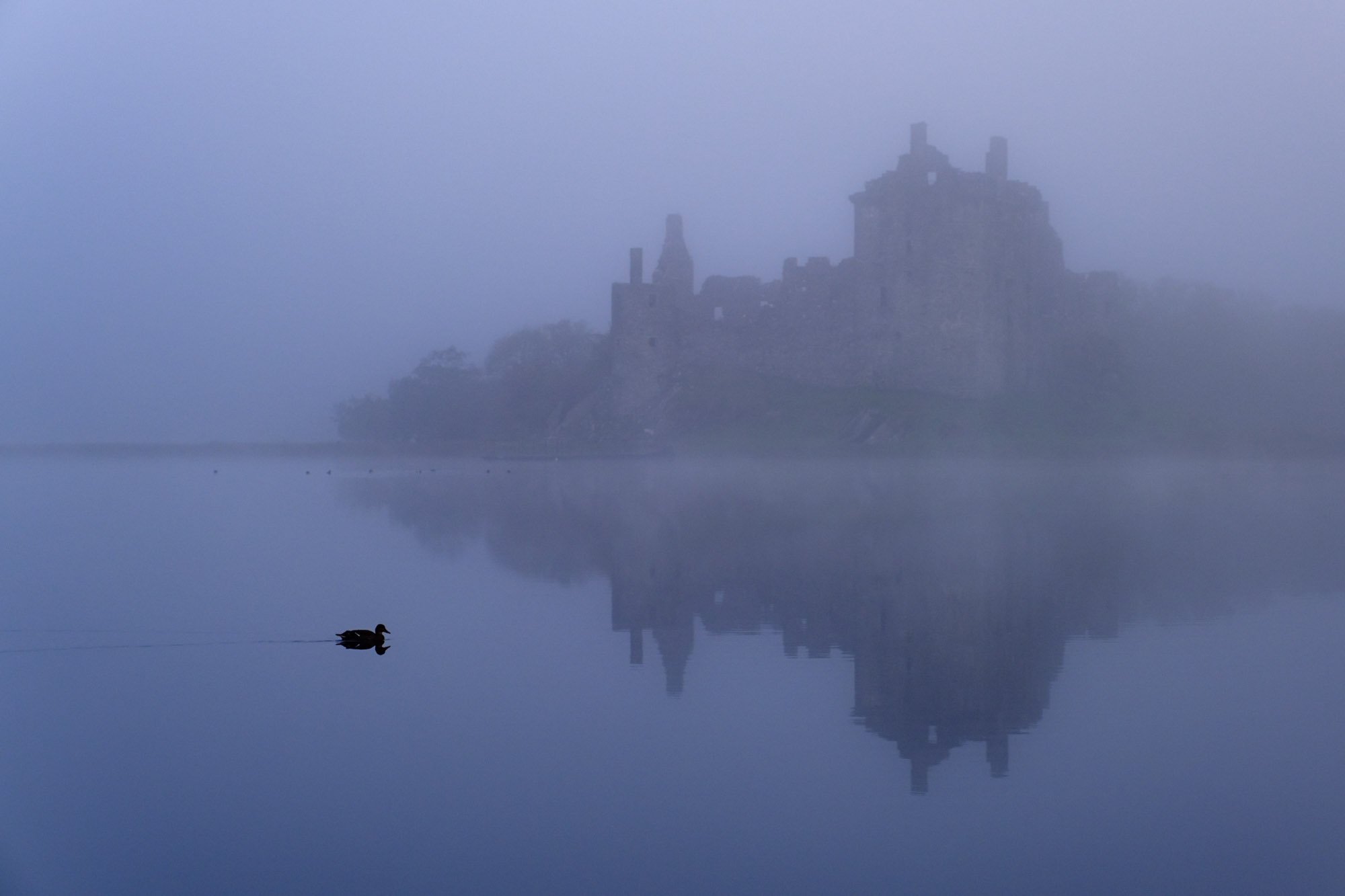
Edinburgh Castle in the morning haze has become a RainyRoutes icon. The foreground river reflects the city’s geometry, while the battlements cut a stark line across the gray sky. Stirling Castle, perched above the Forth valley, wears a cloak of mist that makes its towers look taller and more ancient. Fyvie Castle shows the interplay of formal gardens and stone in a softer light that warms rather than overwhelms. These spaces demonstrate the range of moody Scotland castles experiences you can chase in a single trip, from dramatic ramparts to intimate stone corridors.
Crucially, you’ll find a softer angle on the same exterior with drizzle. The effect is a different kind of magic — one that invites slow exploration over rapid sightseeing. And that is the heart of RainyRoutes: the patient, story-driven approach to moody architecture on a damp day.
In Part 2, we move from overview to practical planning with gear, timing, and safety to equip you for the next leg of your foggy Scotland castles journey.
Foggy Scotland Castles Immersion: A Step-by-Step RainyRoutes Itinerary
Foggy mornings greet you as you step into a landscape where foggy Scotland castles loom as silhouettes. This RainyRoutes itinerary is designed to maximize mood, minimize fatigue, and balance outdoor photography with indoor coziness. In this immersion, you will chase mist, measure how light filters through grey skies, and learn where to linger for a proper cup of hot tea before another round of castle exploration. The aim is not to race the weather but to align with it, turning drizzle and damp air into dramatic, story-rich experiences that echo the legend of the foggy Scotland castles that have long guarded Highland lore.
Overview of the Immersion Experience
Our RainyRoutes method prioritizes a steady cadence over speed. Expect short drives, short walks, and long moments of shelter with a view. You will find that the mood here rewards slow, reflective wandering rather than rapid sightseeing. The fog will cling to stone and copper roofs; rain will knit the hills into mists that seem to separate time from place. In this immersion, you gain a lens into foggy Scotland castles: the way rain beads on medieval mortar, the hush of a gallery, and the soft roar of a loch at dusk. This is not merely sightseeing; it is an encounter with weather as a co‑pilot in your travel story.
Itinerary Rhythm: A Step-by-Step Frame
To keep pace with transitional light and shifting skies, the itinerary follows a gentle rhythm: early mist, mid‑morning shelter, late afternoon drama, and a warm supper that rounds out the day. Each day blends exterior castle explorations with indoor immersion, including heritage sites, intimate cafes, and museums that preserve the atmosphere of the rain. You will notice that foggy Scotland castles emerge most vividly when the air is cool, the light is flat, and the stonework is seasoned with lichen. By embracing that mood rather than resisting it, you create photographs and memories that feel truly weather‑born rather than simply picturesque.
Day 1: The Edinburgh Core and the Stirling Stretch
The first day anchors the journey in Edinburgh’s ancient skyline and then threads north toward Stirling’s formidable fortress. Dawn greets you with low cloud over the Royal Mile and a pavement sheen that reflects lamp light like silver coins. Begin at the castle precinct, where the stones wear the centuries with equal parts weight and dignity; the wind can bite, but a warm cup in your hand restores your pace. Inside the great hall, you can study banners and armour while a light rain taps the windows, offering a soundtrack to contemplation rather than commotion. If time permits, descend to the National Museum of Scotland or the Scotch Whisky Experience for indoor exhibits that preserve the ambience of the city without requiring a long outdoor walk. As you leave the castle precinct, a short walk reveals the old palace’s courtyard, where the drizzle adds a characterful haze to the stonework and makes the towers look taller than they are. The drive north to Stirling is brief, but the landscape changes quickly; moor and pine drift into view between patches of dense fog, and the road mirrors the soft drizzle that occasionally brightens into a gentle shower. Stirling Castle sits above the town with a position that makes it a magnet for fog and drama, and the interior spaces offer warmth and history that perfectly counterbalance the chill outside. After a generous coffee and a serviceable lunch in a warm cafe, you can explore the National Wallace Monument or the Old Town’s little lanes, where steam from the kitchens meets the rain in a comforting hush. The evening finds you checking into a Highland inn that embraces the fog rather than fights it; the staff know to light the peat fire and recommend a snug corner where you can plan the next day’s route while the wind rattles the sash windows. Throughout Day 1 you will sense how fog and foggy Scotland castles respond to the rhythm of the day: subdued in morning glow, most dramatic in late afternoon light, and endlessly hospitable in the glow of a hearth. For a practical note, consider a short stop at Doune Castle, a nearby turreted ruin that exudes filmic character and a sense of timeless spray from the surrounding hills. This first day concludes with a comforting dinner that is both hearty and restorative, giving your senses a moment to absorb the mood and prepare for the adventure ahead.
Day 2: From Doune to Cawdor and Urquhart: A Highland Arc
Day 2 extends the foggy Scotland castles arc through a longer arc of geography, moving into the deepest mood zones of Perthshire and the Highlands. The morning opens with a drive to Doune Castle in the first light, where the stone walls hold a damp fragrance and the battlements push back against an overcast sky. This is a moment to study how rain behaves on medieval parapets, with droplets tracing rivulets along the turret’s curves and forming tiny mirrors that catch the greyed daylight. After a brief session of exterior photography, step indoors for a quick look at the keep’s interior rooms, where flags and crests tell stories of noble households and feuding clans. Then head toward Blair Atholl and Blair Castle, where the woodlands press in close and the mist wraps the grounds with an almost secret, reverent air. If the rain persists, this is the moment to linger in the armoury or the library, where a warm glow from a lamp and a crackling fire makes a perfect foil to the damp air outside. The afternoon drive takes you toward the Cairngorm foothills and then toward Urquhart Castle by Loch Ness. The loch lies low in the valley, and the fog sits like a lid over the water; you feel the place bending around the silence as you approach. Urquhart’s silhouette emerges in fragments through the rain, a reminder that Scotland’s history is inseparable from its weather. Inside the castle ruins you can trace the path of the fortifications, imagining raiders and defenders who stood in the same spray that now ornaments your camera lens. The day closes with a Highland hotel’s peat fire and a menu that features robust flavors such as locally caught salmon, reinforcing the sense that foggy Scotland castles are not distant monuments but living experiences. The evening also invites a short stroll along the loch shore when the rain eases slightly, offering a last chance to capture those haunting reflections on the glassy water. In this phase of the journey, you will sense that fog and foggy Scotland castles are best experienced when you let the landscape speak in its own cadence rather than forcing a perfect weather moment. If the forecast looks uncertain, you can adapt by pausing in a village shop to sample shortbread and a hot chocolate, a tiny ritual that perfectly complements the mood and keeps you ready for what the morrow will bring.
Day 3: Loch Ness, Inverness, and the Final Mist
The final day of the immersion charts a northbound arc toward Loch Ness and the city of Inverness, culminating with a quiet respect for the rain’s choreography. The morning near Urquhart Castle is best enjoyed with a mug of tea in a sheltered viewpoint, where the fog lifts and reappears like a curtain being drawn and redrawn across the water. The walk to the shore is short but reveals the real drama of foggy Scotland castles in your field of view: a distance that changes with every gust of wind, a light so diffuse that the Loch’s surface becomes a mirror that reflects your own mood. Urquhart’s walls still tell a story of ancient schisms and maritime skirmishes, and you may discover that the castle’s position today feels more intimate when framed by drizzle and low light rather than sunshine. From here, the route returns to Inverness, where the city’s galleries, bookstore cafés, and riverside paths offer ample opportunities to slow down, reflect, and draft a chapter in your travel journal. The day’s journey ends with a final ascent along mist‑veiled hills, a comfortable meal, and a chance to review the week’s photographs while their colors have not yet fully dried from the damp atmosphere. In the end, foggy Scotland castles reveal themselves not by grand declarations but by quiet moments—gaslights in a doorway, a window that catches the last drop of rain, a stone tower that glows from within as the evening falls. This cadence—camera, cafe, castle, and commentary—gives you a complete sense of immersion that you can carry forward in future rainy trips.
Gear, Timing, and Weather Strategy
To maximize your foggy Scotland castles immersion, you must match your gear to the landscape. The weather here does not always cooperate, but a well-chosen kit preserves your stamina and your storytelling potential. Start with a high-performance waterproof shell that blocks wind but breathes well, paired with a midlayer fleece that can be shed as you warm up in the castle halls. Waterproof pants and sturdy, grippy boots are essential for slippery cobbles and damp earth. A compact umbrella can be a liability in stronger gusts, so opt for a weatherproof hood and a cap that shields your eyes from drizzle without fogging your lenses. A high-quality camera bag with a rain cover keeps your optics safe while you wander in the moody air. A universal USB charger, spare batteries, and a microfiber cloth for lens clearing are practical staples for long days of drizzle and dramatic skies. For long-distance drives, plan for frequent coffee breaks at cozy towns where the local bakers and baristas can provide a moment of warmth and a fresh pastry that recharges both the body and the spirit. Be mindful of the roads in the rain: some routes require slower speeds and gentler turns when the fog rests on the hills, so you must reduce speed and increase following distance to stay safe while chasing the best angles on foggy Scotland castles. If you need broad context on how to interpret Scottish forecast data, you can consult practical weather resources from the national tourism body, including sections on how to read forecast guidance for coastal and highland routes. For a concise guide on weather and castle access, VisitScotland provides practical information on openings and safety advisories.
Accessibility, Safety, and Respect
In this itinerary, accessibility varies by site and season; many castles offer ramps and seating, but some sections remain historic experiences with uneven surfaces. The key is to pace yourself, take breaks in warm indoor spaces, and wear proper footwear to handle the damp stone and muddy approaches. Respect for the sites, staff, and local residents is essential; always follow posted signs and respect closure times during storms. The mood of foggy Scotland castles is immersive precisely because it requires you to adapt and observe. You will discover that the most rewarding moments come when you stop to listen to the rain, watch the mist breathe along the battlements, and allow your camera to capture the moment when a tower glows softly as the daylight fades. Finally, be mindful of your impact on the landscape; carry out any litter, avoid trampling delicate mosses, and refrain from leaning on ancient walls. These small acts preserve the sites for future travelers who seek the same moody beauty and dramatic history.
For a concise guide on planning a rain-ready visit to Scotland’s castles, see VisitScotland’s castles hub, which offers practical information on openings, dress codes, and accessibility. VisitScotland: Castles
With the last light fading on Day 3, your immersion into foggy Scotland castles ends not with an exhale but with a sense of continuation. You have learned how to slow the pace, how to find warmth in stone and peat, and how to let the rain become a collaborator in your storytelling. The next installment of Foggy Scotland Castles will expand on the journey with a deeper dive into coastal routes, mossy lochside ruins, and high-adrenaline, rain-soaked adventures that push the boundaries of travel in this misty country. Stay tuned for Part 3: Fog and Footsteps Across the Highlands, where the RainyRoutes experience grows bolder and more expansive while staying true to the moody magic that defines foggy Scotland castles.
Advanced Strategies for Foggy Scotland Castles: Mastering Moody Routes
Moody Route Design: Weather-Driven Planning
In foggy Scotland castles, a great route starts with weather analysis rather than fixed sightseeing. The best moody routes embrace mist as a collaborator, not an adversary. Begin with a robust forecast window, then back it up with microclimate notes for the coast, highlands, and river valleys. Use historical fog patterns to anticipate where the veil will thicken between dawn and late afternoon. The goal is to align castle phases with the cloud cover rather than chase predictable sunshine. A well-designed route weaves together three or four castles with reliable fog opportunities, so you never have to sprint into changing rain or missed light. For foggy Scotland castles, flexibility is a virtue, not a weakness. When planning, build in buffer time for slow shutter speeds, slippery paths, and sudden gusts that can turn geoglyph-like landscapes into moody masterpieces overnight.
To execute this, map your day around a central anchor castle that provides shelter and dramatic silhouettes, then build outward to secondary sites that offer complementary perspectives. A practical approach is to start in a sheltered valley with lower wind exposure, then climb to ridge lines at golden hour, and finally descend to a coastline where sea fog yields ethereal backdrops. This mood-forward planning reduces fatigue and maximizes dramatic fog interactions with stonework. Remember: foggy Scotland castles thrive on contrast—stone walls carved by rain, dark moors, and pale skies. Keep your route dynamic and time your movement so each location reveals a distinct facet of the moody aesthetic.
Practical steps — keep a running weather log, download offline maps, and mobilize a backup plan for indoor alternatives if visibility drops below a safe threshold. The emphasis is on thoughtful pacing, not risk-taking. If you spot a sudden opening in the veil, seize the moment with a quick scout, then commit or reroute. Ultimately, your moody route should feel like a story arc: mystery at the outset, a crescendo as you approach dramatic silhouettes, and a contemplative denouement back under shelter. For foggy Scotland castles, design with weather fluidity in mind and you’ll capture more than images—you’ll capture atmosphere.
Outbound link for historical context and site etiquette: VisitScotland offers essential guidelines on accessibility, hours, and responsible travel for foggy Scotland castles, helping you plan respectfully while maximizing mood-driven moments.
Gear, Safety, and Pack List for Rain-Soaked Trails
Advanced moody routes demand gear that supports precision, not excess weight. Start with a high-quality waterproof shell, a breathable layer system, and weatherproof footwear with solid grip for slick stones. A compact rain cover for your camera and a dry bag for lenses are non-negotiables when fog banks roll in over a card-catalog of turrets and battlements. Pack light enough to stay agile, but include emergency staples: a warm fleece, thermal socks, a compact first-aid kit, and a headlamp with spare batteries. In foggy Scotland castles, visibility can swing from dim to dimmer within minutes; be ready to pivot to indoor photography or shelter if winds gust and spray intensify.
Beyond clothing, bring practical navigation and safety tools. A durable map, a reliable compass, and a charged phone with offline maps ensure you can re-route when the fog thickens. A compact umbrella is helpful for brief sun-showers or drizzle, but not for gusty winds; instead, rely on a brimmed hat and a hooded shell to keep rain off your eyes while you frame a shot. For the photography-minded traveler, a lightweight tripod, a lens hood, and weather-sealed lenses help protect gear and maintain image quality. In foggy Scotland castles, robust preparation reduces risk and preserves momentum, so you stay in control of every moody frame rather than surrender to the weather.
In addition to gear care, you’ll want a safety mindset. Stay on marked paths, watch for mossy steps, and avoid exposing yourself to cliff edges when visibility drops. If you’re exploring coastal ruins, heed strong wind advisories and tide warnings. A small whistle, a plan for mobile reception, and informing a friend of your route times adds layers of safety. Ultimately, the right equipment, coupled with cautious judgment, empowers you to chase the fog rather than fear it, producing work that rings true to foggy Scotland castles.
Productive workflow tip: pre-set camera modes for fog scenes—tone-mapped RAW captures with bracketing—and carry a portable battery pack to sustain longer sessions in dim light. The fog magnifies texture; you’ll want to capture stonework with crisp edge details while preserving the soft, atmospheric tones that make foggy Scotland castles feel cinematic. Your gear choices influence not just the image, but your confidence to push deeper into the moody terrain.
Photographic Mastery: Capturing Fog, Light, and Texture
Moody routes demand a nuanced approach to exposure, white balance, and composition. Fog acts as a natural diffuser and can flatten contrast, so you’ll often need to exaggerate exposure while maintaining clean shadows to reveal architectural textures. Start with a white balance slightly toward the warmer end of the spectrum to offset the cool cast of the mist, unless you prefer a cooler, blue-toned mood for your portfolio. Use a small aperture (f/8 to f/11) to keep both foreground and castle silhouettes in acceptable focus when distance is substantial, and experiment with focal lengths to create depth. A mid-range zoom (about 24–70mm) is ideal for compressing or expanding the scene as fog shifts. Bracketing exposures is wise in foggy Scotland castles; cloud detail and stone texture often demand a wider dynamic range than a single shot can capture.
Composition on foggy Scotland castles benefits from deliberate framing: look for leading lines that guide the eye toward a grand tower, a gateway, or a looming parapet. Include human scale to emphasize the majesty of ruinous architecture surrounded by mist, or isolate solitary towers to maximize atmosphere. Use negative space as a storytelling device; a lone crenellation piercing pale fog can convey solitude and resilience. If you shoot long exposures, a neutral density filter can smooth any nearby water features or mist in movement, adding a painterly effect to the scene. When editing, preserve the organic feel of fog by avoiding over-saturation; let the gray palette and warm highlights remain authentic to foggy Scotland castles.
To create variety, alternate between interior shots—where candlelight or daylight filtering through rain-streaked windows adds warmth—and exterior frames that juxtapose damp stones with the soft, pervasive mist. Remember that fog can obscure details; use that to your advantage by emphasizing silhouette, texture, and mood rather than crisp, ultra-detailed foregrounds. In summary, mindful exposure control, thoughtful white balance, and decisive composition enable you to translate fog into powerful imagery that resonates with readers seeking foggy Scotland castles.
Accessorize with a simple post-processing workflow: apply a gentle clarity boost on stone textures, add a subtle dehaze only where the mist needs definition, and finetune shadows to preserve atmosphere. The goal is to produce images that feel tactile and cinematic, not sterile. If you’re new to moody photography, practice at a single site across multiple days to learn how fog behaves with the light. Ultimately, your mastery of fog, light, and texture will elevate foggy Scotland castles into immersive visual stories that draw readers into RainyRoutes.com and keep them on the site longer.
Castles as Anchors: Building a Moody Day-to-Night Itinerary
Foggy Scotland castles gain their power when you stage a day that transitions from soft morning light to cinematic dusk. Begin with a sheltered interior or a lower-trajectory shot that uses the early mist to reveal silhouettes, then move toward higher ground as the day progresses to capture sweeping panoramas. A well-timed itinerary uses three or four anchor castles and two to three auxiliary sites to maintain momentum without exhausting your senses. For example, start at a castle with commanding inland views, then drift to a coastal ruin that becomes a silhouette against a pale, rain-brushed horizon, and finally settle into a fortified courtyard where stonework glows under cloud-filtered sunbeams. This arc mirrors the emotional rhythm of foggy Scotland castles: hush, drama, and quiet wonder. When lighting shifts, adjust your pace and settings to keep every scene expressive yet cohesive across the day.
Indoor moments deserve their own spotlight. Castles with grand halls, vaulted kitchens, or candle-lit stairwells offer dramatic contrasts to exterior fog. Use these spaces to anchor your narrative, then return to outdoor vistas when the mist recedes or thickens again. In foggy Scotland castles, interior vignettes can be just as storytelling-rich as exterior frames, providing balance and variety for readers seeking mood-forward travel inspiration.
Managing time across sites requires precision. Create a master timetable and a backup plan for late-afternoon rain or wind, so you don’t sacrifice the mood you’ve chased. A practical approach is to allocate longer shooting windows to the most iconic structures, with compact, low-energy stops at secondary sites. Remember: the goal is to capture mood, not to chase every available castle. By anchoring your day around the most evocative silhouettes and using fog strategically, you’ll weave a narrative that reads as a single, coherent mood story across foggy Scotland castles.
Logistics Mastery: Parking, Access, and Stewardship
Logistics can make or break a moody route. Smart planning reduces time wasted on parking, restricted access, or dead ends. Before you depart, check each site’s official hours, especially for smaller keeps or private estates near popular routes. Where possible, choose early morning or late afternoon windows when light is soft and weather is most atmospheric. For coastal ruins, consider tide times since sea spray and damp air magnify the fog’s presence and create dramatic composites. If a castle sits within a private grounds envelope, contact the estate in advance to request permission or guidance. This proactive approach minimizes friction and respects local communities while keeping your foggy Scotland castles journey authentic and serene.
Transport logistics matter too. In rural stretches of Scotland, reliable transport means weighing private car travel against guided tours that can bypass weather-related delays. If you rent a car, practice a dry-run of your route to identify potential slick patches and forested miles where fog is likely to cling. A guided option can offer local insight into best viewpoints, safe vantage points, and timing tricks for dramatic lighting. Ultimately, careful logistics ensure you maximize mood capture while maintaining safety and respect for the sites you explore.
Conservation, Respect, and Local Partnerships
Advanced fog-chasing involves a deeper commitment to sustainable travel. Stay on designated paths, avoid stepping on fragile turf, and pack out all litter. Fog tends to reveal every footprint, so your footprint should always be as light as possible. Respect private preserves, and observe any signage about restricted access, especially near cliff edges or interior corridors that require supervision. Supporting local guides or visitor centers helps you learn the lore of foggy Scotland castles while distributing economic benefits to communities that maintain these historic places. By partnering with knowledgeable locals, you gain access to insider viewpoints about the best times for fog, the safest routes, and the hidden nooks that amplify mood without compromising site integrity. In this way, your foggy Scotland castles experience becomes a respectful collaboration with the landscape and the people who steward it.
Educational outreach is another layer of responsibility. If you operate a travel blog or photography portfolio, share responsible travel tips with readers and emphasize preservation. When you model best practices in your content, you encourage readers to value foggy Scotland castles not just as picturesque backdrops but as living monuments that deserve care and patience. In the end, mood-driven travel is most powerful when it is ethical as well as atmospheric.
Sample Moody Route Itineraries: Three Captivating Circuits
To illustrate how these strategies come together, consider three three-castle circuits that foreground fog, texture, and story. Route A centers on the east coast, pairing Dunnottar Castle with Slains Castle and a coasting lookout near Stonehaven. Begin at Dunnottar in the early mist, then shift to Slains to juxtapose ruin against sea spray, and finish with a cliff-top view that frames both horizons against pale skies. Route B moves inland through Stirling Castle, Doune Castle, and a third lesser-known ruin such as Castle Campbell, then concludes with a moody urban backdrop in Edinburgh’s catacombs or Castle Rock under heavy cloud. Route C takes a coastal-to-forest traverse from Argyll to the Trossachs, weaving in Castle Ardgartan or Kilchurn Castle, depending on closures and weather. Each circuit is designed to maximize mood-building light, fog layers, and architectural drama while remaining mindful of safety and accessibility. The goal is not to overwhelm the day; it’s to curate a sequence of moments that feel like a continuous foggy Scotland castles narrative rather than disjointed snapshots.
In practice, adapt these circuits by weather and access realities. If fog thickens early, pull back to a sheltered ruin with interior photography options. If visibility briefly clears, press toward a distant silhouette to capture a dramatic skyline. Your final gallery should showcase a spectrum of moody emotions—solitude, grandeur, mystery, and resilience—each thread tied back to foggy Scotland castles as a coherent travel vision.
Printable Toolkit: Checklists and Quick Guides
To support consistent results, assemble a Moody Route Toolkit. Start with a pre-trip checklist that covers weather-proof gear, spare batteries, memory cards, lens care, and emergency contact information. Add a field guide to the castles you plan to visit, including opening hours, accessibility notes, photography restrictions, and best vantage points. Prepare a compact notebook or app-based log for jotting quick thoughts on lighting, mood, and camera settings as you move between sites. Finally, keep a concise post-processing sheet to standardize your images: white balance on cloudy or custom warmth, exposure compensation for mist, and a controlled level of clarity to preserve softness in fog while revealing stone texture. This toolkit helps you translate mood into consistent, publishable content for Foggy Scotland Castles enthusiasts worldwide and sustains your editorial voice across RainyRoutes.com.
For readers who crave a deeper dive into the moody routes, offer a downloadable one-pager that outlines the three circuits, essential gear, and timing tips. This resource can strengthen reader engagement, boost shares, and drive subscribers who want more fog-focused inspiration. The key is to keep these assets compact and actionable, so travelers can implement them on real trips without overwhelm.
Conclusion: Embrace the Mood, Master the Route
In summary, advanced strategies for foggy Scotland castles empower you to design Moody Routes that transform mist into storytelling. By weaving weather-driven planning, purpose-built gear, expert photography techniques, and responsible travel practices, you’ll capture the essence of foggy Scotland castles with clarity, texture, and atmosphere. Your route design should feel effortless—like the fog itself guiding you from one iconic silhouette to the next, always leaving room for serendipity and discovery. The moody approach isn’t about chasing perfect light; it’s about embracing the density of the moment and extracting narrative from the rain-slick stones, wind-swept parapets, and velvet-gray skies that define foggy Scotland castles. As you publish, your readers will sense the intentional pacing, the attention to detail, and the respect for the sites that make this niche so compelling. Ready to elevate your foggy adventures? Subscribe to RainyRoutes.com for ongoing moody itineraries, gear insights, and field-tested routes that keep you playing with fog rather than waiting for it to retreat. Foggy Scotland castles await your next story—let’s go beyond the cliché and craft memory-rich journeys that align with the mystic outlands and high-adrenaline darecations that define our niche. Foggy Scotland castles are not just destinations; they are mood, method, and momentum rolled into rain-kissed stone.