Kauai Rainy Waterfalls: Wet Wonders
Welcome to Kauai Rainy Waterfalls Foundations for Wet-Weather Explorations, a guide built for the mist-chasing traveler who treats rain as a compass and waterfalls as a soundtrack. If you search for Kauai rainy waterfalls, you’re seeking a world where rain-washed cliffs glow, the air tastes of soil and salt, and every hike becomes a pulse-quickening moment with nature. In 2026, this niche continues to thrive as travelers embrace the Mystic Outlands aesthetic and the thrill of darecation experiences, while staying grounded in safety, respect for ecosystems, and smart gear choices. This introduction lays the foundations for confident, sustainable exploration across Kauai’s rain-soaked landscapes. You’ll learn how weather, terrain, and timing converge to shape routes, what equipment truly matters, and how to read conditions so every trek ends with a story you’ll want to tell again and again.
Therefore, you’ll start with a mindset built on preparation, observation, and prudent risk management. In addition, you’ll discover how to plan around showers, drainage, and trail maintenance, so you can chase the curtain of water without compromising safety. Crucially, this section anchors every decision in conservation, respecting local communities, and minimizing impact on delicate ecosystems that thrive in wet climates. By embracing these foundations, you’ll unlock not only spectacular waterfalls but also intimate moments with Kauai’s rain-soaked forests and coastlines. Now, let’s map the core elements that support truly immersive, responsible wet-weather explorations of Kauai’s waterfalls.
Kauai rainy waterfalls Foundations for Explorers: Why this particular landscape demands a thoughtful approach
Kauai rainy waterfalls aren’t just scenic backdrops; they’re dynamic systems shaped by tropical weather, volcanic geology, and dense jungle. The same rainfall that paints the cascades with extra vitality can also swell creeks into dangerous torrents. Therefore, an explorer’s first duty is to understand climate patterns, microclimates, and the way rain shifts terrain underfoot. This knowledge reduces uncertainty and enhances your ability to read terrain, spot slick surfaces, and time crossings with confidence. The result is a richer experience where every step feels intentional rather than reactive.
In practice, this means preparing for humidity, shifting light through a leafy canopy, and the ever-present possibility of sudden downpours. It also means recognizing that not every trail is open, not every vista is accessible, and conditions can close routes with little warning. By prioritizing awareness, you protect yourself, your companions, and the ecosystems you’ve come to admire. In the pages that follow, you’ll see these principles translated into gear choices, planning tactics, and responsible travel habits that keep Kauai rainy waterfalls rewarding, not risky.
Weather, terrain, and risk tolerance: building a wet-weather baseline
Understanding the baseline weather on Kauai is more than checking a forecast. It’s learning how mist, sun breaks, and trade winds interact with topography. The island’s north and east sides often see more persistent showers, while higher elevations can trigger rapid changes in temperature and rainfall intensity. Therefore, when you plan a route, estimate headcount, time on the trail, and your ability to handle wet, uneven surfaces. A prudent rule is to assume you’ll face some spray and adjust your pace accordingly, rather than pushing through conditions that compromise grip or visibility. For a practical approach, pair weather data with real-time terrain observations and a clear exit strategy for each segment.
Additionally, map your route with contingencies for creek crossings, fallen trees, and washed-out sections. If visibility drops due to rain or fog, switch to shorter, more sheltered segments or postpone certain viewpoints. In every case, your decisions should be guided by risk awareness, not bravado. For a reliable safety framework during wet-weather explorations, consult established guidelines such as Weather Safety resources from reliable agencies (Weather Safety). This external anchor supports the core idea: plan, observe, adapt, and respect the rain-washed world you’re exploring.
Kauai rainy waterfalls Gear and Safety Essentials for Wet-Weather Explorations
Gear matters as much as grit when chasing Kauai’s rainy waterfalls. The right equipment protects you from cold spray, slippery surfaces, and unexpected downpours, while keeping you nimble enough to enjoy the moment. Start with a breathable, waterproof shell that layers well, along with waterproof pants for deep if you’re negotiating spray near cascades. Footwear should be lugged with deep tread and stability for slick rock and muddy trails. A light, compact but durable daypack with a dry bag for electronics and a spare layer is essential. Pack a compact first-aid kit, a quick-dry towel, and a headlamp or compact flashlight for dim sections or post-rain photography sessions. Remember, your clothing is as much a tool as your compass—prioritize moisture management to stay comfortable and focused.
In addition, add traction aids if you anticipate rocky slopes or stream crossings that demand sure footing. A disposable rain cover for your pack and rain sleeves for your cameras help protect gear without sacrificing mobility. Hydration is still critical; carry water in a sealed bottle or a hydration bladder inside a dry bag to prevent condensation from soaking your essentials. Finally, bring a compact emergency whistle, a small map or offline navigation app, and a backup power source for devices in case cloud cover reduces solar charging. These items underpin a calm, capable approach to wet-weather exploring while preserving safety and enjoyment for you and your companions.
Crucially, gear selection should align with your objectives—whether you’re chasing grand cascades or intimate forested falls where every spray veil adds atmosphere. For practical safety guidance during wet weather, consider established resources such as Weather Safety pages from reputable organizations (Weather Safety). This keeps your planning anchored in best practices while you pursue Kauai’s most dramatic waterfalls.
Layering, packing, and protective strategies: what to carry on a Kauai rainy waterfalls day
Layering is a philosophy here: start with moisture-wicking base layers, add a breathable, waterproof shell, and finish with quick-dry layers that can be stripped or added as conditions shift. Pack in dry bags or waterproof sleeves to isolate electronics, cameras, and spare clothing from spray. Use a compact towel to manage sweat and dampness; it helps mid-hike comfort and post-hike cooldowns. For a day on Kauai’s rain-soaked trails, keep a minimal yet capable toolkit: a multi-tool, a whistle, a compact tarp for quick shelter, and a wind-resistant hat that won’t lose grip in gusts. This approach enables you to stay warm, dry, and focused on the experience rather than battling moisture all day.
Transitional kit pieces matter, too. For example, a lightweight fleece or microfleece can be your mid-layer once you’ve warmed up, and a rain shell can be shed when sun peeks through clouds. In addition, always account for the possibility of late-day drizzle, requiring a light rain jacket packed away in your pack. A well-considered packing list reduces fatigue, increases safety, and enables longer, richer experiences with Kauai’s rain-driven waterfalls.
Timing and Trails: When to chase Kauai rainy waterfalls in 2026
The best windows for Kauai’s rainy waterfalls aren’t the same every day. Timing hinges on the island’s microclimates, rain bands, and your fitness level, as well as how much you want to immerse in mist versus push for a distant viewpoint. Therefore, plan for early starts to catch misty mornings and to secure parking near popular trailheads before crowds swell. In addition, consider low-tide coastal routes that provide dramatic spray from breaking waves or river mouths that widen after a storm. The rain can intensify downstream sections, making some crossings more adventurous or hazardous. By aligning your plan with real-time weather updates and local advisories, you can maximize the chances of a dramatic, photo-worthy waterfall experience without compromising safety.
Best practice includes flexible scheduling and ready-to-switch plans. If rain intensifies or creeks rise quickly, pivot to sheltered forest trails, shorter loop options, or waterfall overlooks with safer access. Being adaptable is a hallmark of wet-weather travel, especially on Kauai where landscapes shift with every shower. A robust daily plan balances ambitious goals with contingency routes so you finish with the same energy you started with, and with memories of the island’s rain-washed beauty rather than a missed milestone.
Seasonality, rainfall patterns, and accessibility: key considerations for Kauai rainy waterfalls
Seasonality matters, but Kauai’s rainfall distribution is famously variable. While winter months often bring heavier showers, summer can deliver dramatic convective bursts that deliver powerful curtain-like sprays. Therefore, adaptability is essential: know which trails tend to flood, which creeks remain passable after storms, and which viewpoints are accessible on your chosen day. In addition, always check with land managers about current conditions, as closures and erosion risk fluctuate after heavy rain. Accessibility isn’t just about distance—it’s about the reliability of routes under wet conditions and the safety margins you build around them. By combining seasonal knowledge with live updates, you unlock a more resilient, enjoyable Kauai rainy waterfalls itinerary.
Respect, Conservation, and Responsible Wet-Weather Travel
Wet-weather exploration amplifies your sensitivity to the environment. Kauai’s ecosystems are lush, fragile, and uniquely adapted to constant moisture. Therefore, tread lightly, stay on marked trails, and pack out everything you bring in. Use reusable containers, minimize plastic waste, and avoid disturbing wildlife or delicate plant life that thrives in shaded, damp habitats. In addition, practice Leave No Trace principles, and respect cultural sites and local communities that host visitors to remote waterfall areas. Your discipline ensures that future travelers can enjoy the same dramatic, rain-filled landscapes you’re experiencing today. By consciously limiting impact, you honor the island’s natural richness while still enjoying bold, immersive experiences.
Crucially, engage with local guides or park rangers when uncertain about route safety, weather shifts, or seasonal closures. They provide the latest insights and can tailor routes to your skill level and goals. For further context on safety and conservation in wet-weather settings, rely on established resources and local advisories so your Kauai rainy waterfalls adventures contribute positively to the region’s long-term vitality and beauty.
Photography and Storytelling Under Rain: Capturing Kauai’s Mist and Motion
Rain amplifies color, contrast, and texture. The key to compelling images is controlling moisture while capturing motion. Use a fast lens for dynamic spray and a moderate shutter to convey motion without blurring mist into a ghostly blur. In addition, protect your gear with waterproof housings or dry bags; keep a microfiber cloth handy to wipe condensation from lenses. Composition can emphasize the arc of a waterfall, the silhouette of a palm, or the way rain threads through hanging vines. To tell a story, mix landscape wide shots with intimate frames of droplets on leaves and the faces of hikers glowing with spray. Throughout, stay mindful of safety and respect for others sharing the path, so your images reflect the awe of Kauai’s wet landscapes without disrupting the scene.
Incorporate transitions and pacing in your storytelling; short sentences and clear scenes help readers visualize every moment. Therefore, your content remains accessible to a broad audience, from seasoned trekkers to first-time rain seekers. If you’re looking for inspiration on how to structure your wet-weather narratives, think in arcs: setup, challenge, relief, and discovery, all set against Kauai’s rain-soaked backdrop.
As you prepare for Part 2, we’ll translate these foundations into practical routes, risk considerations, and gear checklists tailored to Kauai rainy waterfalls—Part 2: Kauai Rainy Waterfalls Routes and Safety Protocols.
Mastering Kauai Rainy Waterfalls: A Step-by-Step Wet-Weather Itinerary
In Part 2 you’ll apply a practical route plan that embraces mist, rain, and roaring cascades across Kauai. This section translates the big-picture mood of Kauai rainy waterfalls into a walkable, safe daily rhythm designed for 2026 conditions. You’ll learn where to go, when to go, and how to stay safe while chasing the wet wonders that only Kauai can offer.
Why Kauai rainy waterfalls reward careful planning
Rainy conditions intensify the beauty and drama of Kauai’s waterfalls, turning light into a sculpture of spray and stone. The moist air enriches greens, highlights moss, and reveals colors you miss in dry weather. Yet danger grows with the same weather that makes the scene so cinematic. Slick rocks, rising streams, and sudden downpours can upend a good day fast. This section codifies a plan that respects weather, terrain, and local access rules. You’ll feel the thrill of moss-draped cliffs and thunderous curtains while keeping risk at bay.
Step-by-step Wet-Weather Itinerary Overview
Begin with a clear, flexible framework. Step one is preparation—packing, gear, and safety checks. Step two is route selection and timing, choosing routes with reliable access and meaningful viewpoints. Step three covers regional waterfall highlights, so you know where to aim. Step four outlines safety protocols, ensuring you know when to pivot and when to retreat. Step five focuses on photo tactics and moody light, helping you capture the mood without sacrificing safety. Step six stitches the day together with a tangible example timeline you can adapt to changing weather. Throughout, the guiding principle is to stay present, move deliberately, and respect Kauai’s delicate ecosystems.
Step 1: Prep Before You Go
Preparation begins with gear that protects you and your gear without weighing you down. A compact, waterproof shell that breathes is essential, paired with a lightweight fleece or base layer for warmth. Quick-dry pants and socks reduce discomfort as you move through damp vegetation. Footwear should provide traction on muddy roots and slick granite, so choose grippy hiking shoes over smooth sandals. A dry bag or watertight pouch protects cameras, phones, and small lenses, while a compact first-aid kit takes care of minor scrapes. Include a map or offline navigation tool because tree cover and canyons can block signals. Hydration is critical, so carry a refillable bottle within reach and snack bars that maintain energy during longer drizzled treks. Add microfiber towels to wipe lenses between shots and spare batteries kept warm in a zippered pocket. Finally, check the forecast and rainfall trends before you go, and be ready to adjust. For real-time risk checks, refer to the National Weather Service Honolulu forecast page: weather.gov/hfo.
Step 2: Route Selection and Timing
Start with routes known for accessibility and clear safety margins. East Kauai offers iconic, easily reached viewpoints like Opaeka’a Falls and Wailua Falls that deliver dramatic spray with minimal hiking. These spots give you confidence in wet weather and light you up for photography without long commutes. If you’re comfortable with rain hiking and the forecast holds, you can extend to nearby canyons or waterfalls with established trails, always checking for water levels and trail closures. In practice, your day should be shaped by light and safety—choose morning windows for clearer footing and softer light, then consider shaded canyons in the afternoon when spray feels heavier and visibility can drop. Keep a flexible plan that can shrink in response to a sudden downpour or road closure, and always verify access with local park or county resources before setting out. The goal is a loop or a series of short climbs that minimize backtracking while maximizing views, spray, and mossy scenery.
Step 3: Waterfall Highlights by Region
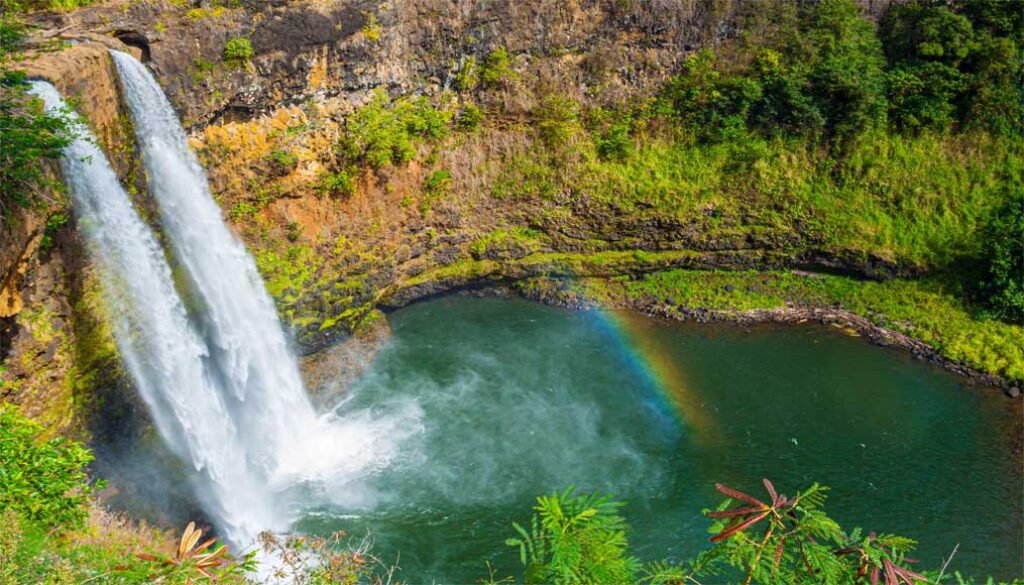
East Kauai tends to deliver reliable, scenic waterfalls with short trails. Wailua Falls, often visible from the highway, rewards you with a powerful cascade and a spray veil that makes close-up photography a sport. Opaeka’a Falls offers a broad curtain from a lookout with a verdant backdrop, presenting a classic Kauai mood in rainy weather. In the North Shore, Hanalei Falls provides a tiered cascade whose viewpoints require careful footing through damp forest edges. In rain, the surrounding ferns glow and the spray creates a halo around the fall, which is perfect for cinematic shots. The West and Central regions hide quieter gems behind winding roads and switchbacks; these require careful routing and respect for private lands and protected ecosystems. Always verify which trails are open after heavy rain, and watch for trail maintenance notices that can appear without much warning. If the weather aligns, you’ll experience a chorus of water from multiple waterfalls in one day, a hallmark of the wet-season Kauai experience.
Step 4: Safety Protocols During Rainy Conditions
Safety relies on restraint and situational awareness. Never enter rivers or stream crossings during heavy rain. Rain can swell a calm river into a dangerous current within minutes. Stick to established trails—do not improvise river routes that bypass crossings. If you encounter erosion, slick rock, or a muddy slope with little traction, pause, reassess, and pivot to a safer approach or an alternative viewpoint. Keep groups together and maintain 360-degree awareness for weather shifts and falling debris. Lightning is a real hazard in exposed ridges and tall stands of trees; retreat if you hear thunder or see sudden cloud movement overhead. Carry a whistle or signaling device to coordinate with your companions in fog or spray, and agree on a time to regroup in case visibility worsens. Before departing, confirm park hours and trail statuses with official updates, then drive cautiously on slick roads back to your base. Real-time risk checks can be found at weather.gov/hfo with current alerts and forecasts.
Step 5: Photo Tactics, Gear, and Moody Light
Moody light occurs when cloud cover acts as a natural diffuser. Protect the camera from spray with a dedicated rain cover or a zippered dry bag that doubles as a lens hood. Use a compact tripod only if it is securely anchored on stable ground; otherwise, brace the camera against a rock formation to prevent tip-overs. A fast shutter helps freeze rain droplets and water spray, while a slower shutter captures silk-like water ribbons if you’re in a sheltered spot. A neutral-density filter can help manage exposure when spray is bright, but it adds weight and requires careful handling in damp conditions. If you shoot with a weather-sealed camera, keep the body battery warm and switch to fresh cells when you move through cooler, wetter air. Lens cloths stay handy for clearing a fogged front element, and keep a dry towel in your pocket for quick wipes between frames. Above all, photograph with intention—frame the scene to convey mood, not just the height of the fall. And remember—respect sacred places and stay on designated paths to protect fragile ecosystems and your own safety.
Step 6: Practical Timing and an Example Day
Texture and tempo define a practical rainy-day itinerary. If you start just after dawn on the East Shore, you’ll catch the glow on spray as the sun climbs. You might pause at Wailua Falls while the spray is most dramatic, then move to Opaeka’a Falls for a calmer, greener look. Late morning light often travels in through the canyon, enhancing moss and fern canopies and boosting color saturation in the air. By afternoon, as another system rolls through, the river corridors darken and the cascades widen, providing dramatic curtain effects that are perfect for longer exposures. If weather permits, you can aim for Hanalei Falls or other North Shore viewpoints before sunset, but be prepared to cut the walk short if rain intensifies or trails become slick. The guiding principle is to remain flexible and patient—let the weather reveal the best angles rather than forcing a completion. A practical sample day could begin with a quick East Shore stop, progress to Opaeka’a Falls later in the morning, slip to a North Shore outlook by early afternoon, and end with a sheltered overlook where you can capture sunset hues while rain dwindles. Always cross-check road closures and trail advisories in real time to avoid stranded or unsafe spots.
In practice, this plan delivers a balanced mix of iconic viewpoints and hidden damp corners, all while honoring Kauai’s delicate environments. The rain amplifies textures—the bark of stair-step moss, the crunched leaves underfoot, the sparkle on a basalt ledge. It also requires a disciplined approach to safety and timing. For continuous weather context on the day, consult the National Weather Service Honolulu forecast page: weather.gov/hfo.
Next up, Part 3: Cozy Indoor Escapes and Rainy-Day Delights, where we explore indoor refuges, warm beverages, and packing tips that complement your wet-adventure lifestyle.
Advanced Strategies and Final Guidance for Kauai Rainy Waterfalls
In the concluding tranche of this guide, we synthesize advanced strategies that help you chase mood, maximize safety, and honor the land on the quest for Kauai rainy waterfalls. This section blends data-driven planning with street-smart fieldcraft, drawing on years of field recalls from misty trails and rain-soaked cliffs. If you want to elevate your experience while staying mindful of weather, terrain, and local etiquette, you’re in the right place. The goal is to help you move beyond basics and into purposeful, thrilling, and sustainable wet-weather exploration of Kauai rainy waterfalls.
Advanced planning in this niche means embracing variability. The mood shifts with every cloud bank, every gust, and every drop of rain that beads on ferns. By aligning routes, timing, and gear with the island’s microclimates, you unlock opportunities to witness the same waterfall in dozens of moods. You’ll learn to read the landscape as a living system—one where light, rain, and wind converge to shape an unforgettable experience around Kauai rainy waterfalls. The following sections offer field-tested tactics for route refinement, weather intelligence, gear mastery, and ethical exploration.
Strategic Route Planning for Kauai Rainy Waterfalls
Route planning is your first line of defense and your best chance to maximize the magic of Kauai rainy waterfalls. Start with a clear primary route that prioritizes safety, accessibility, and the likelihood of dramatic waterfall views. Then attach optional detours that depend on rain intensity, daylight, and your energy levels. This approach lets you tailor the day without sacrificing the core experience of witnessing rain-carved cascades.
When you design your itinerary for Kauai rainy waterfalls, map with purpose. Use offline maps to avoid connection gaps on rugged tracks. Pre-download trail notes from trusted sources and cross-check with local park or land-management advisories. Consider a two-tier plan: a dependable core loop plus one or two flexible extensions that you can add or skip based on current conditions. Keeping a flexible mindset is essential for capturing the best waterfall moments in Kauai rainy waterfalls while staying out of harm’s way.
Time your movement to maximize light and minimize risk. In mist-prone canyons and forested slopes, dawn or early morning often reveals the cleanest photos and the most comfortable footing. Afternoon rain can intensify flows and slick rocks, offering drama but demanding caution. Your route planning should explicitly account for tide-related river levels if you’re visiting coastal waterfall headwaters. Ultimately, a solid core route with adaptable side trails is your best strategy for Kauai rainy waterfalls.
Practical tips to sharpen your route planning: build a short-list of top waterfalls you want to see, then arrange them in an order that minimizes backtracking. Factor in the potential for flash floods and rising streams. Have a contingency plan for weather shifts, including a safe retreat option to a sheltered area or trailhead. Keep emergency gear accessible and test your navigation at the outset so you’re not left scrambling mid-hike. The result is a well-structured plan that respects Kauai’s landscapes while amplifying the drama of Kauai rainy waterfalls.
As you prepare, share your plan with a friend or lodge host and set check-in points along the way. If you’re traveling in a small group, designate a leader, a sweep, and a communication plan. This keeps you aligned and reduces risk when the rain intensifies. The most reliable way to enjoy Kauai rainy waterfalls is to combine careful route planning with a flexible, resilient mindset that welcomes changing weather rather than fighting it.
Weather Intelligence and Timing for Optimal Mood
Weather intelligence is the backbone of a successful Kauai rainy waterfalls experience. The island’s weather can be mercurial, with rain bands that drift unpredictably and microclimates that shift within minutes. Your objective is to anticipate, not merely react to, weather. This means monitoring multiple sources, recognizing patterns, and translating that data into practical decisions on the trail.
Begin with reliable forecasts for Kauai rainy waterfalls from local meteorological services and island-wide weather apps. Track precipitation timing, wind shifts, and cloud cover. Note that a forecast for generic rain on Kauai may hide dramatic differences at river gorges and forest canopies. Personal experience matters, but data minimizes surprises and improves safety, particularly when you’re near steep drops or slick riverbeds along Kauai rainy waterfalls.
Learn to read the sky as a narrative: a calm morning may give way to a sudden squall, or a lull can reveal a luminous rainbow arcing above a cascading wall. Microclimates are your ally when chasing Kauai rainy waterfalls; they offer windows of opportunity and moments of risk. Schedule your most photo-ready or physically demanding segments during the dry or mild-midday windows, then reserve steeper, wetter sections for when you have solid footing and daylight to spare. In summary, time your movement to light, rain, and water flow, not merely to a clock on the wall.
For Kauai rainy waterfalls, always factor safety margins into timing. Add extra time for rock scrambling, river crossings, and the possibility of needing to backtrack to a safer route. If conditions deteriorate, it’s prudent to retreat to a safe point and reassess. Ultimately, weather intelligence transforms a risky daytime adventure into a controlled, high-mood excursion across Kauai rainy waterfalls that respects the environment and your limits.
Pro tip: build a lightweight weather toolkit into your pack. Include a compact windbreaker, a thin trekking umbrella or rain shell, and a small, quick-dry towel. These items extend your window to photograph or experience Kauai rainy waterfalls without compromising comfort or safety. Remember, the mood of Kauai rainy waterfalls is as much about timing as about water volume or waterfall height.
Gear Mastery for Wet-Weather Exploration
Gear mastery is not about piling on equipment; it’s about selecting the right tools to enhance safety, comfort, and storytelling around Kauai rainy waterfalls. The goal is to stay dry enough to stay out longer, move confidently on slick surfaces, and protect your camera gear from the damp, salty air and misty spray that define Kauai rainy waterfalls.
Outer layers should prioritize breathability and water resistance. Invest in a moisture-wicking base layer, a breathable shell, and a waterproof, breathable rain jacket with adjustable cuffs and hood. For pants, choose quick-dry hiking pants or breathable shell overtrousers. Footwear must deliver traction on wet rock, roots, and mud. Look for lug patterns with deep channels and sticky rubber compounds that handle moss and slick surfaces common to Kauai rainy waterfalls. A reliable pair of gaiters can keep debris and fine mist from soaking your socks and laces, a small but meaningful difference on long, wet days along Kauai rainy waterfalls.
Protect your core camera gear without compromising movement. Use protective rain covers for cameras and lenses, but keep a thin, breathable layer between your body and the cover to prevent condensation. A compact, dry bag is essential for storing lenses during rain bursts. When shooting in Kauai rainy waterfalls, consider weather-sealed lenses or premium weather protection for your camera body. A dry bag with a simple desiccant packet helps manage moisture inside your kit. This attention to gear keeps you on the trail longer and captures the story of Kauai rainy waterfalls with clarity.
Support tools like trekking poles can improve stability on slick rocks and help you maintain balance during river crossings. If you’re carrying a camera tripod, choose a compact, weather-resistant model and practice deploying it quickly in shaded, misty sections. Hydration solutions remain crucial; a hydration reservoir that resists freezing and leakage ensures you drink through long, damp days. Finally, pack evenly: distribute weight to maintain balance on uneven, slippery terrain around Kauai rainy waterfalls. The right gear reduces fatigue and elevates the quality of your adventure.
Never overlook personal safety equipment. Carry a compact first-aid kit, a whistle, a headlamp with fresh batteries, and a lightweight emergency blanket. In wet conditions, visibility can drop quickly, and a small light source becomes a lifeline. The combined effect of proper gear and discipline is a more confident, enjoyable journey through Kauai rainy waterfalls. Gear mastery is a force multiplier: it increases your freedom to explore while preserving your health and your gear’s longevity.
Photography, Storytelling, and Technical Mastery in Rain
Photographing Kauai rainy waterfalls demands technique, protection, and a deep understanding of mood. Rain adds drama but also complicates exposure, focus, and moisture management. Your objective is to translate the sensory experience of Kauai rainy waterfalls into images that feel immersive and authentic without compromising gear integrity or personal safety.
Start with camera settings optimized for damp, low-contrast scenes. Use a lower ISO to reduce noise when light is sparse, and stabilize your shot with a sturdy tripod on dry ground or dry rock surfaces. Control shutter speed to balance the movement of water with the mist in the air. A neutral density filter can help manage long exposures on brighter, rainy days, producing silky water and a moody backdrop for Kauai rainy waterfalls. Be mindful of white balance in cool, misty environments; a slightly warm tint can enhance the emerald hues of the island’s foliage while preserving the waterfall’s icy-white spray.
Protect your gear between takes. Use a microfiber cloth to wipe condensation from lens fronts and a light rain cover to shield your camera from spray. Keep spare batteries in a dry pouch, since the combination of humidity and cold can drain power faster than you expect. For storytelling, capture the sequence: approaching spray, the first glimpse of a cascade, the moment of peak rainfall, and the quiet aftermath when the mist lingers over the canyon. Your best Kauai rainy waterfalls images tell a story of movement, texture, and mood, not just a single moment of water falling.
In addition to stills, consider short clips that convey the dynamic energy of Kauai rainy waterfalls. Slow-motion footage can emphasize droplets on fern fronds, water spiraling over basalt, and the hush that follows a heavy downpour. Protect your footage with a rain hood over your camera during capture, then back up files frequently. The result is a compelling, multi-sensory record of Kauai rainy waterfalls that resonates with readers and viewers alike across your blog and social channels.
Safety, Ethics, and Environmental Stewardship on Kauai Rainy Waterfalls
As you push deeper into the mist, the responsibility to protect Kauai’s fragile landscapes grows. Your goal is to enjoy Kauai rainy waterfalls while minimizing impact, honoring local rules, and contributing to conservation. Ethical travel in this niche means adhering to established guidelines, staying on designated trails when possible, and avoiding shortcuts that erode moss, roots, and soil near the falls. Even though the terrain invites risk and thrill, sustainable practices keep these scenes pristine for future visitors and for the wildlife that calls the area home.
Respect private property and tribal or community guidelines that govern access to certain viewpoints or ecosystems. Obtain any required permits before venturing into sensitive zones and obey posted warnings about flash floods or unstable terrain. When you encounter other hikers, practice courteous conversation and yield to the person with the higher risk profile, whether that is a child, an elder, or someone with mobility limits. Your mindful behavior around Kauai rainy waterfalls demonstrates leadership and sets a standard for responsible travel in this niche.
An explicit Leave No Trace mindset can be your strongest ethical compass. Pack out every bit of trash, avoid resin-rich mosses with excessive foot traffic, and refrain from removing rocks, plants, or natural features from the site. If you carry a camera closer to the cascade, avoid placing gear directly on the water’s edge, where splashes can sweep devices away. In many cases, a simple plan to maintain a respectful distance from fragile cliff faces protects both you and the landscape. The discipline you bring to Kauai rainy waterfalls is part of your adventure’s true value, a signal that you value the place more than a single shot or a fleeting thrill.
For safety guidelines, consult established sources to ground your practice in best-practice standards. See this official resource on hiking safety for a baseline reference: Hiking Safety – National Park Service. This information complements island-specific tips and encourages you to train, plan, and execute with prudence. Remember: advanced strategies are only effective when paired with disciplined safety and unwavering respect for Kauai’s wet, wonderful ecosystem.
Post-Visit Care, Gear Maintenance, and Biodiversity Mindset
After you’ve logged your Kauai rainy waterfalls adventure, give your kit and your memory a proper cooldown. Post-visit care ensures your gear remains reliable and your reflections stay fresh, while your respect for the environment solidifies into lasting habits. Drying, inspecting, and storing gear properly extends its life and reduces the chance of odor or mold—critical when you’ve spent hours in damp, humid air near rain-washed trails. Etiquette matters after the hike too: thank guides, hosts, and neighbors, and consider leaving a small contribution to trail maintenance or local conservation initiatives. Your approach to post-visit care reinforces the sustainable ethos that underpins Kauai rainy waterfalls exploration.
Drying your gear is not optional; it’s a discipline. Use a well-ventilated space to air-dry outer layers and packs, then inspect zippers, seams, and fasteners for moisture damage. For cameras and lenses, reassemble with fresh silicone gel or silica packs to prevent mildew in storage. If any piece shows signs of wear or leakage, address it promptly to avoid repeat failures on future Kauai rainy waterfalls trips. Consistent care makes every subsequent journey smoother and safer, enabling you to chase more moods across Kauai’s wet terrain.
Develop a biodiversity-minded routine for each outing. Stay on established paths to minimize erosion and protect delicate plant communities along streams and near waterfalls. Avoid feeding wildlife, and maintain a respectful distance from birds, insects, and amphibians that thrive in the damp ecosystems surrounding Kauai rainy waterfalls. If you practice sustainable travel, you’ll contribute to preserving these environments for future explorers while enjoying nature’s raw, moody beauty today. Your actions—small but steady—become the legacy of Kauai rainy waterfalls adventures you share with others.
Final Guidance, Mindset, and Sustainable Travel Tips
As you close this guide, carry the mindset of a rain-seeking observer who respects the island’s weather, terrain, and communities. The best advanced travelers view Kauai rainy waterfalls as a dynamic conversation with nature, not a conquest to be completed. Stay curious, patient, and flexible. Embrace the mystery of mist, the scale of cascades, and the stillness that follows a heavy shower. Your plans should be robust yet adaptable, combining disciplined preparation with a willingness to pause, reassess, and savor the scene before you. The ultimate experience emerges when your hands are steady, your feet secure, and your heart open to the story Kauai rainy waterfalls tell in every season.
In practice, this means packing with intention, moving with care on slick surfaces, and prioritizing safety over bravado. It means respecting cultural and ecological boundaries, leaving no trace, and supporting local communities. It also means sharing your learnings to help others enjoy Kauai rainy waterfalls responsibly, spreading the ethos of high-adventure travel that protects the land and invites others to discover its mood-shifting beauty. If you adopt these strategies, you maximize your chances of a transformative, safe, and sustainable experience with Kauai rainy waterfalls.
To conclude, remember that the best journeys balance thrill with prudence. Build your plans around weather intelligence, trail etiquette, and gear readiness. Let the rain reveal the waterfalls’ secrets, not your haste. Your patience, preparation, and respect for the environment will deliver the richest memories of Kauai rainy waterfalls and set a standard for misty adventures across RainyRoutes.com.
Ready to step into the next misty chapter? Start by aligning your dream routes with the island’s microclimates, refine your gear, and commit to responsible travel. The rain awaits, and Kauai rainy waterfalls are ready to reward your thoughtful, bold approach. Take action today: chart a mindful, mood-forward Kauai itinerary, and let the mist tell the story you were meant to tell.
Conclusion: The Advanced Strategies and Final Guidance for Kauai Rainy Waterfalls article delivers a complete framework for planning, gear, safety, and sustainable travel in this misty niche. Across route planning, weather intelligence, gear mastery, photography, safety, and post-trip care, you now possess a holistic playbook to chase the mood and the magic of Kauai rainy waterfalls. The key is to stay flexible, be prepared, and honor the land with every step. Focus on mood, water, and memory, and you will craft a narrative that resonates long after you leave the mist behind. Remember the Focus Keyword: Kauai rainy waterfalls, and let it guide your decisions, your storytelling, and your next adventure. Now is the time to embark with confidence and a commitment to responsible discovery. Plan your trip, protect the landscape, and experience Kauai rainy waterfalls in all their cinematic glory.