Kerala Monsoon Travel: Misty Routes & Rainy Adventures
Kerala’s monsoon season paints the land with rainwashed color and a tempo all its own. If you chase moody skies, mist-wrapped backwaters, and emerald hills, this is your playground. This guide to Kerala monsoon travel begins with foundations: reading the weather, selecting routes that pair misty canals with rainforest trails, and packing so you stay comfortable no matter how the sky pours. You’ll learn how to balance slow, cozy days with brief windows of brightness, how to interact with local life during the rains, and how to observe sustainable practices that respect land and water. The goal is to craft a sensory itinerary that feels intimate rather than rushed, and practical rather than dreamlike. We’ll cover timing, route pairings, safety basics, gear, budgeting, and flexibility. By the end, you’ll have a framework to design a rain-friendly journey that unlocks Kerala’s most atmospheric corners. If you’re ready to invite rain into your travel story, this Kerala monsoon travel foundations section guides you from planning to pacing with confidence.
Kerala Monsoon Travel Foundations: Planning Misty Backwaters and Lush Hill Routes
Kerala monsoon travel: climate, timing, and planning approach
Monsoon in Kerala varies by coast and elevation. The core season spans June through September, with peak showers often in July. Coastal areas receive heavy downpours accompanied by strong humidity. Inland plains stay warm, while the Western Ghats enjoy cooler nights and thicker mist. Therefore, your days may blend rainy stretches with pockets of bright sunlight. For travelers, timing matters because rainfall shapes routes and pacing. Late June and early July offer the lushest landscapes, but rough seas and slick roads can slow movement. September can deliver lighter rain and thinner crowds, though showers persist. In addition, always check local advisories and road conditions before stepping out. Crucially, embrace a flexible plan; rain becomes part of the experience, not a disruption. For planning resources, see Kerala Tourism for official route ideas and seasonal notes. Therefore, design a balance: backwaters for steady stays, and hills for elevated, misty exploration.
Backwaters and hill routes: balancing misty routes for Kerala monsoon travel
Backwaters shine in the monsoon because the water is fuller and the banks are vibrant. Hillsides are bathed in mist, turning every turn into a postcard moment. Therefore, pair a backwater stretch with a hill detour to avoid fatigue and maximize mood. Start with a canal-based base in Alleppey or Kumarakom, then shift to a hill region like Munnar or Thekkady as rain cycles through. In some days, a short river cruise can run even when it’s drizzling. In other days, opt for sheltered waterfront walks or a spice-garden tour indoors when rain peppers the plan. Always confirm houseboat availability in advance because weather can influence schedules. If you’re traveling with family or a small group, consider a private boat or a shared-cabin option to keep your schedule calm and flexible.
Backwaters logistics: choosing routes, houseboats, and safety
Houseboats are iconic but they require planning in the wet season. Look for a boat with a sturdy canopy and enclosed, warm sleeping areas. Prioritize routes with calm water and dependable access, such as stretches near Alleppey that offer sheltered lagoons. Safety comes first: life jackets should be accessible, and a captain should be licensed. Keep a day-by-day plan that anticipates rain naps and indoor breaks. Pack quick-dry clothes, a compact rain shell, and a lightweight towel. For dining, choose flexible meal times since boat schedules can shift with weather. Importantly, budget a little extra for weather-related delays. This is normal in monsoon travel and part of the experience.
Hill stations and forested escapes: Munnar, Wayanad, Thekkady
Western Ghats destinations transform under monsoon clouds. Munnar’s tea-covered slopes glow emerald; Wayanad’s forest trails become alive with steam and sound; Thekkady offers wildlife sightings amid rainy mornings. Plan short, manageable hikes and reserve driving days for rain-heavy periods. The cooler air makes evenings pleasant, so a cozy stay with hot chai and local snacks is a strategic choice. Therefore, build a rhythm of misty mornings, sheltered afternoons, and warm indoor moments. For accessibility, hire a local driver for smoother transitions between hill towns and to navigate winding roads after rain. Always check road conditions; some routes close during heavy rainfall. In addition, respect local communities by supporting small guesthouses and family-run homestays that welcome rain travelers.
Kerala monsoon travel gear and packing essentials
Gear choices shape the entire experience. Light, quick-drying layers multiply your options. A compact rain jacket with a hood, breathable footwear, and waterproof covers for bags keep you comfortable. Pack microfiber towels, a compact umbrella, and a small thermos for warm beverages during chilly mornings. Carry a waterproof dry bag for electronics and maps. In monsoon travel, practicality beats fashion; choose clothes you can layer and dry quickly. Therefore, packing smartly reduces stress, saves space, and keeps you moving through rain with ease.
Gear and clothing for monsoon travel
Opt for waterproof footwear with good grip to handle slick stone steps and wet markets. A breathable rain jacket or poncho shields you from side rain while still allowing air flow. Quick-dry pants or shorts paired with moisture-wicking shirts prevent dampness from lingering. Include a light fleece for cool mornings on the hills. Don’t forget a hat, sunglasses, and sunscreen for occasional sun breaks. For electronics, use a waterproof pouch or dry bag. A compact travel umbrella can be handy in open markets or coastal walks.
Health and safety considerations
Hydration matters even when rain cools the air. Carry a reusable water bottle and avoid tap water in remote areas. Be mindful of slippery surfaces, especially on boat decks and market stairways. Sunscreen, bite protection, and basic first aid are essential. If you have specific medical needs, bring a compact medical kit and copies of prescriptions. Infections can spread more easily in damp conditions, so practice good hand hygiene and carry sanitizers. Finally, respect local customs around rain activities—photos, dress codes, and shared public spaces vary by village.
Logistics and budgeting for a monsoon itinerary
Distance and time shift in the monsoon. Fly into Kochi (Cochin) or Thiruvananthapuram for convenient access to backwaters and hills. From there, trains and private drivers weave you across the region. Road conditions can be slower in rain, so build buffers into your schedule. Therefore, plan arrival windows with buffer days to absorb weather changes without losing essential experiences. When budgeting, allocate a bit more for weather-induced delays, flexible accommodations, and private transport options for reliability. Booking through reputable guesthouses and small hotels often yields better value and more responsive service during the rains. As you map your costs, consider experiences that support local communities, such as spice-farm visits, cooking classes, and guided nature walks. For up-to-date advisories, refer to Kerala Tourism’s resources.
Getting there and getting around
Air and rail options provide fast access to Kerala’s monsoon gateways. From major Indian cities, you can reach Kochi or Thiruvananthapuram with relative ease. Inside the state, hire drivers or use trains for longer legs. Road travel is scenic but slower in rain. For backwaters days, private boats or houseboats can be coordinated with your hotel or a local operator. The key is to keep days flexible and weather-aware.
Budgeting tips and practical numbers
Expect higher costs for guided services, transport, and premium accommodations during peak monsoon weeks. On a modest mid-range budget, plan for roughly 6,000–9,000 INR per day for two people, covering lodging, meals, and transport. This can rise with private boat rentals and premium hill stays. Booking ahead helps secure better rates; last-minute plans are riskier in unpredictable weather. Save by choosing homestays instead of large resorts, and by combining a backwater stay with a hill escape rather than separate long-hold stays.
Sample 5–7 day foundational itinerary
Day 1: Arrive Kochi, transfer to an Alleppey backwater base. Evening stroll along the canal and dinner at a local guesthouse. Day 2: Houseboat cruise through backwater lagoons; enjoy shaded decks and rain-softened landscapes. Day 3: Transfer to Munnar via scenic ghat roads; check into a hillside property. Day 4: Mist-wrapped tea estates morning walk; afternoon spice garden visit or museum. Day 5: Move to Thekkady for a forest walk and a late-morning boat ride on Periyar Lake. Day 6: Return toward Kochi, with a stop at a market for spices and snacks; farewell sunset at the harbor. Day 7: Departure from Cochin International Airport or continue to another Kerala destination.
Alternative pacing can mix longer hill stays with shorter backwater hops to suit weather and group needs. The important thing is to keep days flexible and to balance indoor activities with short, sheltered outings during rain. This patience creates a richer sense of place. Therefore, your plan should include buffer days and backup activities, such as cooking classes, spice tours, or tea-tasting sessions, that work regardless of rain intensity.
In addition, remember the rhythm of the monsoon: mornings can be bright, afternoons darker, and evenings cooler. Crucially, you’re not chasing perfect weather; you’re chasing mood—mist, scent of rain, and the slow soundtrack of the waterways. Therefore, design an itinerary around flexibility, local experiences, and comfort, and you’ll return home with stories that rival the scenery. Next up in Part 2: Kerala Monsoon Travel Essentials: Gear, Packing, and Safety, where we translate foundations into concrete gear lists and day-by-day packing checklists to keep you dry and confident throughout the journey.
Kerala Monsoon Travel Core Routes and Immersive Rain-Swept Itineraries
In Kerala, the monsoon season transforms ordinary travel into a study in mood, color, and calm perseverance. Kerala monsoon travel invites you to slow the pace, listen to the rain on palm fronds, and let mist curl around emerald knolls. The core routes weave through backwaters, spice-rich hill belts, and sunlit coastlines dimmed by grey skies, offering a tapestry of landscapes that reveal themselves most fully only when soaked by rain. This section maps the essential routes that let you taste the season as it happens, with practical pacing and eyes open to seasonal rhythms. The aim is not simply to visit places, but to inhabit the rain and the quiet energy it brings to each destination.
As you move along these routes, remember that Kerala monsoon travel rewards patience and curiosity. Road conditions, ferry schedules, and boat operations can shift with the weather, so a flexible mindset is as valuable as a waterproof jacket. With that in mind, the core itineraries presented here prioritize immersion—mist-washed mornings, lush afternoons, and evenings where the rain softens into a gentle symphony. Each route foregrounds local culture, sustainably harvested experiences, and ways to stay comfortable without dampening the sense of discovery.
Core Route One: Kozhikode Coast to Wayanad Highlands — Misty High-Land Corridors
The northern stretch of Kerala offers a dramatic introduction to monsoon travel. Beginning near Kozhikode, the Malabar coast wakes to a moodier sky during the rains. The air carries a coppery tang from the sea, and the hills behind the coast begin to lift with a veil of cloud as you climb toward Wayanad. Kerala monsoon travel here is less about rushing between viewpoints and more about letting the journey itself become a succession of slow, note-worthy moments—the fragrance of cardamom and pepper in humid air, the sight of cascading waterfalls framed by banana trees, and the quiet of a hillside tea shop where steam fogs the window. The route also offers a gentle counterpoint: lowland backwaters and village markets where the day begins with prayer bells and downpour that tap rhythmically on tin roofs.
In Wayanad, the rain accentuates the labyrinth of forest trails and the green fingerprint of the Western Ghats. Mornings are cool and fragrant, with birdsong punctuating the rain’s soft percussion. Afternoons can bring sudden bursts of showers that refresh leaf mold and coffee plantations alike. Specific highlights include coffee estates that unfurl in rolling terraces, where a steaming cup pairs with the sound of rain on leaves. You may encounter spice-scented forests and waterfalls that appear and disappear behind a curtain of mist, inviting quiet contemplation and slow exploration. The route through Kozhikode and into Wayanad emphasizes cultural softness—the spice-scented lanes of feral markets, the handmade crafts of hill villages, and the warmth of homestays that welcome rain-washed travelers with hot meals and warm tea. For planning, consider the urban pace of Kozhikode’s markets and the cooler, slower tempo of the hill towns. If you are mapping Kerala monsoon travel for the first time, this corridor offers a balanced introduction to wet-season contrasts while keeping travel feasible despite monsoon variability.
Two elements help this route sing during rain: flexible transport and micro-immersions. Road trips along the ghats reward patient driving as fog drapes the hairpin curves. Local meals celebrate the season’s harvests—tender jackfruit, plantain, and fresh riverside fish—paired with fragrant spiced curries. And in the guesthouses and homestays, the host’s stories about monsoon folklore add depth to the landscapes outside. When you plan, align travel days with lighter rain forecasts to maximize outdoor experiences while reserving indoor time for cooking classes, tea tastings, or spice-tounding museum visits. For those who want a reliable planning anchor, Kerala Tourism’s resources offer seasonal guidance and routes that complement real-time weather updates. Specifically, you can tap into official planning notes at Kerala Tourism to refine your route and stay choices.
In terms of pace, this route supports a relaxed, multi-day rhythm. It is ideal for travelers who arrive with rain-ready gear and a willingness to adapt plans to cloudbursts and mist. You will find yourself sipping hot tea as the monsoon settles in, listening to the rain while the day’s itinerary shifts to a monastery of experiences—insider cooking sessions, local temple visits, and quiet moments by rivers that glow emerald under rain-darkened skies. The goal is immersion rather than conquest, so allow the weather to shape your day and you will leave with a richer sense of place—the heart of Kerala monsoon travel in the hill and coast alike.
As you traverse this corridor, you might encounter drivers who know the monsoon’s mood and guides who interpret weather patterns like seasoned storytellers. The route’s moral is simple: when the rain eases, step outside; when it returns, step back under a canopy with a warm beverage and a better story. The memories created here are less about postcard perfect weather and more about a lived experience—where every turn reveals a new shade of green and every conversation reveals a new reason to linger. This core route thus anchors Kerala monsoon travel in a landscape where rain is a collaborator, not an obstacle.
Core Route Two: Kochi to Alleppey and Kumarakom — The Rain-Swept Backwaters and Coastal Gateways
The backwaters form a sinew of water through Kerala, and the monsoon intensifies their drama with rain-washed banks, drifting clouds, and a chorus of water fowl. Starting in Kochi, you begin where commerce, history, and sea breeze converge. In rain, Fort Kochi’s colonial lanes and fishing nets acquire a cinematic air, while the modern waterfronts glow with reduced glare and heightened scent—salt, rain, and the night’s spices. Kerala monsoon travel here thrives on contrast: the busy city near the harbor, the serene waterway life once you move toward Alleppey, and the tranquil precision of Kumarakom’s bird sanctuary, which often glistens after a passing shower.
Alleppey’s backwaters during the monsoon are not about bright, sunlit imagery but about a quiet, reflective experience. Houseboats glide with the rainfall, their canopies catching streams on the deck as oarsmen steer through mossy channels. If you prefer a land-based vantage, riverside bungalows and village homestays offer intimate glimpses of life in the rain: women washing clothes beneath a thatched shelter, children splashing in puddles, and elders sharing stories while rain drums on palm fronds. The monsoon season also enriches the region’s cuisine, with river fish and coconut-based curries tasting sharper and sweeter after a shower. Each meal becomes a sensory anchor, pairing with the hum of rain and the occasional drum of a local festival that might be in full swing despite the weather. The route’s cultural throughline is resilience: boats and houses are built to work with the rain, not against it, and that philosophy translates into a travel experience that feels both timeless and current.
From a practical standpoint, the backwaters demand flexibility. Some boat operators reduce services during heavy downpours, while others expand sunset trips when rivers calm after late showers. This variability is not a flaw but part of the experience, inviting you to savor slow days and plan for indoor opportunities—museum visits, spice workshops, and cooking classes that celebrate Kerala’s coastal flavors. The monsoon’s effect on the landscape is dramatic: the water gleams, the mangroves lean into the wind, and the horizon darkens with nimbostratus that roll away to reveal a cooler, brighter afternoon. The route thus offers a narrative arc that moves from architectural wealth and urban energy in Kochi to the watery, reflective calm of Alleppey and the bird-rich, rain-brushed serenity of Kumarakom. For planners, a cautious approach to ferry timetables and houseboat bookings is prudent; and for inspiration, a quick read through Kerala’s official tourism pages provides current advisories and route suggestions that harmonize with real-time weather patterns. To see a practical planning resource, visit Kerala Tourism for seasonal advisories and route ideas.
What makes this corridor particularly powerful for kerala monsoon travel is the way it invites you to slow down and observe, rather than chase a fixed itinerary. The rain here redefines your day’s rhythm: a morning boat ride when the light is pale and the water is a perfect mirror, followed by an afternoon of local cooking, a nap with the rain tapping on roof shingles, and an evening stroll along floodlit lanes where the scent of rain-washed earth mingles with coastal spices. The backwaters are not simply a scenic backdrop; they become a living museum of water culture that thrives in rain and reveals new textures with every shower. The result is a deeply immersive experience that keeps pace with the season while offering tangible, comfortable moments of rest and reflection.
As you plan this route, consider how much you want to interact with water-based activities. Monsoon travel invites you to adjust expectations: some days favor quiet observation, others invite intimate interactions with local communities. Either way, the interplay between water, rain, and human activity creates a unique memory—one that lingers long after the clouds have cleared. The Kochi-to-Alleppey-and-Kumarakom corridor thus represents a core heartbeat of Kerala monsoon travel: a journey through rain-washed lanes, waterside markets, and bird-filled wetlands where every droplet adds a chapter to the story. For those who relish the rain as a daily companion, this route offers a deeply satisfying, moisture-rich travel experience that remains accessible with a little planning and a lot of curiosity.
Core Route Three: The Western Ghats Ring — Munnar, Thekkady, and Palakkad Gap
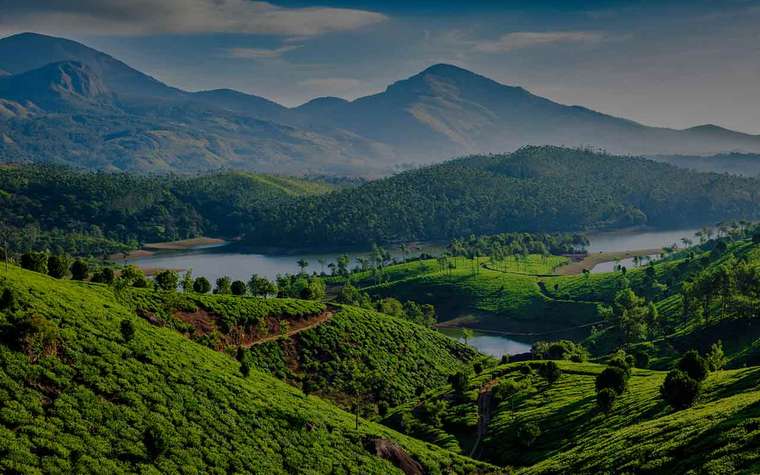
The Western Ghats are not just a backdrop; they are the spine of Kerala’s monsoon identity. Beginning with Munnar, the high-altitude tea plantations awaken under a veil of mist. The rain turns the rows of tea into a living sea of green that glows with saturated color when light filters through heavy clouds. In Kerala monsoon travel, Munnar’s weather is often cool and dramatic, with frequent drizzles that encourage slow exploration. Walking through the estate lanes, you hear water dripping from leaves and feel the damp air that keeps the fragrance of tea and earth crisp and persistent. The monsoon also reveals hidden waterfalls along forest trails, where weathered boulders gather new moss and the air becomes scented with rainfall and fern. The experience shifts from scenic drive to immersive nature walk as you climb higher into cloud banks that suspend migratory birds and small forest creatures in a moment of quiet spectacle.
From Munnar, the journey slides toward Thekkady, where the Periyar Tiger Reserve intensifies the rain’s drama. The park’s evergreen canopy acts as a natural umbrella that more than sustains life; it amplifies soundscapes where rain collides with the cries of distant birds and the splash of monkeys in the trees. The monsoon frames itineraries that blend boat safaris with short treks through pepper and spice zones. You may witness a rainfall-fed mist lifting from the lake, revealing glimpses of wild elephants on the far shore. Thekkady also offers cultural experiences that celebrate the seasonal harvests and home-cooked meals prepared in local guesthouses, where guests share stories as rain taps the tin roof. The final leg toward Palakkad Gap introduces an agricultural highland mood, where rice fields stretch to the horizon and cloud bands skim the valleys. The Palakkad region becomes a study in how monsoon energy shapes farming life, festival calendars, and village rhythms. For travelers seeking a comprehensive Western Ghats arc that balances wildlife experiences, coffee-scented mornings, and intimate village encounters, this route delivers depth and variety that are difficult to match in any other season.
Driving notes matter in this corridor. The roads are frequently scenic but can be slick in rainfall, and cloud cover often blurs distant ridge lines. This is where a patient driver and a flexible schedule pay dividends. Overnight stays in hill towns provide warmth after a day of damp experiences, and evenings can be spent tasting spiced chai, butter tea, and freshly roasted coffee while listening to rain on slate roofs. The monsoon’s cadence—cool mornings, heavy afternoon showers, and gentle evenings—creates a rhythm that suits slow exploration and meaningful connections with local communities. The route’s core advantage lies in the variety it offers: estate walks, wildlife encounters, traditional cuisines, and a chance to witness how rain nourishes the landscape, crafts, and livelihoods that define Kerala’s mountain belts. If you seek a truly immersive, weather-conscious itinerary that highlights the ghats, this Hoisting a map near the window when rain comes is not enough; you need the tempo of rainfall to guide your day. For route planning, the official resources at Kerala Tourism provide seasonal updates and practical travel advice that complements what you will experience on the road.
Across these highland and ghat circuits, the monsoon acts as a mentor. It tests your patience, rewards attention to detail, and invites your senses to slow down enough to notice how geography shapes culture. The Munnar-Thekkady-Palakkad arc encourages a generous itinerary with room for spontaneous stops at fog-bound viewpoints or a village house where a grandmother will share a hot, comforting snack while rainwater pools in the courtyard. This is Kerala monsoon travel as deep immersion: a sequence of landscapes that reveal themselves only when the air is heavy with rain and the earth drinks deeply from the sky.
Immersive Rain-Swept Itineraries by Duration — Tailoring the Pace to Your Rain-Ready Adventure
No two monsoon trips to Kerala are truly the same, and the best itineraries adjust to what the clouds deliver. For travelers seeking a short but meaningful escape, a 48- to 72-hour frame can still feel expansive if you concentrate on one core route and allow the rain to define the day’s tempo. In a compact plan, you might concentrate on Kochi’s waterfront atmosphere, the Alleppey backwaters, and a tranquil night in a hill station near the coast. The focus is not breadth but depth: a handful of experiences that highlight the rain’s mood—sunset over glistening canals, a spice route cooking class conducted in a rain-sound kitchen, and a dawn birding session when the air is crisp and fragrant with damp earth. Monsoon-specific considerations, such as booking flexible accommodations and choosing weather-friendly activities, become central to the plan. With a light schedule, you can savor the pace and reduce travel fatigue while staying engaged with the core highlights of Kerala’s wet-season identity.
For those with more time, a 5- to 7-day itinerary offers a more robust exploration of the state’s core routes. You can begin with Kochi’s urban energy and move to Alleppey’s backwaters, then ascend to the Western Ghats for a blend of misty tea estates and forest trails. The route evolves with the weather: you may find yourself wandering through markets and galleries on rainy afternoons and then taking long, slower drives through fog-draped passes when the skies clear briefly. The rhythm supports deep immersion—tea sampling, spice-wrapping workshops, temple ceremonies, and storytelling evenings about local monsoon legends that enrich your understanding of Kerala beyond its postcard images. The monsoon adds resonance to culinary experiences as well: coconut-based curries and river fish taste more vivid when paired with rain-scented air and a cooler evening breeze. Each day becomes a story about weather and place coexisting in harmony, a hallmark of Kerala monsoon travel that is at once intimate and expansive.
In planning these longer journeys, the flexibility to adapt to sudden rain shifts is essential. Your days may begin with a misty sunrise over a tea estate and end with a cozy dinner where rain hammers softly on the roof. You will learn to savor indoor experiences: spice-tasting sessions that explain how rainfall sustains Kerala’s most famous crops, cooking demonstrations that emphasize coconut and curry leaf, and quiet evenings in heritage lodges where old walls have weathered many monsoons. A well-constructed itinerary also incorporates buffer days to accommodate weather delays, thereby keeping stress low while preserving the sense of discovery. The reward is a holistic experience that captures both the dramatic landscapes and the intimate human stories that unfold under a monsoon sky, which is precisely what makes Kerala monsoon travel a rare and meaningful pursuit.
Finally, remember that the rain is not an obstacle but a constant companion. It shapes heat and humidity, alters transport schedules, and invites you to slow down. With the right mindset, you discover a Kerala that is lush, luminous, and alive in a way that only the monsoon can reveal. The routes and itineraries presented here are designed to be adaptable, ensuring comfort without compromising immersion. As you map your own journey, let the monsoon’s tempo guide decisions about when to travel, where to linger, and how to balance outdoor exploration with restorative indoor time. This approach yields a travel experience that transcends typical sightseeing and captures the essence of Kerala’s rain-soaked character across coast, backwaters, and highlands alike.
In the next part of this guide, we turn to practical planning and gear essentials that help you stay dry, comfortable, and confident as you chase the monsoon across Kerala. Part 3 will be titled “Practical Planning for Kerala Monsoon Travel: Gear, Stays, and Safety” and will provide packing lists, weather-aware packing strategies, and safety tips tailored to the season.
Kerala Monsoon Travel Mastery: Advanced Tips, Gear, and Sustainable Storytelling
Advanced Planning and Timing for Kerala Monsoon Travel
In-depth planning is the foundation of successful Kerala monsoon travel. The rain is dramatic, but it also reshapes access, light, and crowds. Begin with a broad window: consider late May through October as the heart of the season, but target specific sub-periods based on your priorities. If you want vibrant green landscapes with fewer crowds, aim for the shoulder weeks just after peak showers. If you crave steady rain, keep active during the early part of the season when roads and trails are typically clearer in the mornings.
Map your core experiences first—backwater cruises, hill station treks, spice farms, and heritage cities—and then slot them into flexible days. Pre-book accommodations and experiences with flexible cancellation to maintain agility. Always have a backup plan for each leg of the journey in case rain blocks a particular route or activity.
Timing Windows and Weather Realities
The southwest monsoon brings heavy showers to coastal Kerala, while the Western Ghats often cloak themselves in mist. Morning sessions are usually drier and cooler; afternoons bring renewed showers that refresh the flora but can disrupt outdoor plans. The trick is to harness the windows: clear mornings for trekking, misty late afternoons for photography, and evenings for cuisine and culture indoors.
Route Selection for Monsoon Robustness
Choose a spine route that minimizes long open-water transfers during worst weather. A Kerala monsoon travel plan that weaves between Kochi, Munnar, Thekkady, and Alleppey offers both indoor and outdoor options. Have alternates such as an extra spice-market day in Coimbatore or an indoor cooking class in Kochi if heavy rain closes the outdoors.
Booking Strategies that Preserve Flexibility
Prioritize accommodations with free cancellation and activities that can be swapped quickly. When possible, book directly with lodges or homestays that offer rain-friendly packages—tea tasting, spice in the rain experiences, or heritage house tours. Keep a digital calendar with alternate days that can replace outdoor plans.
Weather-Ready Itineraries and Flexibility
Flexibility is the edge that separates good trips from memorable ones in Kerala’s monsoon. Build a plan that includes weather check-ins every morning and a two-tier daily agenda: a primary plan for ideal conditions and a weather-safe fallback. If rain makes a planned outdoor activity impossible, switch to indoor options such as museums, spice farms with covered trails, or cooking classes featuring coastal cuisine.
Daily Weather Hubs and Backup Activities
Establish “weather hubs” in your mind—places where you can pivot quickly. In Kochi, this might be a spice market and a museum; in Munnar, a tea factory and an indoor exhibit. In Alleppey, consider backwater houseboat alternatives with enclosed decks or a day cruising on a covered punt. The goal is to keep momentum without compromising safety or comfort.
A Sample Flexible Itinerary (7–10 Days)
Day 1–2: Kochi’s fort, heritage walks, and a rain-friendly sunset from a sheltered viewpoint. Day 3–4: Munnar’s misty estates if visibility allows; otherwise, indoor tea-tasting and factory tours. Day 5–6: Thekkady for wildlife viewing if accessible; else spice garden strolls and a local cooking class. Day 7–8: Alleppey or Kumarakom backwaters with a sheltered boat option. Day 9–10: Relaxed final days, shopping, and farewell Kerala cuisine.
Gear Mastery: Packing Light but Waterproof
Mastery of gear is essential for comfort and safety. Start with a light pack strategy: minimize bulk, maximize protection, and ensure dry storage for electronics. The focus is on moisture management, warmth for cool drizzles, and the ability to move quickly when a rain squall arrives.
Clothing and Layering for Moist Conditions
Choose breathable, quick-drying fabrics that wick moisture and dry rapidly. A breathable rain jacket with a hood, one or two long-sleeve tops for sun and rain, and a thermal layer for chilly mornings keep you comfortable. Avoid heavy cotton—sweat stays damp and slows you down.
Rain Gear Essentials
A compact umbrella, a packable rain shell, and rain pants can be decisive in a sudden downpour. For sandals or shoes, pick footwear with good grip and quick-dry materials. Don’t neglect a waterproof backpack cover and a dry bag for electronics.
Tech and Power Management
Protect devices with sealed pouches and keep power banks charged. Carry spare batteries for cameras and phones in a dry pouch. A universal adapter helps across guesthouses and eco-lodges. Consider solar-ready power options if you plan long days outdoors.
Bag and Packing Strategy
Use a light, comfortable daypack with a built-in rain cover. Separate electronics in dry bags inside the main pack. Include a microfiber towel for quick-cleaning lenses and drying hands after rain.
Travel Safety during Monsoons
Safety is non-negotiable in monsoon travel. Rain-degraded paths and slick stones demand caution, especially on hill trails and river crossings. Always check road and weather advisories before long drives. If in the hills, avoid steep, recently washed slopes or unstable lookouts that can become hazardous after rain.
Terrain Awareness and Road Conditions
Stay updated with local advisories through reliable channels. In the hills, landslides can occur after heavy rain, so follow official detours and avoid off-road shortcuts. On coastal roads, waterlogged sections can stall traffic; plan extra travel time and keep a charged phone for updates.
Health, Hygiene, and Emergency Prep
Carry a basic first-aid kit, water purification tablets, and anti-diarrheal meds. Hydration is essential; carry a reusable bottle. For outdoor activities, pack a lightweight poncho and a whistle. Know the location of the nearest medical facility to your lodging.
Sustainable Storytelling: Respectful and Low-Impact Travel
Sustainable storytelling is not just about capturing beauty; it’s about protecting it. When you photograph people, ask for consent and explain how the image will be used. Seek permission before sharing private spaces like family courtyards or small shops. Highlight local voices and legends rather than treating communities as background scenery.
Minimize single-use plastics. Carry a reusable bottle, a cloth bag for purchases, and a compact cutlery kit. Support local guides and homestays that practice eco-friendly operations and fair-wage policies. Choose experiences that preserve the landscape, such as community rainwater harvesting projects or reforestation initiatives.
- Photographic ethics: capture subjects with dignity, respect, and context. Avoid staged or exploitative imagery.
- Share value: promote local crafts and food that come with sustainable livelihoods for communities.
- Waste management: carry out what you bring in, especially on backwater and forest trails.
Kerala monsoon travel Mastery in Practice
High-performance gear and mindful planning converge in practice when you travel in the monsoon. The aim is to stay warm, dry, and comfortable while you explore misty tea estates, spartan hill towns, and winding backwaters. Practice a rhythm: anticipate rain, act quickly, and savor the moment when sunlight pierces the clouds through a lush canopy.
High-Performance Gear Spotlight for Kerala Monsoon Travel
Gear choices matter more when rain is constant and trails can be slick. The right kit reduces fatigue and keeps you exploring longer without worry. Build a system that keeps you warm, dry, and mobile.
Outerwear and Shells
Invest in a two-layer shell with fabric that breathes. A light rain jacket with a zippered vent allows humidity to escape. For extended damp days, a compact, weatherproof shell works well in a daypack.
Footwear and Traction
Choose footwear with reliable grip on wet stone and mud. If you hike, leather or synthetic boots with good tread perform well; for casual city and backwater days, water-resistant sandals are practical.
Dry Bags, Covers, and Accessories
Dry bags protect cameras, lenses, and phones. A rain cover for your backpack keeps internal items dry during river crossings or monsoon winds. A microfiber towel speeds up after-rain cleanup of gear and hands.
Power, Connectivity, and Maintenance
Carry extra batteries and keep them in a dry pouch. A small solar charger can help on multi-day river trips, while a compression bag helps manage wet gear. After each day, air-dry moisture-prone items away from heat to prolong gear life.
Capturing Kerala Monsoon: Photography and Video Best Practices
The monsoon offers ethereal scenes, but humidity and rain demand care for your gear and your composition. Lenses fog and water droplets can ruin shots if you don’t stay proactive. Start your days early, when light is soft and rain is thinner, but be ready to adapt as showers move across the landscape.
Lighting, Composition, and Protective Techniques
Shoot with wide-angle landscapes during sunrise or sunset when the sun breaks through clouds. Use mist as a feature rather than an obstacle; blur the motion of waterfalls with gentle long exposures. Use a polarizer to manage reflections on wet surfaces and to boost color saturation in lush greens.
Protective Gear for Your Camera
Rain covers, lens hoods, and weather-sealed bodies help survive daily rain. Keep a microfiber cloth handy for quick lens clears. If you’re carrying a drone, ensure you have a dry, wind-protected spot and follow local regulations.
Outbound Resources and Community Support
Effective planning relies on trusted information. Kerala Tourism serves as a primary resource for itineraries, seasonal tips, and sustainable travel ideas. Supplement with local guides and guesthouse hosts who confirm weather and access constraints in real time. Kerala Tourism is a reliable starting point for inspiration and practical pointers to sustain your journey.
Final Checklist for Kerala Monsoon Travel Mastery
- Verify your weather window and keep a flexible plan that can adapt daily.
- Pack light, weather-ready gear and protect electronics in dry pouches.
- Book rain-friendly experiences and maintain a backup plan for outdoors.
- Practice sustainable storytelling: consent, local voices, and waste reduction.
- Stay safe in slippery trails and flooded paths by following official guidance.
Kerala monsoon travel mastery combines thoughtful timing, resilient gear, safe exploration, and responsible storytelling to reveal a mist-kissed paradise. By planning with weather in mind, choosing adaptable itineraries, and prioritizing sustainable practices, you unlock dramatic landscapes—lush tea estates, backwaters sparkling in rain, and coastal towns alive with culture. This is your invitation to experience Kerala when the monsoon paints everything in emerald and silver. Start your journey with confidence, armed with advanced tips and practical gear that keep you comfortable and respectful of the place. Ready to dive in? Explore RainyRoutes.com for deeper gear guides and route ideas, and let Kerala monsoon travel become your next legendary adventure.
Kerala monsoon travel awaits.