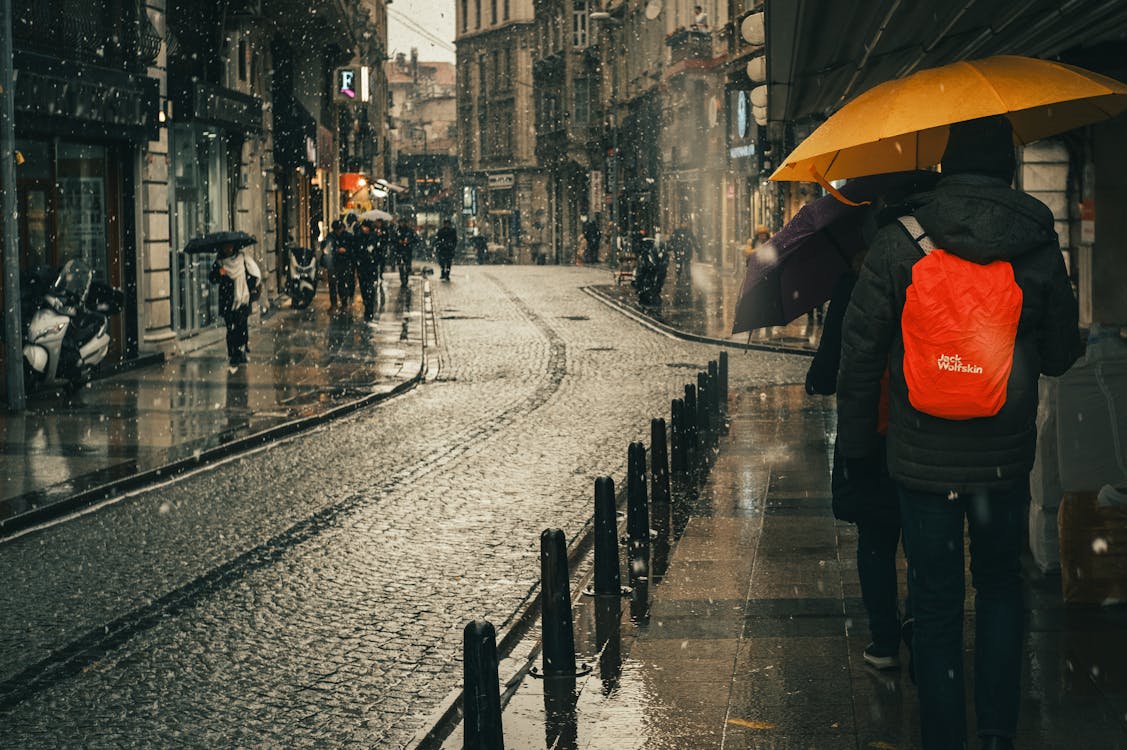
Rainy Urban Umbrellas for Moody City Walks
Rainy routes through moody city streets reward patience and a keen eye for atmosphere. In this guide, RainyRoutes.com invites you to treat your umbrella as part of the travel wardrobe, not merely a rain shield. When the clouds release their mist, rainy urban umbrellas become mood-setting props, framing reflections on brick walls, puddle-skimming sidewalks, and neon halos. A well-chosen umbrella does more than keep you dry; it frames your camera work, preserves your pace, and protects your gear from damp chaos. This foundational guide explains why rainy urban umbrellas matter for moody city walks and how to choose and use them to enhance every stroll in 2026 and beyond.
Across misty skylines and rain-slick sidewalks, this article builds a practical framework. You’ll learn the core design principles, material choices, sizing considerations, and care routines that keep a city umbrella reliable when wind gusts and sudden downpours surprise your route. By understanding these fundamentals, you can balance performance with aesthetics so your gear adds to the mood rather than fighting it. The result is a confident, stylish approach to rain travel that suits both photographers chasing reflections and wanderers chasing calm in the city rain.
Foundational Guide to Rainy Urban Umbrellas for Moody City Walks
In this foundational section, we translate mood into method. We start with the core concept, then drill into practical specifications, and finally map out a baseline purchasing framework for the urban traveler who treats rain as a feature, not an obstacle. Crucially, every choice—shape, fabric, weight, and handle—affects how your days unfold under gray skies and silver rain. Therefore, this part sets the rules for choosing rainy urban umbrellas that pair with your pace, your jacket, and your city’s character.
What Are Rainy Urban Umbrellas for Moody City Walks?
Rainy urban umbrellas are more than weather protection. They are design tools tuned to city life. They prioritize compactness without sacrificing coverage, wind resistance without adding bulk, and a silhouette that photographs well against glass canyons and rainy storefronts. In practice, a rainy urban umbrella should feel ready for a block-by-block stroll through damp neighborhoods, a late-night photo walk, or a quick dash between transit stops. The aim is consistent shade from drizzle to downpour and a look that feels intentional in moody, urban lighting.
Two core types dominate the urban landscape: compact folds that slip into a bag and taller, straight-rib models that offer greater coverage and sturdiness. The right choice depends on your typical routes, how much you carry, and how much you want your umbrella to contribute to an image or mood. In addition, color, surface texture, and handle design influence how much a city umbrella communicates your personal style during moody walks.
For travelers who treat rain as a design layer, the umbrella becomes a prop—an accessory that lifts composition, controls glare, and even steadies a slow shutter. Hence, when you choose rainy urban umbrellas, you’re not only buying rain protection; you’re selecting a mood-filter for your entire day in the city.
Design Principles of Rainy Urban Umbrellas for Moody City Walks
- Wind resistance without rigidity: Look for vented canopies or reinforced ribs that reduce inversion risk during gusts typical of urban canyons.
- Canopy diameter versus packability: A 42–48 inch canopy offers ample coverage while still fitting into a shoulder bag or under a cafe umbrella without crowding the seat.
- Material choices: Durable, water-repellent fabrics with quick-drying surfaces prevent pooling and reduce dry-time between stops.
- Shape and silhouette: A streamlined profile helps keep reflections in frame and avoids catching on lampposts or cafe awnings.
- Handle ergonomics: A comfortable grip supports longer walks and photography sessions, especially when you are capturing river reflections or street textures.
Note: For an overview of umbrella materials and construction, see umbrella.
Materials and Build Quality for Rainy Urban Umbrellas
Materials drive longevity in city weather. Look for fiberglass or aluminum ribs for strength without excessive weight. The canopy fabric should be tightly woven, water-repellent, and quick-drying. Seams matter: reinforced stitching and double seams resist soaking and tearing when you lean into crowded sidewalks or breezy crossings. A high-quality tip cap and a robust shaft prevent wobble, which improves handling in busy traffic and while you frame moody reflections on storefront glass.
Weight distribution is a practical concern. A well-balanced umbrella feels lighter than its spec sheet suggests because the center of gravity aligns with your natural grip. This makes it easier to hold during long city walks and reduces fatigue when you photograph or sketch scenes in rain-slick courtyards. Investing in a sturdy mechanism and a warranty pays off after a few seasons of daily use in damp urban climates.
Sizing, Weight, and Handling for Moody City Walks
Urban walkers need a balance between coverage and portability. Oversized canopies protect you from rain spray but can feel bulky in crowded transit cars. Conversely, a petite umbrella folds compactly but may struggle in strong wind or winter hail. The sweet spot for moody city walks tends to be a mid-sized canopy paired with a sturdy but light frame.
Handle design matters too. A curved handle offers classic style and easy hanging when you pause for a photo. A straight or ergonomic handle can provide a steady grip and reduce fatigue during longer sessions. Consider color and finish. Matte finishes resist fingerprints; dark tones blend with city shadows, while brighter hues act as a visual anchor in gray weather.
Transport and storage are practical concerns. Choose models with a durable sleeve or pouch for easy carrying on subway stairs or stairwells. When you arrive at a café or museum, the umbrella should tuck neatly into a corner without intruding on other customers or doorway traffic.
Maintenance and Care for Longevity
Maintenance protects performance and appearance. Rinse and dry the canopy after exposure to salt spray or heavy rain to prevent mineral staining. Drying helps prevent mold in damp city corners where you linger to shoot or sketch. Check ribs regularly and tighten loose fittings before a big walk. If your umbrella squeaks or sticks, a quick application of light lubricant to the joint can restore smooth operation.
Store the umbrella in a dry place and avoid leaving it unfolded for long periods, which can deform the frame. With proper care, your rainy urban umbrella remains reliable for years of moody city explorations and keeps pace with changing fashion and city aesthetics.
In terms of buying strategy, aim for a balanced package: robust build, moderate canopy, and a handle that suits your grip. This approach keeps you ready for spontaneous night shoots, urban rain showers, and the inevitable gusts that sweep through plazas and avenues.
To wrap up this foundational section, remember that your umbrella is part of the city’s mood choreography. The next part, Part 2: The Best Rainy Urban Umbrellas for Moody City Walks, will help you translate these principles into concrete product selections, budgets, and shopping strategies for 2026 and beyond.
Executing Rainy Urban Umbrellas for Moody City Walks: Step-by-Step
While Part 1 laid the foundation for mood and gear, Part 2 translates theory into action. This step-by-step guide shows how to operationalize your rainy urban umbrellas for moody city walks in 2026. You will learn to plan, select, deploy, and maintain equipment while keeping the mood intact and the walk safe. The approach is practical, repeatable, and scalable for different weather windows and city textures.
Step 1 — Define the route and mood
Begin by choosing a route that aligns with the moody vibe you seek. Narrow lanes, glassy pavements, and neon reflections invite dramatic silhouettes. Consider times when light is diffused by clouds, not washed out by sun. This isn’t about speed; it’s about atmosphere. Write a one-paragraph itinerary in your mind and commit to the mood you want to capture. The umbrella becomes a prop, tool, and shield rolled into one. Assess the city’s textures: rain on brick, mist on glass, puddles mirroring street lamps. Each element amplifies mood when framed with intention. Plan for pauses at storefronts, bus stops, and bridges where reflections intensify the scene. If the forecast fluctuates, sketch alternatives for lighter rain or mist so you stay in the mood without rushing.
As you map the route, consider the crowd dynamics. A moody walk thrives on quiet corners and controlled tempo. Avoid crowded arteries during peak hours to keep the narrative calm. Think about wind corridors along avenues and how your umbrella will behave there. The goal is a walk that feels cinematic, not chaotic. With a clear mood and a well-planned route, your rainy urban umbrellas become an instrument to sculpt the atmosphere rather than a mere shelter from the rain.
Step 2 — Select the right rainy urban umbrellas for moody city streets
Canopy size and weight
Canopy diameter matters. A 110–125 cm canopy covers two shoulders and still frames pedestrians without overbearing mass. Choose a model that weighs roughly 0.6–1.2 kg. A lighter umbrella invites longer walks without fatigue. In tight urban corridors, a compact option may be preferred, but ensure it still provides full coverage. The goal is balance, not bulk. A well-chosen canopy also helps you control the silhouette in photos; a too-small canopy shrinks you against the neon glow, while a too-large canopy can overwhelm frames and reflections.
Ribs, frame, and fabric
Look for fiberglass or aluminum ribs that flex a little in wind. Steel is sturdy but heavier. The fabric should be water-repellent or coated, with a tight weave. A vented canopy reduces lift in gusts, protecting you and your camera gear from rattling breezes. The best rainy urban umbrellas combine resilience with quiet operation so your walk remains the focus, not the umbrella squeak. Consider a design that tolerates a bit of urban jostle without inverting, so you can keep moving in rain without disrupting your mood narrative.
Handle and ergonomics
Ergonomic handles reduce fatigue on long walks. A textured grip helps in rain as you navigate slick sidewalks. Some designers build comfort into the handle with contoured shapes or anti-slip rubber. If you carry a bag or camera, consider a double-grip option to switch hands easily as the mood shifts. A comfortable handle keeps your posture confident, which influences both how you walk and how your presence reads in photographs.
Color, pattern, and mood alignment
Color matters. In moody city walks, deep tones like charcoal, navy, or moss green harmonize with rainy backdrops. Subtle patterns can add texture without overpowering the scene. The umbrella should complement the scene, not steal it. Your choice should align with the mood you aim to highlight in photos and street scenes. If you want a dramatic counterpoint, a bold accent color can act as a focal point against a sea of gray, but use it sparingly to preserve atmosphere.
Weatherproof features
Look for water-beading coatings and seam sealing. A good canopy resists pooling so that wind keeps the umbrella stable. Some models offer wind vents, anti-inversion features, or reinforced hubs. Each feature matters when you move from shelter to shelter across a rainy urban stage. Evaluate how easy the canopy folds and how quickly you can re-seat it after a gust. The faster you can reset between scenes, the more momentum you maintain in the mood narrative.
Step 3 — Prepare your gear and bag setup
Bag strategy
Carry essentials in a water-resistant sling or backpack. Use a dedicated exterior pocket for the umbrella, but ensure it does not drag on the ground. A light microfiber cloth keeps your view clean when you stand before storefronts or rain-slick windows. Pre-pack a small towel for drying handles or camera grips. A compact rain cover protects electronics during transit between venues. Keep a spare battery or memory card accessible for quick swaps during a moody shoot that shifts lighting on every corner.
Care and maintenance kit
Include a small resealable bag to store a folded umbrella after use. Pack a spare microfiber cloth, a tiny rain poncho for quick changes, and a mini umbrella repair kit. Quick access to a spare battery or SD card is wise when your walk doubles as a photo expedition. The goal is to avoid letting moisture linger on gear after the journey ends. If a seam shows wear, address it promptly with a seam sealant; early care prevents a larger failure on a windy block.
Step 4 — On-site usage: open, tilt, walk
Open the umbrella before stepping into the rain, especially in drizzle that hides vertical drops. Tilt helps guide spray away from your face and camera. Maintain a relaxed grip; panic can ripple into your walk and affect your mood. Move with the rhythm of pedestrians, not against it. In congested corners, a shorter tilt prevents umbrella tips from brushing storefronts. This is where the mood comes alive—the umbrella acts as a moving frame for the city’s wet textures. A deliberate, steady pace keeps your subject or the cityscape crisp and reduces camera shake in rain.
When you reach a reflective street or neon corner, pause to observe how the umbrella and surroundings interact. The umbrella becomes a lens of mood rather than a mere shelter. The goal is to capture silhouettes, glistening pavements, and soft halos around lamps. If you need to adjust, do so calmly and with intention, not hastily. A deliberate pace often yields stronger imagery and a more intimate experience of the mood you seek. If crowds surge, walk with purpose and let your umbrella carve a narrow path, ensuring you remain in control of your framing and timing.
In narrow alleys or under station canopies, keep the umbrella slightly angled toward the wall to catch reflections without swallowing your subject. This small technique creates dramatic silhouettes and emphasizes texture. The umbrella thus becomes a camera assistant, shaping light and shadow while you focus on composition and mood rather than logistics.
Step 5 — Photographic mood and silhouette techniques
A rainy urban umbrella shapes your silhouette against backdrops of rain, glass, and light. Keep your camera low to the umbrella edge to frame the scene with the umbrella as a leading element. Let reflections ride on the pavement; the umbrella should interact with them rather than obscure them. If you want more contrast, shoot during the blue hour when the city wears a cooler hue. The umbrella’s color can act as a counterpoint or a bridge to the scene’s color palette. Use negative space around the umbrella to emphasize mood and give the scene room to breathe.
Practice quiet framing and minimal movement. Short strokes on the shutter speed can reveal rain without blurring motion into chaos. In a busy street, choose a moment when pedestrians step aside. Your umbrella will stand as a beacon in a misty composition, guiding viewers through the moody narrative of the walk. In this way, rainy urban umbrellas become a storytelling prop as well as a tool for weather protection. If you shoot with a friend or partner, coordinate timing so both of you capture complementary angles without crowd interference. The umbrella then anchors the duo in the frame and strengthens the mood line.
For those who love texture, experiment with a shallow depth of field to soften background rain while keeping the umbrella crisp. Alternatively, a longer focal length isolates the umbrella against the bustle, turning it into a signature motif of the stroll. The goal remains the same: use the umbrella to sculpt mood, not merely to shield from rain.
Step 6 — Etiquette, safety, and urban navigation
Respect personal space as you weave through pedestrians. Announce your intentions when you stop for a photo or to study a storefront. Keep to the right side to align with traffic flow in many cities. Avoid swinging the umbrella over others, which can startle or injure someone with a bag or camera. In busy districts, share space with street performers or vendors by stepping aside when the moment demands it. Weather conditions evolve quickly; stay aware of wind gusts that could invert or damage the umbrella or nearby objects. When you sense a crosswind, pause and adjust your stance to maintain balance and control, then resume your walk with renewed focus.
When walking under awnings, monitor the crowd and keep your umbrella close to your body. If rain intensifies, switch to a shorter tilt and hold the umbrella in front of you rather than above. This reduces splash from puddles and helps maintain your line of sight. If you must pass through a crowd, do so with a calm, steady pace, ensuring your umbrella’s point is never used as a weapon to prod others. The mood remains respectful and cinematic when you treat the city as a shared stage. Always follow local norms; on some streets, alternating between umbrella and quick-dash steps keeps the mood intact without disrupting the flow of pedestrians.
Photography and sightseeing aside, safety matters. Be mindful of slick steps, manhole covers, and subway grates. The umbrella can shield more than your head; use it to guard camera straps and lenses when crossing intersections or stepping onto wet metal surfaces. If the wind picks up, consider stepping into a doorway or under a storefront to reset your framing rather than fighting through gusts. A calm, prepared mindset keeps you safe and keeps your moody walk emotionally honest.
Step 7 — Maintenance and longevity tips
After your walk, shake loose excess water and wipe the canopy with a microfiber cloth. Let the umbrella air-dry in a well-ventilated area to prevent mold. Inspect ribs and joints for bending or loosening and address issues promptly. Storing the umbrella in a dry, cool place protects fabrics and coatings. If you notice seams peeling, consider a quick repair with a seam-sealant for longer life. Regular care adds years to your rainy urban umbrella collection and keeps your mood intact for future moody city walks. Document any unusual wear patterns for future upgrades without sacrificing current mood integrity.
Consider rotating between two or more umbrellas to suit different moods and scenes. A lighter option can be your daily mood companion, while a sturdier umbrella can handle gustier nights. Clean and dry your gear before stowage to prevent mildew that dulls colors and mood. If a clip or hood loosens, repair promptly or visit a professional service to avoid compromising performance on your next walk. A disciplined routine preserves both function and atmosphere across seasons and cityscapes.
Step 8 — Seasonal adaptations and backup options
In mist and drizzle, the right umbrella shines. In heavy downpours, consider a second compact umbrella as a backup. For longer walks, a taller umbrella can shield your head more effectively. If mosst matter? The color remains a mood anchor. In winter, thicker gloves may be necessary, and you may opt for an umbrella with a longer reach for gloves. Adapt your gear to the season while preserving the moody aesthetic that defines RainyRoutes. In spring, lighter fabrics and brighter accents can reflect the city’s evolving mood, while in autumn, deeper textures and warmer tones reinforce the melancholic charm.
Backups aren’t a sign of weakness; they’re strategic. A compact backup travels easily in a coat pocket or small bag. A second umbrella allows you to switch aesthetics mid-walk without interrupting the mood arc. The key is to plan ahead so a sudden storm becomes another scene in your moody city walk rather than a disruption. Your foresight keeps the journey smooth and cinematic regardless of rainfall intensity.
Step 9 — Quick-start checklist for moody city walks
Before you set out, confirm forecast conditions at National Weather Service. Pack your rainy urban umbrellas, microfiber cloth, spare battery, and a compact rain cover for electronics. Check your route, test your umbrella, and adjust your mood to the rain. Ensure your shoes grip slick pavements and your phone is accessible for safety. Finally, remind yourself to slow down, breathe, and let the city tell its weathered story as you walk. The umbrella is your instrument of mood, not a burden to rush through the rain, and tonight’s reflections await.
As you close Step 9, the next chapter is ready: Part 3, Mood-Driven Gear and Night Walks Under Rain, where we deepen the mood with lighting, silhouettes, and urban shelter strategies.
Advanced Strategies and Final Guidance for Rainy Urban Umbrellas Adventures
As we close the arc of RainyRoutes.com coverage on moody city explorations, this final section distills the best practices for long-term mastery of rainy urban umbrellas adventures. The goal is not merely to survive a downpour, but to transform wet-weather walks into intentional, memorable experiences that honor the city’s rhythm, culture, and architecture. Expect a rigorous, field-tested approach that blends gear science, street-smart planning, and sustainable style. If you follow these strategies, you will navigate unpredictable showers with poise, curate evocative urban routes, and emerge from each walk with new stories to tell.
To get the most from rainy urban umbrellas, you must treat them as an ecosystem: the umbrella, your clothing, your footwear, your route, and your time window all interact. The focus is on resilience and efficiency. It’s about choosing the right umbrella for the right moment, reading the weather like a connoisseur, and designing itineraries that optimize mood, light, and atmosphere. In practice, that means a proactive mindset, data-informed planning, and a willingness to adapt as the city changes with the rain. Ultimately, the payoff is confidence: you become the traveler who can gracefully sketch an atmospheric route even when clouds gather and the streets reflect a neon prism of color.
Mastering the Gear: Choosing the Right Rainy Urban Umbrellas
Gear mastery begins with a precise understanding of how an umbrella behaves in an urban environment. The right rainy urban umbrellas are not just shields; they are companions that shape your pace, mood, and posture. Your choices should balance coverage, weight, wind resistance, and style. In practice, this means evaluating canopy diameter in relation to your torso height, the rib count that offers stiffness without snagging on signage, and the venting that reduces wind flapping in exposed city boulevards. A well-chosen umbrella should feel like a natural extension of your movements rather than a constraint.
Materials, Weight, and Wind Resistance
Consider models with fiberglass or tempered aluminum ribs for durability without excessive weight. A canopy made from a water-repellent fabric such as ripstop nylon or Pongee provides fast drying times and less bulk when stowed. For wind resistance, look for double-layer canopies, reinforced hubs, and a vented design that lets gusts pass through rather than invert the umbrella. In urban settings full of crowds, a shorter, lighter umbrella with a compact sleeve can be a tactical advantage, letting you pivot through pedestrian traffic with minimal friction. Never underestimate the impact of a lightweight, sturdy grip and a contoured handle that feels secure during rapid, rain-slick turns.
Size, Coverage, and Aesthetic
Canopy width should align with your typical torso width while providing ample forearm coverage in spray zones near bus stops and crosswalks. For fashion-forward moody city strolls, a slightly oversized canopy adds cinematic drama without sacrificing balance on windy streets. In brisk showers, a mid-size umbrella is often the sweet spot: it offers sufficient protection while keeping you nimble enough to weave through crowds and narrow alleys without feeling bulky. The aesthetic matters too: rainy urban umbrellas can become a signature piece in your urban narrative, reflecting your taste while blending with the city’s reflective palette of rainy glass and wet stone.
Packability and Dry-Case Solutions
In a city where you may move from exhale-warm indoor spaces to rain-glazed sidewalks in seconds, a compact folding umbrella or a semi-automatic model can save time and space. Use a lightweight dry case or a micro-dry pouch to separate damp fabric from dry inner layers. The goal is to minimize cross-contamination of moisture across your wardrobe and gear, ensuring your city walk remains comfortable from first step to last. Practically, test packing sequences: open, close, and re-pack under real weather conditions to measure how quickly you can transition from shelter to street and back again without missing a beat.
Smart Picks: Beginner, Intermediate, and Pro Profiles
For beginners, a reliable 40–45 inch canopy with a simple open-button mechanism reduces complexity. Intermediate travelers benefit from wind-resilience features and a slightly larger canopy for broader rain coverage. Pro-level explorers might prioritize ultralight frames with storm-proof ribs and a premium fabric that dries in moments, accompanied by a compact sleeve for quick stowing. No matter the level, ensure your gear aligns with your typical route length, city density, and the seasonal shower profile of your destination. In rainy urban umbrellas practice, the best choice is the one you forget you are carrying because it simply works.
Navigating City Streets: Urban Etiquette and Practicality
Moody city walks demand etiquette as well as equipment. Etiquette is an extension of respect for fellow pedestrians, shopkeepers, and the urban ecosystem. The practical side includes route selection, tunnel awareness, and strategic shelter points. The best plans anticipate crowds around transit hubs, markets, and popular viewpoints, allowing you to time your rain-delivered reveals of skylines, reflections, and street art. Ultimately, mindful pacing turns a rainy urban umbrella experience into an immersive mood piece that feels curated rather than improvised.
Controlling Your Pace and Personal Space
In densely trafficked districts, short, confident strides beat hesitant, hesitant shuffles. Keep your umbrella angled slightly forward to shield your chest and hands while maintaining a clear line of sight. This helps you avoid collisions with stroller wheels, bike lanes, or rain-slicked tram lines. In practice, a steady cadence paired with a predictable arc through intersections reduces sudden stops and pedestrian jams. Your goal is to move with intention, letting the rain add atmosphere rather than chaos to your journey.
Interaction with Shopfronts, Transit, and Cafés
Urban shelter is a social currency. Time a pause at coffee shops or bookstores to align with the weather cycle. If rain intensifies, let the umbrella be your cue to explore indoor corners that reveal the city’s character—mosaics, stairwells, and light refurbishment projects that reflect mood lighting. In other moments, use doorways and awnings as framing devices for photography or journal notes, letting the rain become a lens for storytelling rather than a barrier to exploration. The aim is seamless integration with the city’s rhythm.
Accessibility and Inclusivity
Design choices should account for tourists with mobility concerns, families, and heavy luggage. Keep the umbrella compact enough to fit into a crowded elevator or bus aisle, and choose models with easy one-handed operation for quick transitions. When possible, offer shelter options to people who may need a moment of relief from the rain—this simple courtesy helps maintain a hospitable urban environment and reinforces the mood you want to capture in your RainyRoutes content.
Weather-readiness: Forecasting, Planning, and Timing
Forecast literacy is a cornerstone of advanced rainy urban umbrella travel. The most effective itineraries read between the lines of a forecast: a light drizzle may mark a window for morning photography, while a heavy shower could invite a longer indoor interlude. The goal is to align your route with the rain’s tempo, not fight it. In practice, build a flexible plan with two or three micro-ambitions per quarter-hour block. If you arrive at a chosen vantage point and the light or rain changes unfavorably, switch to a nearby indoor site or a sheltered courtyard. You should be able to pivot calmly and preserve the mood you set out to capture.
Utilize live weather feeds, radar apps, and city-specific alerts. Keep your gear accessible, and always carry a compact towel for quick touch-ups of damp surfaces. For longer journeys, maintain energy with warm beverages near transit nodes or museums that offer brief, mood-enhancing pauses. Ultimately, your timing becomes instinctive: you know when the rain will lend a canvas-like sheen to storefronts and puddles, and when the city needs a moment of quiet indoors to preserve the mood of a moody afternoon.
Forecast-customized Itineraries
Develop templates for three typical days: a misty morning photography walk, a rain-slick architectural stroll, and a late-afternoon mood gallery tour indoors. For each template, list transit connections, shelter stops, and photography-friendly nooks. Create a simple legend for your audience that explains how you adjust umbrella height, stance, and camera settings to maintain sharp visuals in persistent drizzle. The purpose is not to present a rigid plan, but to share a repeatable framework that readers can adapt to their own city and weather conditions.
Indoor Alternatives and Moody Museums
Rain can turn outdoor plans into a serendipitous exploration of indoor venues with moody atmospheres. Museums with glass atriums, libraries with towering windows, and historic coffee houses become the stage for continued mood-building when the rain is heavy or persistent. Curate a micro-itinerary that threads indoor spaces with exterior views so readers see how mood translates across environments. Emphasize how rainy urban umbrellas enable transitions between these spaces without sacrificing the sense of place that defines the walk.
Digital Tools and Itineraries for Rainy Routes
Technology should amplify, not dominate, the experience. The best rainy urban umbrella journeys rely on reliable maps, offline access, and emergency contingencies. Use a city’s transit app to anticipate delays and closures, and reserve time pockets to savor a rainy scene without rushing. Offline maps prevent weather-induced signal gaps from wrecking your plans, especially in basements, tunnels, or older neighborhoods with patchier connectivity. Integrate photography prompts, such as reflections on storefront neon or puddle symmetry, into your route notes to keep the narrative cohesive even when light shifts or rain intensifies.
Mapping, Offline Access, and Time-Slot Planning
Curate a central map of your rain-prone city with color-coded layers: green for sheltered mood points, blue for water features, and amber for potential raindrop moments that accentuate reflections. Prepare an offline version of the map for the transit-heavy corridors where signal drops are common. Time-slot planning should include micro-windows for photography, a coffee interlude, and a shelter-based mood reset. By sequencing these moments, you ensure that rainy urban umbrellas become a storytelling tool rather than a logistical obstacle.
Indoor Alternatives and Moody Museums
Leverage moody indoor spaces that respond dramatically to changing light as rain evolves. Libraries with skylight architecture, galleries with rain-spattered windows, and boutique hotels with reflective foyers create cinematic backdrops for your content. These spaces offer opportunities to capture quiet moments, study light dynamics, and document the sensory palette of wet urban environments. Your notes should highlight how a simple umbrella can coordinate with indoor lighting to create intimate portraits of the city under rain.
Investing in Sustainable, Stylish Umbrellas
Conscious consumption matters. Sustainable, stylish rainy urban umbrellas align with environmental values while delivering long-term value. A durable frame, responsibly sourced materials, and components designed for repair extend the life of your gear and reduce waste. In practice, compare repairability scores, warranty terms, and local repair options when you consider a purchase. Style should be considered as part of the city’s mood narrative rather than mere adornment; a well-chosen umbrella can become a recurring motif in your city journeys, reinforcing your brand’s mood and helping readers recognize your voice across articles and social posts.
Durability and Repair, Lifetime Value
Invest in reputable brands that offer spare parts and repair services. A replaceable rib kit, a new canopy seam, or a reinforced hub can extend the life of your umbrella for years. Consider the total cost of ownership rather than the upfront price. If you know you will traverse multiple moody cities, choose a model with proven resilience to repeated wind gusts, abrupt handling, and storage in damp environments. A high lifetime value model performs reliably across a spectrum of weather patterns, from drizzle to downpour, ensuring your rainy urban umbrella remains a trusted companion.
Ethical Sourcing and Local Makers
Seek out local makers who emphasize ethical production practices, repairability, and transparent material sourcing. Supporting small, sustainable brands strengthens the communities you document in your content and aligns with a values-forward approach that readers appreciate. Highlight these brands in your articles, noting how their craftsmanship enhances both function and mood on rainy city walks. When you narrate gear choices, explain why a particular maker’s philosophy resonates with your broader RainyRoutes worldview, reinforcing your authority and trust with readers.
Summary: Integrating Advanced Practices into Your Rainy Urban Umbrella Routine
Throughout this segment, the recurring thread is integration. Gear, plan, weather literacy, and ethics must work in concert to deliver a seamless rainy urban umbrella experience. You should be able to move from a rain-soaked street portrait to an indoor mood shot with minimal disruption, preserving the continuity of light, reflection, and emotion. Each component—umbrella choice, pacing, shelter strategy, digital tools, and sustainable practices—contributes to a cohesive narrative that your audience can replicate in their own cities. The end result is a practice that feels both scientific and artistic: a disciplined method that consistently yields moody, urban, rain-kissed storytelling.
To conclude this advanced guide, remember that rainy urban umbrellas are more than weather protection; they are the lens through which you frame the city’s soul when clouds roll in. By mastering gear, etiquette, timing, and sustainability, you create journeys that feel intimate, cinematic, and deeply shareable. Your readers will thank you for the clarity, confidence, and inspiration you provide as they navigate the misty urban world with purpose and style. For ongoing inspiration and up-to-date gear insights, keep RainyRoutes as your trusted compass for all things rainy and urban.
Conclusion: In the final analysis, the art of rainy urban umbrellas is a blend of precise gear choices, smart planning, and a storytelling mindset that honors the city’s mood under a veil of rain. The techniques laid out here—from wind-ready canopy design to weather-aware itineraries and ethical gear purchases—create a scalable framework that readers can adopt across any rainy city. As you step out in your next moody city walk, let your rainy urban umbrellas be the quiet hero of your journey, shaping light, shelter, and memory in equal measure. Start now: choose a dependable umbrella, map a two-hour moody route that leverages sheltered viewpoints, and commit to an indoor pause that preserves the moment. Your city awaits, and the rain will respond to your readiness with a richer, more atmospheric narrative. Focus on rainy urban umbrellas as your core tool, and watch your city storytelling transform with every drizzle.
Call to Action: Ready to deepen your Moody City Walk repertoire? Subscribe for monthly illumination on gear tests, route ideas, and photography prompts designed for rainy urban umbrellas adventures. And if you want a living reference point, explore RainyRoutes’s curated city guides and share your own umbrella-tested routes using #RainyUrbanUmbrellas to join the conversation.
For further reading on weather-informed travel planning, see established industry guides such as the Met Office resources at Met Office, which offer trusted forecasting insights you can couple with your urban explorations.